AIX TAXIDERMY
From Cuba to Niantic
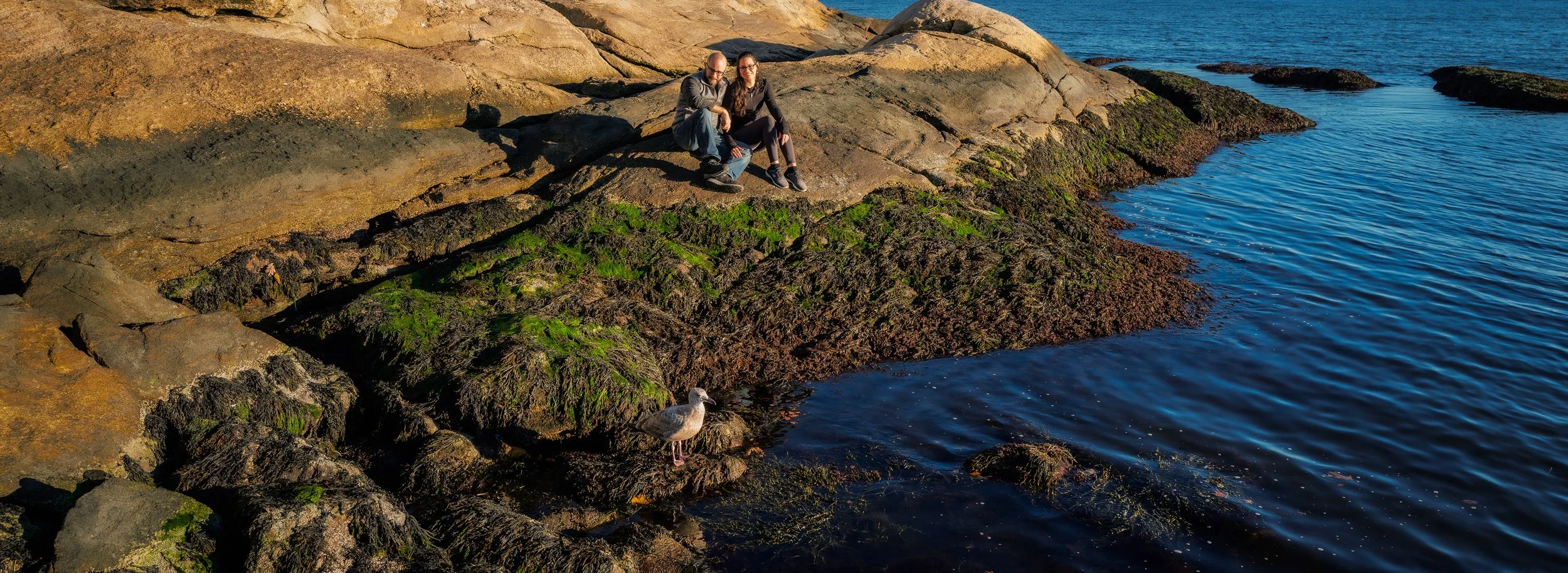
At Rocky Neck State Park, the one bird in the frame that isn’t mounted.
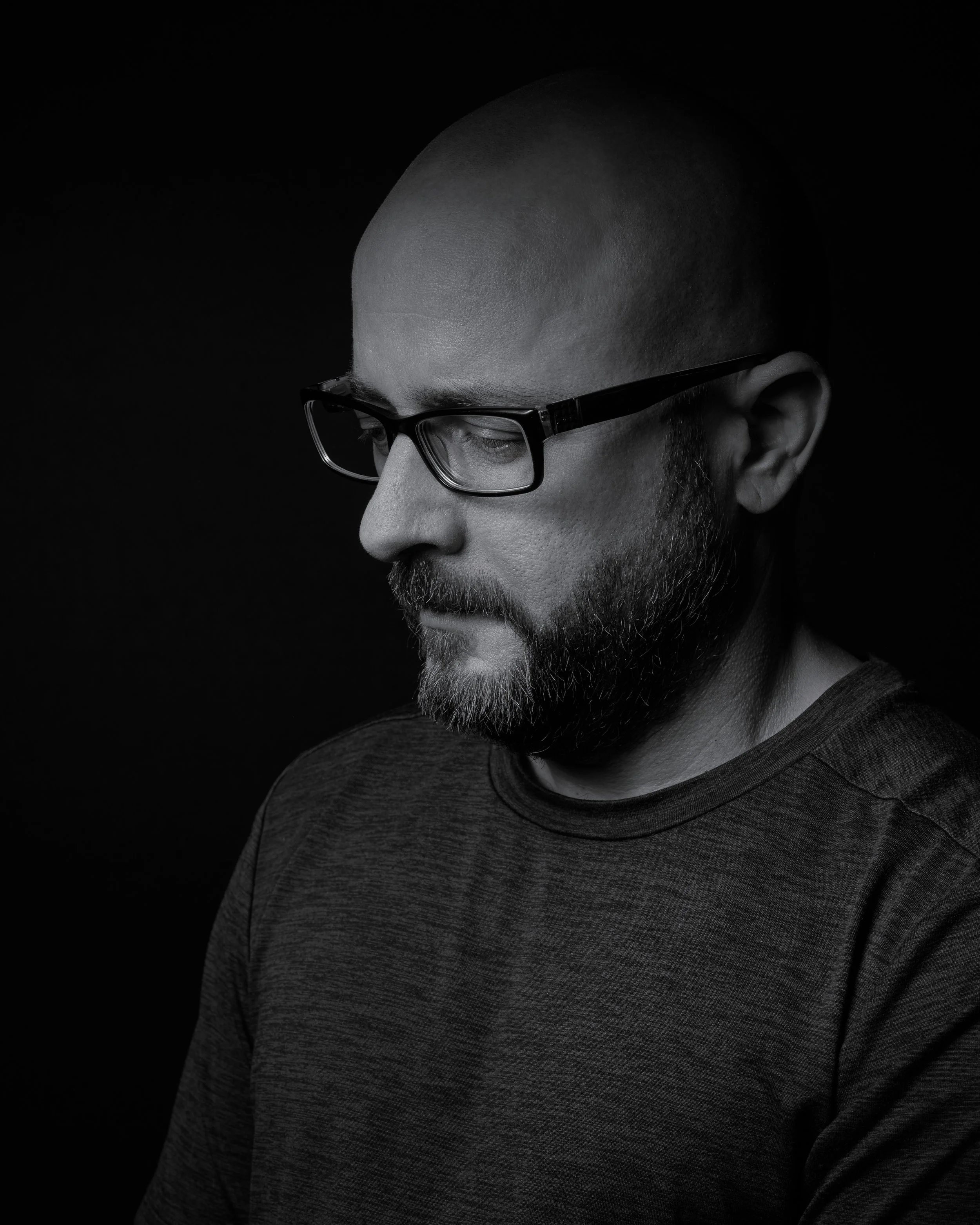
Most taxidermists come to the trade through hunting. Tomás and Yaira came to it through biology, and you can see it in the work. In Cuba, Tomás taught himself from a couple of brittle library books written a century earlier. When the books called for materials he couldn’t get, he made his own, drying field grass on his roof to wrap the bodies. In Niantic the supplies are better, but the habits are the same: measurements, sketches, and reference photos of living birds, never another taxidermist’s mount. Before Yaira builds a habitat, she researches the exact place the bird came from. When a client asked for a clam shell in the bill of a common eider, Tomás used a species he had found in an eider’s esophagus himself. No one would ever check. They would know.
“Nobody sees them, but I do.”
—Tomás
Since September I’ve been photographing Tomás and Yaira, the husband-and-wife team behind Aix Taxidermy in Niantic, Connecticut. Both trained as biologists in Cuba—he spent most of his working life in field research, she in conservation—and neither of them hunts. In Cuba the science came with empty shelves, gear they had to supply themselves, and the habit of watching what you said. They left together, crossed Central America to reach the United States, and started over in Miami with almost nothing. Then came Connecticut, a business run out of a small apartment, and long weeks of waiting for the phone to ring. Today he mounts the birds and she builds the habitats around them, and the natural history is in every piece. This fall they moved into a quiet house near the shop, the first home they got to pick for themselves. These frames come from the first eight shoot days. The full essay continues through the winter.
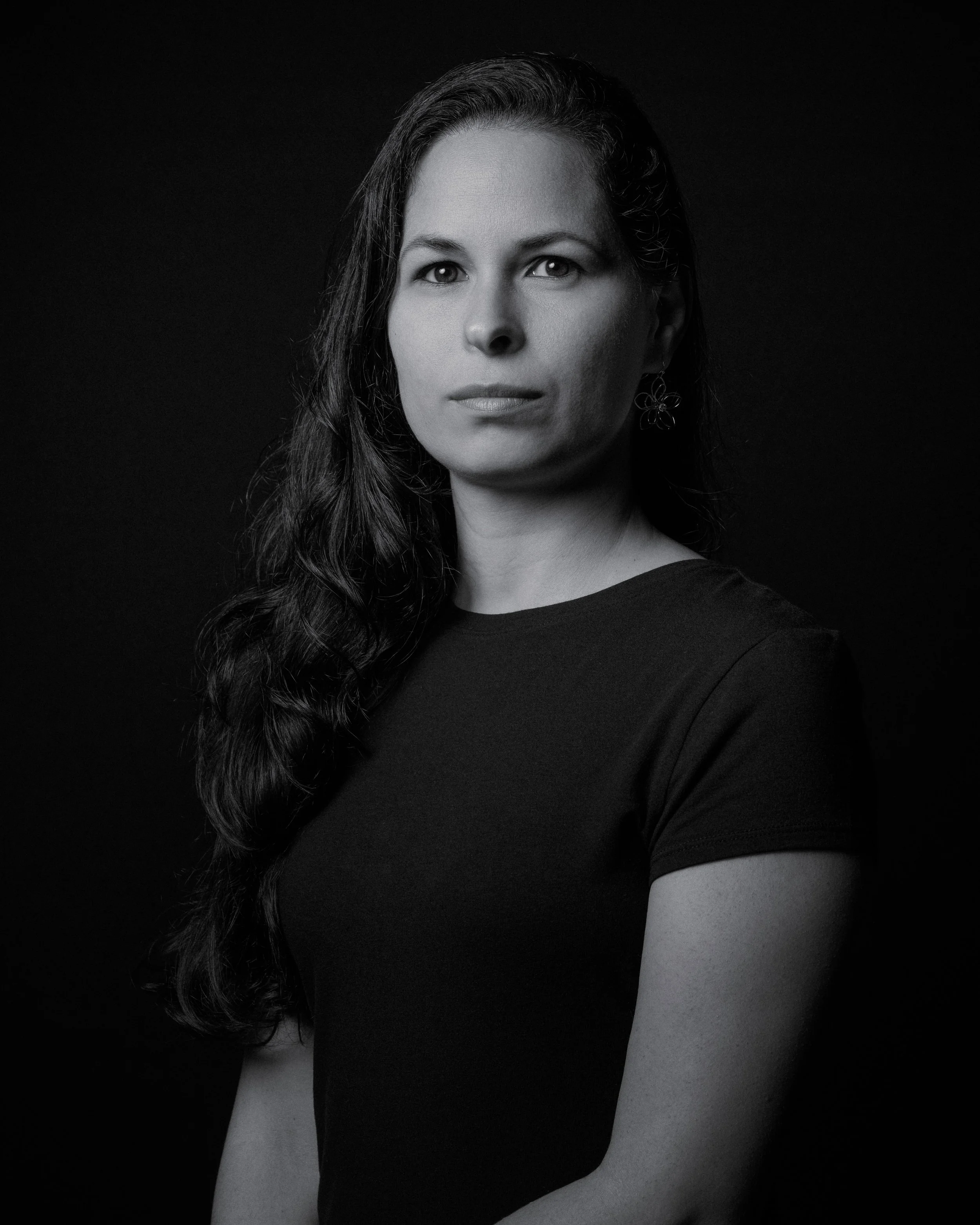
“Biology is knowledge. Art is perspective.”
—Yaira
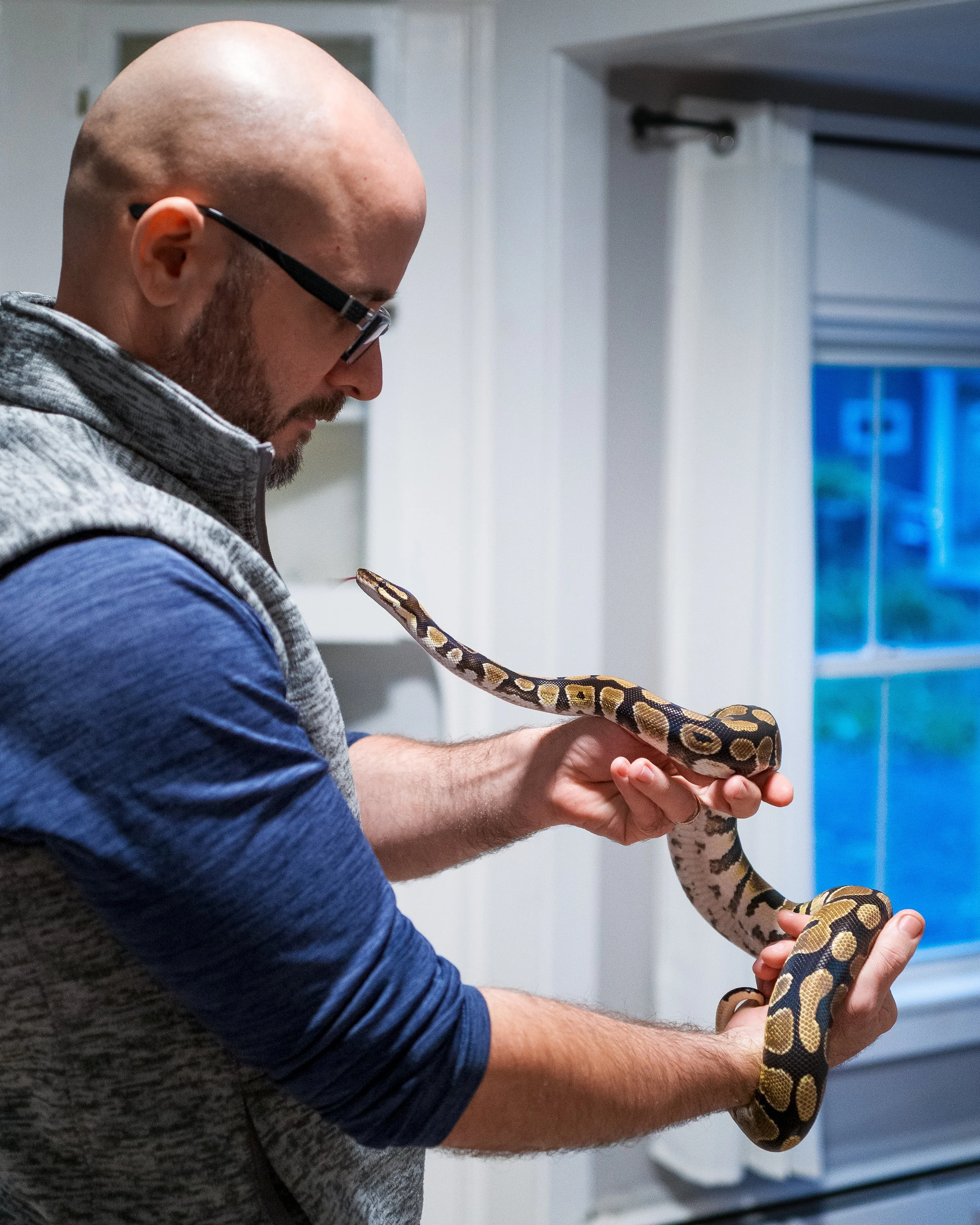
Tomás spent more than a decade studying snakes in Cuba—this one lives at home.
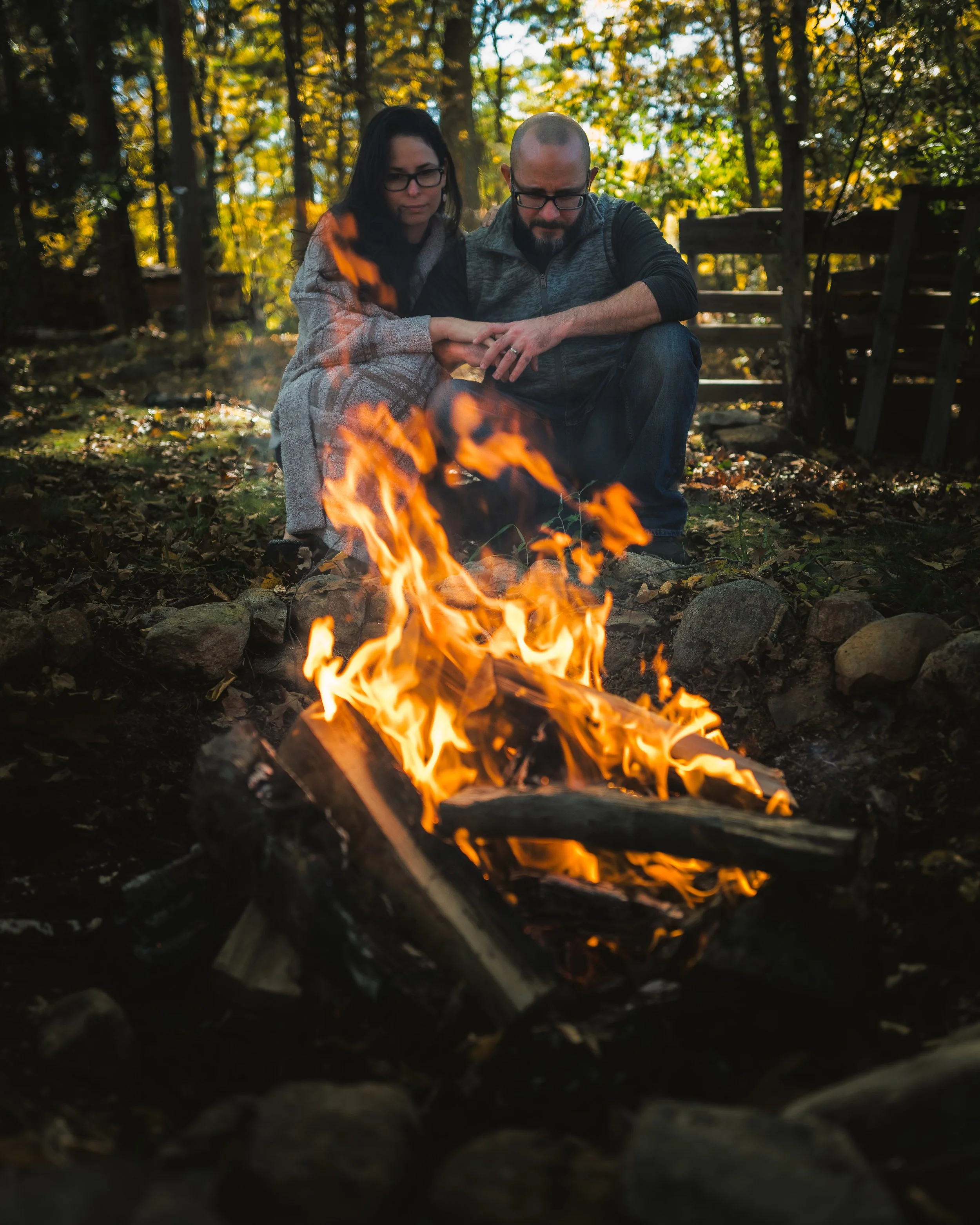
First fall at the new house, with the woods they always wanted right outside.
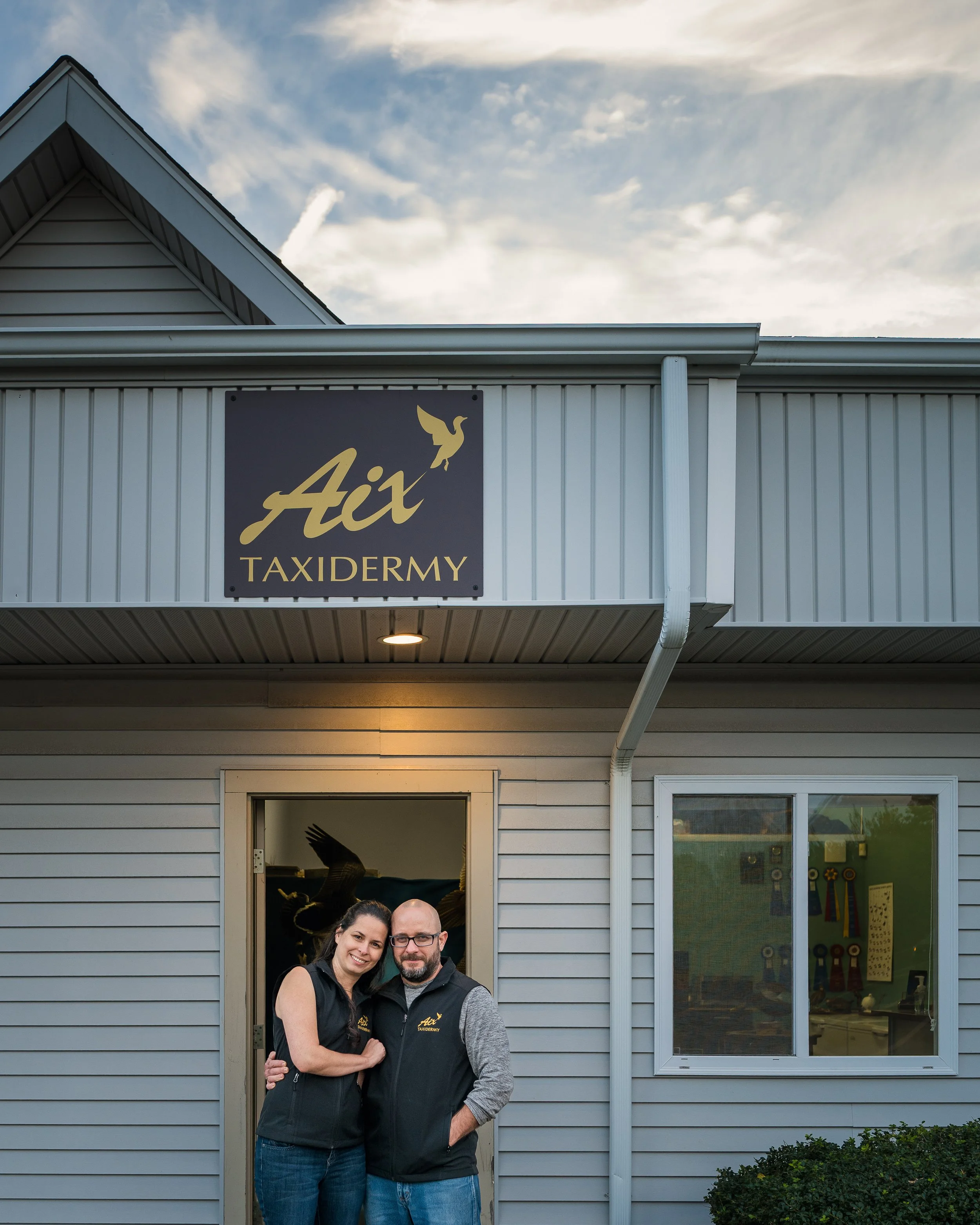
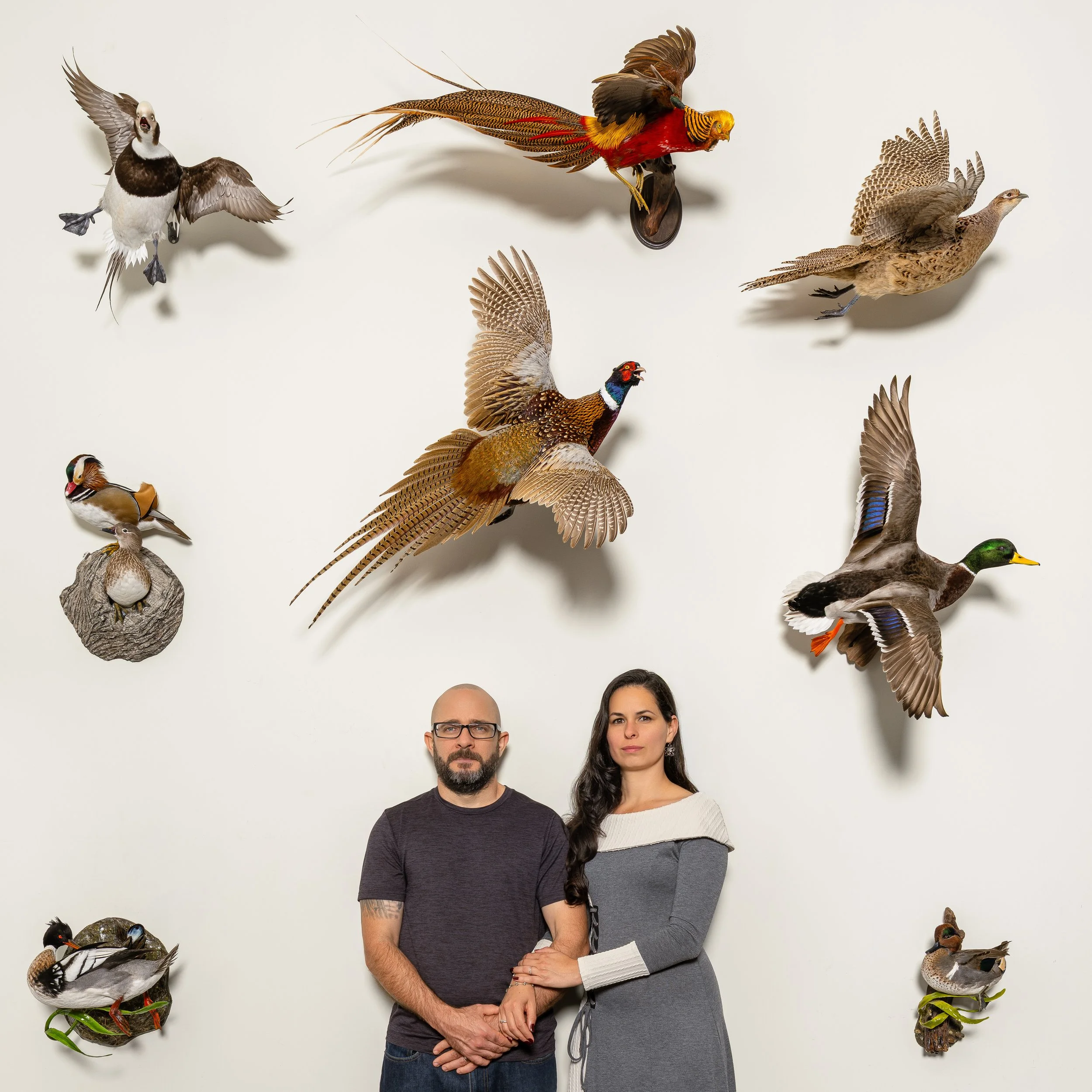
Tomás and Yaira, Aix Taxidermy, Niantic, Connecticut.
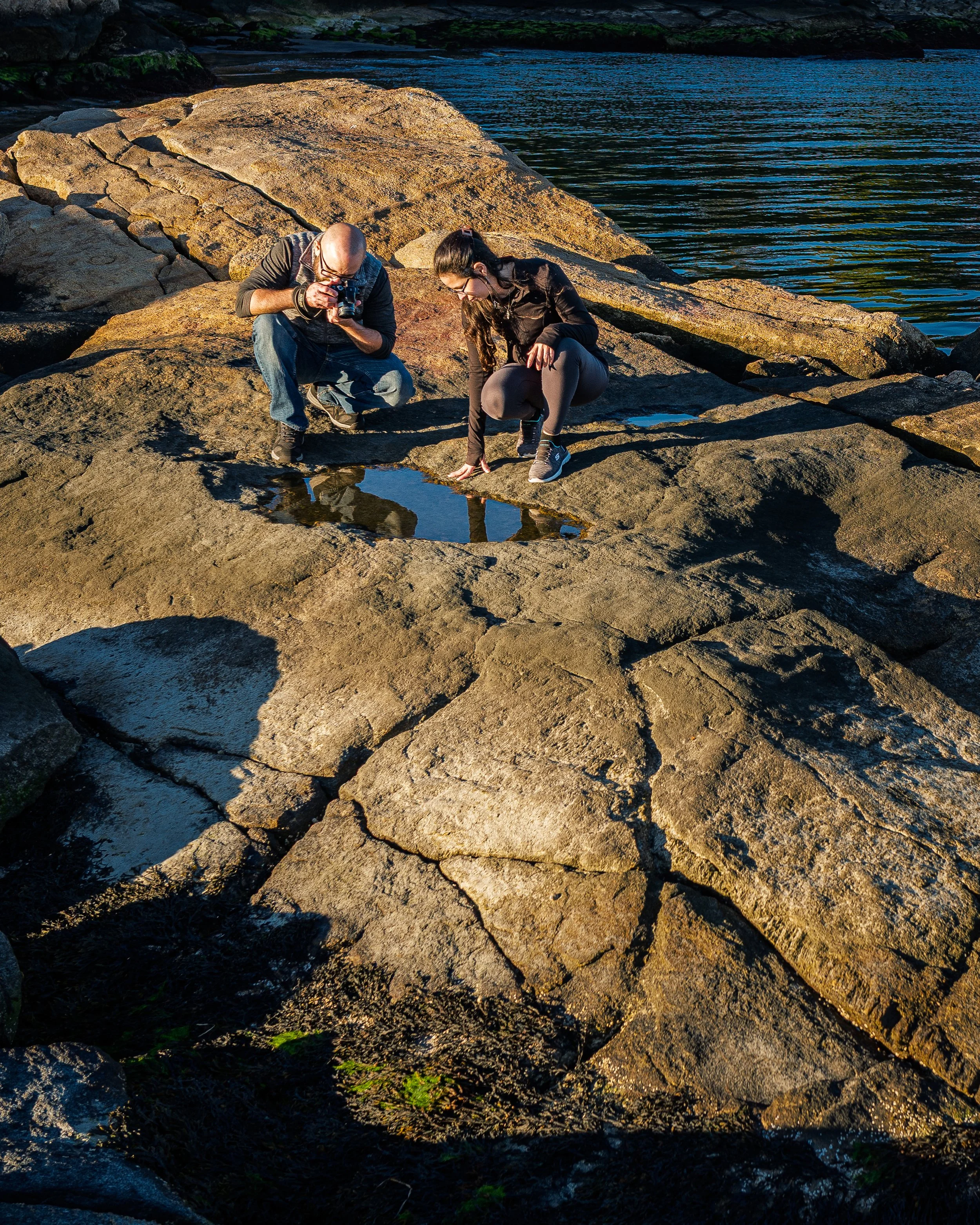
A tide pool at Rocky Neck State Park, and two biologists who can’t walk past one.
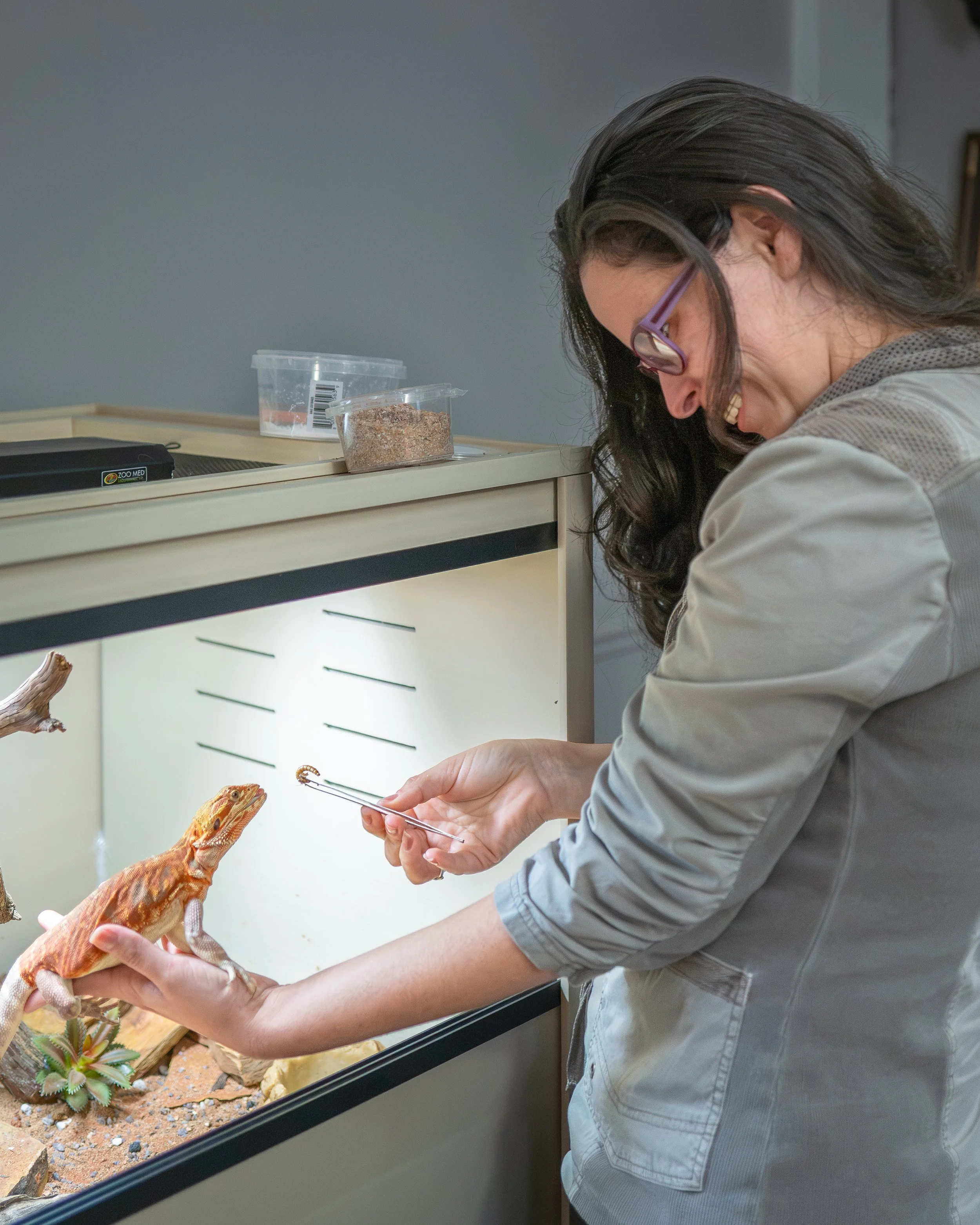
Yaira studied endangered reptiles in Cuba—now one shares the house.
This fall they moved out of the apartment where the business started and into a small house near the shop, with trees outside the window and chipmunks in the yard. Every home before this one was chosen for them by circumstance: his family’s place in Miami, a friend’s house when they first arrived in Connecticut, then an apartment they took because it was close enough to work without a car. By the end, the business had filled most of it, and they were living out of a corner of the bedroom. In Cuba, they say, you could go ten years without anything changing. Here, every time they look back, even a few months, they can see how far they’ve come. Tomás sees it in his own work. A bird he mounted two years ago now shows him flaws he couldn’t see then, and that’s how he knows he’s getting better. He also knows he gave it everything at the time. Early on, other taxidermists told them the extra detail wasn’t worth it because clients would never notice. They did it anyway, and the right clients noticed. On their first morning in the new house, they made coffee and raised a toast.
OLD PRACTICE
The foundation of their craft today.
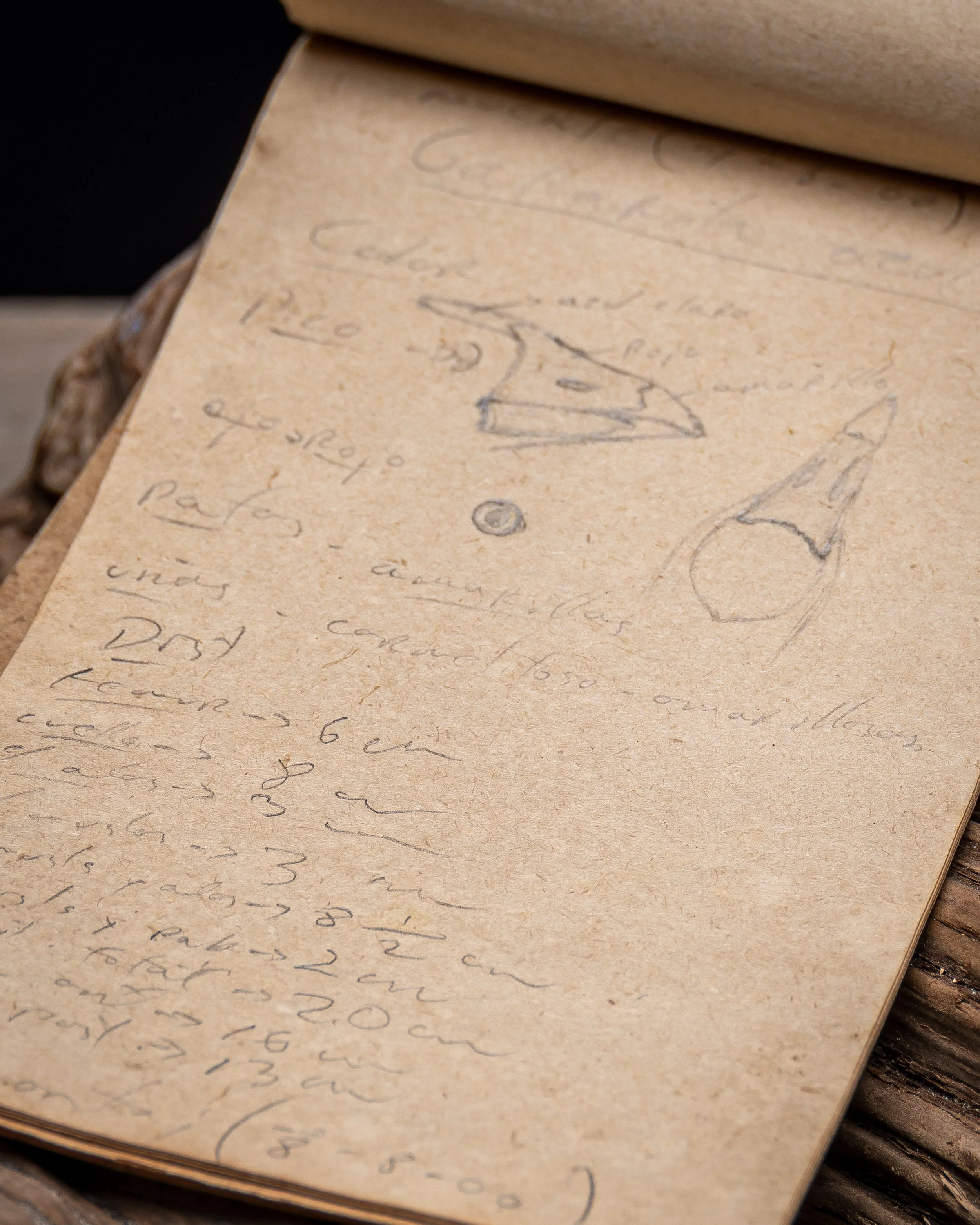
Field notes in Spanish from August 2000, colors and measurements in pencil, kept from their days as biologists in Cuba.
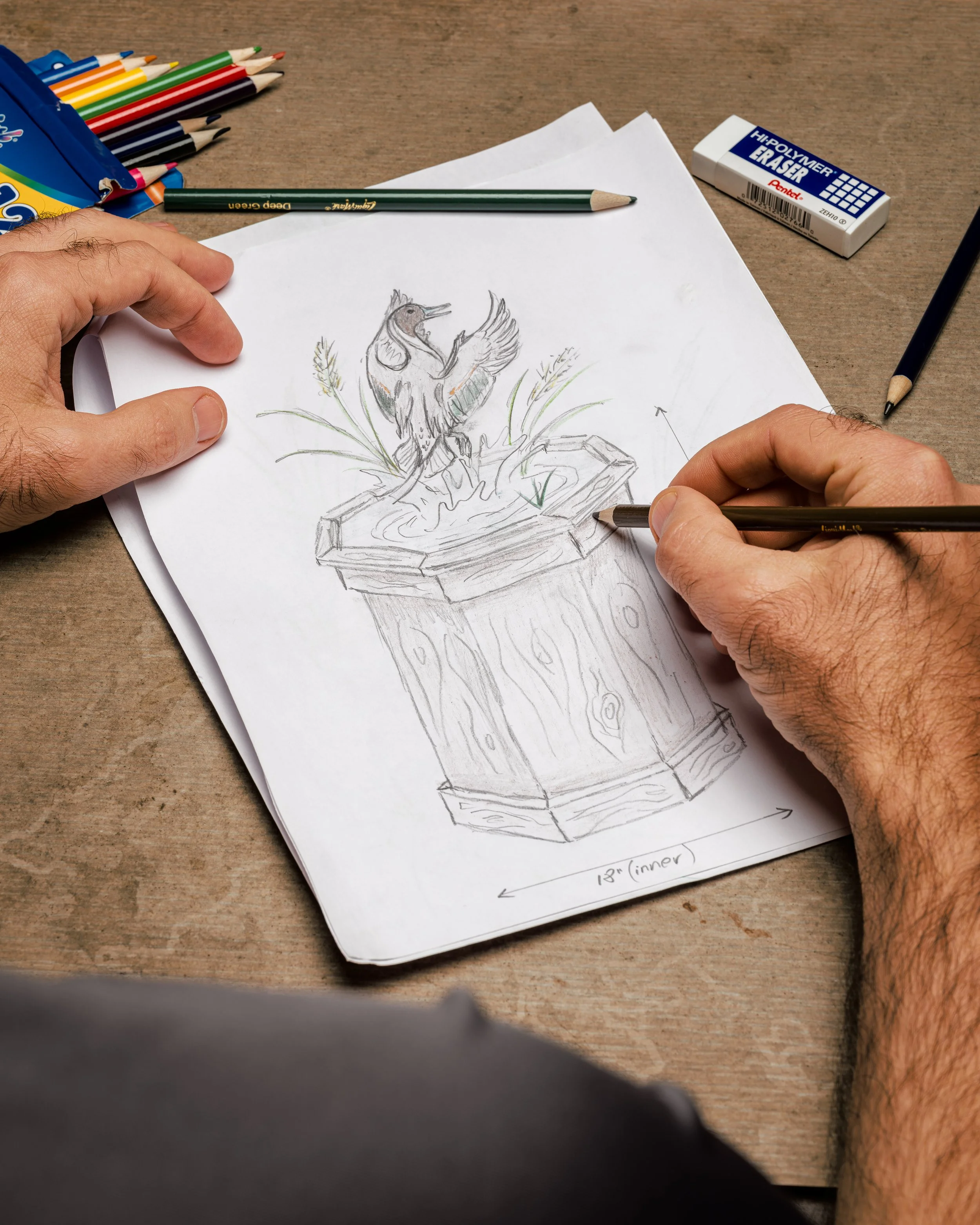
Every mount starts on paper—this one a duck flushing from the water on an 18-inch wide pedestal.
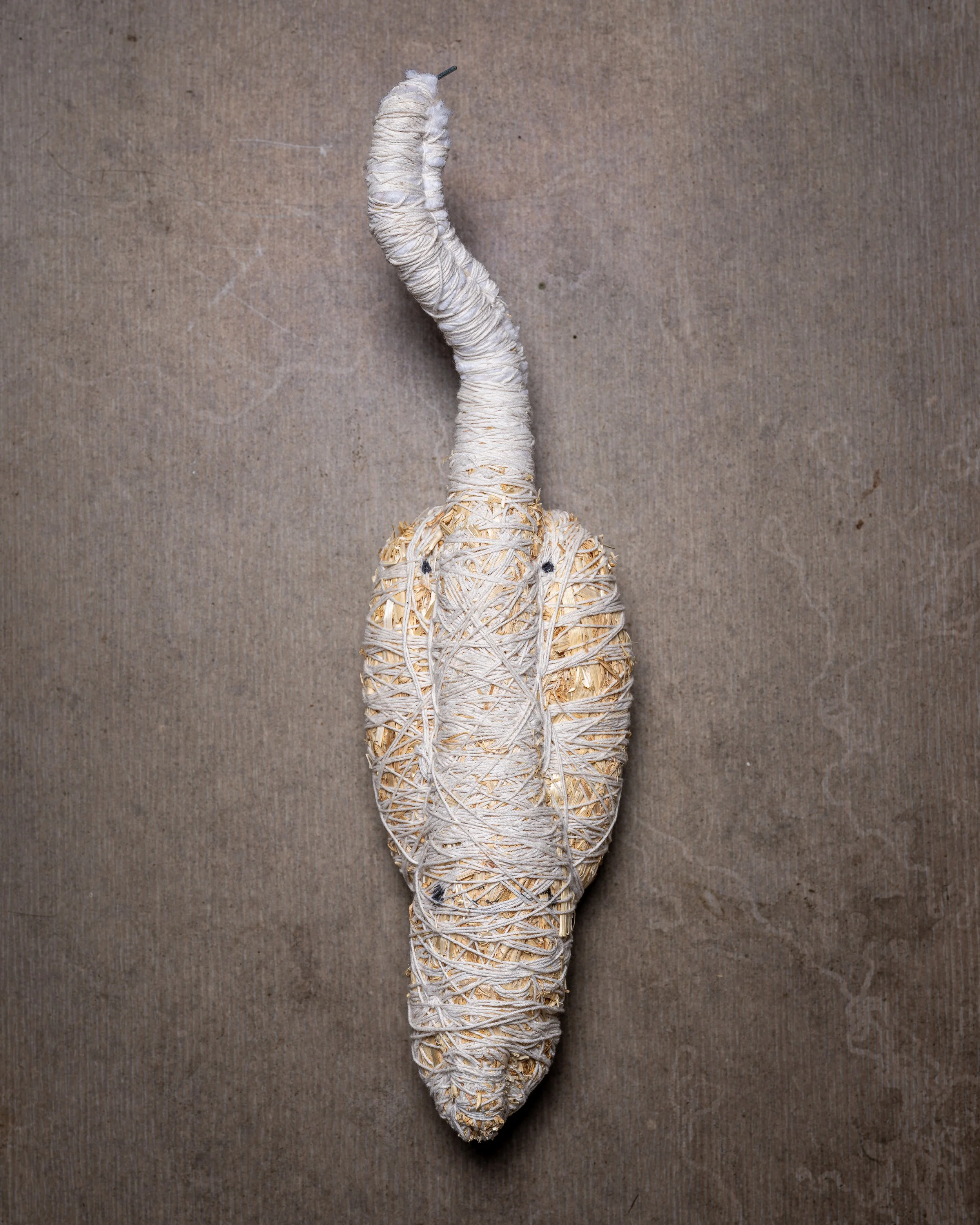
A bird body hand-wrapped in dry grass and cotton thread, an old technique adapted to what was available in Cuba.
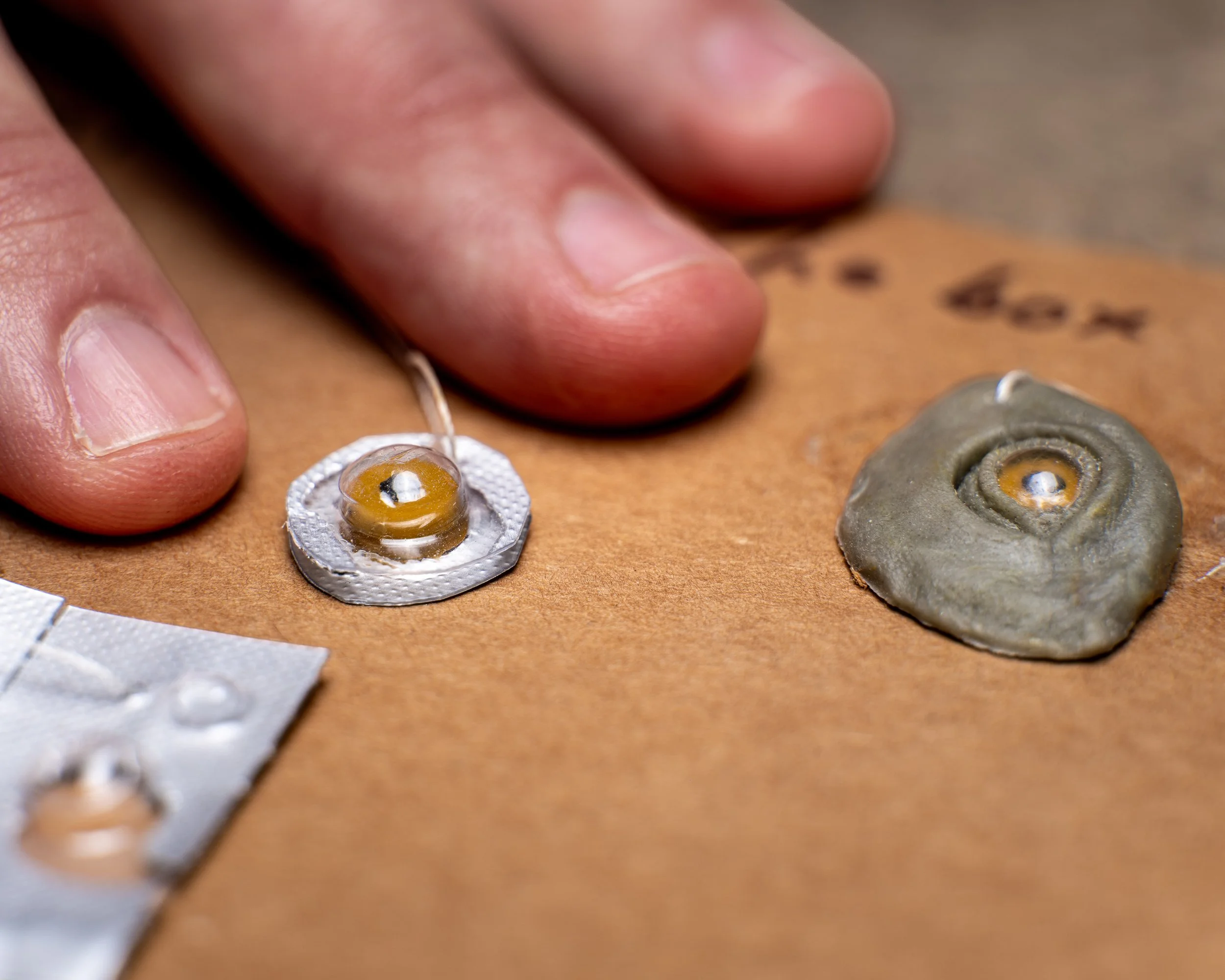
Eyes needed to be more than flat-painted spheres, so a new version emerged, improvised from blister packs to capture some of the depth that gives a bird its spark of life.
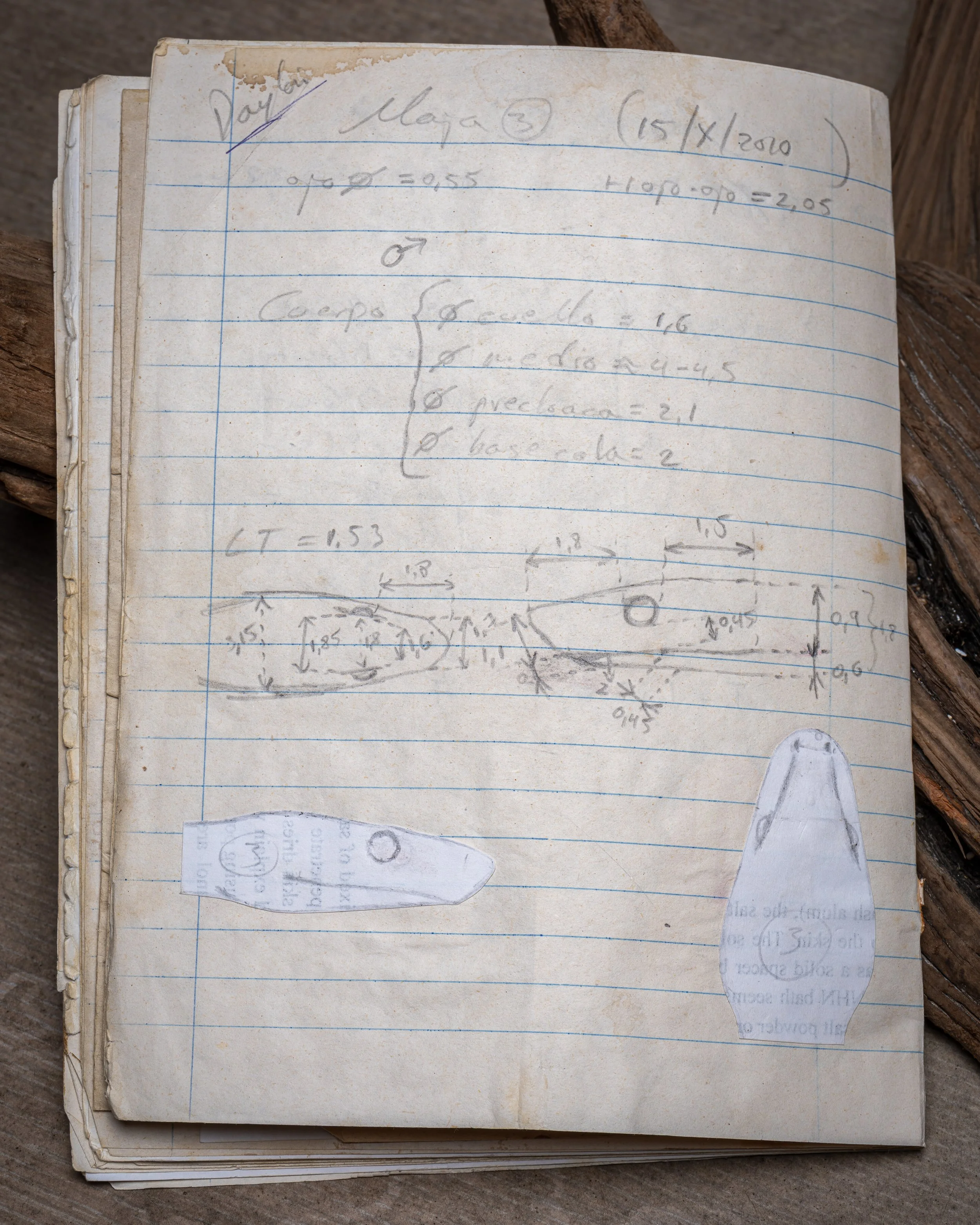
Tomás’s field notebook, Cuba, 2010.
THE WORK
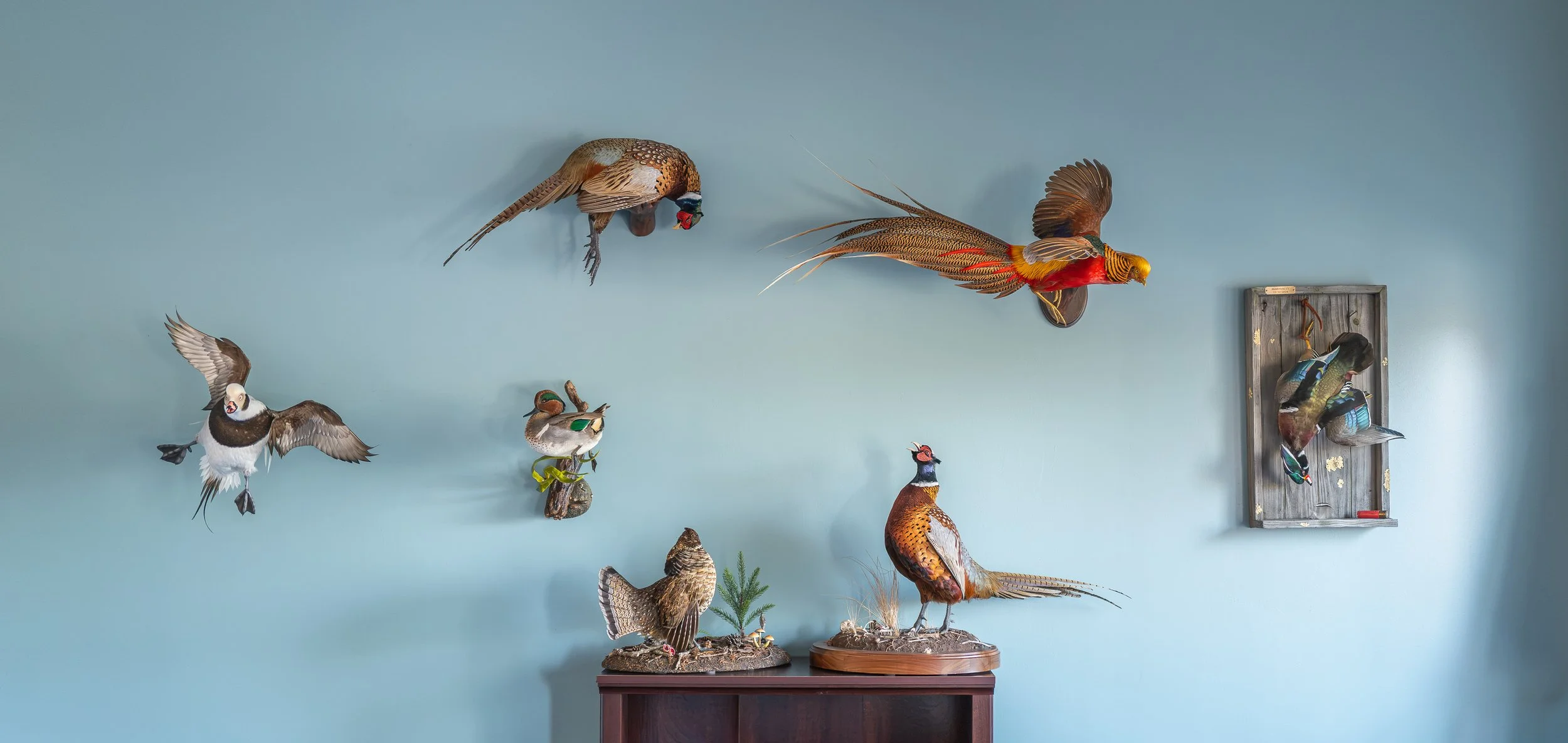
Finished pieces from the shop, photographed in studio.
Every mount at Aix starts with a client’s story. “The bird is a messenger—an ambassador of the story they bring us from the field,” Tomás says. He shapes each mount and Yaira builds its world, and both of them start from natural history. “Biology is knowledge,” Yaira says, “but art is perspective, and we have different points of view.”
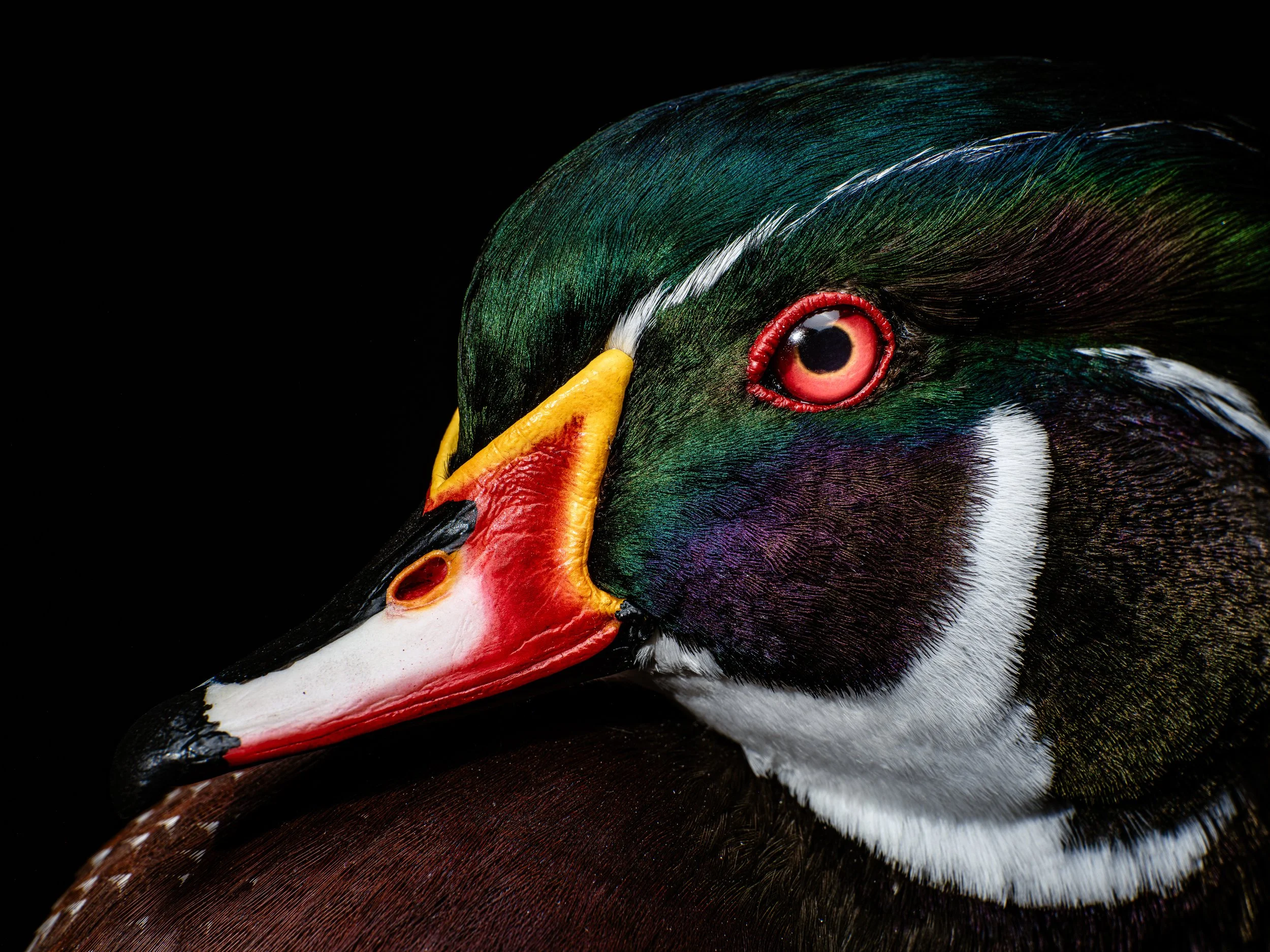
Wood Duck, detail
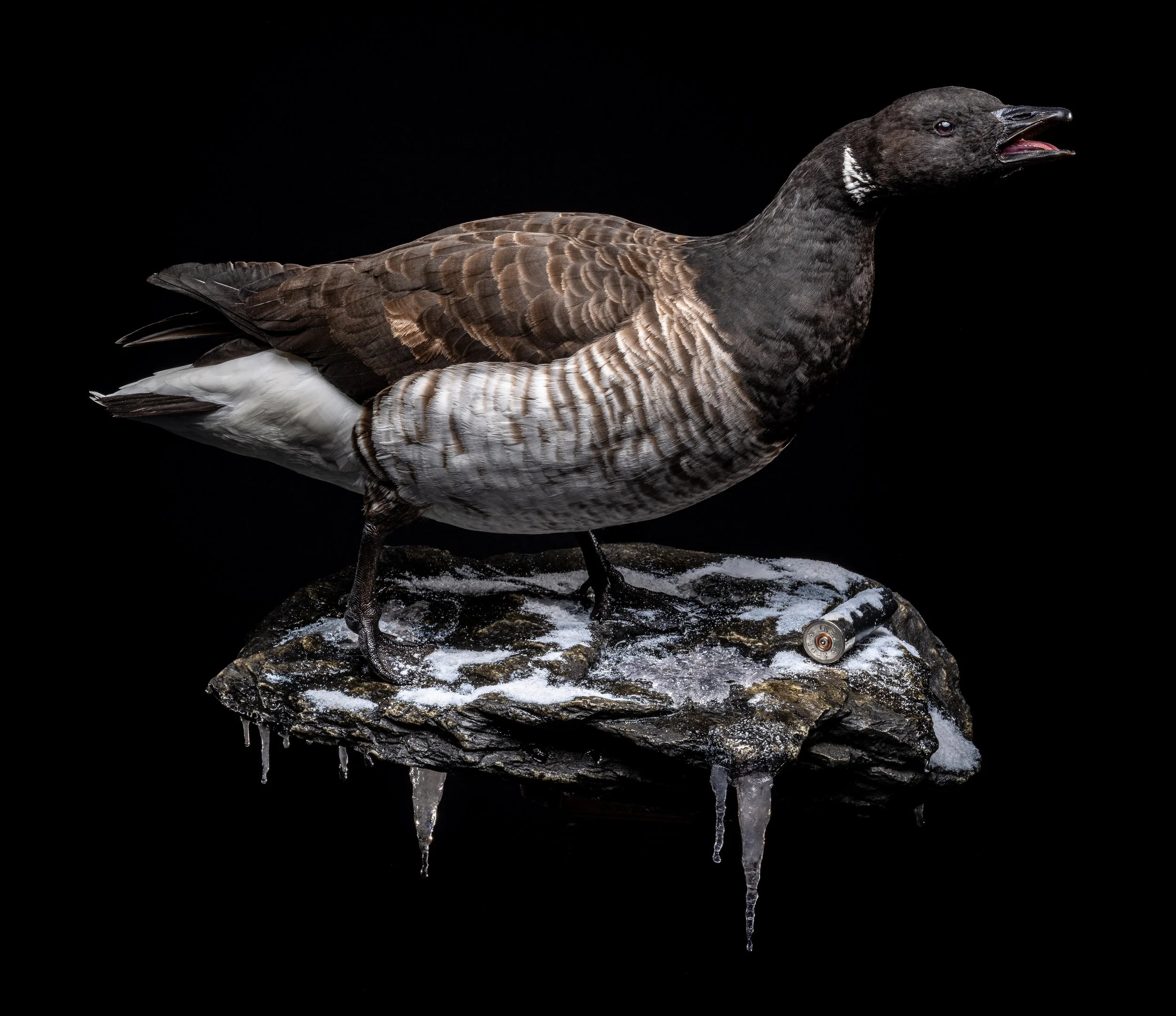
Brant Goose
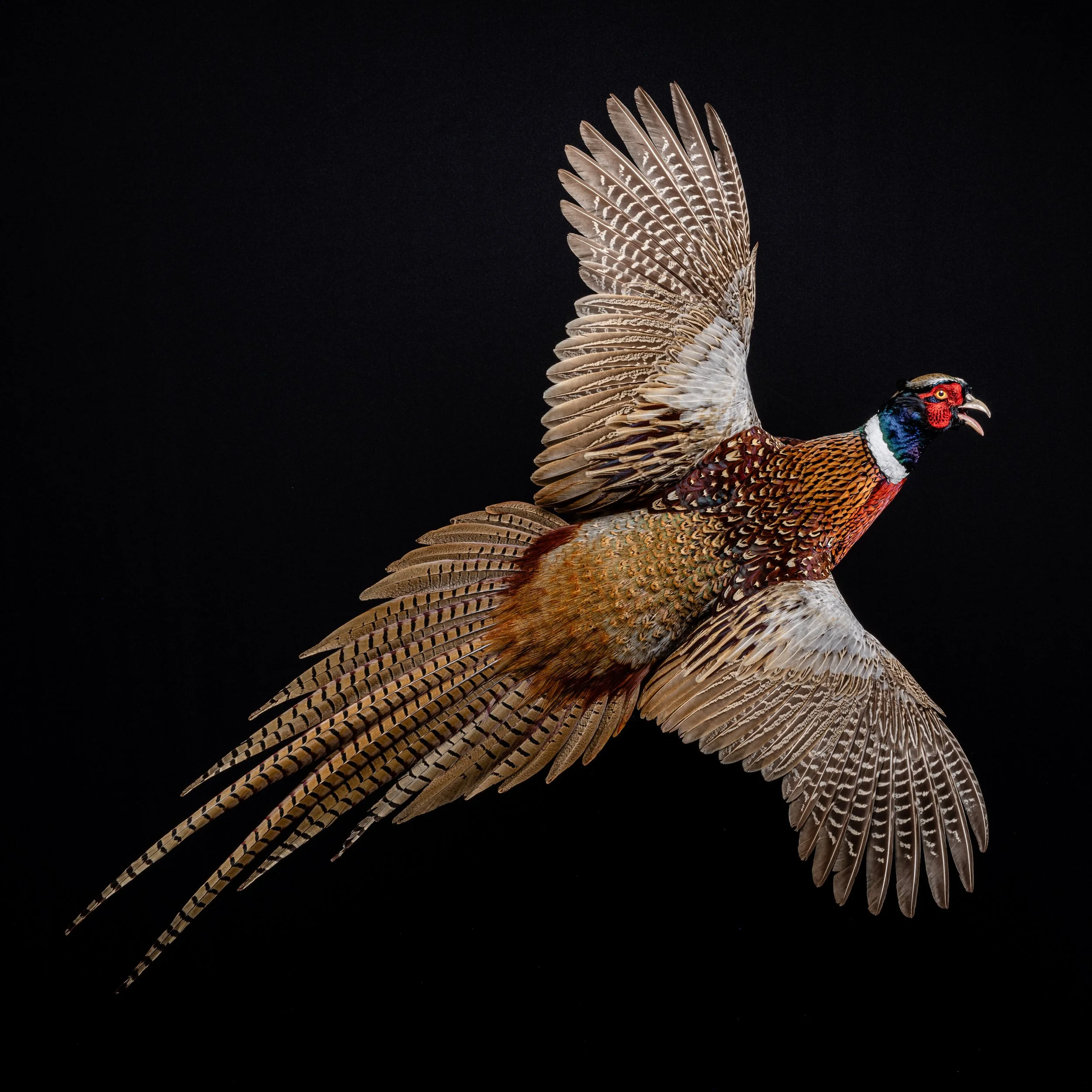
Ring-necked Pheasant
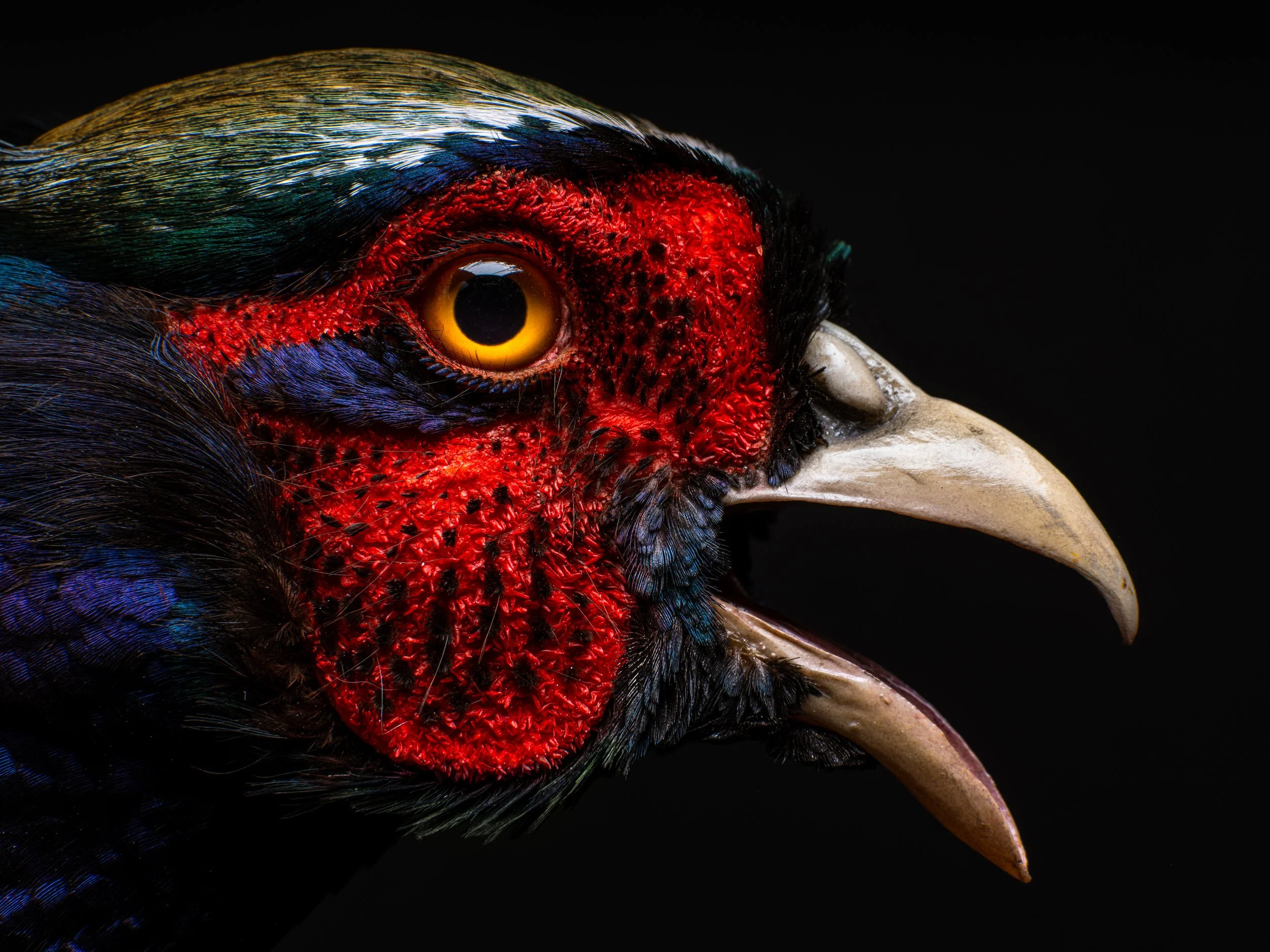
Ring-necked Pheasant, detail
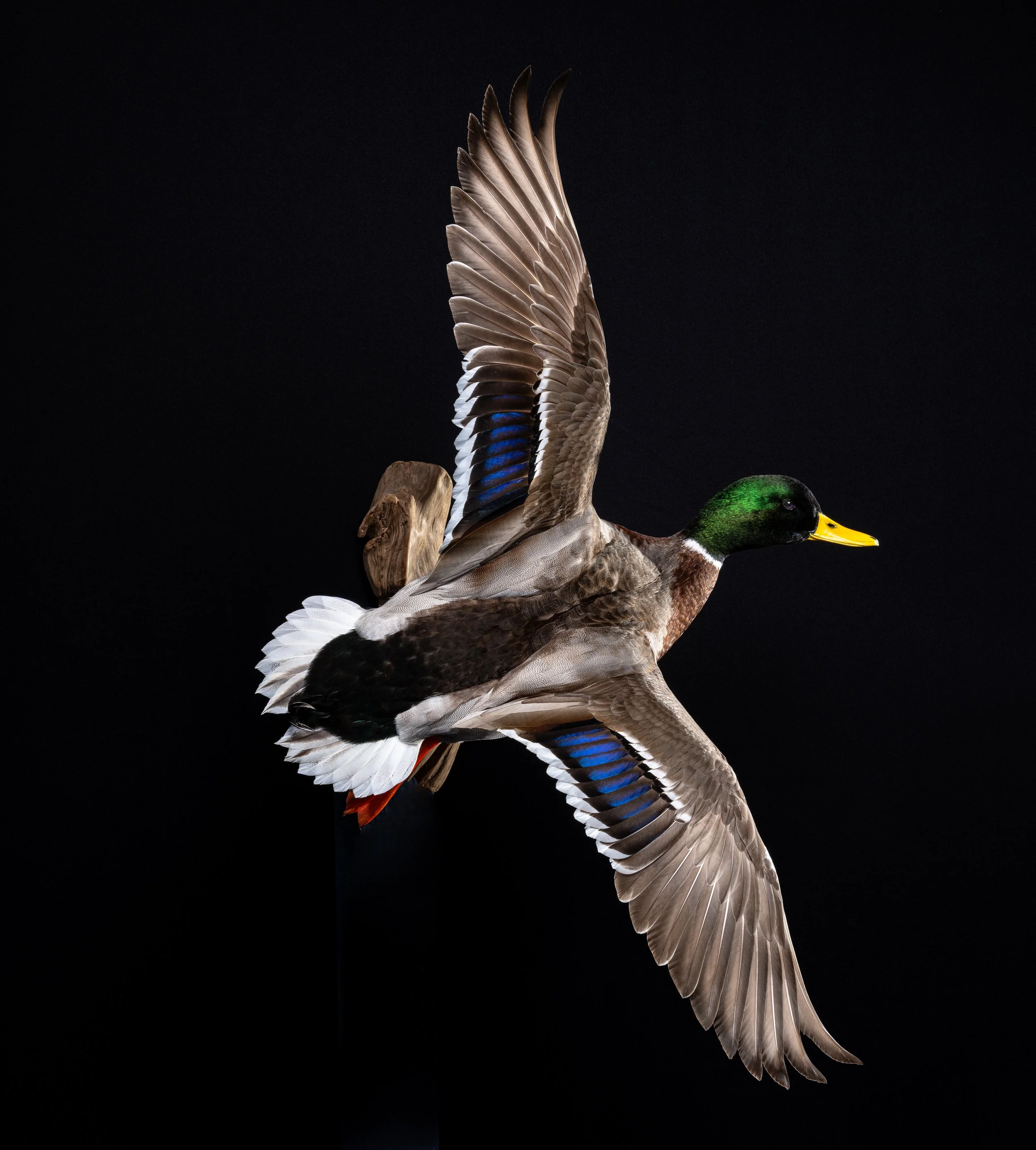
Mallard
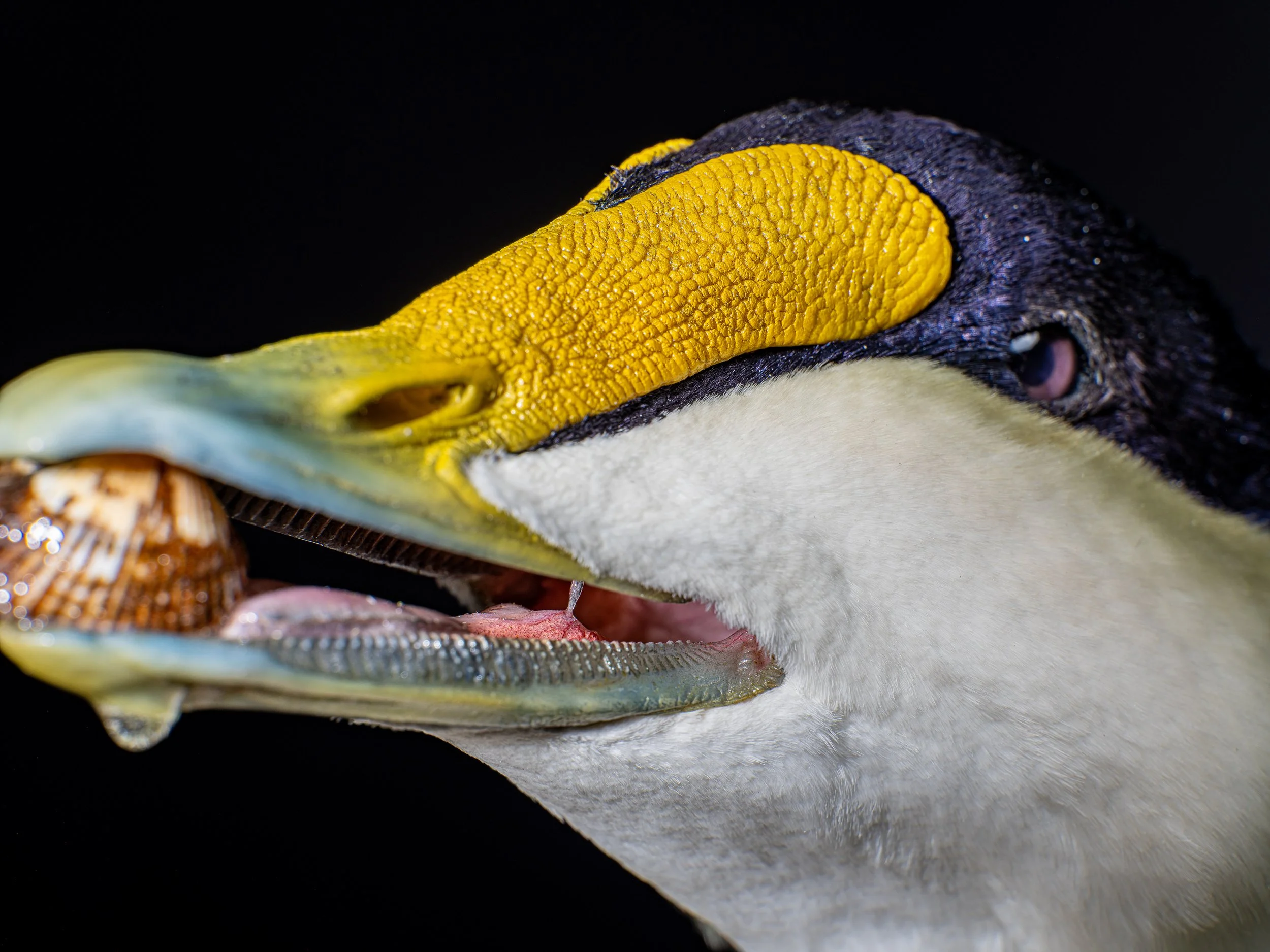
Common Eider, saliva detail
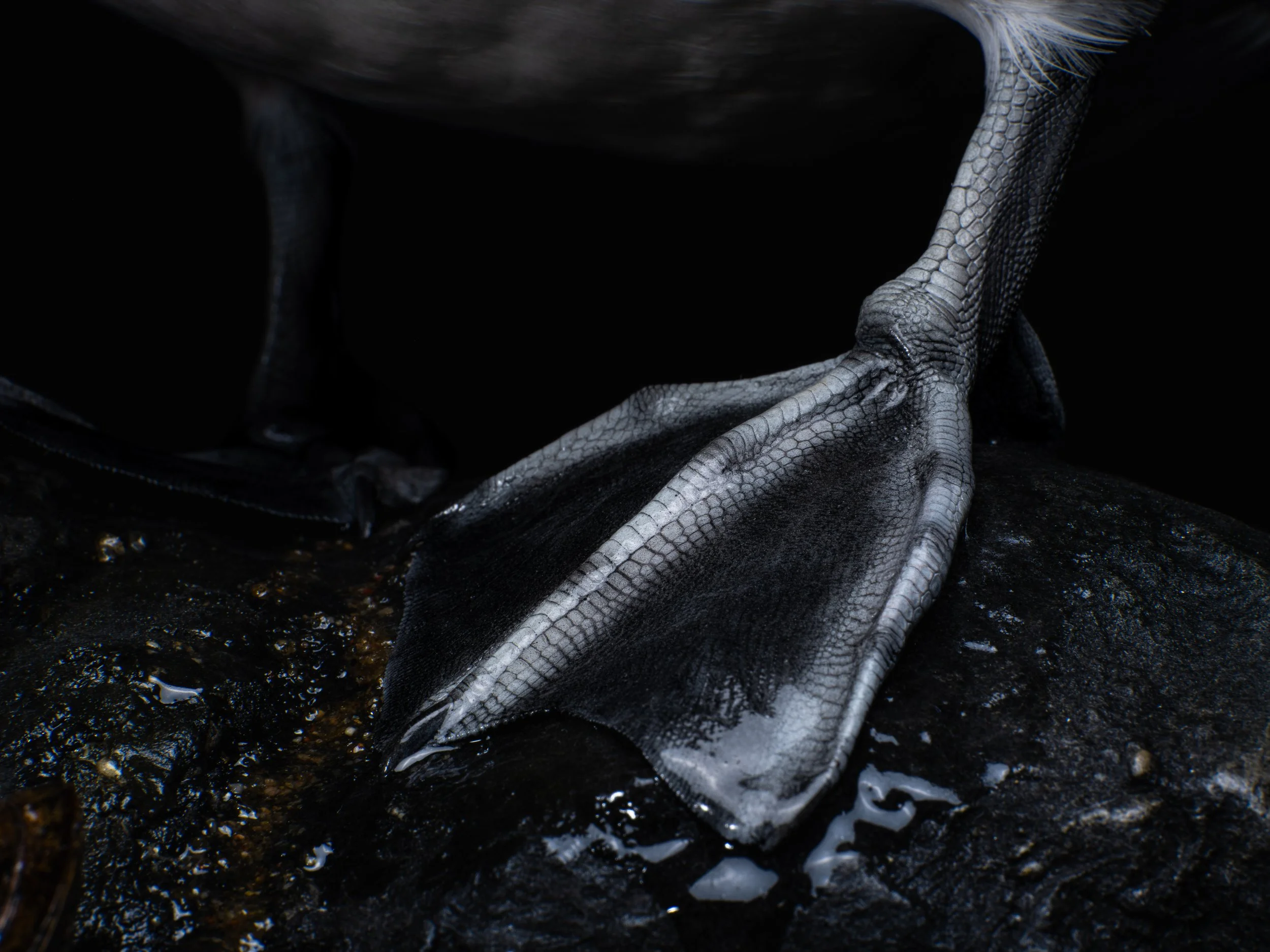
Long-tailed Duck, foot detail
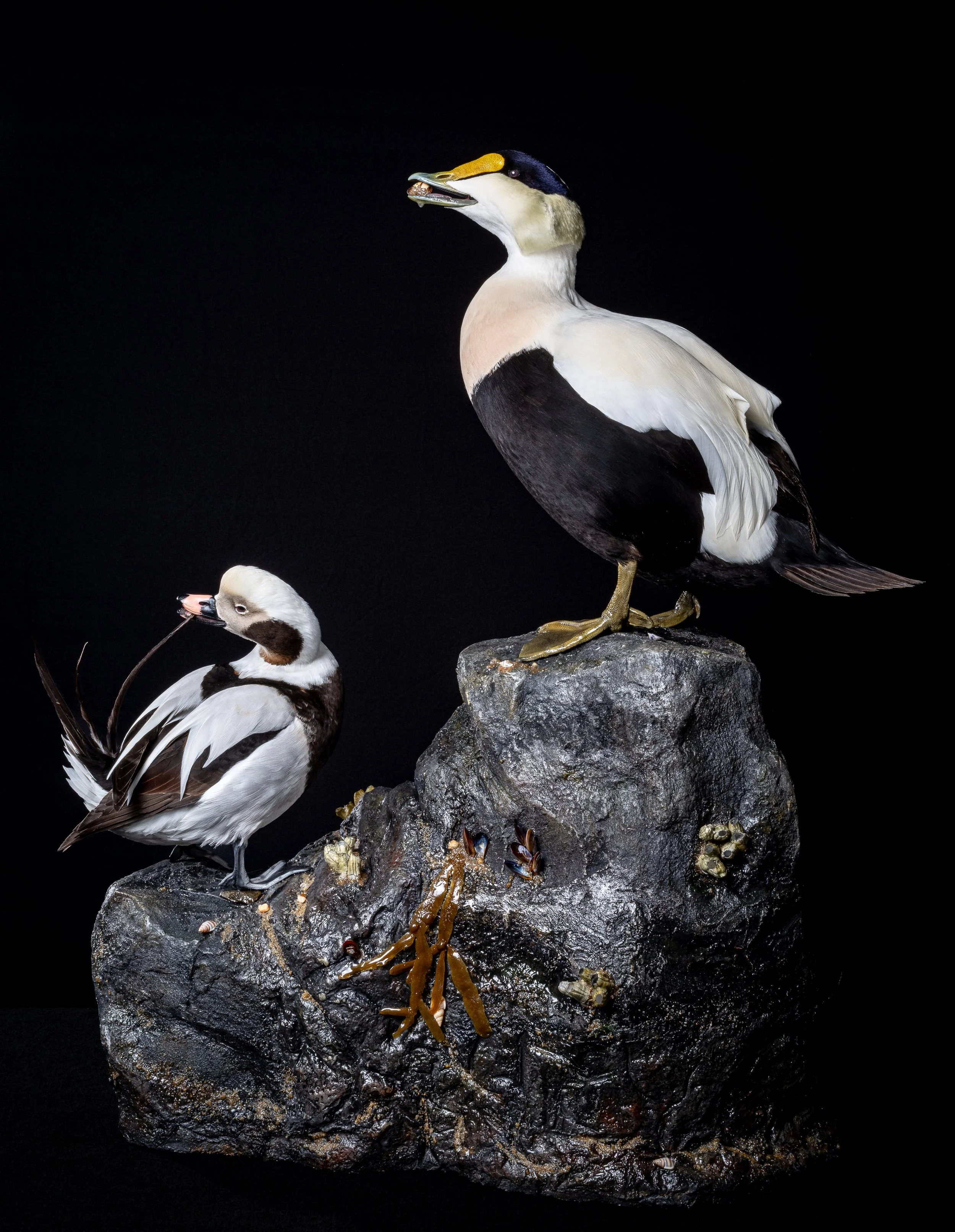
Long-tailed Duck and Common Eider
Tomás and Yaira own and run Aix Taxidermy in Niantic, Connecticut—aixtaxidermy.com