FIELD NOTES
A frame or two or three from wherever the work takes me. From random shots to the ones that didn’t become a project, and everything in between—some I chased down, others were just a great time.
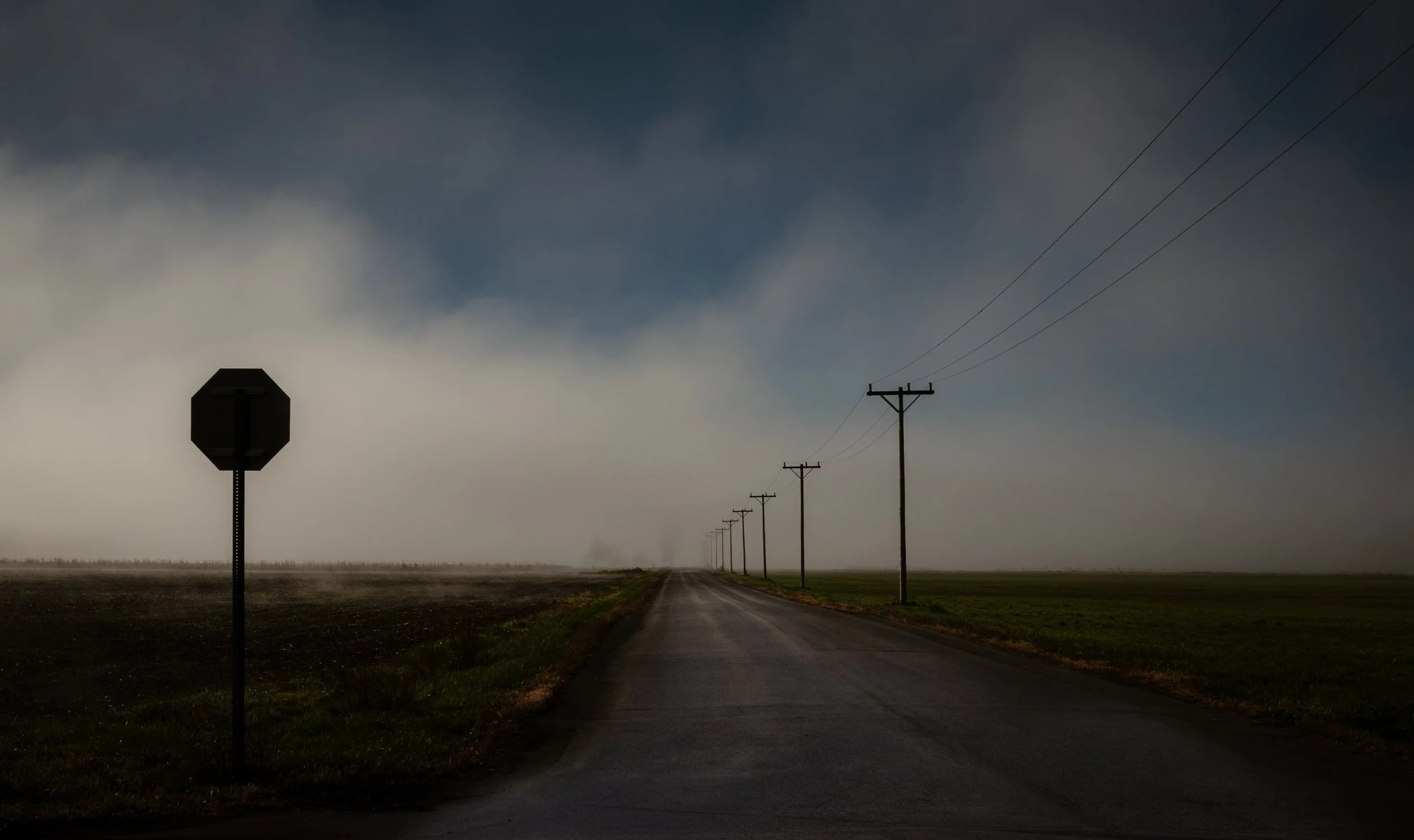
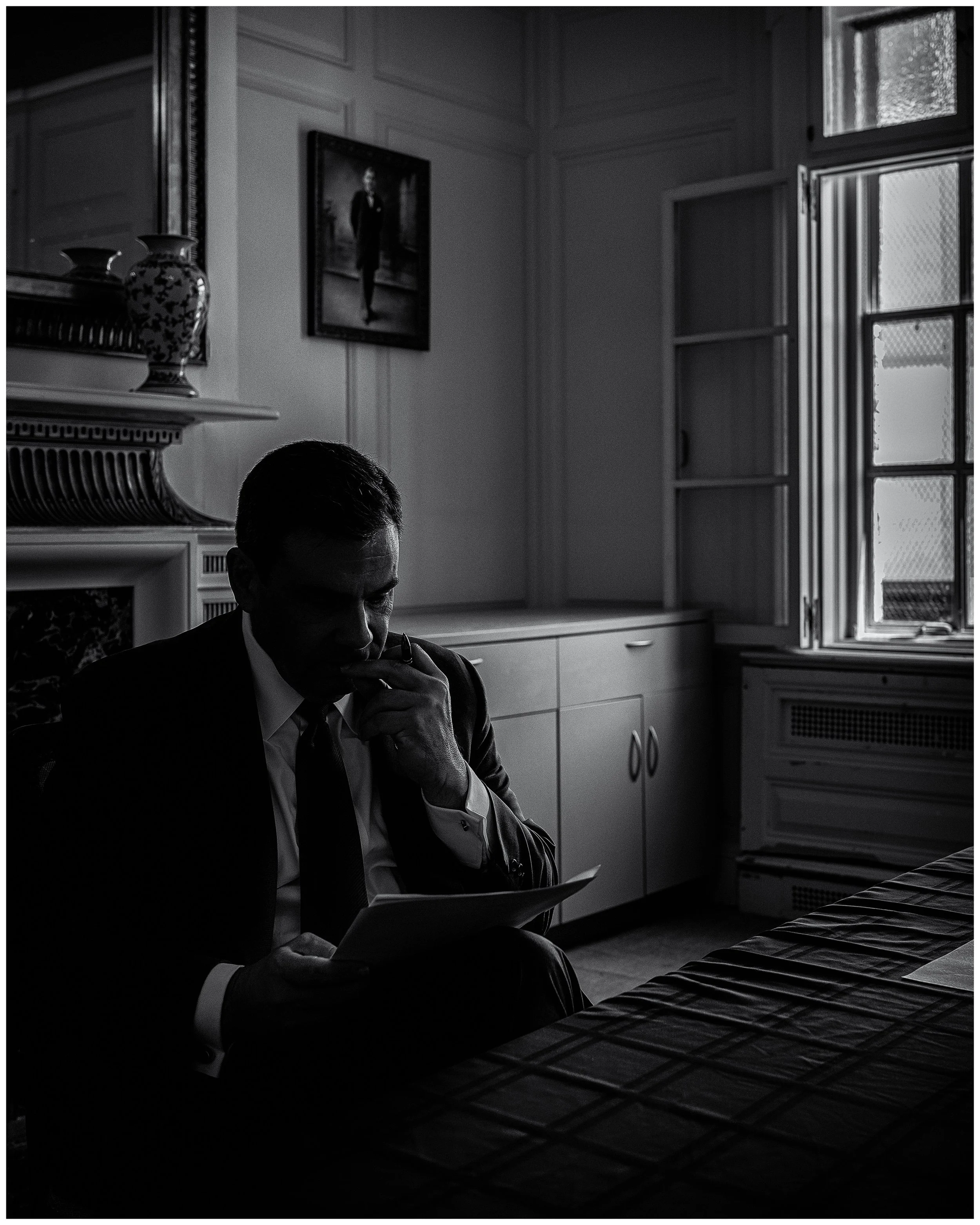
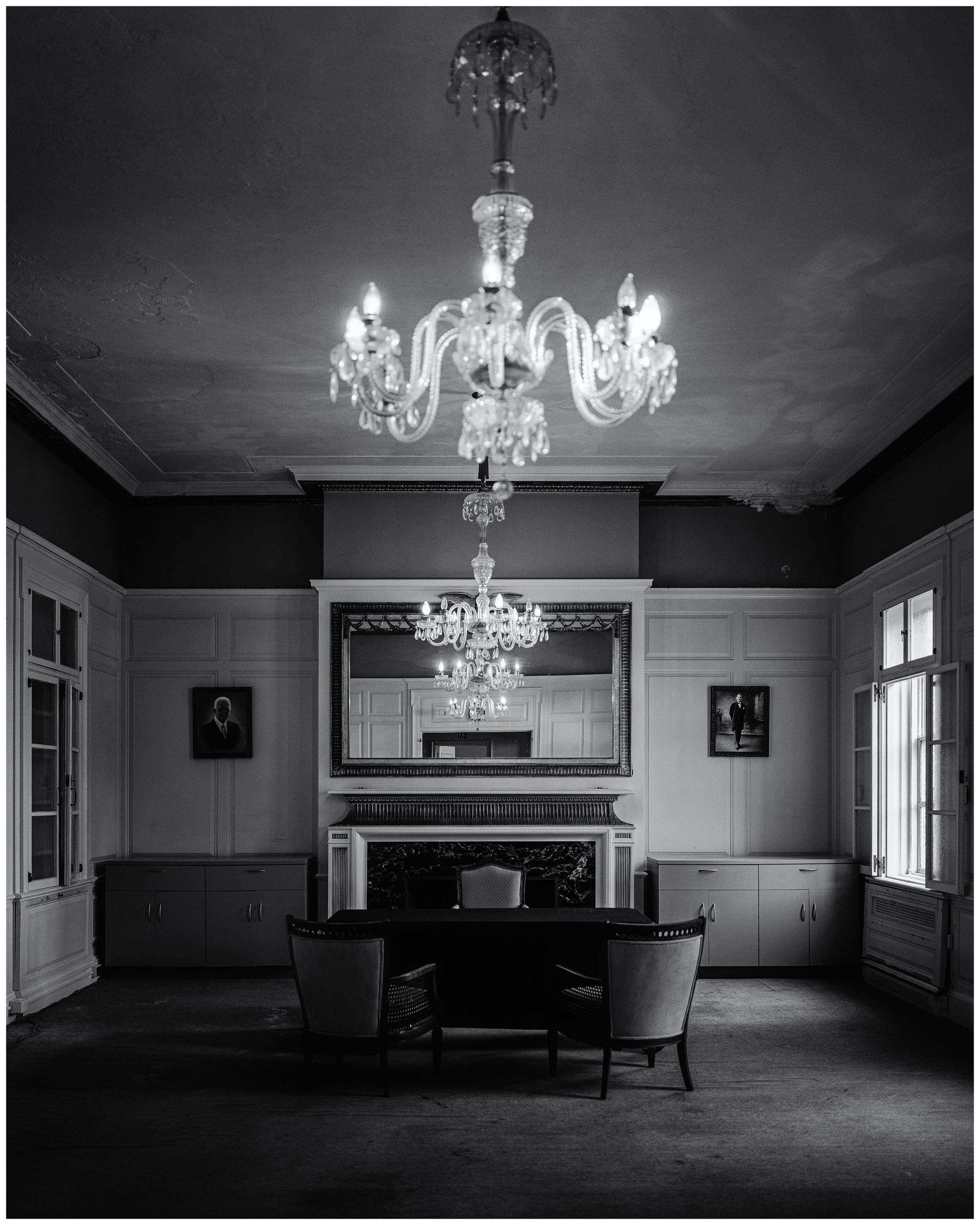
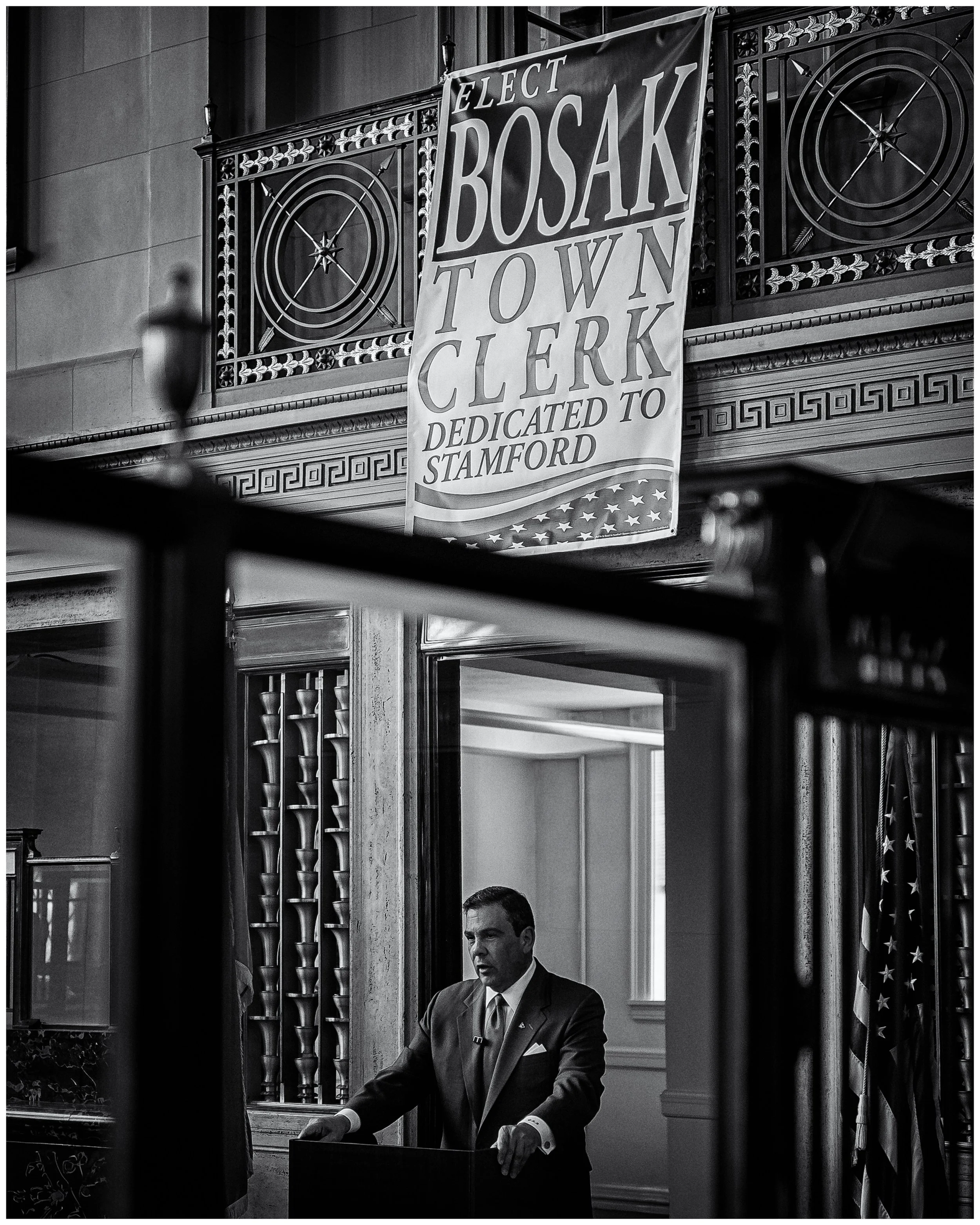
BOSAK FOR TOWN CLERK—STAMFORD, CONNECTICUT—2025
I had the pleasure of being the official campaign photographer for Jerry Bosak’s 2025 run for Stamford Town Clerk. These are a few of my favorite shots from the trail—Jerry preparing for his speech to launch the campaign, and the office where we spent so much of our time, where portraits of his grandfather and late father look on from the walls. Most of the campaign happens in rooms like this—the quiet hours nobody sees, long before the doors open and it’s time to speak.
Leica Q2
ICE FISHERMAN, VERMONT—2022
I was scouting a cover story, and I’d spent days crossing Vermont’s big lakes, hunting ice thick enough for ice fishing and to carry a Jeep. A few hours out, the sun was aiming to set. I was out driving on the ice, stopped, and started walking the frozen surface when I walked up on him—alone, line set, working the last of the light.
We fell into conversation. He let me make his portrait, and showed off the fish he was pulling up. We stood out there together for the better part of an hour. I thanked him for the company and for sharing his personal story. Then I moved on, traveled north across the lake with my Jeep parked far behind.
Leica Q2
AFTER THE ENCORE—LONDON, 1995
The birthday tour with Billy Joel and Elton John. When the house lights came up I stayed behind a few days, alone, and wandered downtown London—Hyde Park by day, the streets by night.
Three favorites—grain and motion in homage to Alfred Stieglitz.
Leica M6 · Tri-X
A BUDDHIST MONASTERY, NORTHERN CALIFORNIA—1995—THE END OF THE ROAD
A colleague and I had flown out to California early, before the main shoot, and were driving the production van down back roads in the mountains looking for something to photograph when it broke down—no cars for an hour on an empty stretch. Then one pulled up behind us. The driver asked if we needed help, said to jump in, and we came to a dead end and this monastery—a closed community that doesn’t take visitors. They welcomed us in and gave us the whole day: unprecedented access, rooms most people never see. Near the end they brought us down to the meditation temple. This is that—and the man who stopped on that empty road and brought us in.
Pentax 6×7 · Provia
NICK THE KNIFE—CORNWALL, CONNECTICUT—2025
A friend introduced us over lunch, and I ended up spending the day with Nick the Knife—he sharpens them professionally, but that’s only one of his lives. He’s a photographer with a deep collection of old cameras, and he collects and repairs antique typewriters. Here he is behind one of his own cameras—one craft of many.
Leica Q2
US STEEL, BRADDOCK, PENNSYLVANIA—2015—THROUGH THE GLASS
I’ve made the trip to Braddock a few times, just southeast of Pittsburgh. Whatever you’ve heard about the town, the US Steel plant is something else in person—it runs for acres, bigger than what’s left of the borough around it. I’ve shot it mostly at night. By day it’s a few roads and a lot of empty buildings, at least the last time I was through. Natural frame, straight out of camera—a slow shutter from the moving Jeep, the flag a reflection across the stacks.
Fujifilm X-T1
FRANKIE—NEW HAMPSHIRE—1993
Three of us—Dave, Rob, and me, roommates out of college—took a forty-eight-hour drive from Maine to New Hampshire with cameras and no plan. On a back road we passed an old man walking in a top hat and baggy clothes. We turned around.
We stopped and introduced ourselves, then drove him home. Told him we were three photographers and asked to spend a little time with him. He lit up, asked where we wanted him, and started tap dancing in the kitchen. The hat, the harmonica, the tap step—that was Frankie. He’d worked the wool mill most of his life, and that’s where he lost his right arm. He was living on fumes now, in a run-down house, and none of that was the first thing you saw. The grin was.
We spent the whole day. I sat him by the big kitchen window and let the soft daylight pour in. Asked him to play, because the harmonica was half of who he was. I kept the missing arm in shadow.
We traded addresses and never quite stopped. Holidays I’d drive up with clothes, take him to barbecues around the area. One night I brought him to Bellows Falls station and made his picture under the sign.
We stayed in touch until he passed.
Leica M6 · Tri-X—Pentax 6×7 · Tri-X
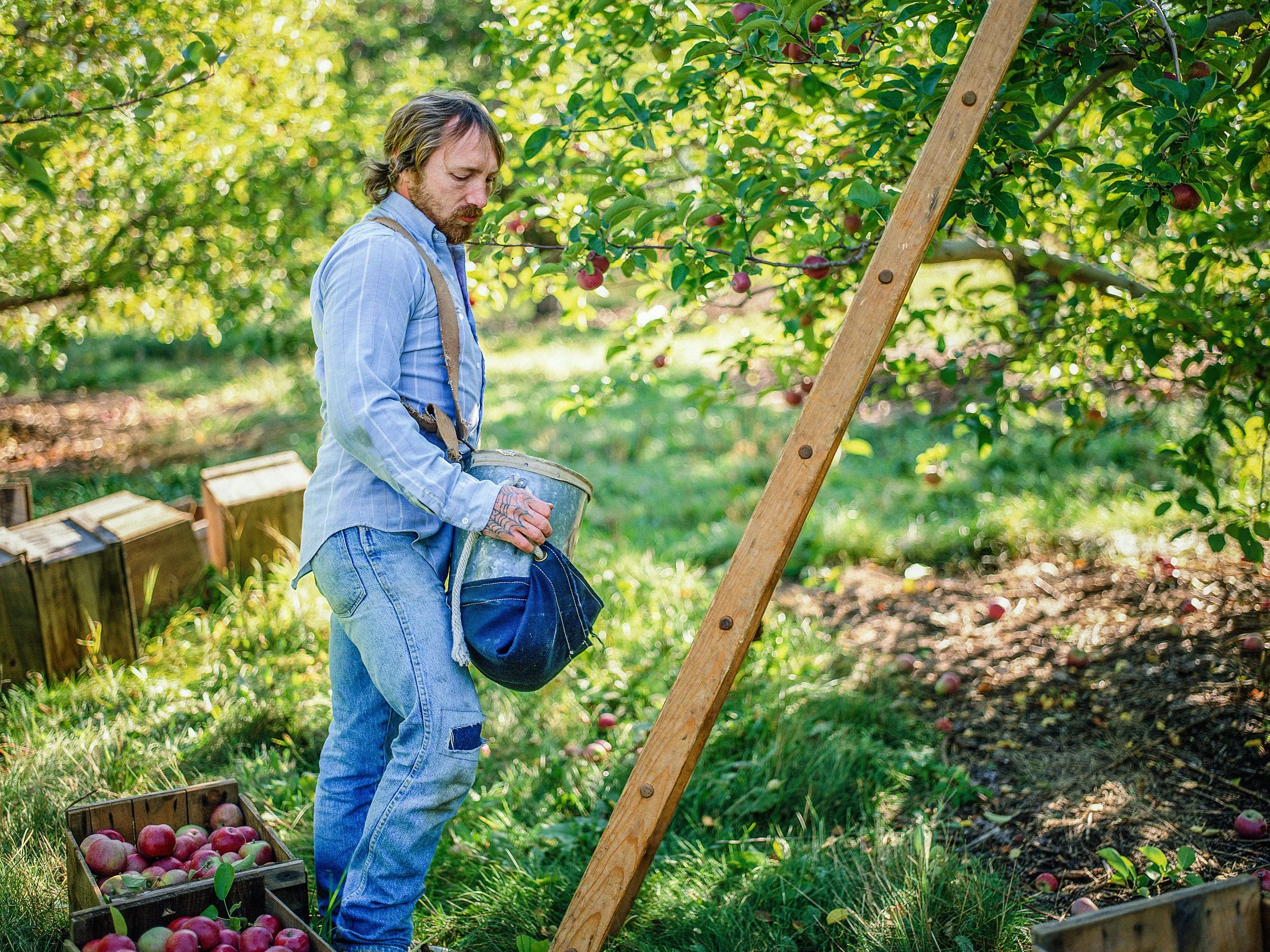
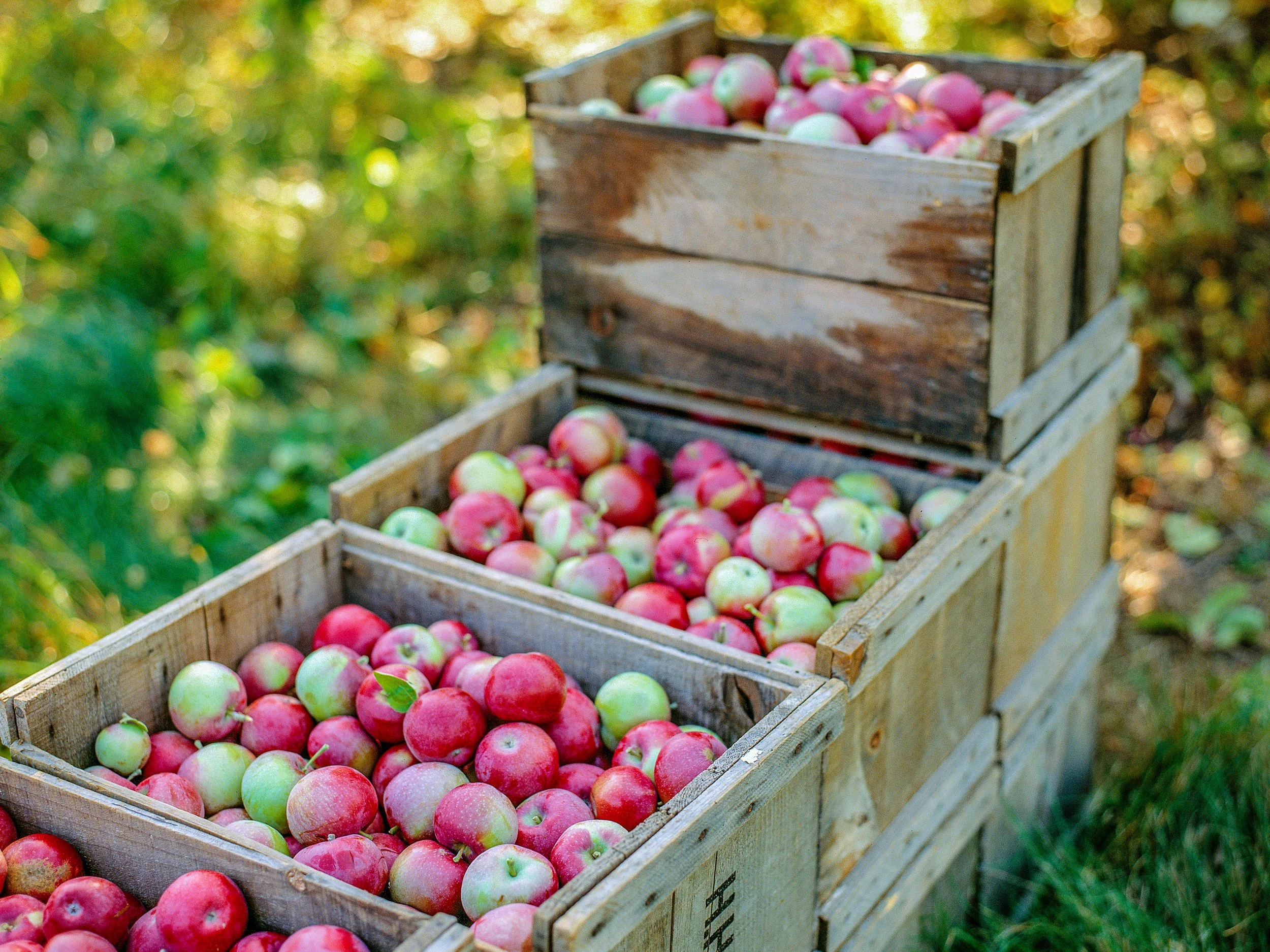
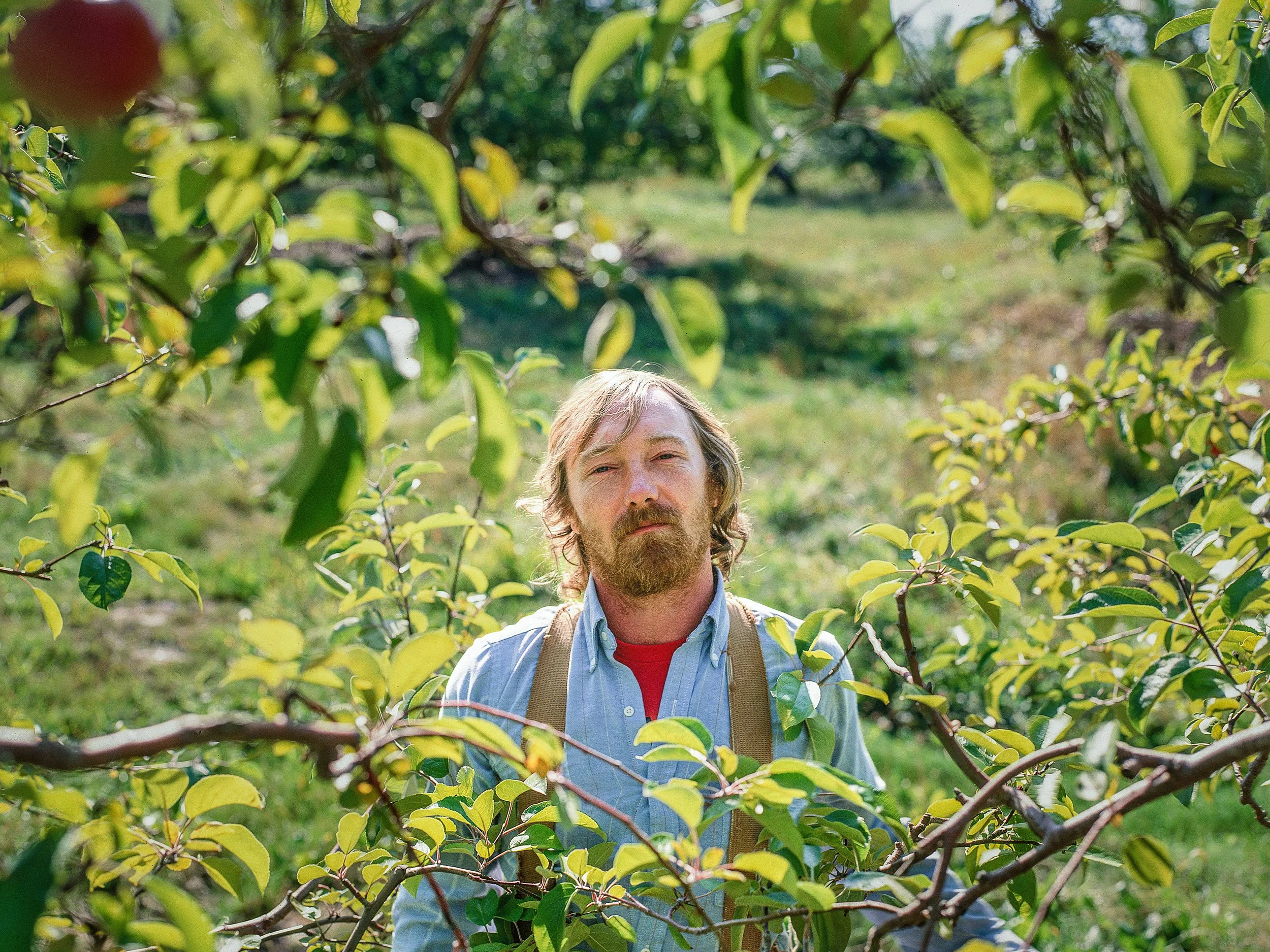
CONANT APPLE ORCHARDS, ETNA, MAINE—1994
Followed one of the pickers for a few days. Migrant, seasonal—moves wherever the work opens up and doesn’t stay long. Wouldn’t give his name on the record. Wouldn’t let me write anything down while we talked. For the notes I’m calling him Dave.
Quiet the whole time, but not unfriendly. We shared lunch and some personal conversation, and he took an interest in why I document strangers like himself. Off the record he was a kind man. My read was that he was running from something—never asked, he never said. What he’d allow: photograph the work, talk with the notebook closed. So that’s what I’ve got. No biography, no history, no next stop. Just the days in a row.
Pentax 6×7 · Provia
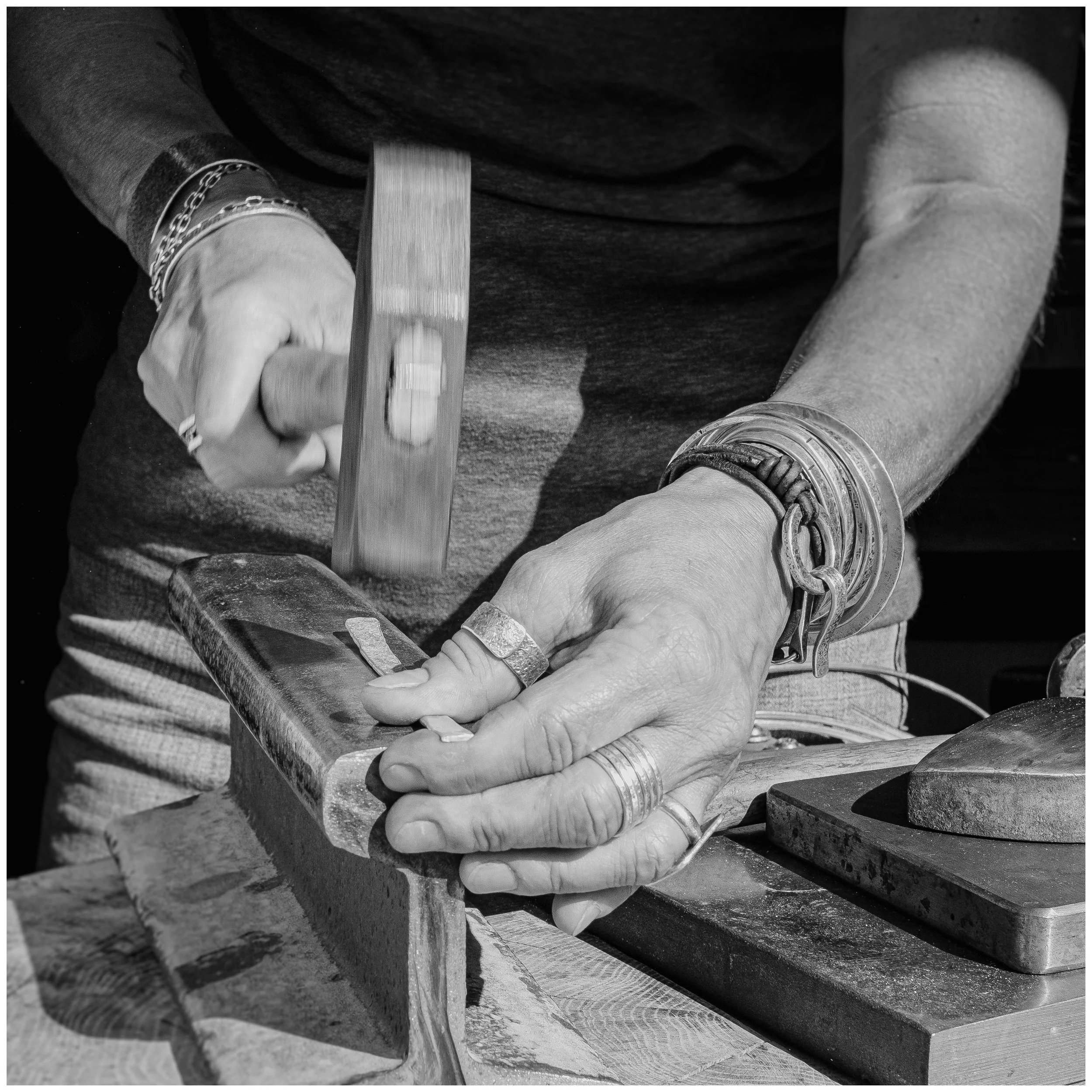
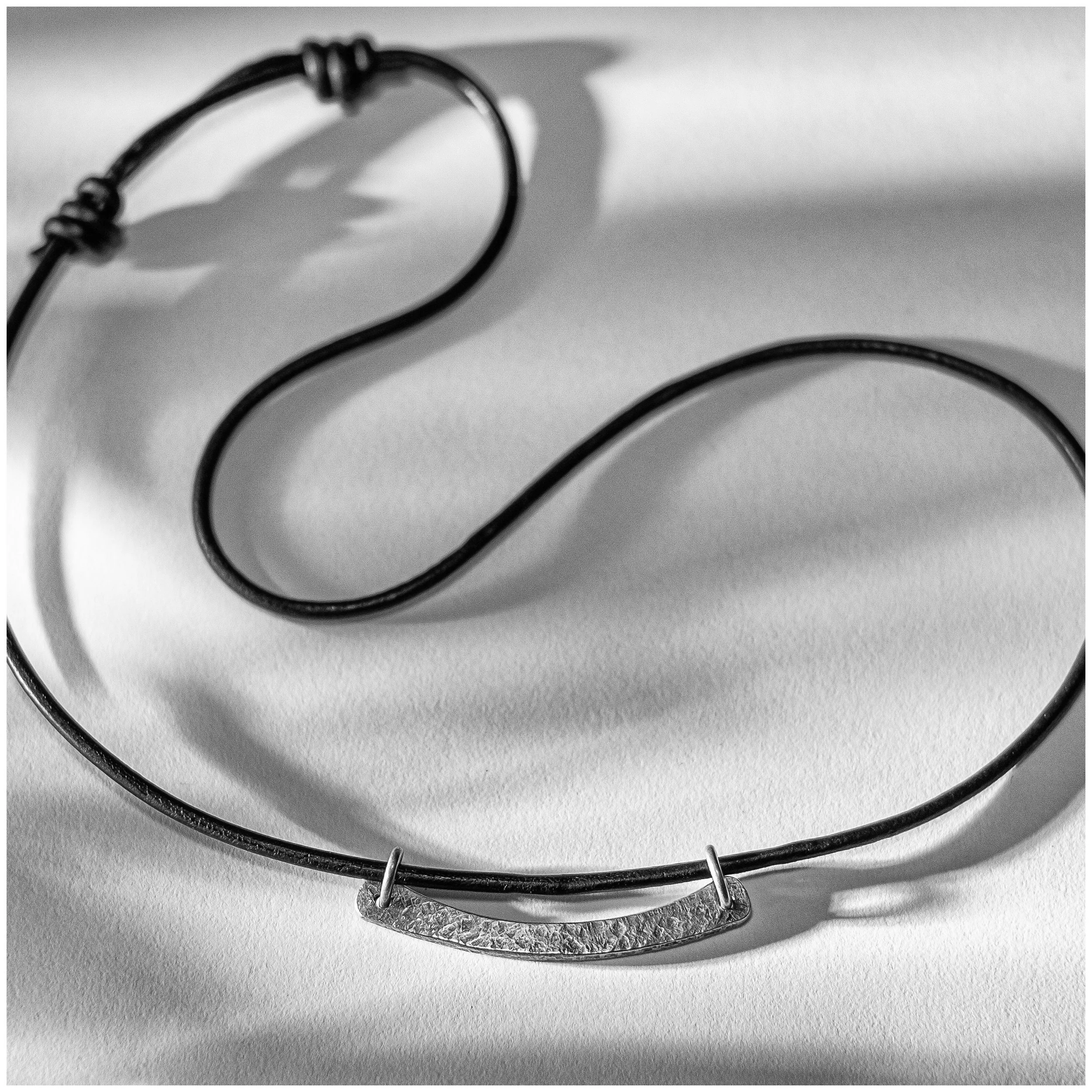
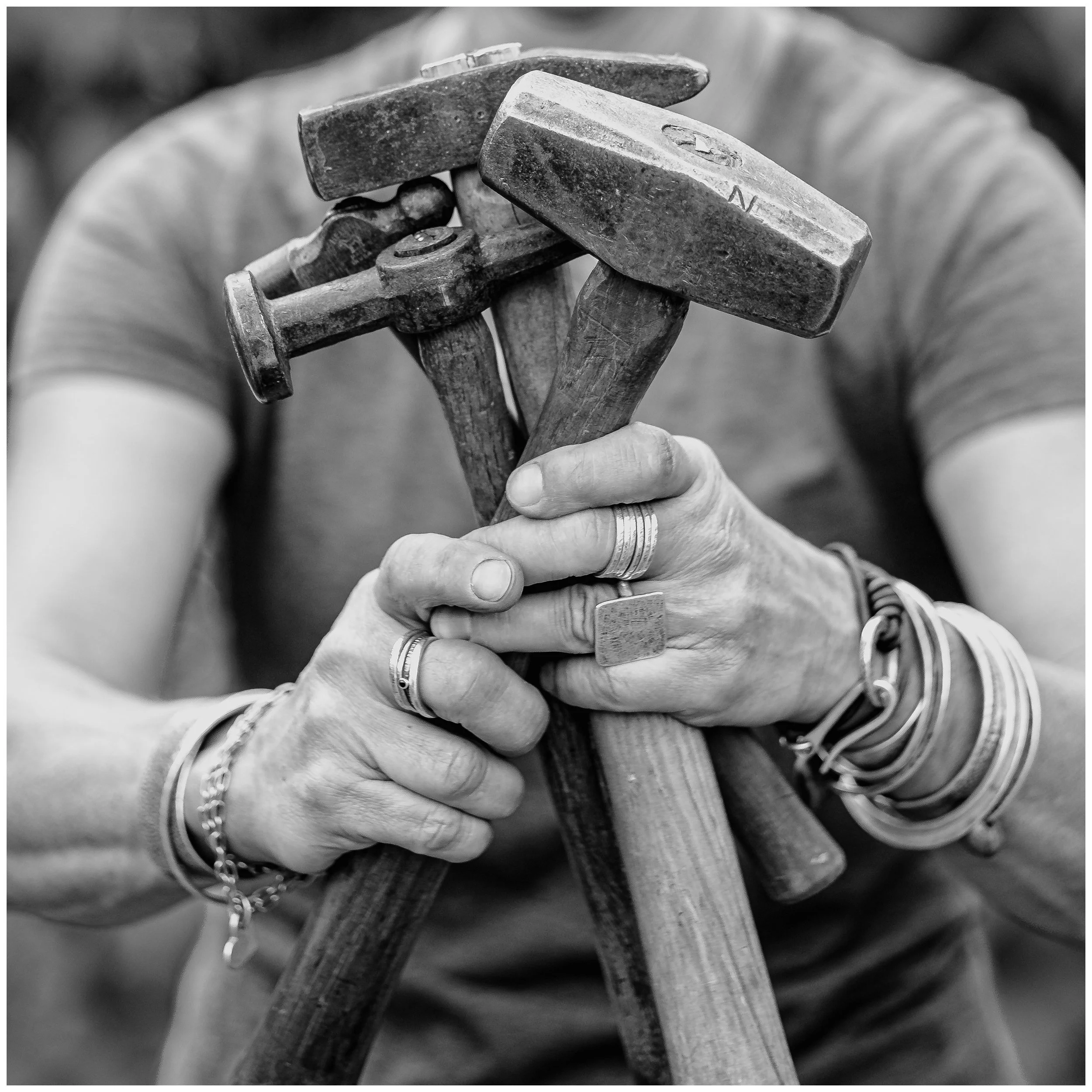
ANITA ROELZ—CIRCLE STONE DESIGNS—WOOLWICH, MAINE—2016
I met Anita on the trade show circuit, bought her jewelry, and we became friends. One afternoon I went to visit her studio on the Maine coast, took the camera out, and followed her around the bench while she worked. Several of the frames became fixtures at her booth, traveling with her wherever the circuit takes her.
Fujifilm X-Pro2
NORM & AGNES—OUTSKIRTS OF BELLOWS FALLS, VERMONT—1995
My cousin and I were driving deep in the backwoods outside Bellows Falls in the snow, the road so narrow the trees scratched both sides of the car. A very old structure stood on the left—looked like an abandoned hundred-year-old shack—and there was Norm up on the roof, shoveling it clear. We stopped to help. We cleared snow and carried wood in for the stove, and he welcomed us inside. I was shooting with my Leica 21mm lens and still couldn't fit half the room. The whole place couldn't have been more than twelve by fifteen feet. That’s how we met Agnes. We stayed a couple of hours and had a really nice time. Then we went on our way.
Leica M6 · Tri-X
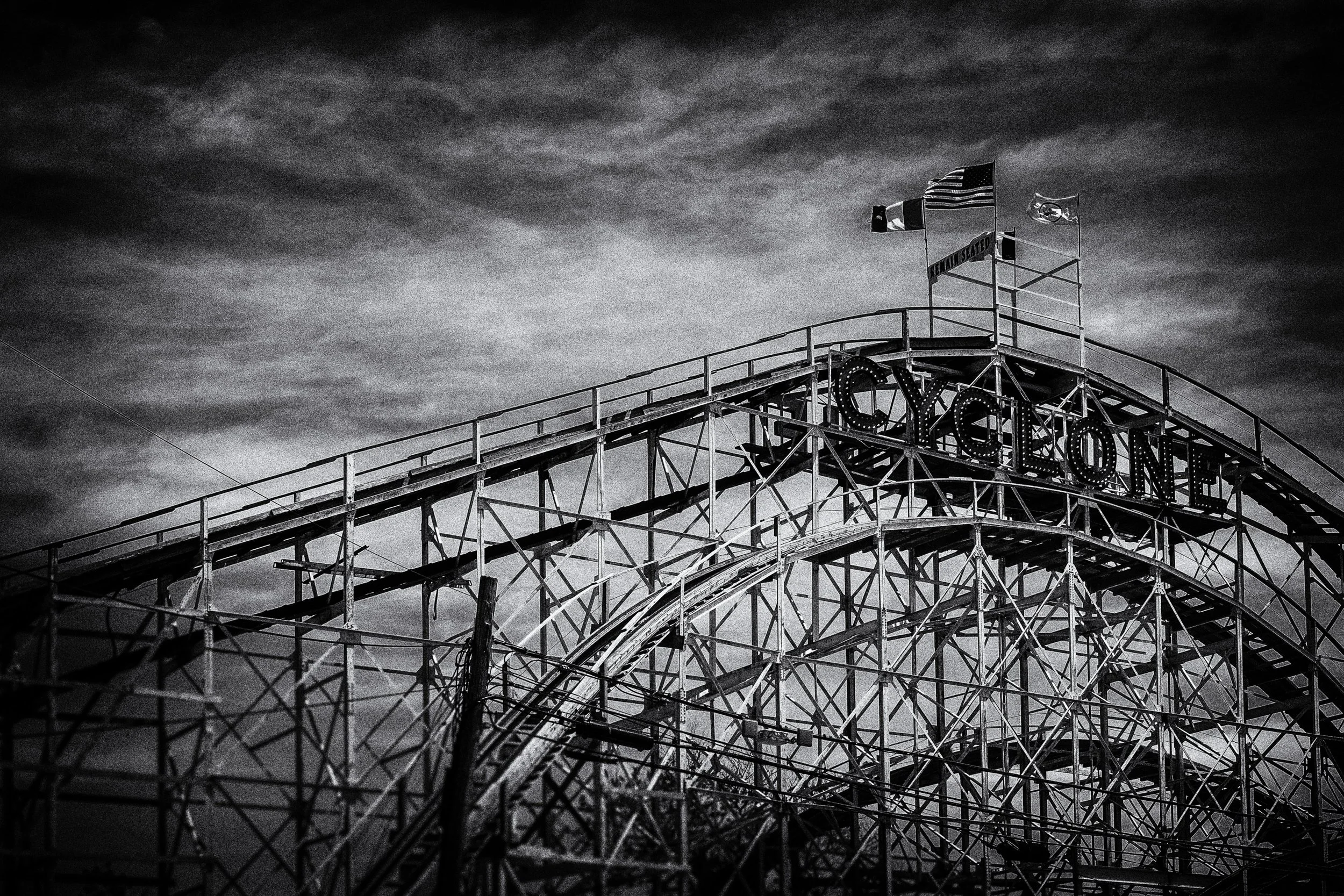
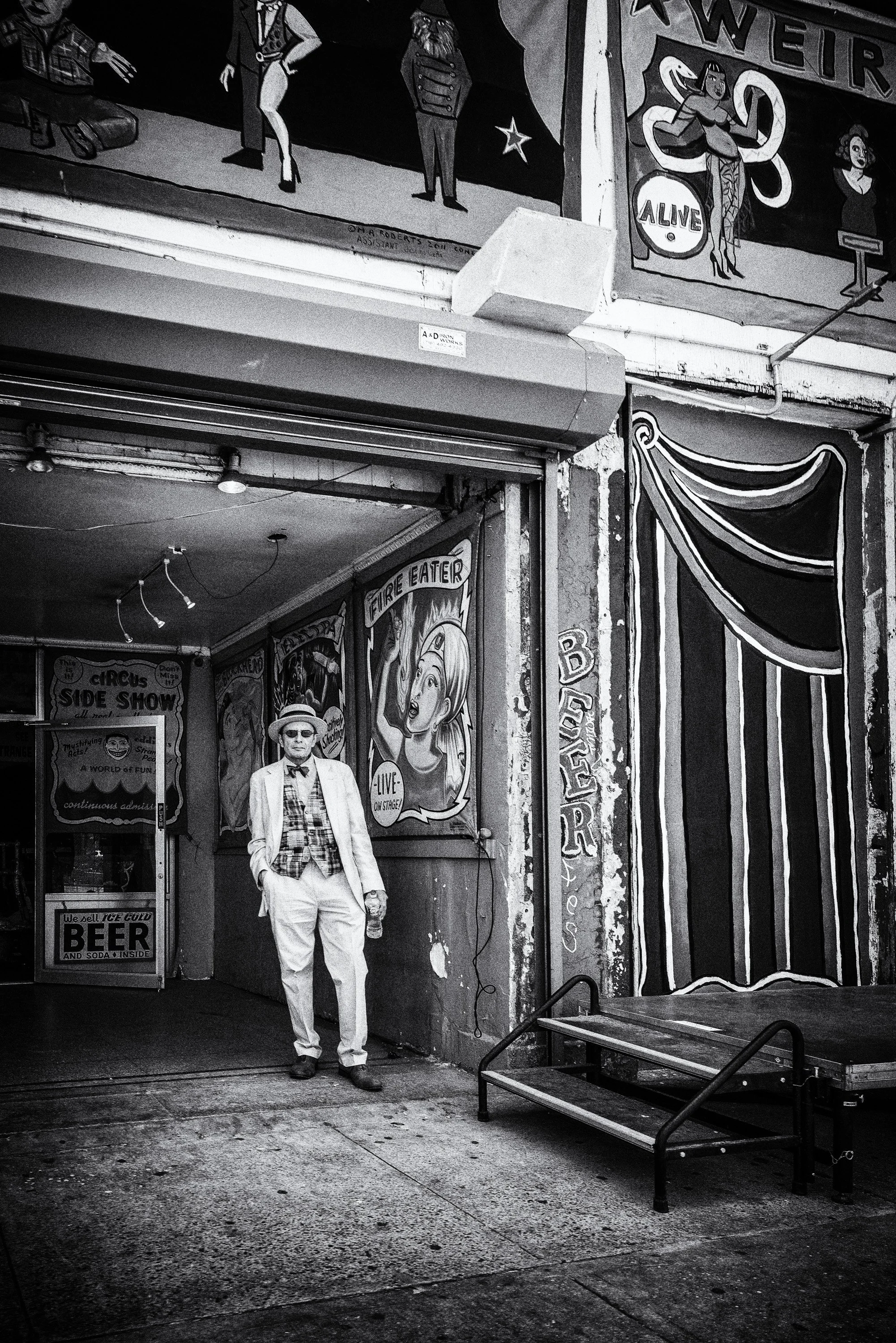
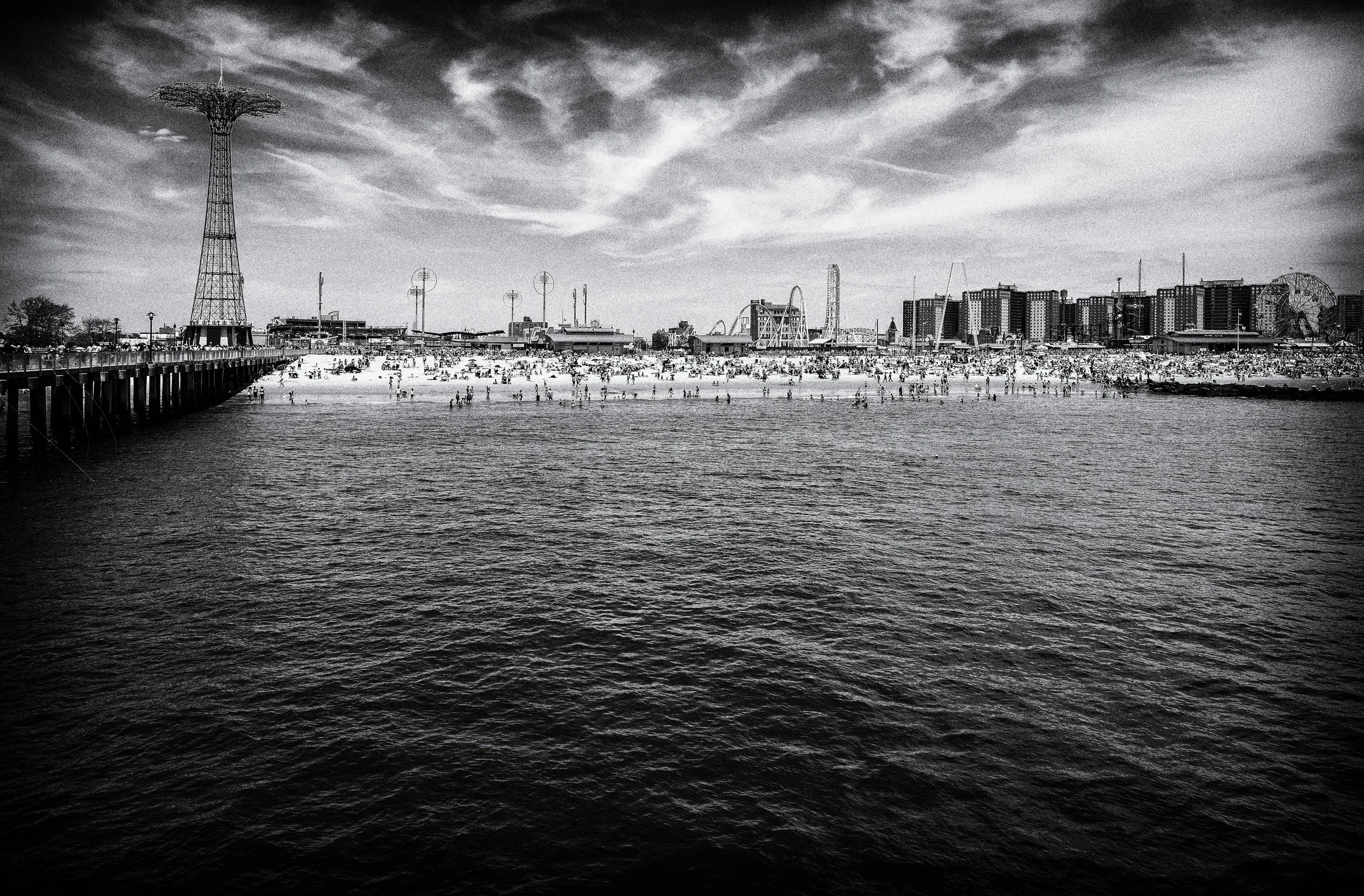
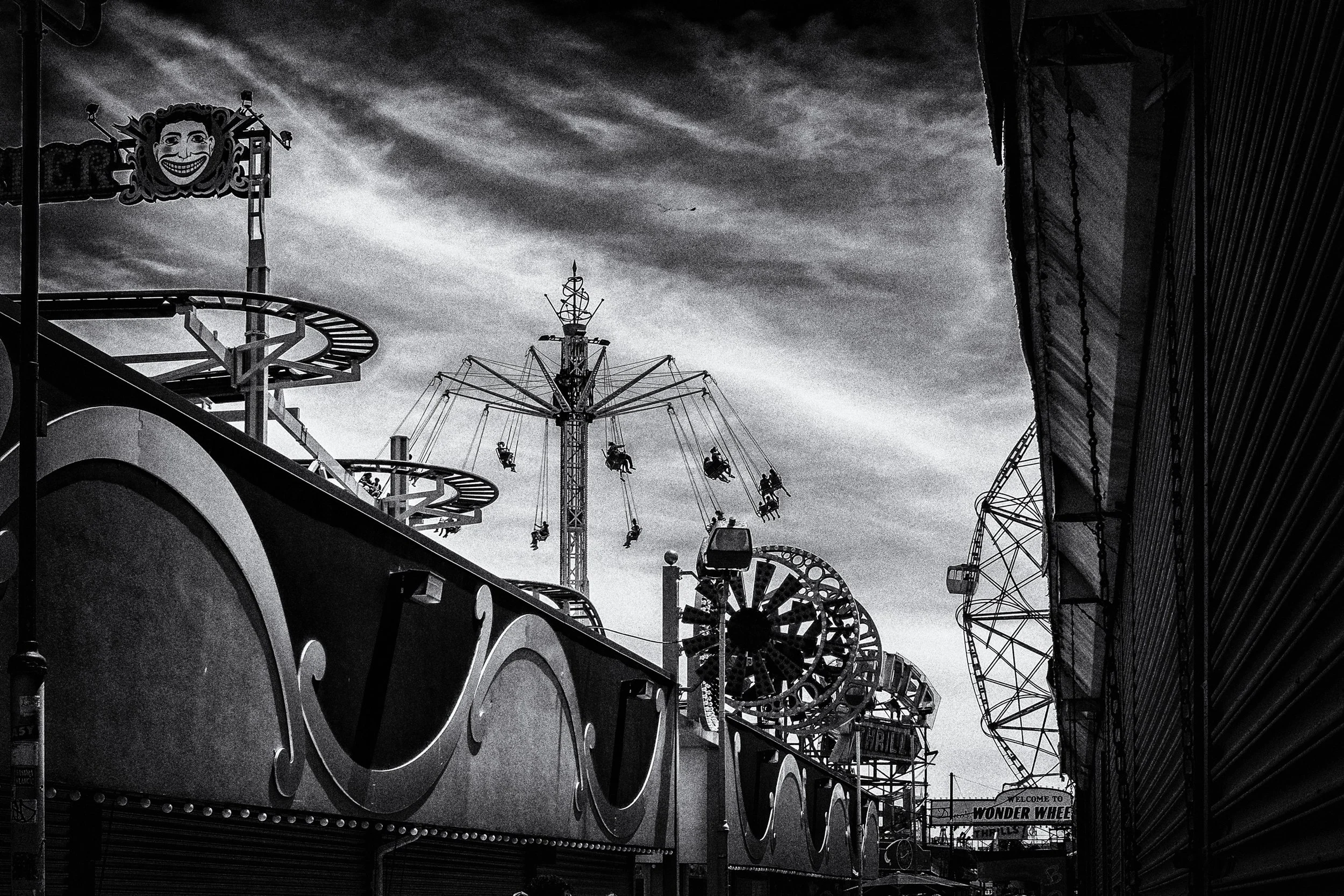
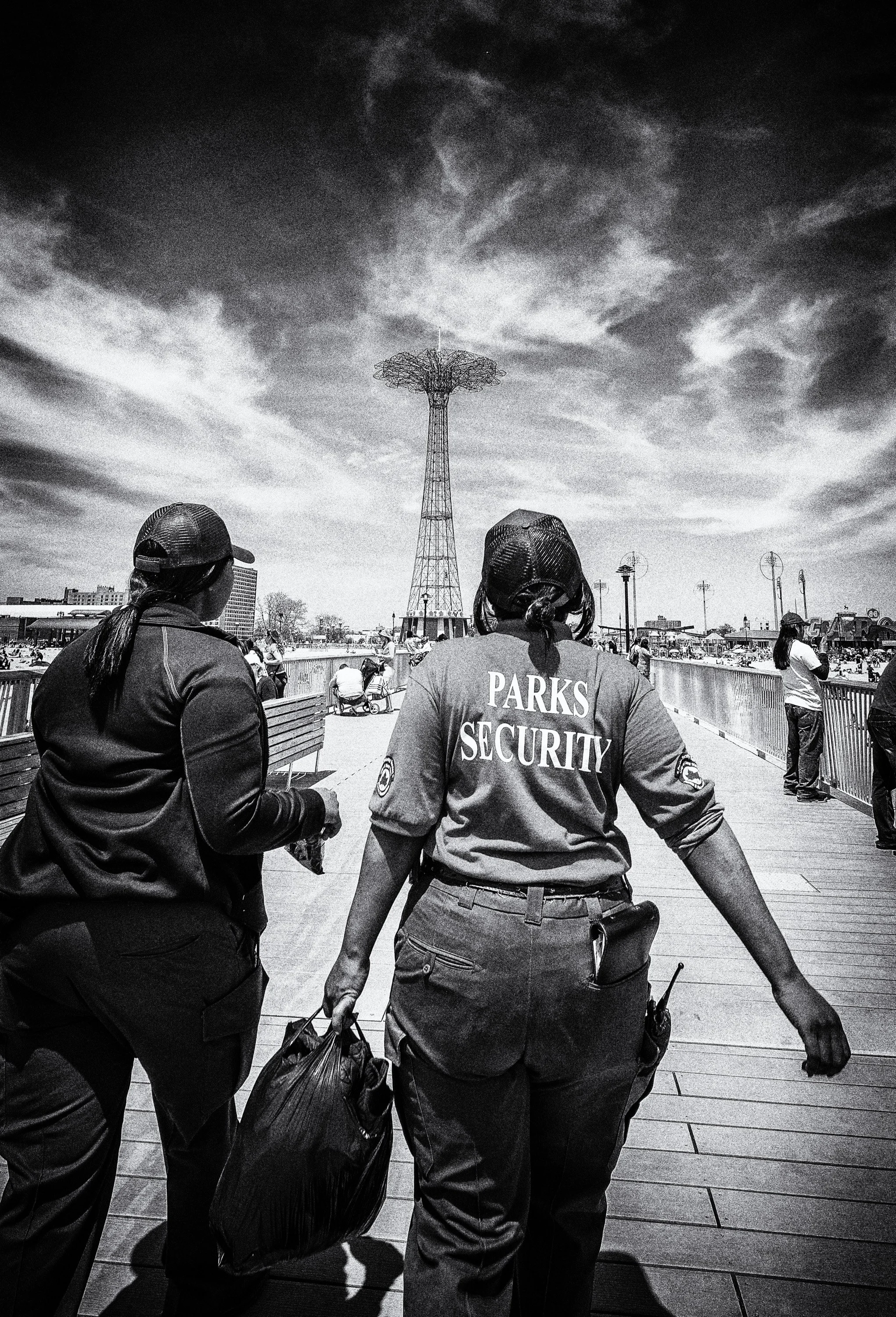
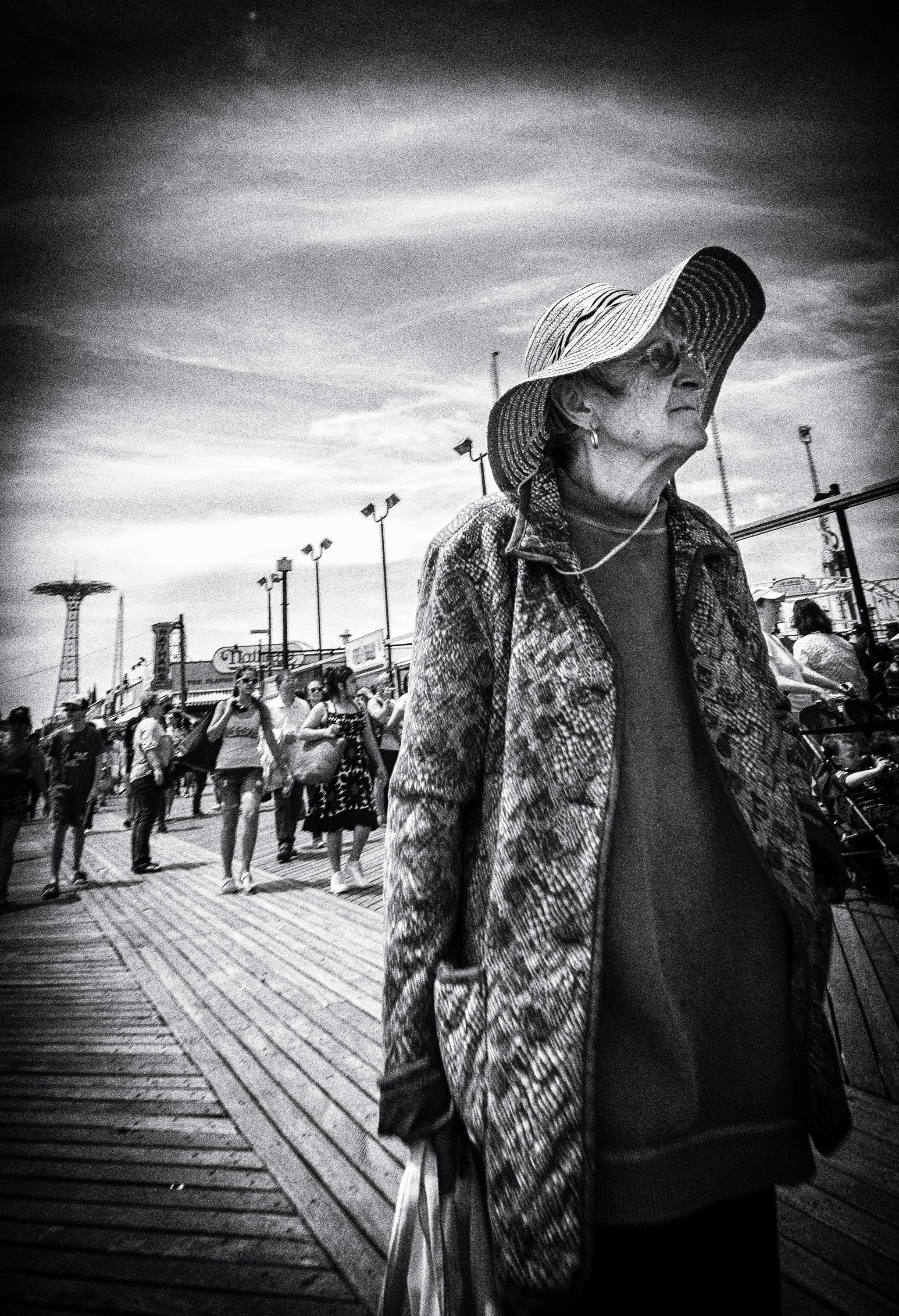
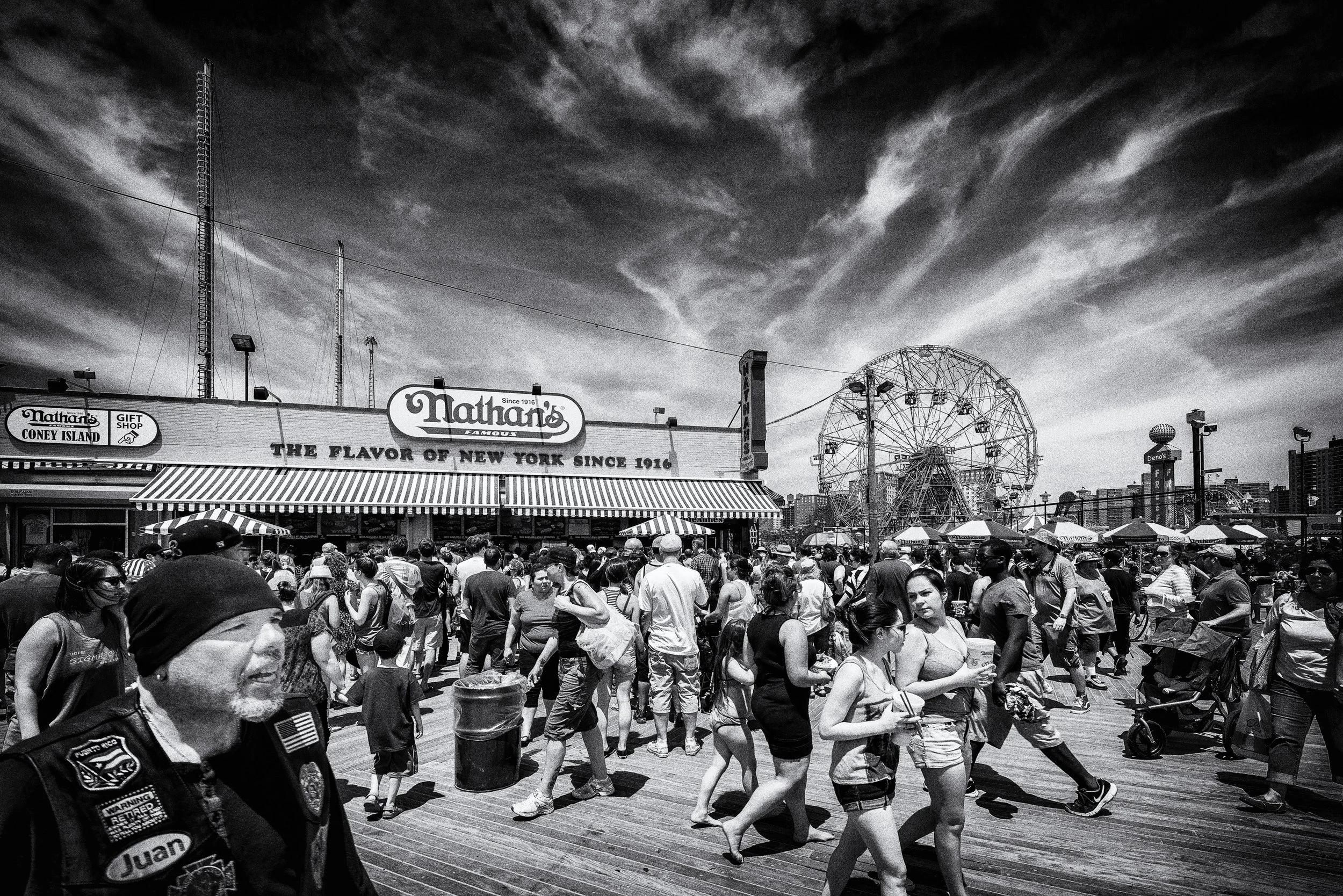
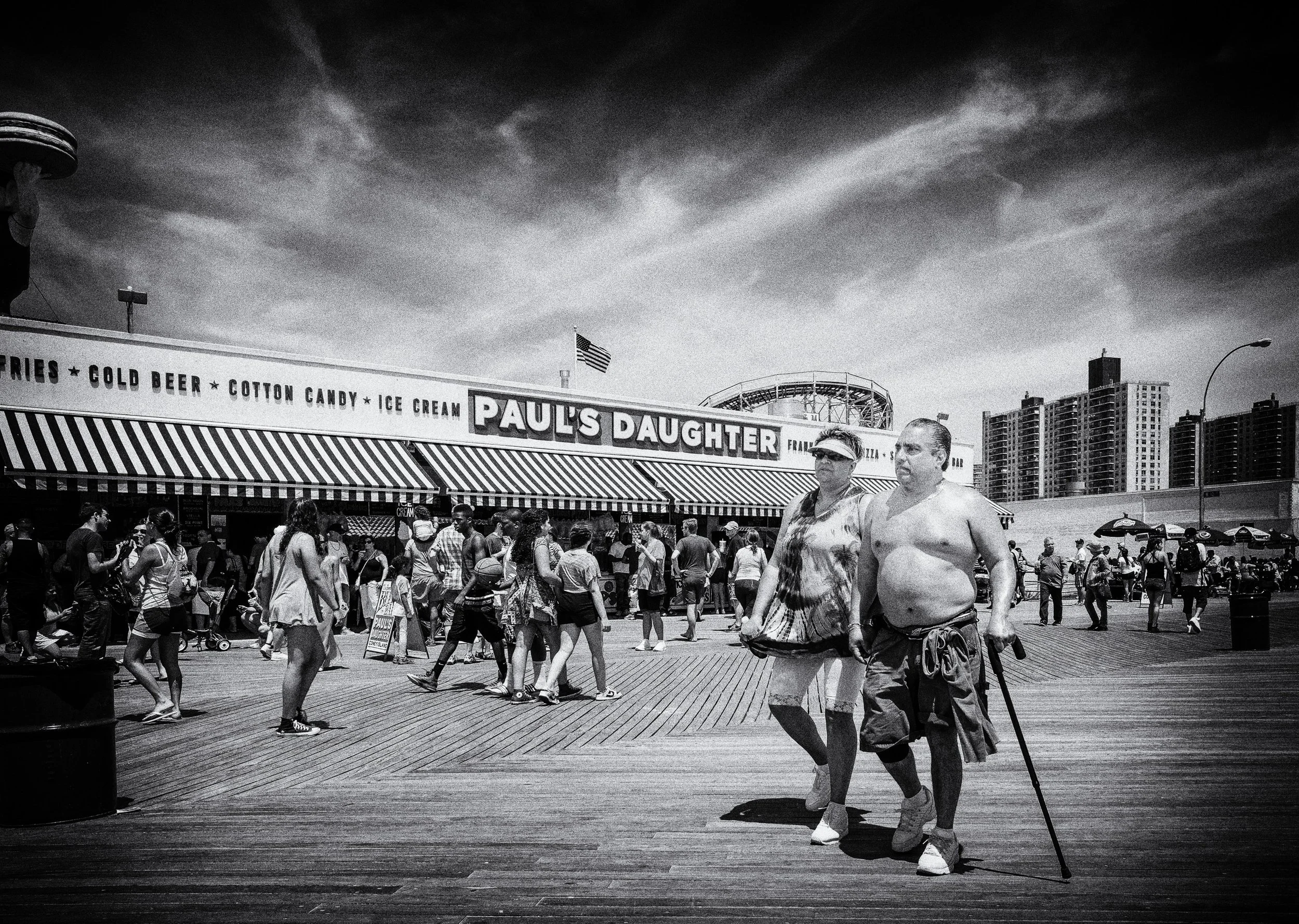
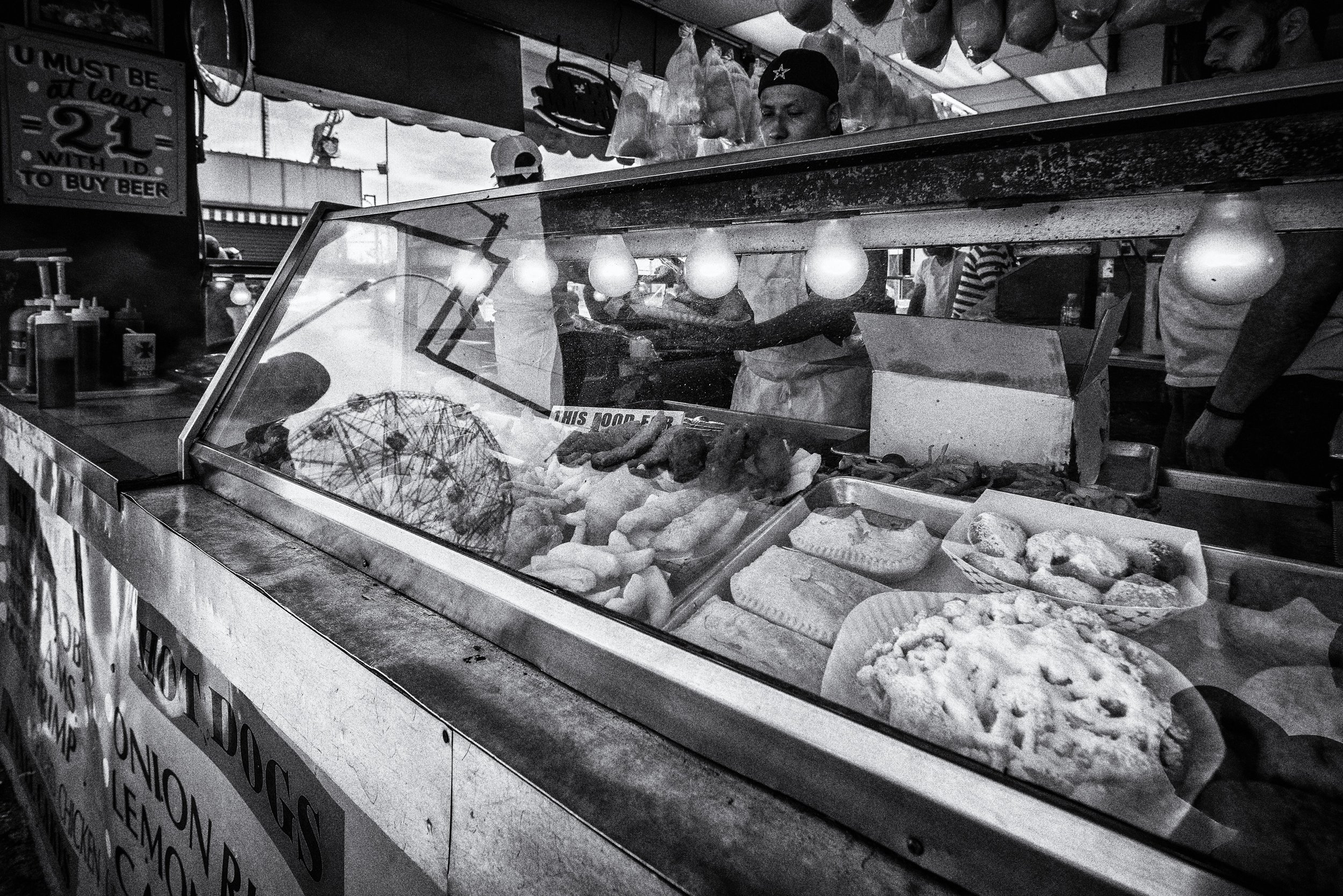
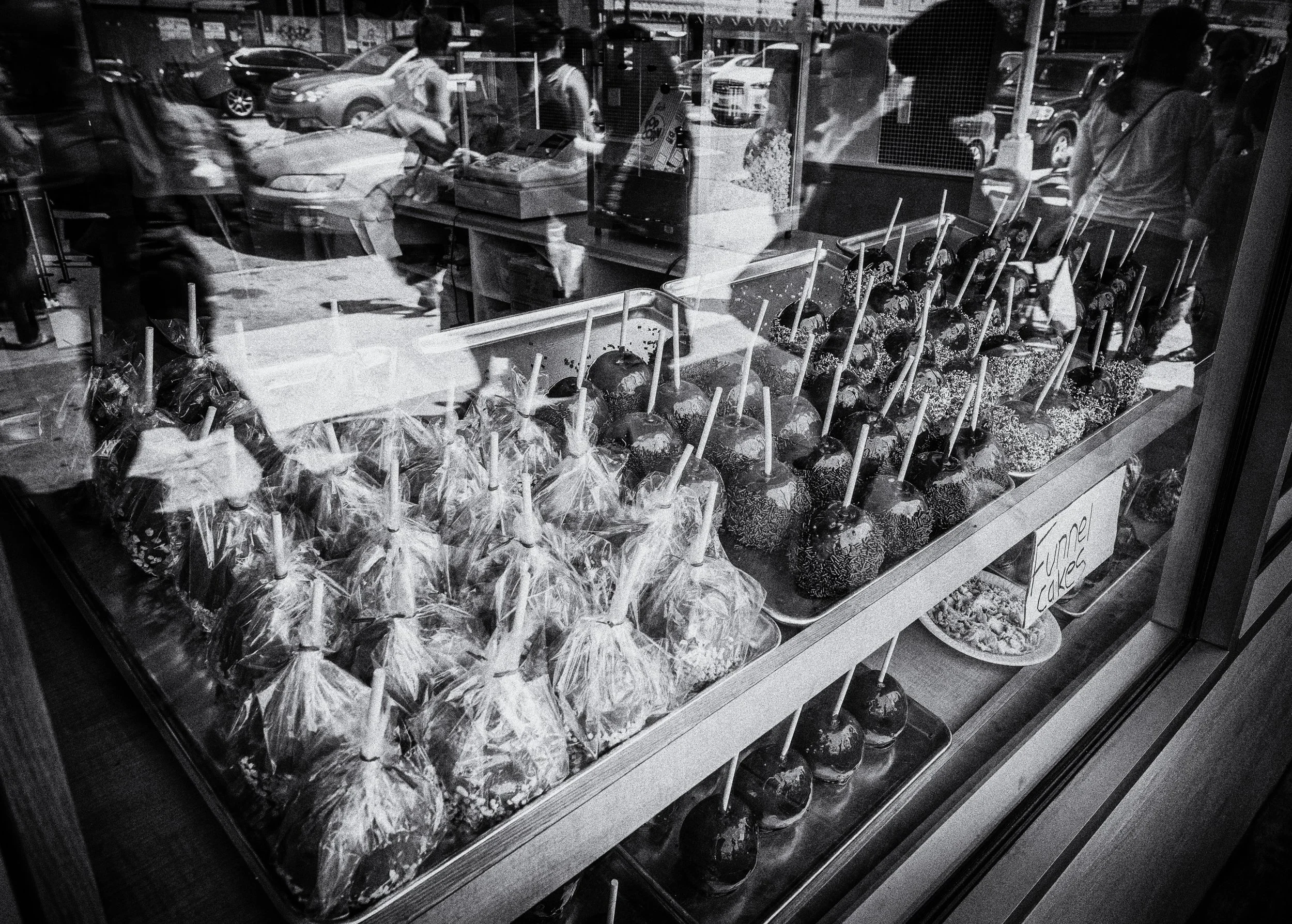
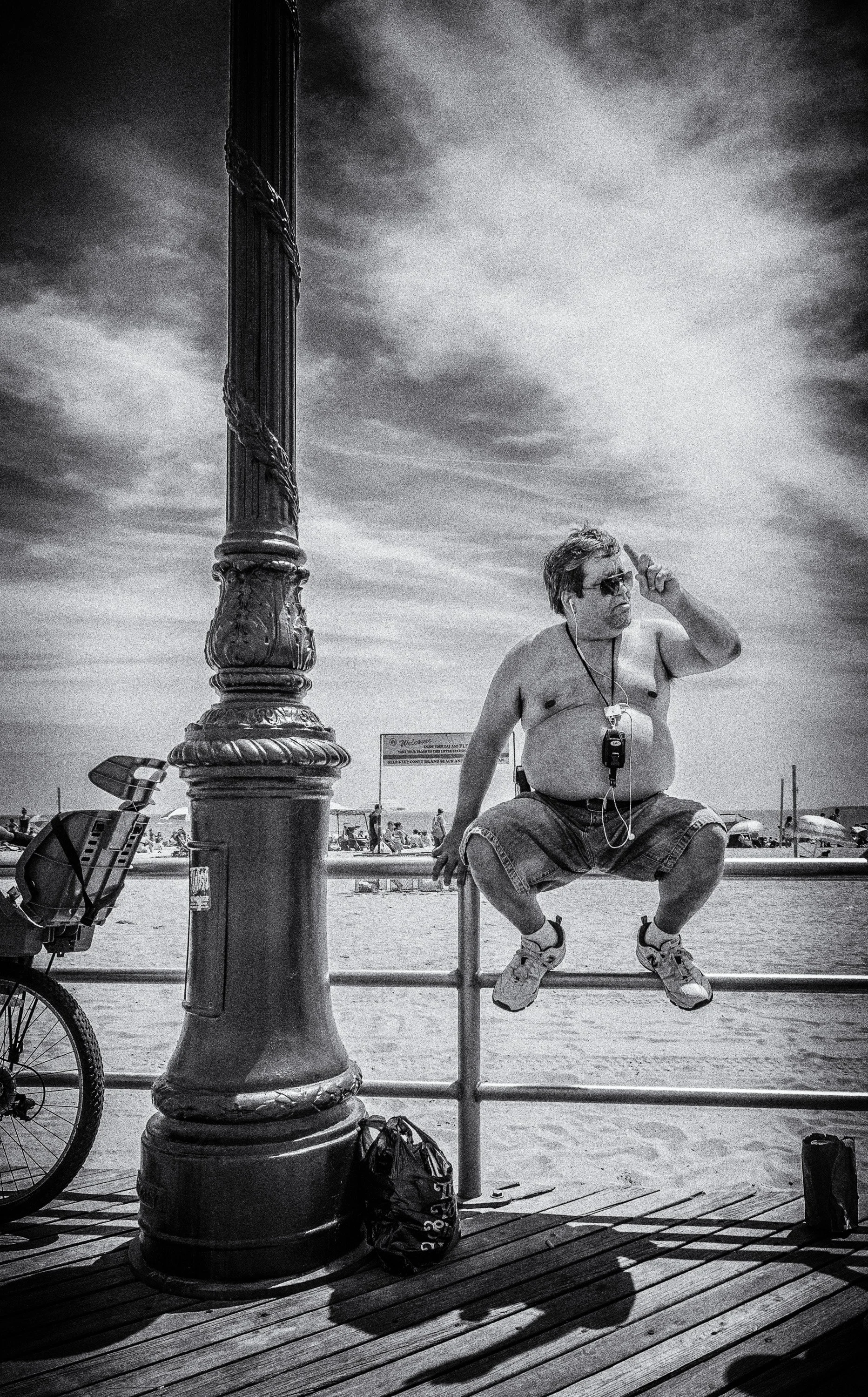
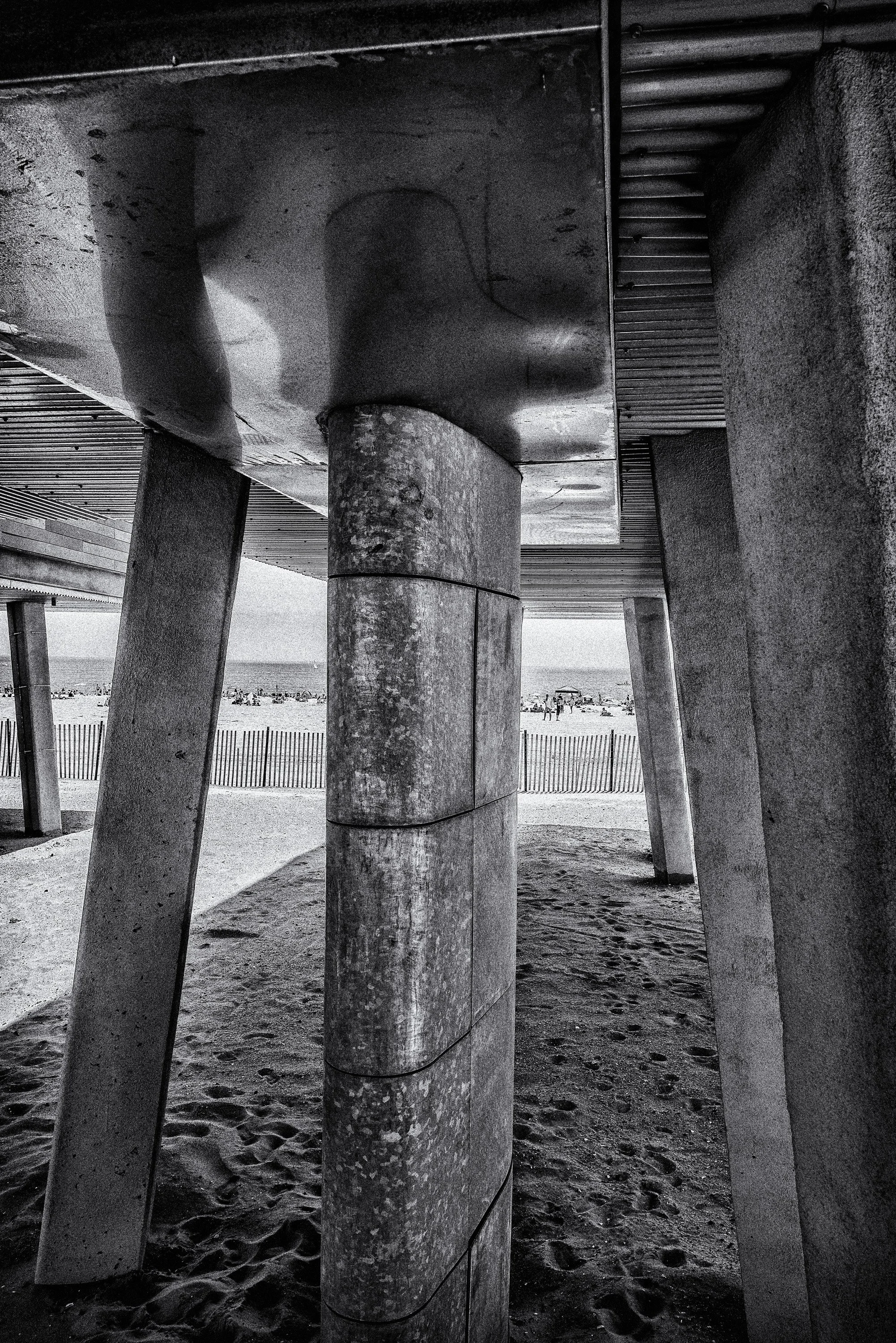
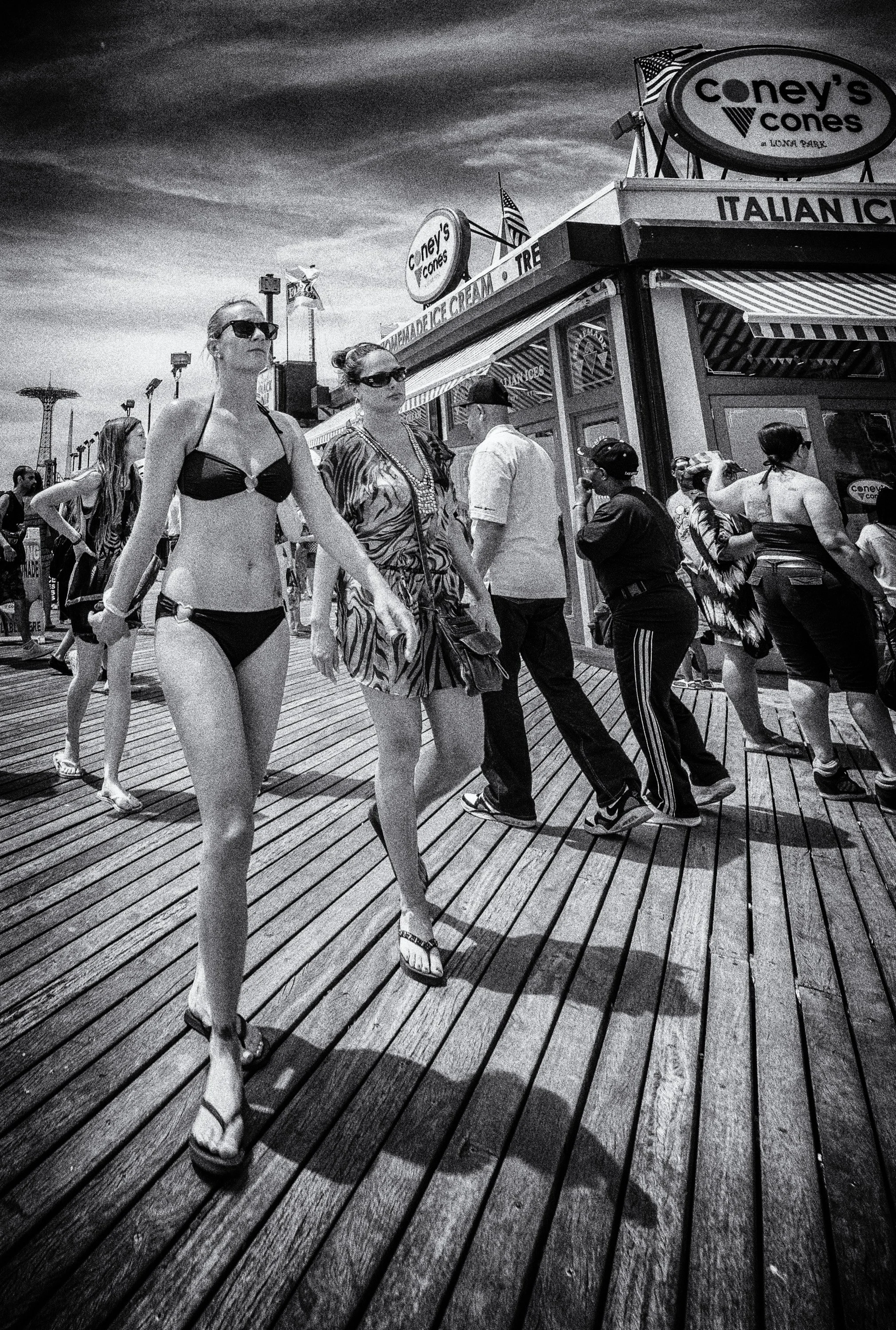
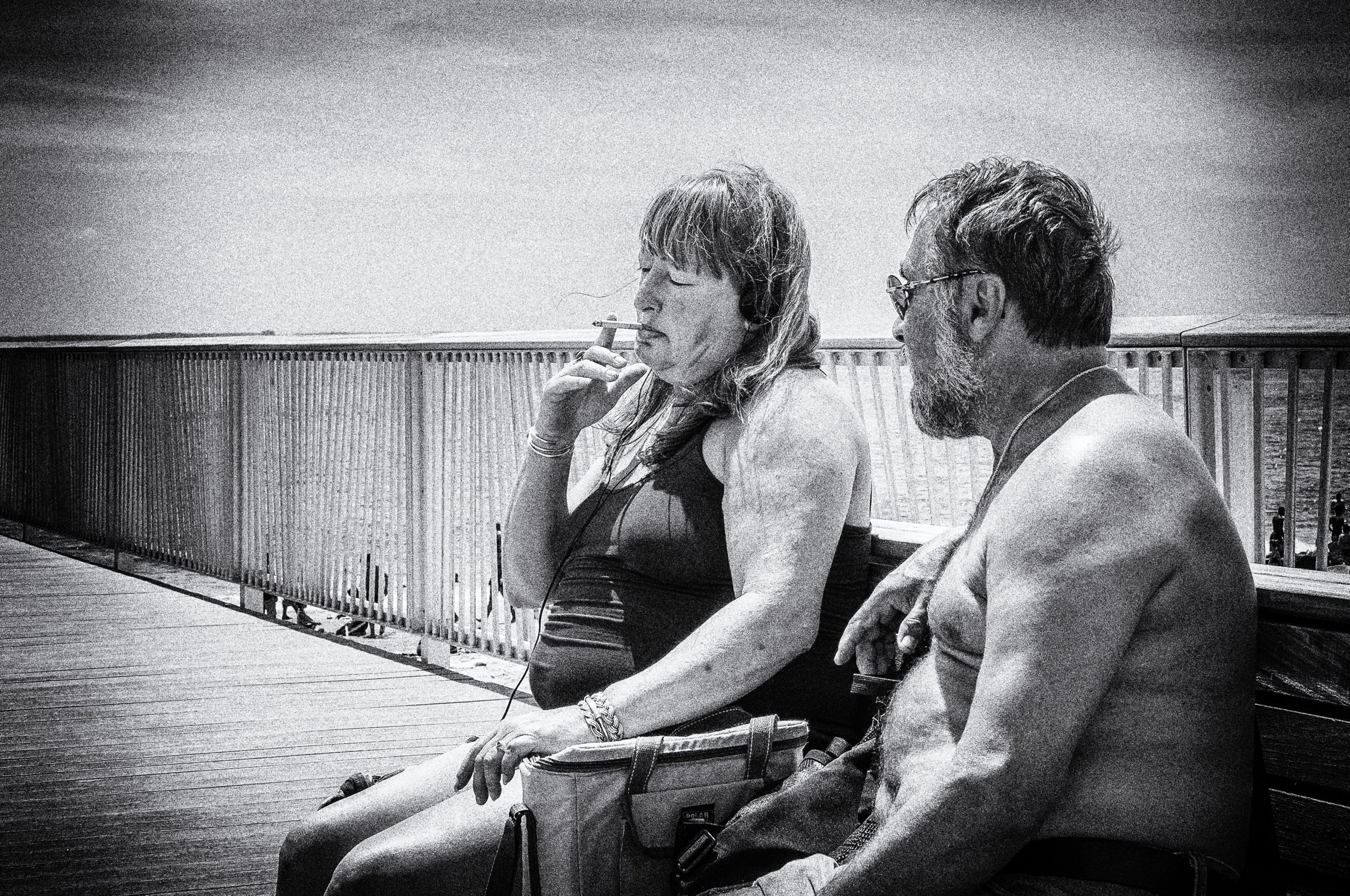
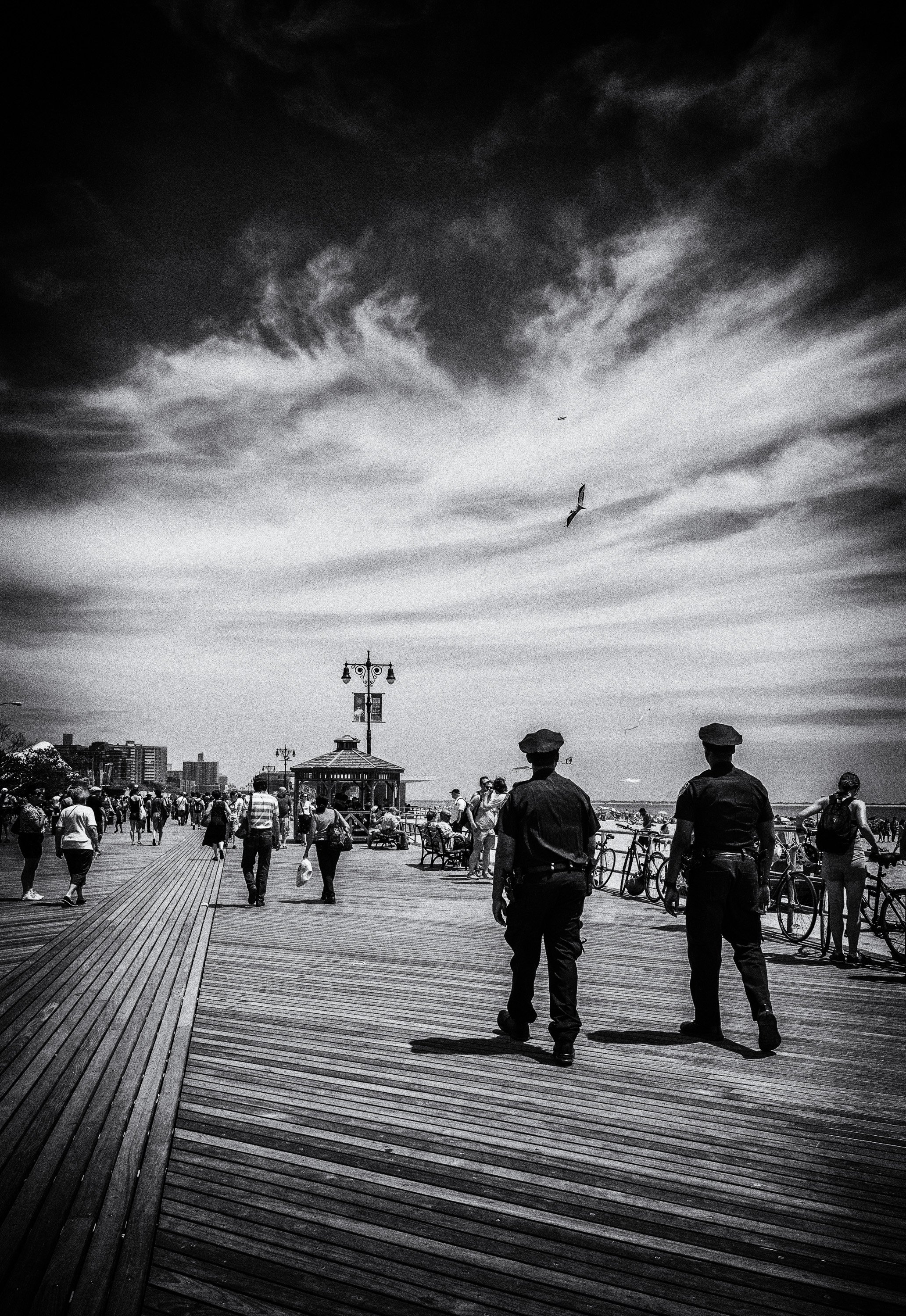
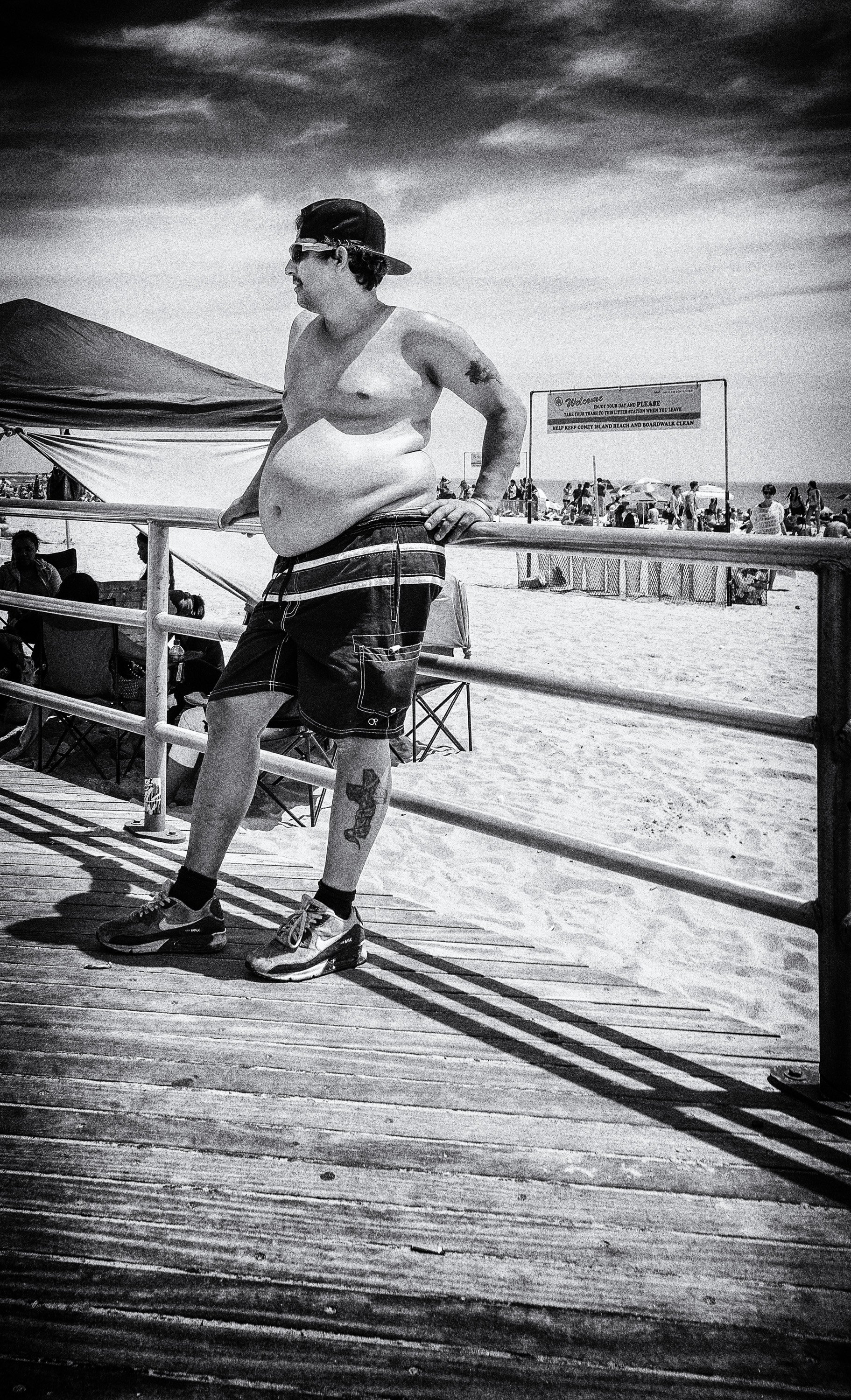
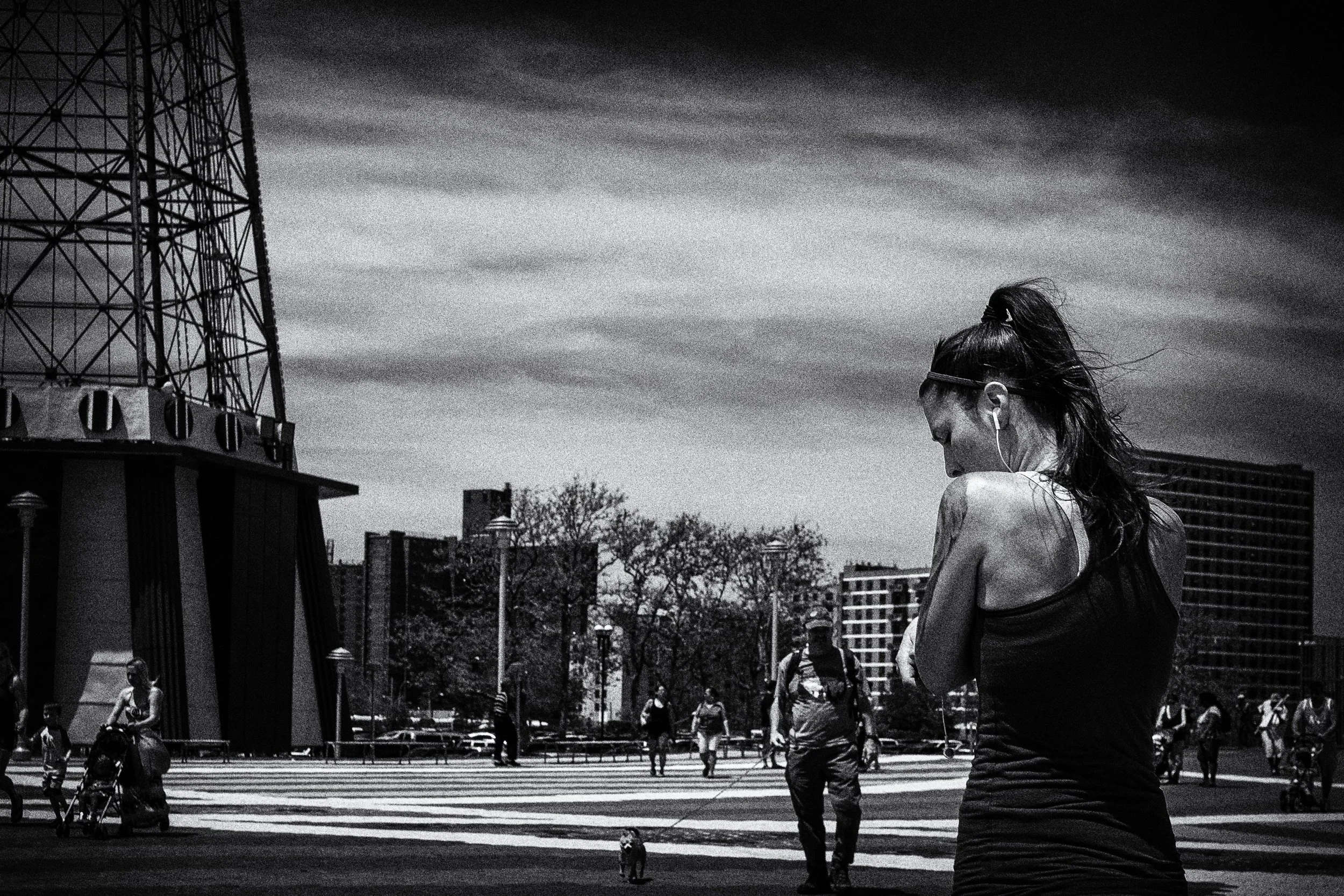
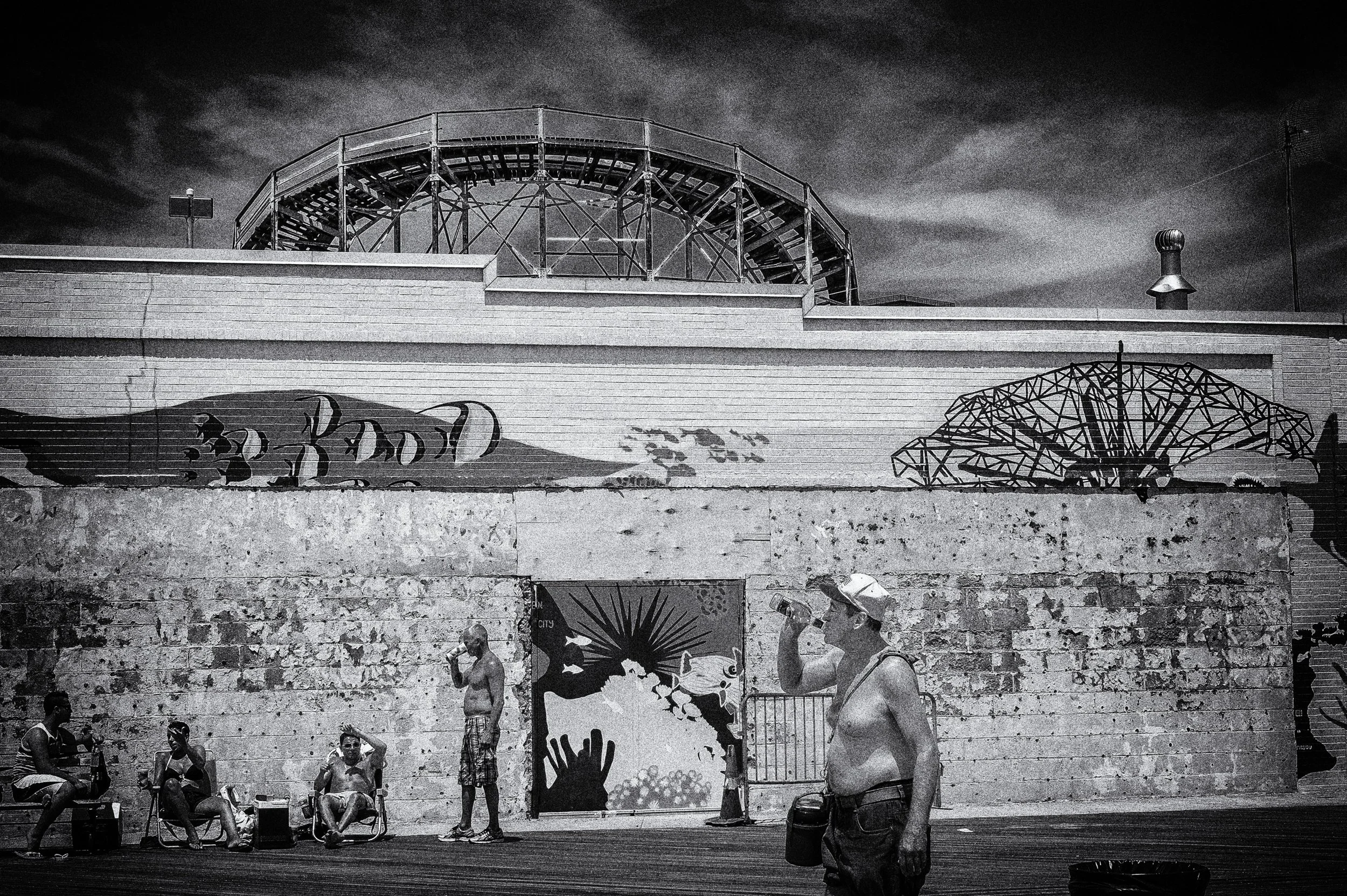
CONEY ISLAND, BROOKLYN—MEMORIAL DAY 2014
The strange and the fun, shot grainy and distorted in homage to filmmaker Tim Burton.
Twenty frames from the day.
Nikon D800
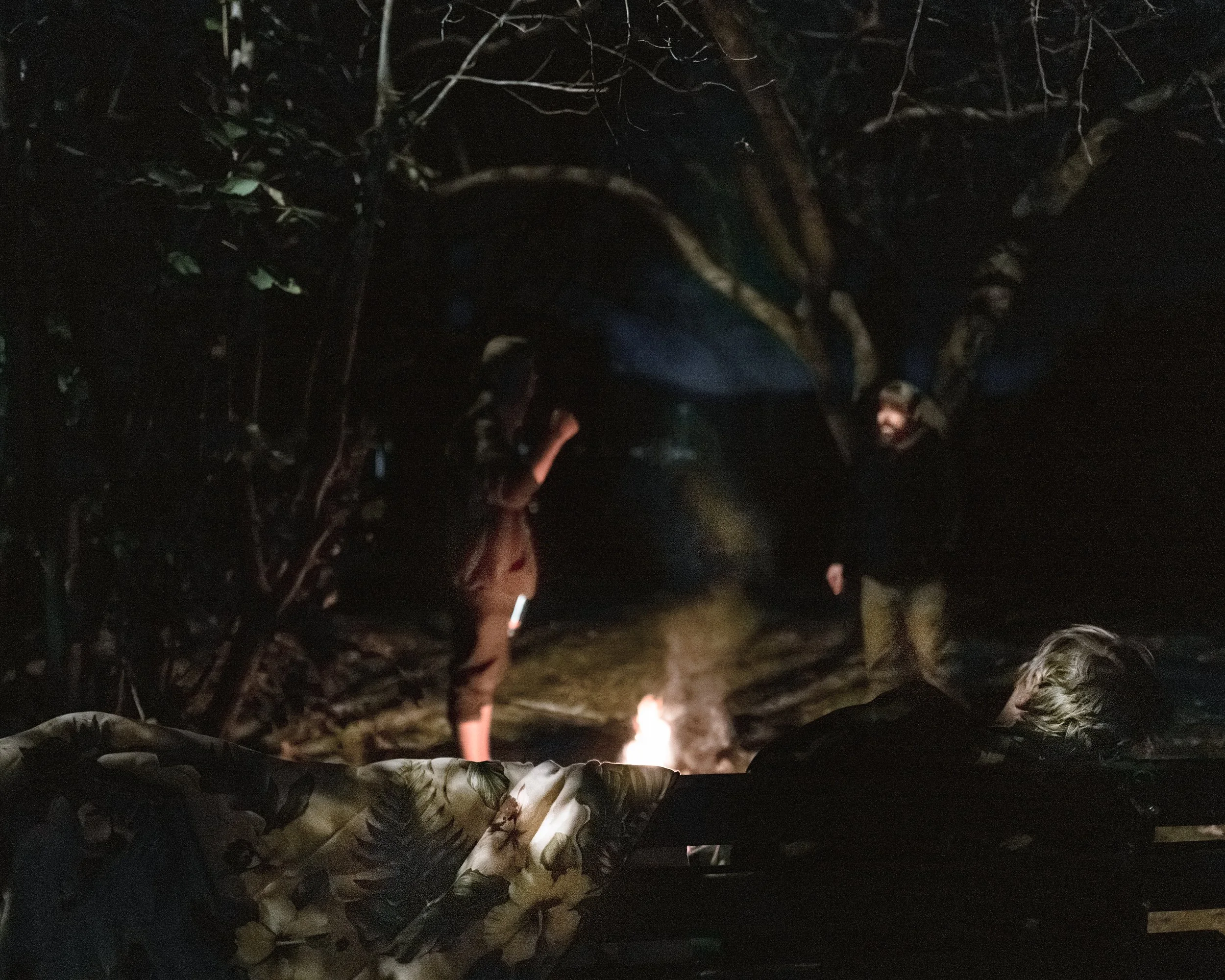
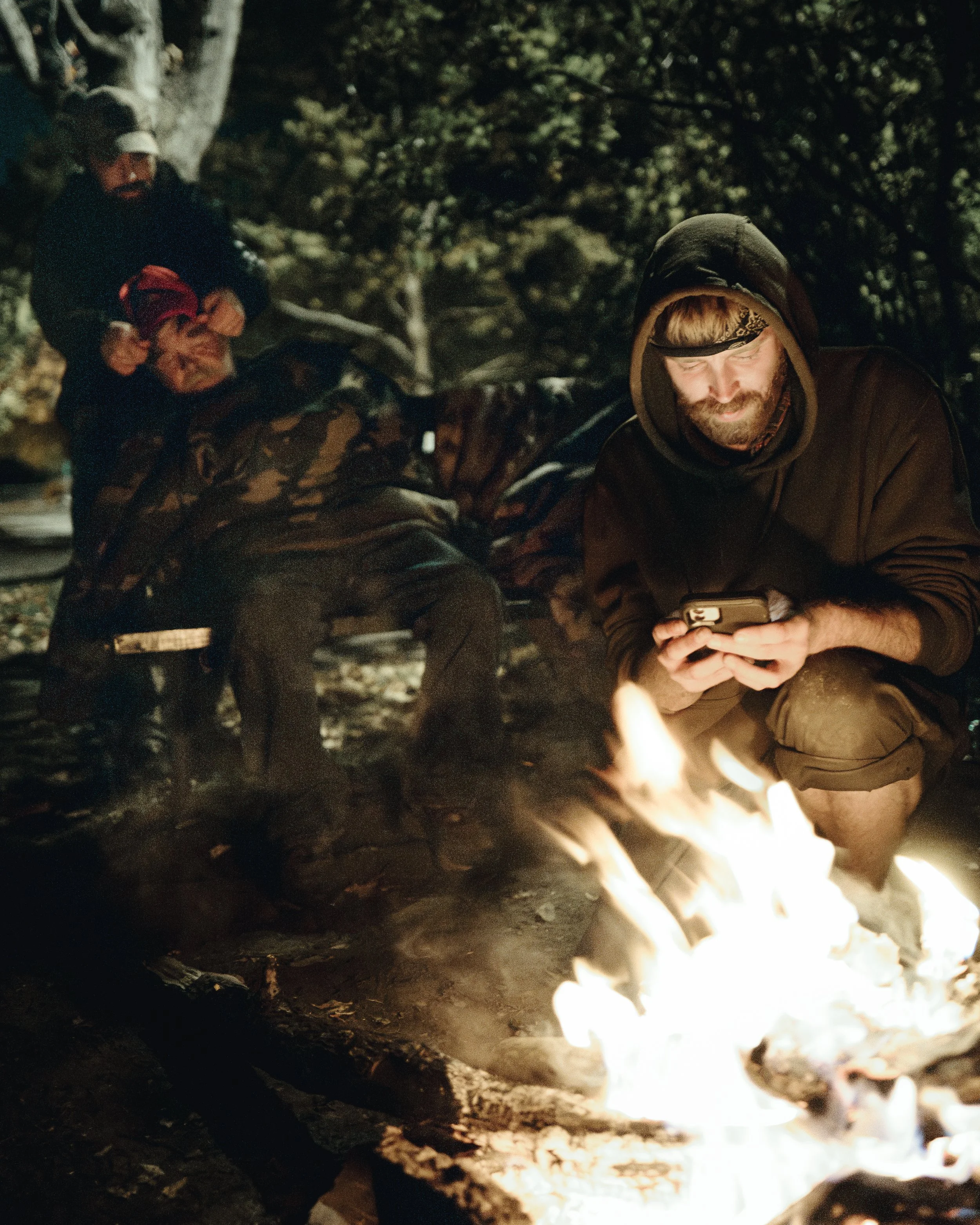
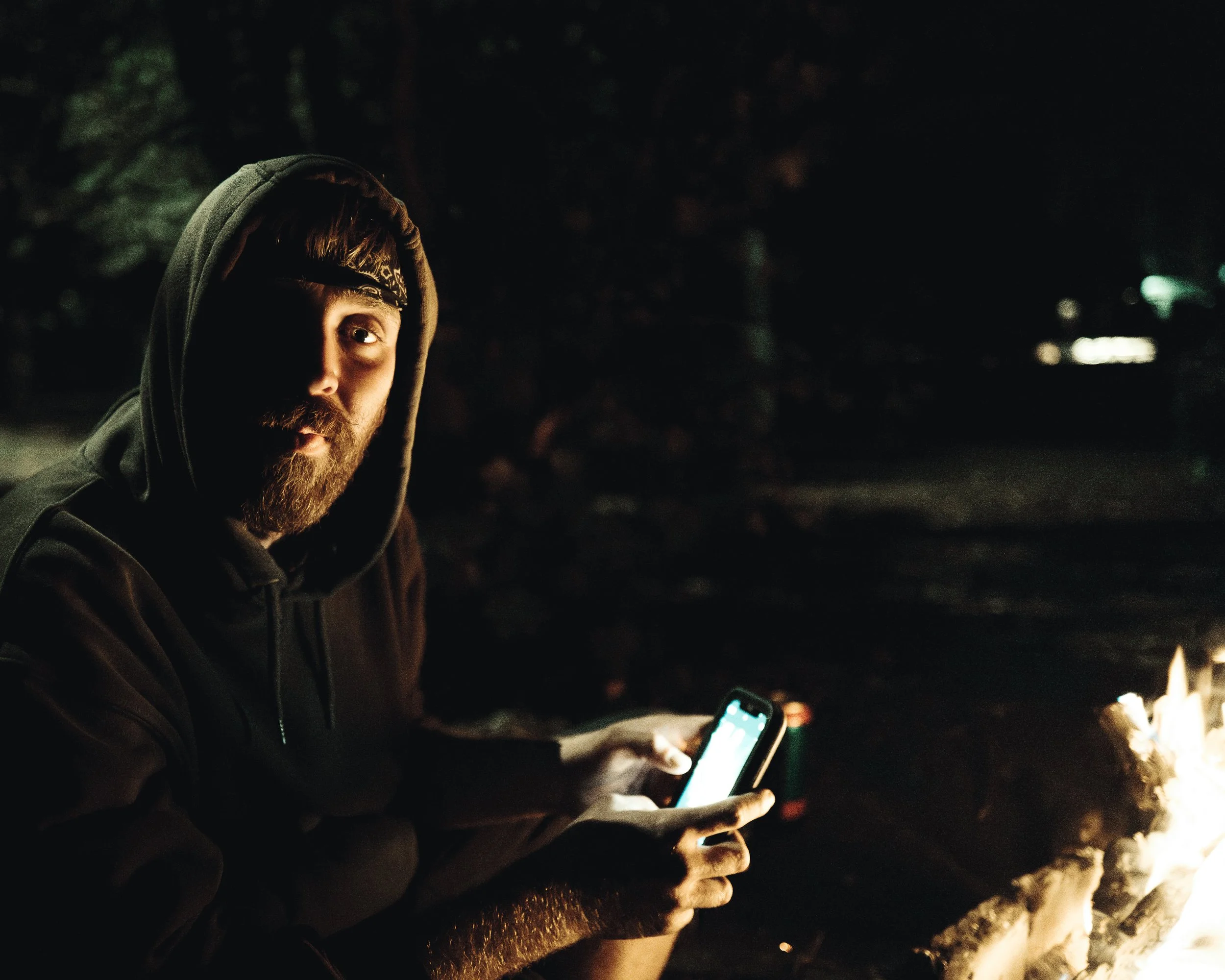
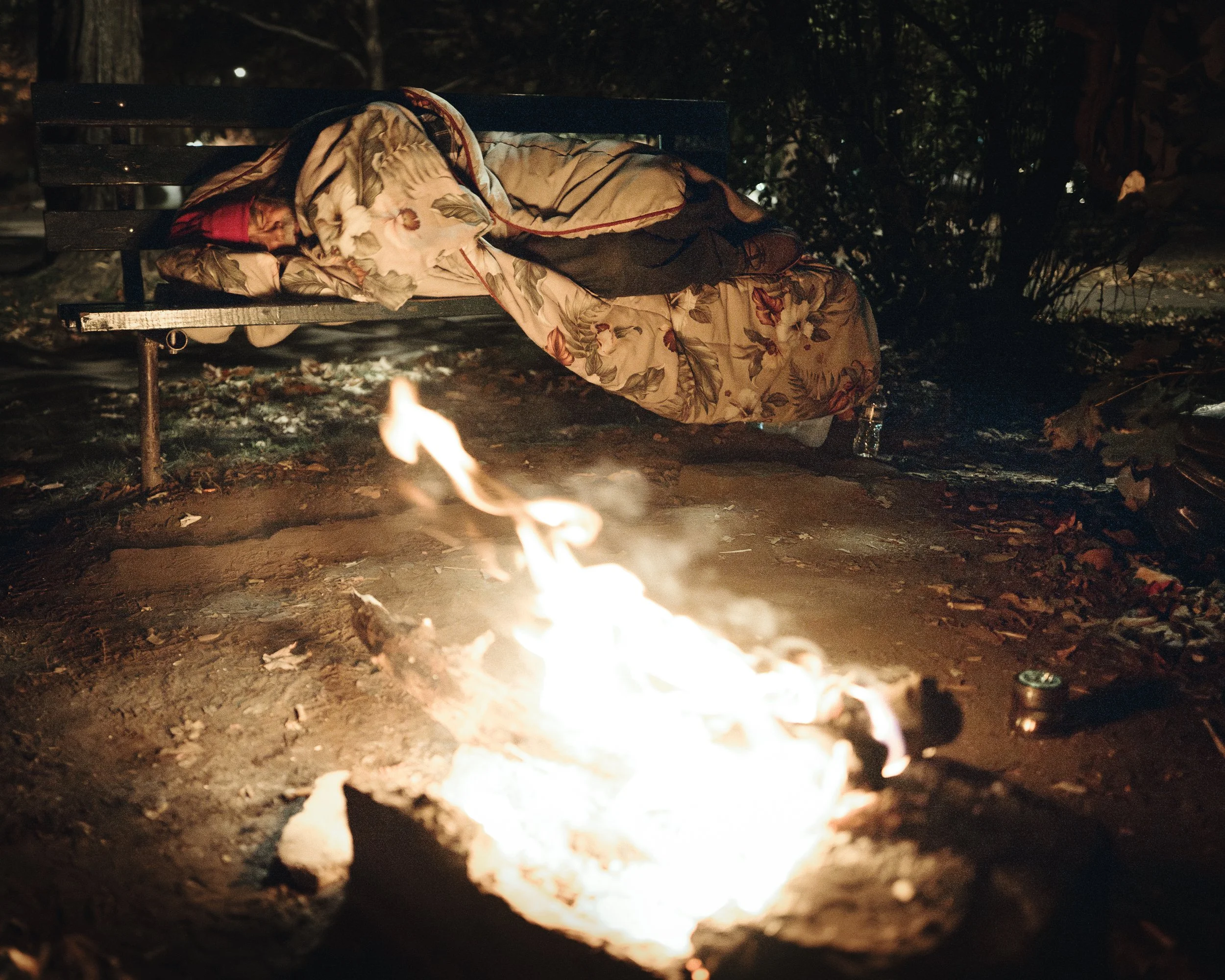
KEEPING WATCH—SOUTHERN VERMONT • OCTOBER 2022
I was driving home from an assignment with a long drive still ahead and a few hours of light left. So I pulled off at a spot I knew along the river, where the path runs beside the tracks, figuring I’d catch the sunset over the water.
Two men sat on a bench by the lot, a third was back in the trees. They looked like they had nowhere to be, which meant they lived there. I walked the path a couple of times, made some frames of the bridge, and on the third pass I caught Danny’s eye. I said hello. He said hello back.
I didn’t lift the camera for two hours. Wade came over from the parking lot—he had a truck with a dog in it. The third one came out of the woods, older, moving slow. His name was Ray. About a year before, in those same woods, I’d surprised a man by accident and asked to take his picture, and he’d said no. It was Ray. Same man, same trees. He didn't say whether he remembered me, and I didn't ask.
They built the fire as the light went. It gets cold up there in October, and they needed the heat. There was no light left by then but the fire and a streetlight across the path.
Ray wasn’t well that night—coming down with something, and for a while we wondered if he’d need a clinic. He didn't do much. He sat. Danny had a phone, which is how a man with no address keeps in touch with anybody. Wade did tree work when he could, cash in hand, and kept his dog in the truck so it wouldn't come at me. They told me how they move most nights, how Ray’s always wandering, how every so often they get a floor to sleep on down some side street. They drank a little. They didn’t really eat.
They let me do whatever I wanted with the camera. One camera, one lens, close enough to be in the fire’s light. There’s a picture of Danny with the fire lighting his face from below, warm on one side, the rest in shadow, looking up at me—made from about a foot away.
When I left, near ten, Ray was already asleep. Wade had wrapped him in a blanket by the fire, and he was going to sit up and watch him all night. The guy with the truck he could’ve slept warm in, staying up in the cold instead, because the other one was sick.
They told me to come back. I said I would. A month later Danny emailed me to ask how the pictures came out and if he could have a couple of himself. I sent them. I never found the three of them again—I went back more than once and they were gone, moved along like they always were.
I emailed Danny again, four years later, while I was putting these images in order. He wrote back the next day. Why hello good sir, been a minute. Ray passed a couple years ago, he told me. Wade’s off living his low-key way. Danny’s still at it, the hourly grind, same as ever.
Names have been changed.
Leica Q2
VERMONT—2022
The One Holding the Gun
Scouting the next story, I passed a man walking a dirt road with nothing around him, a shotgun in his hand. I pulled alongside. “I’m Jimmy—a photographer. I’d love to shoot you.” He looked at me, smiled, and said, “I’m the one holding the gun.” Then, “Pull in my driveway.” He let me shoot everything but his face. The gun never left his side. A month later I returned with a thank-you note and prints for Tom to keep. He wasn't home. I left them at his front door.
Leica Q2
SELF-PORTRAIT—THE BERKSHIRES, MASSACHUSETTS—2022
On assignment, caught in the glass. We’re the ones usually behind the camera—almost all of us have made this shot, the self-portrait in a mirror or a window. Mostly we stay hidden behind the work. A nod to all of us behind the camera.
Leica Q2