COAL
A year, on and off, in the Pennsylvania coal fields
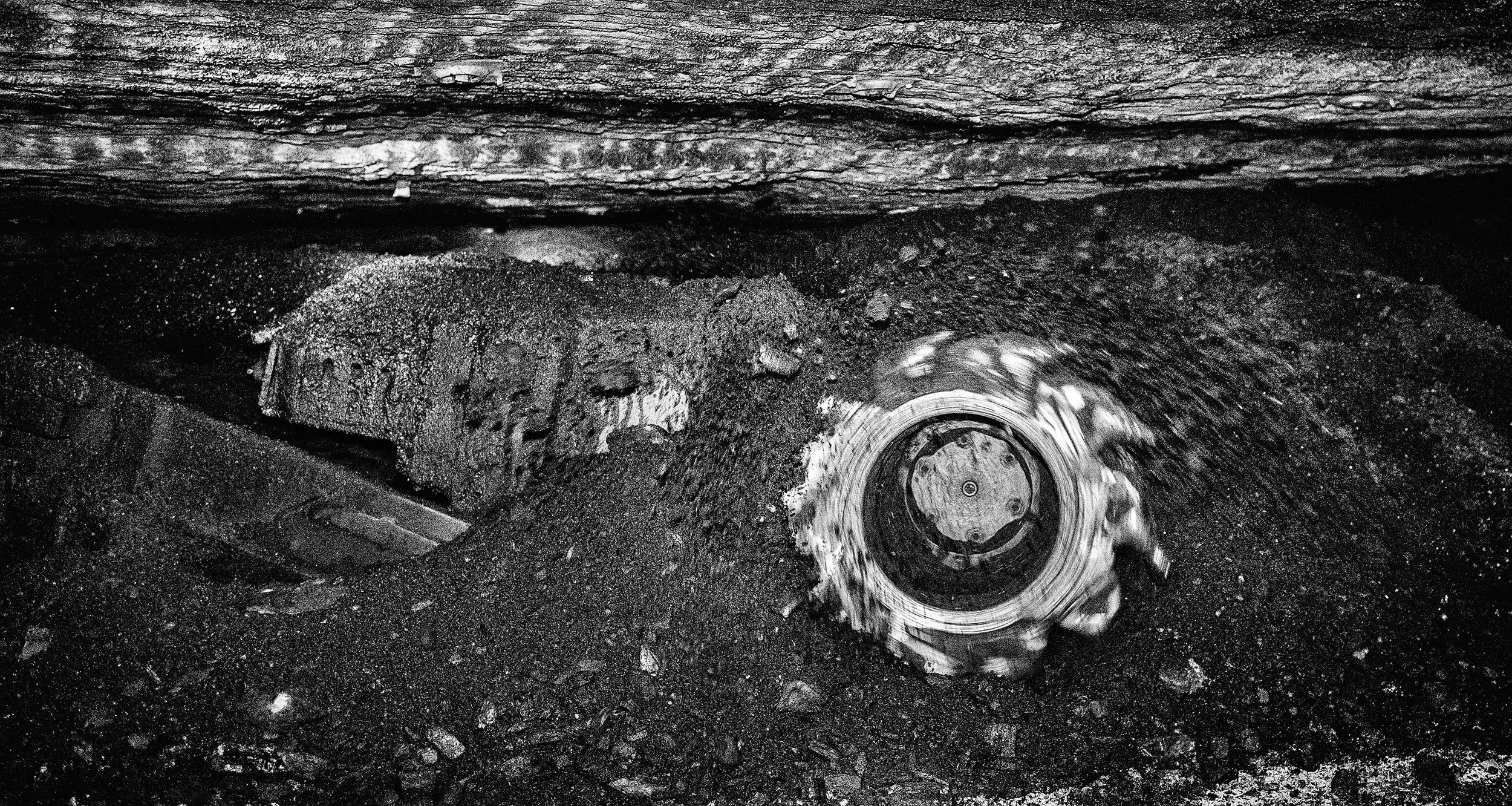
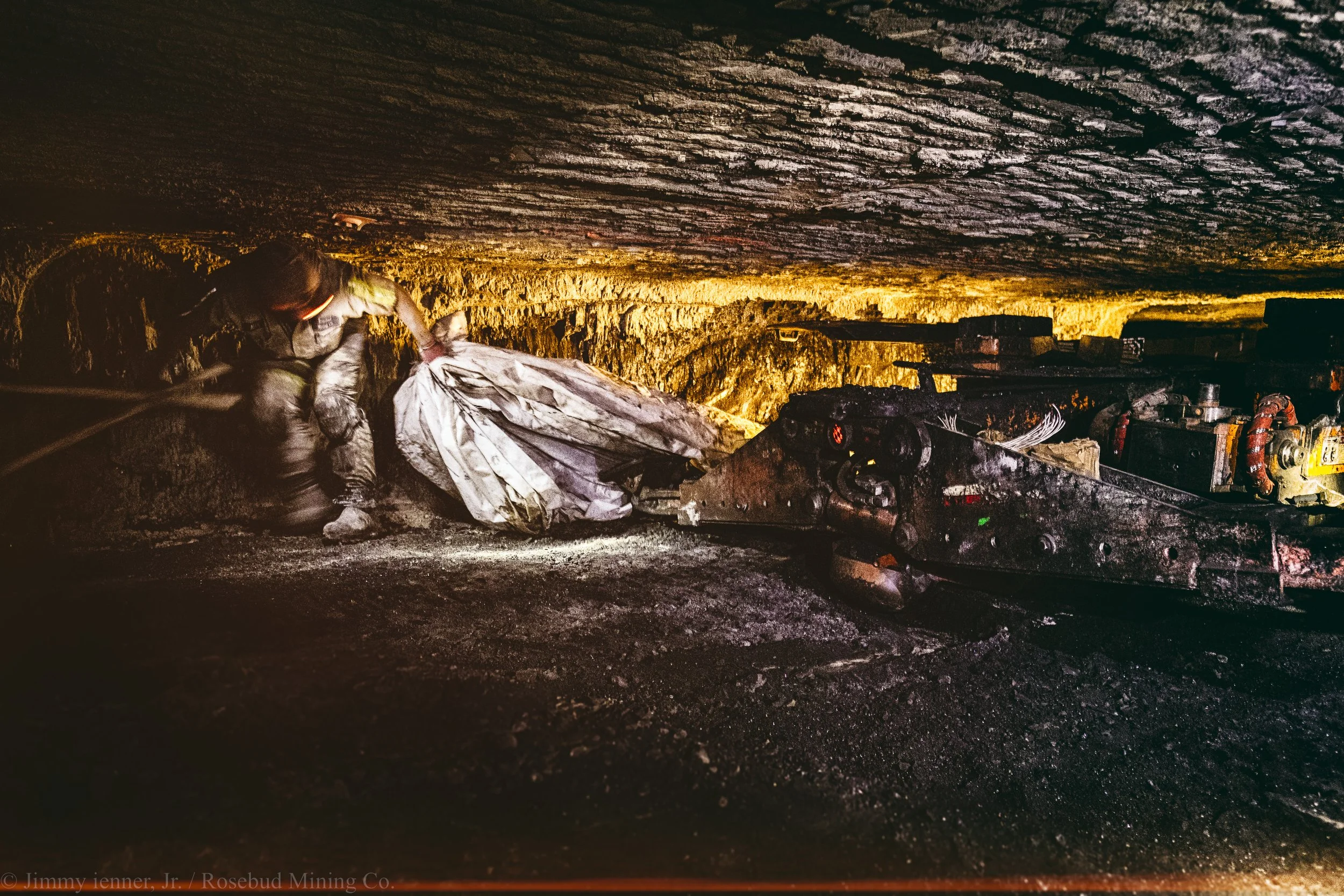
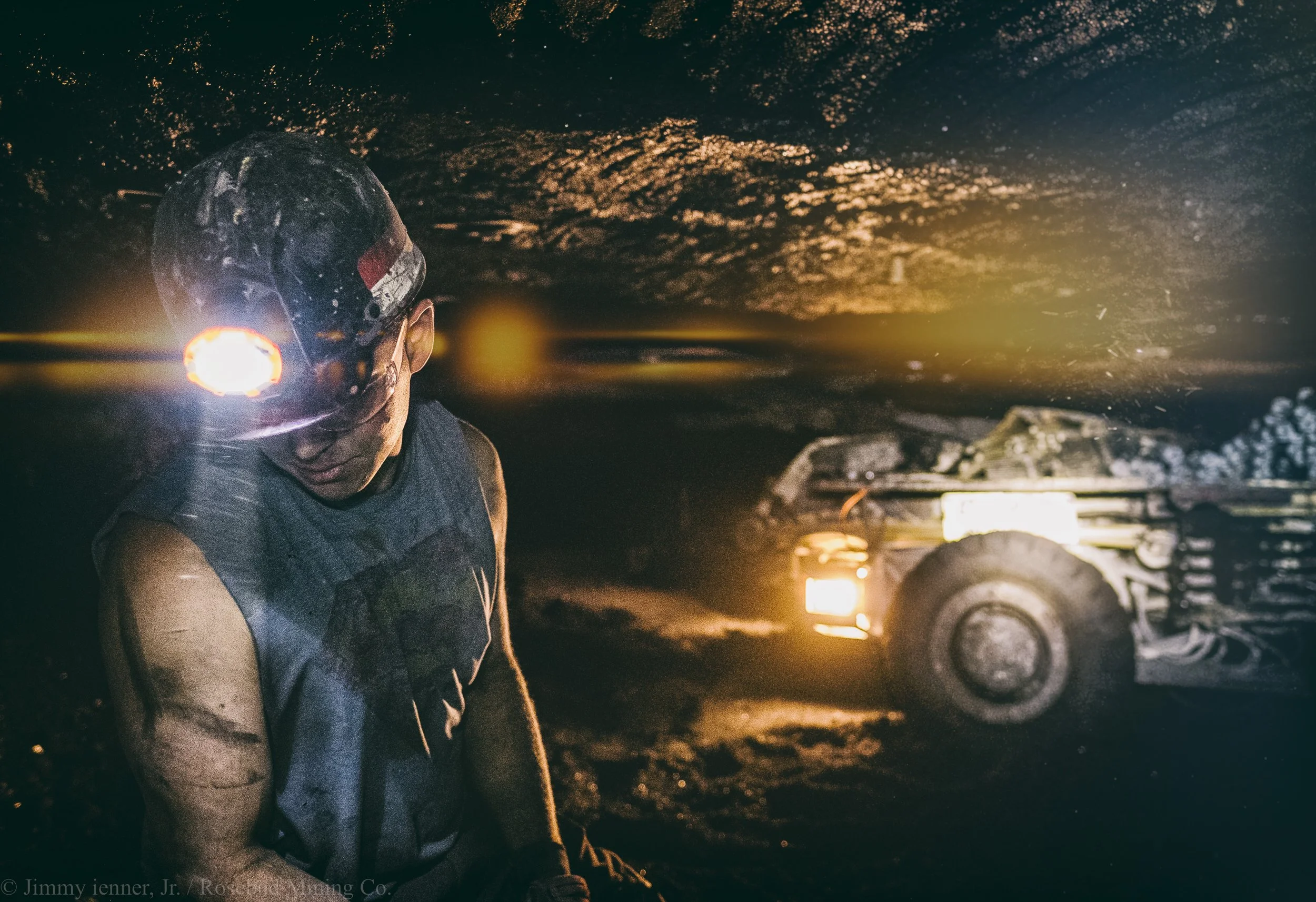
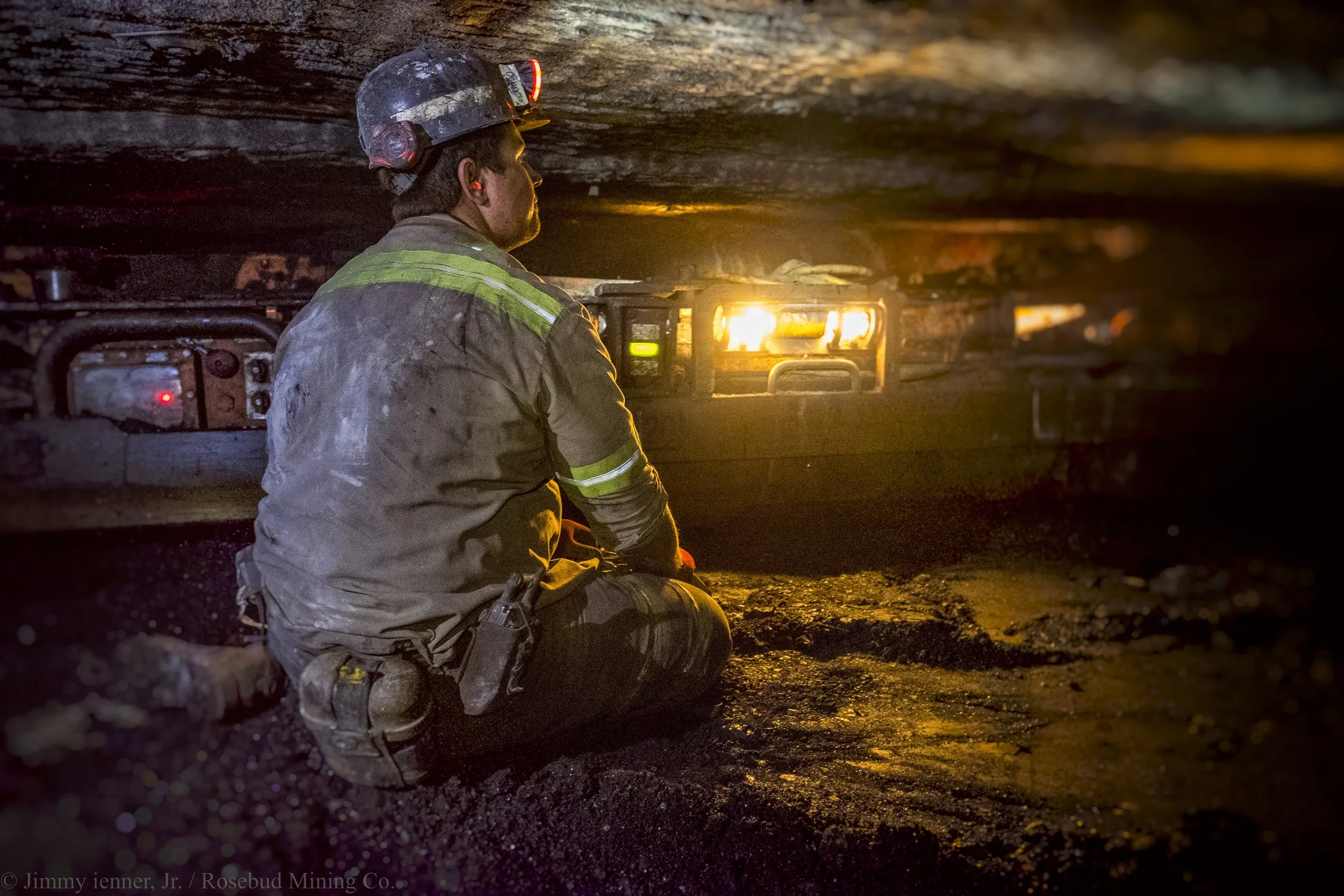
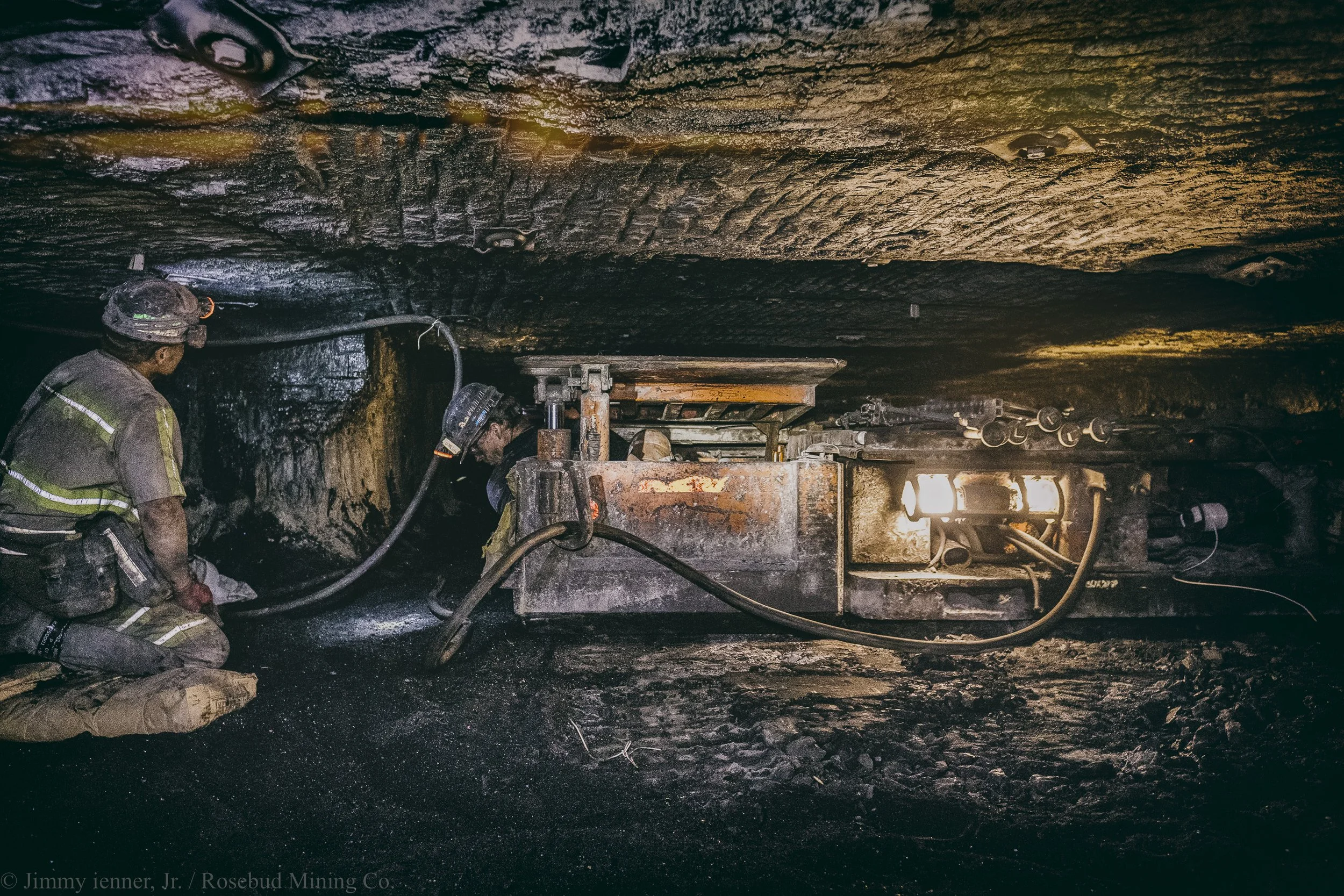
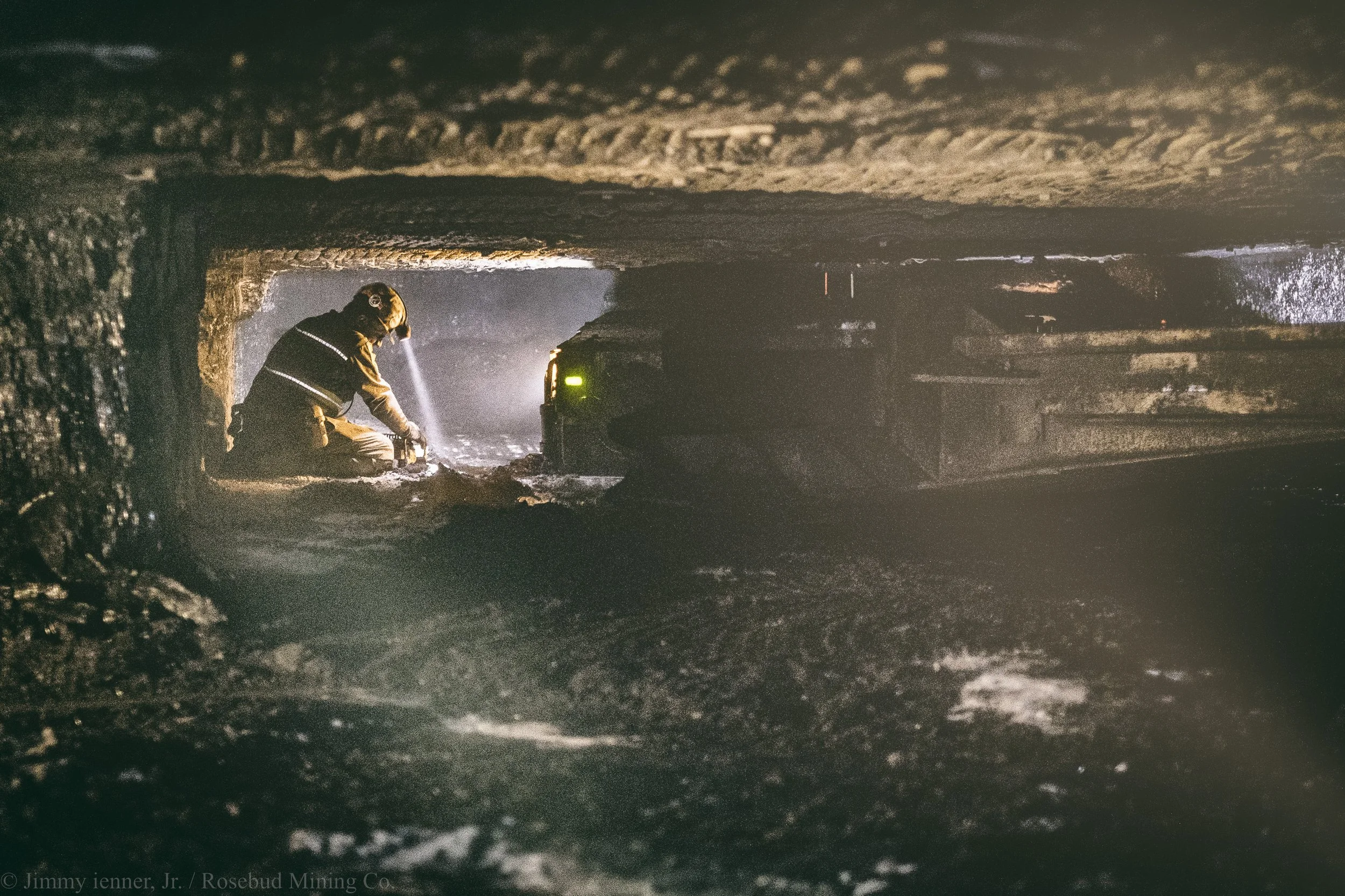
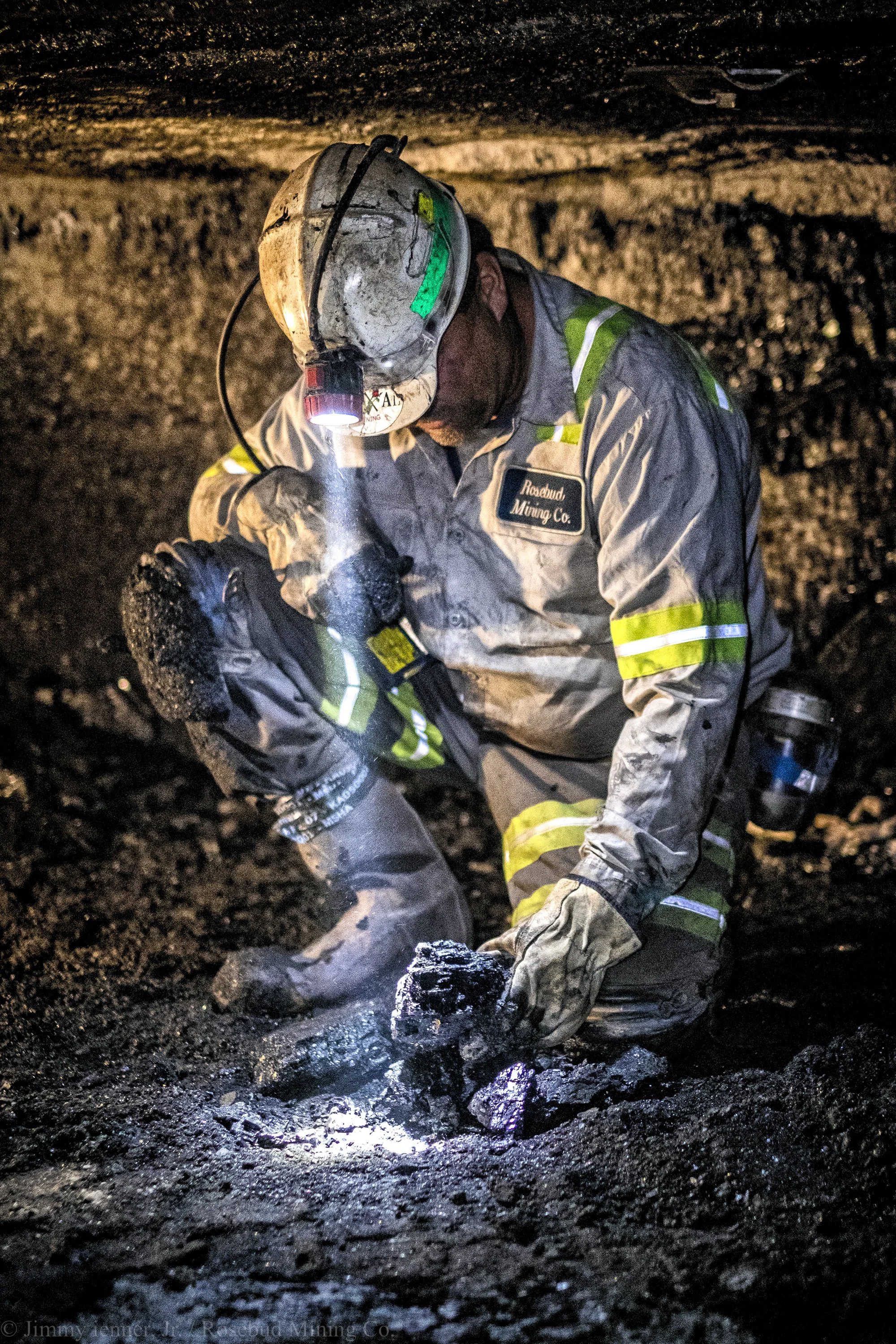
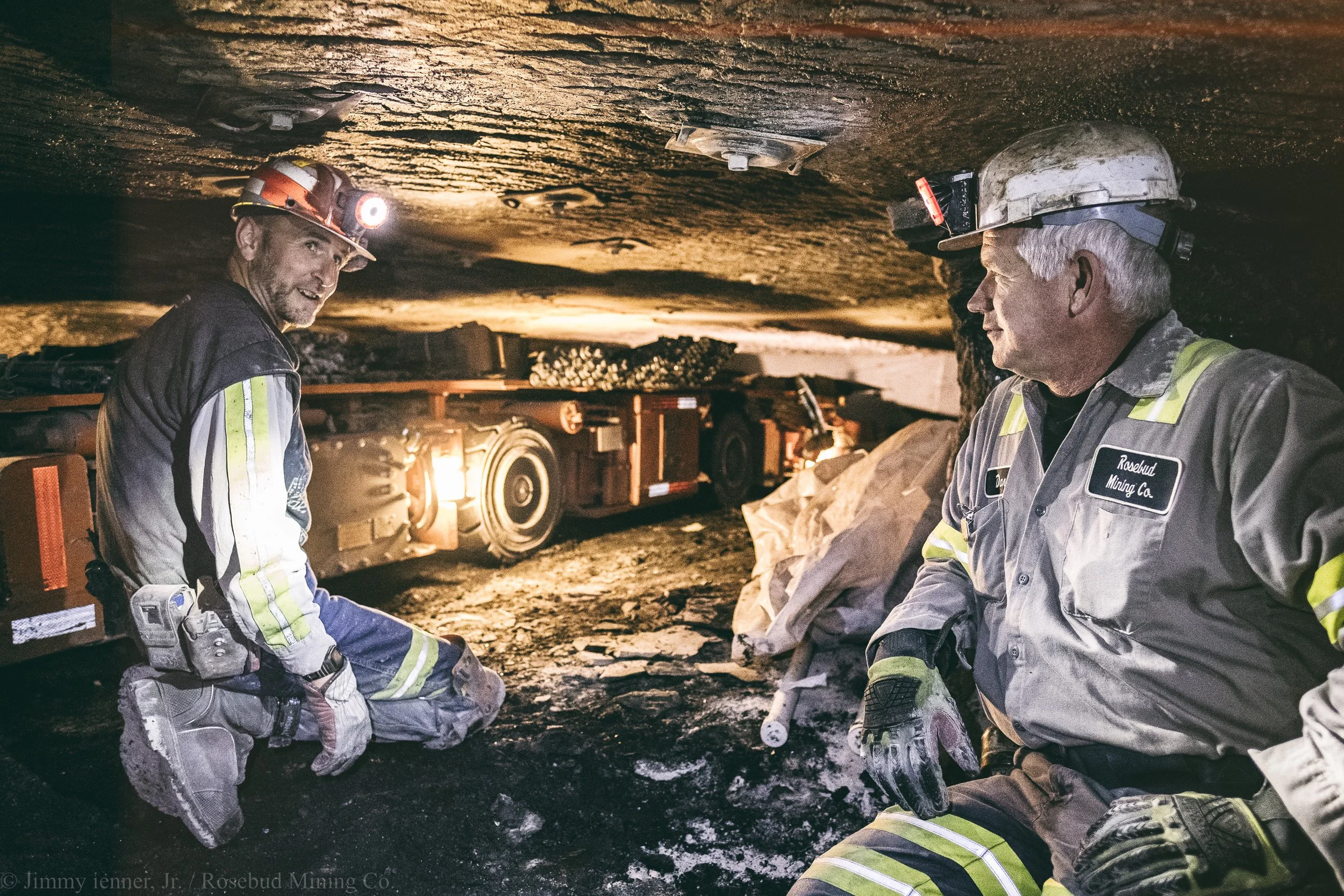
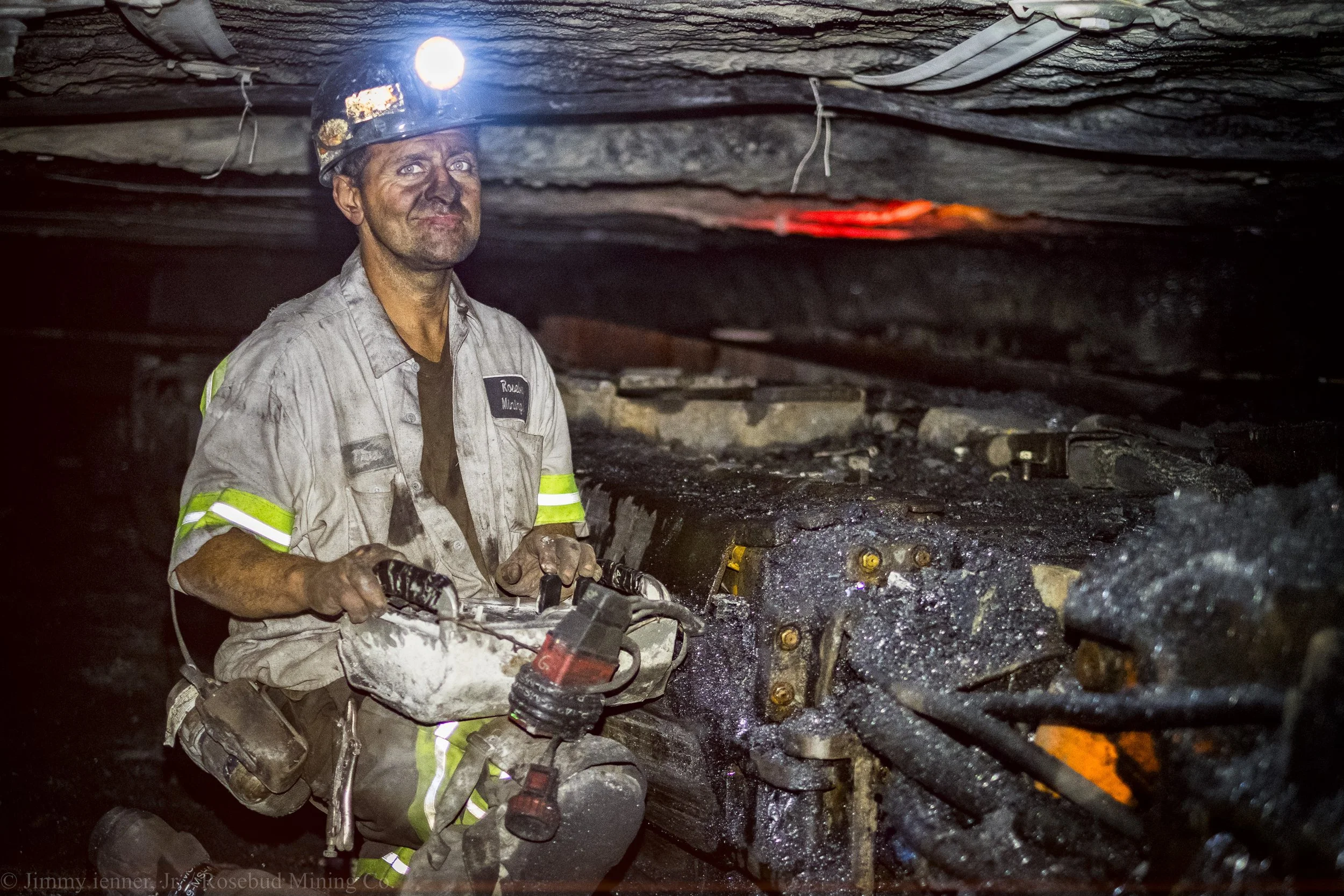
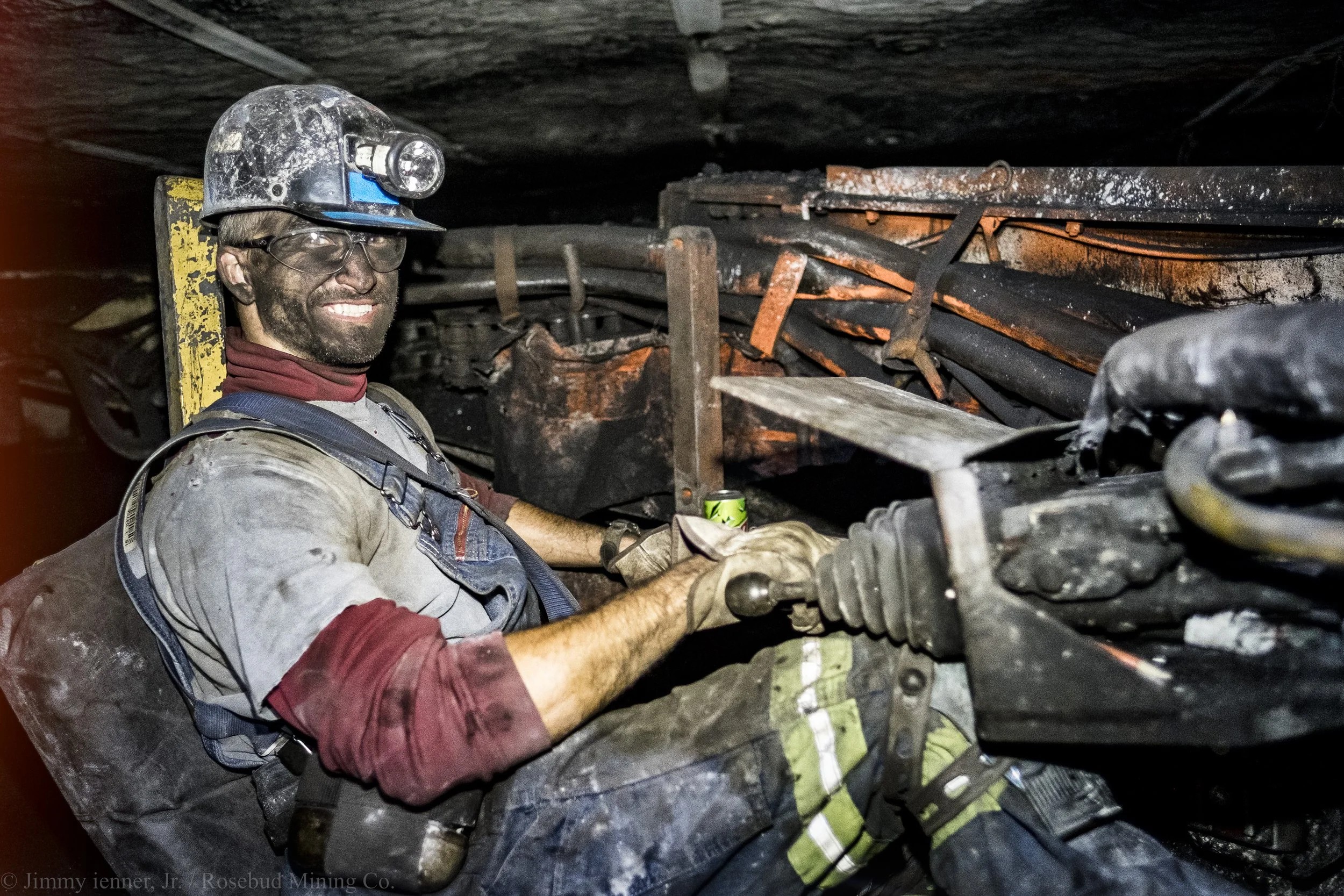
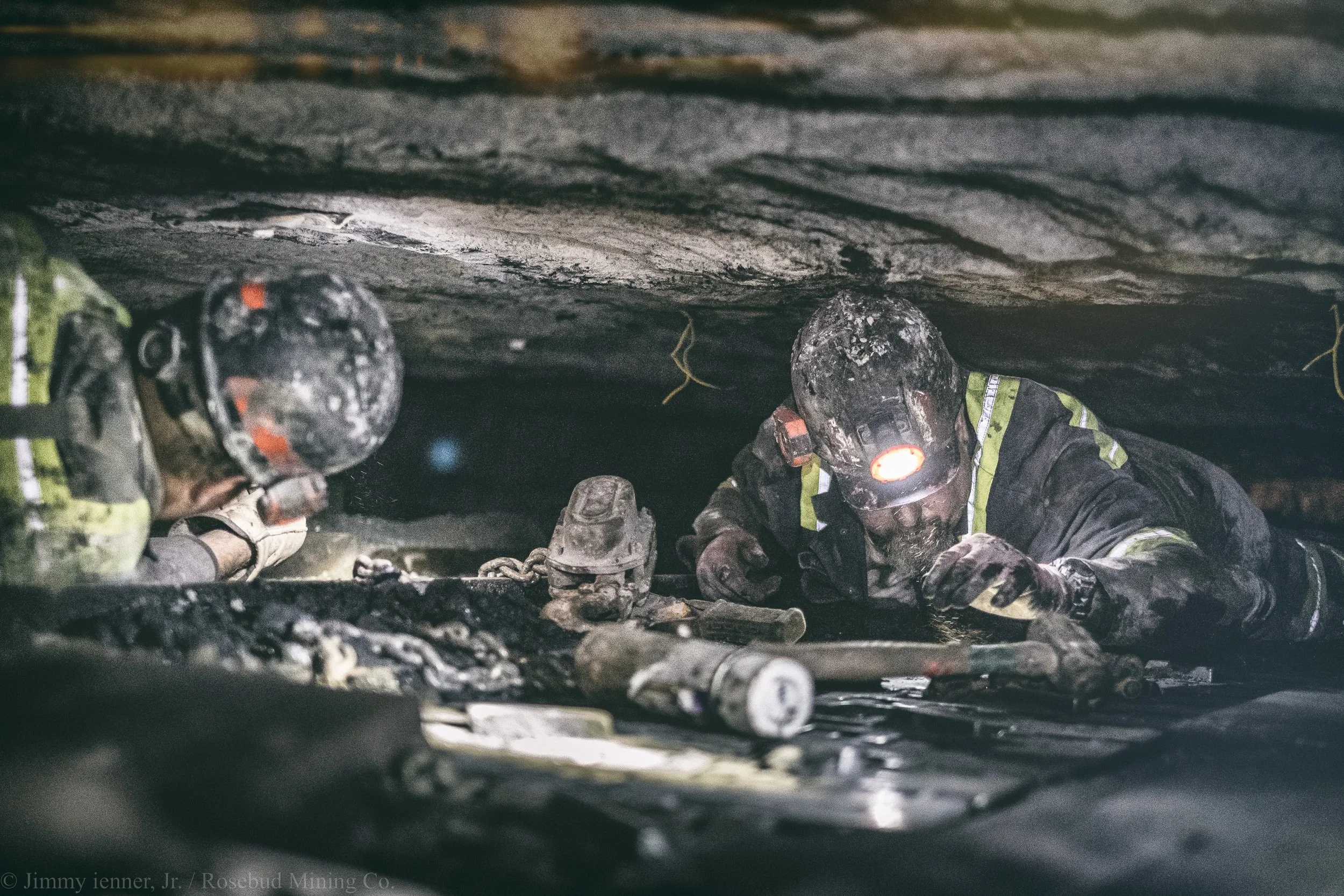
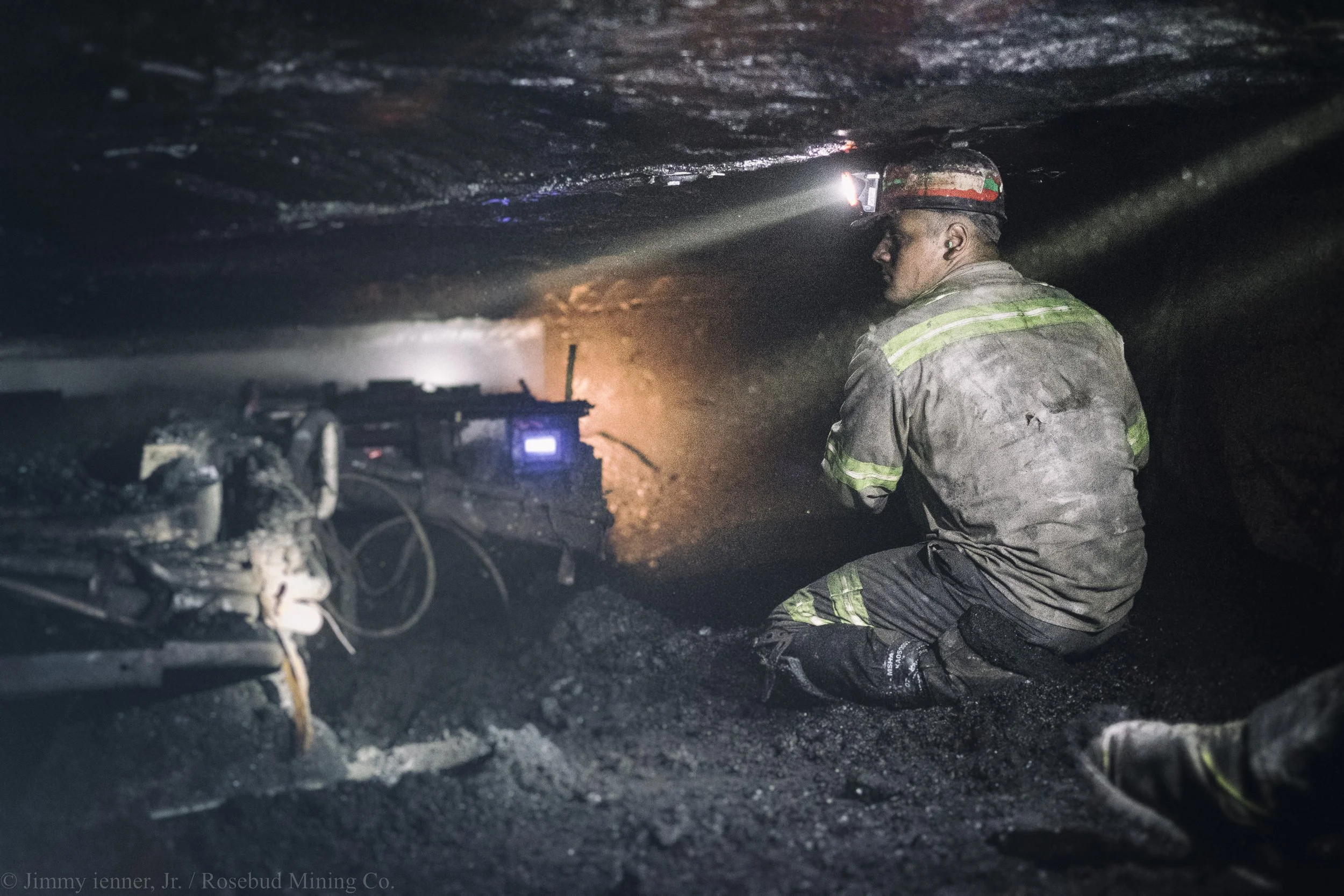
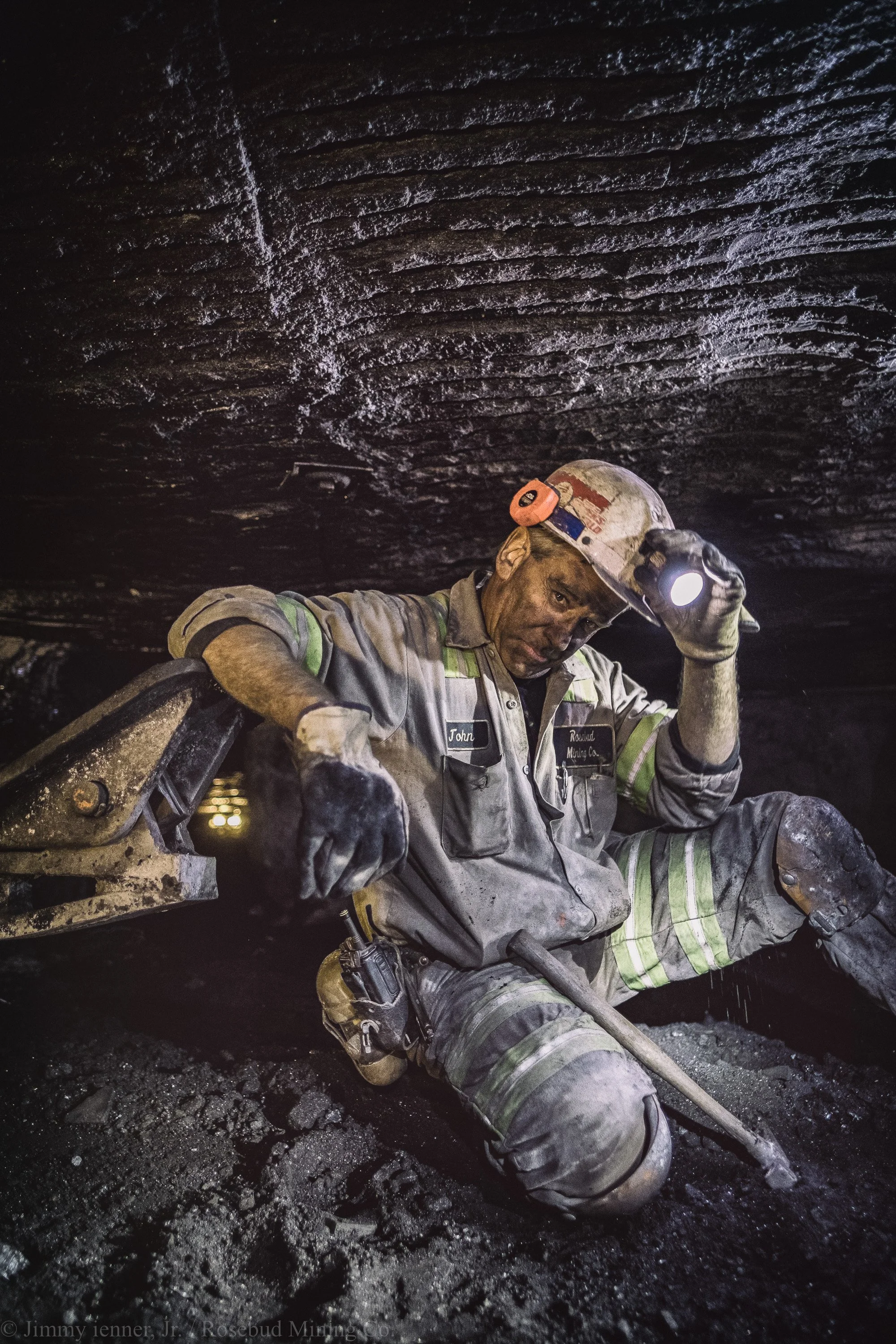
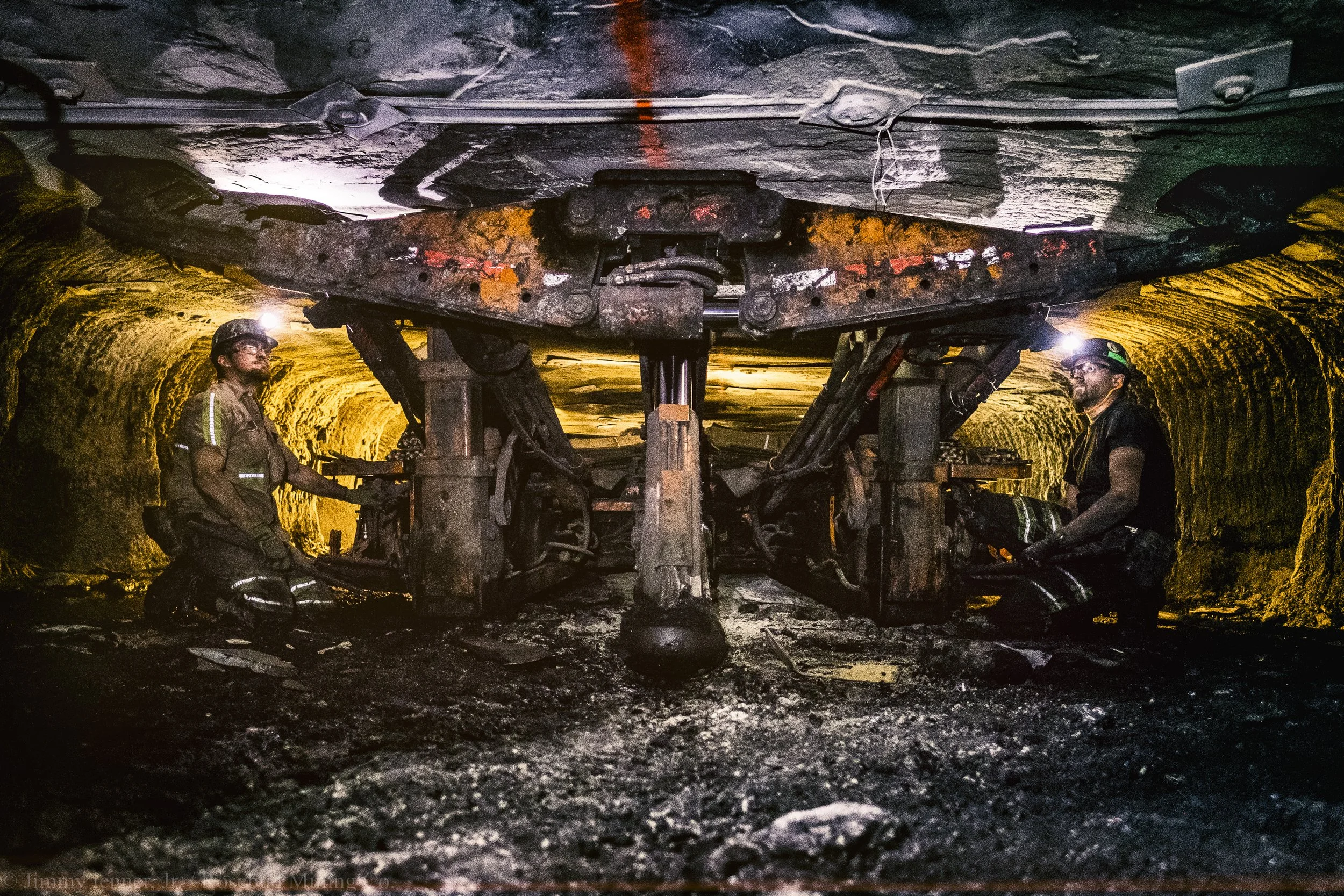
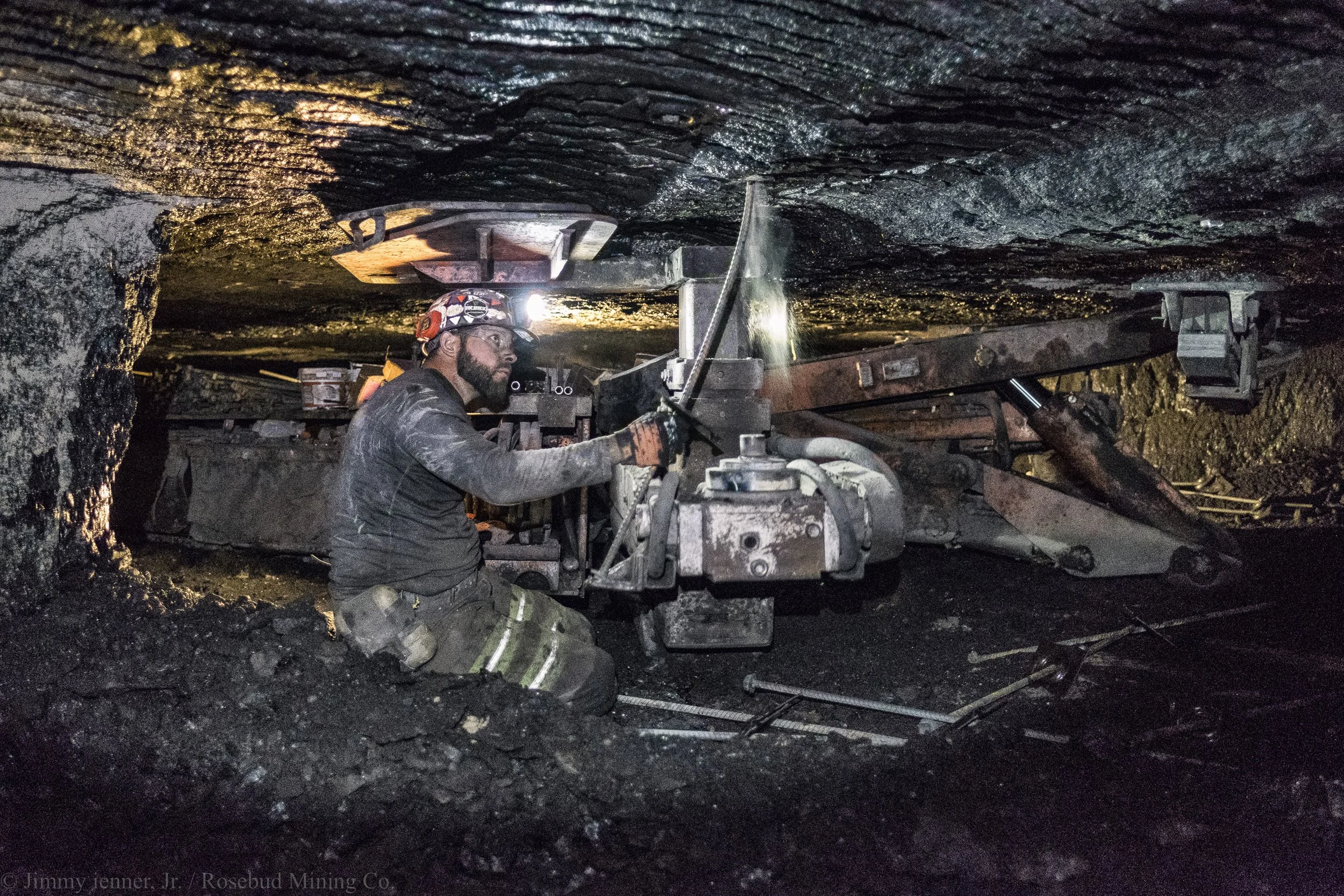
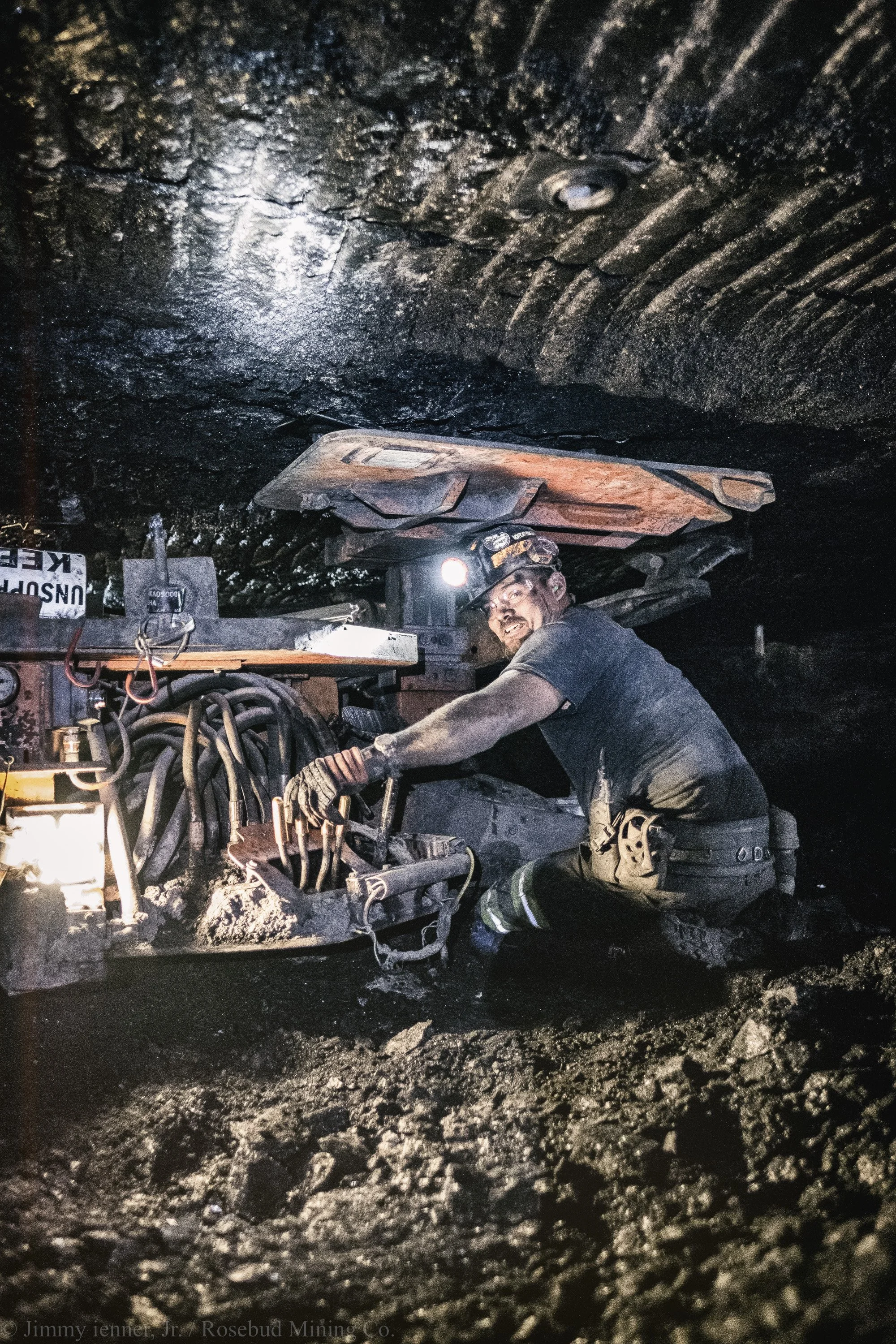
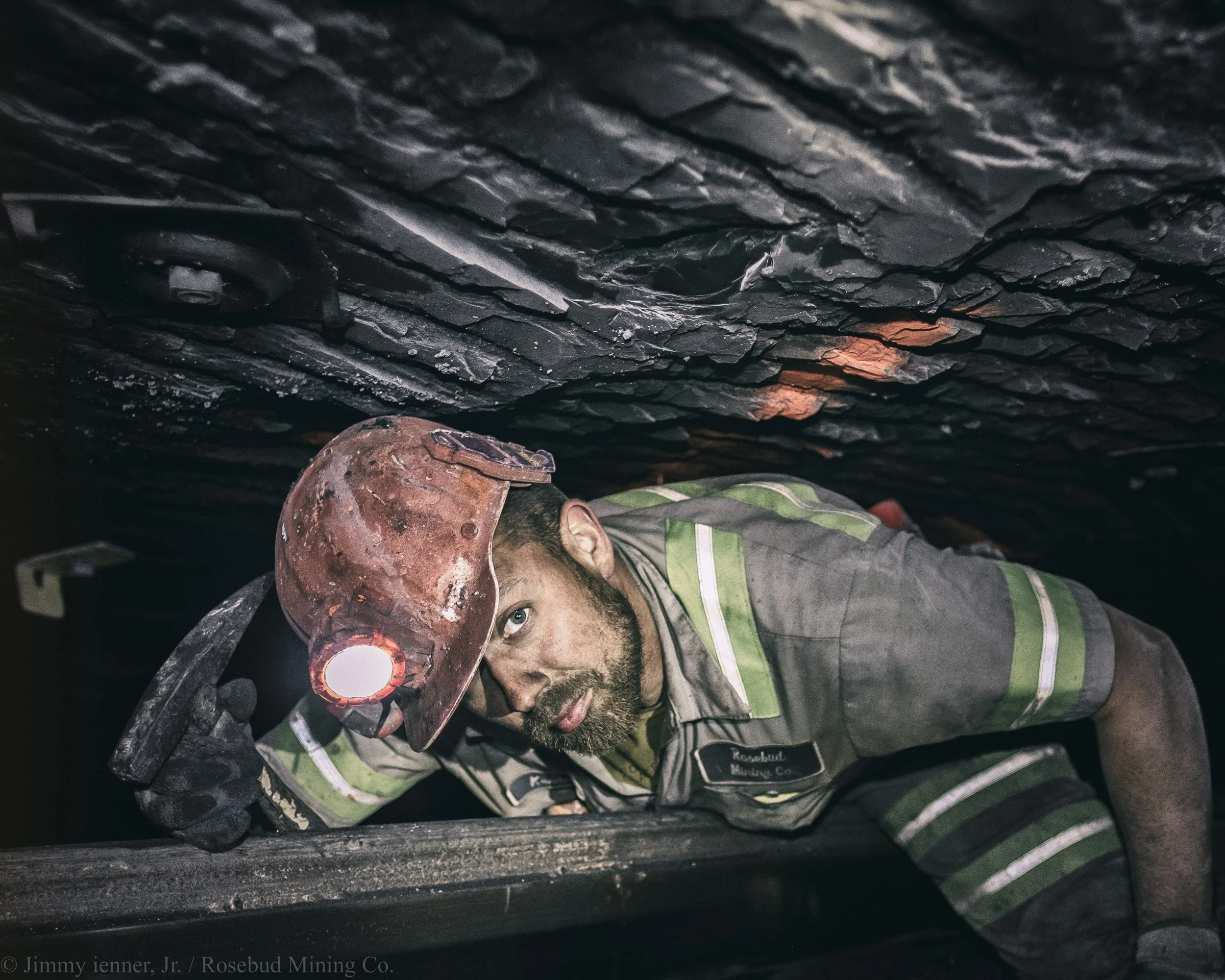
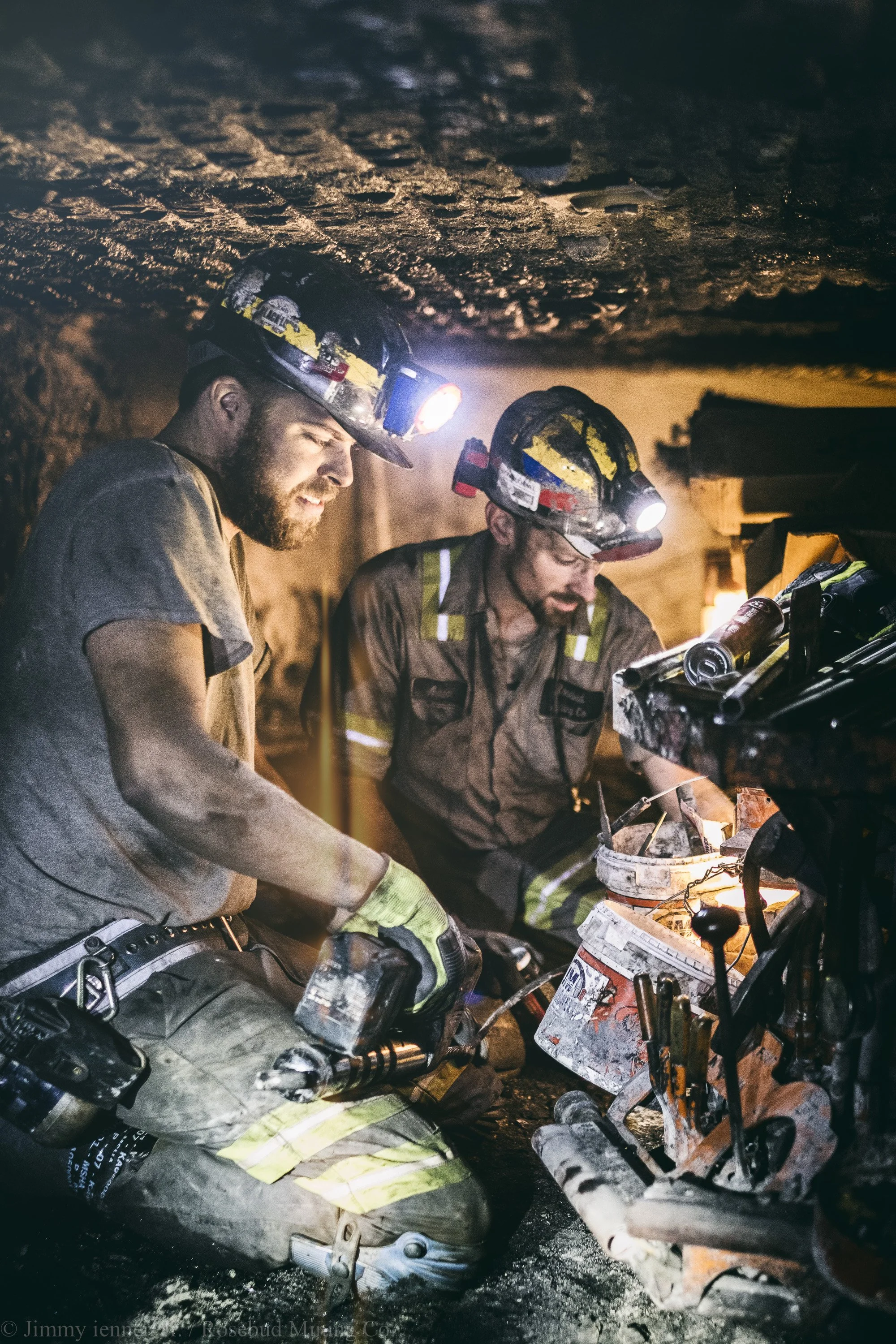
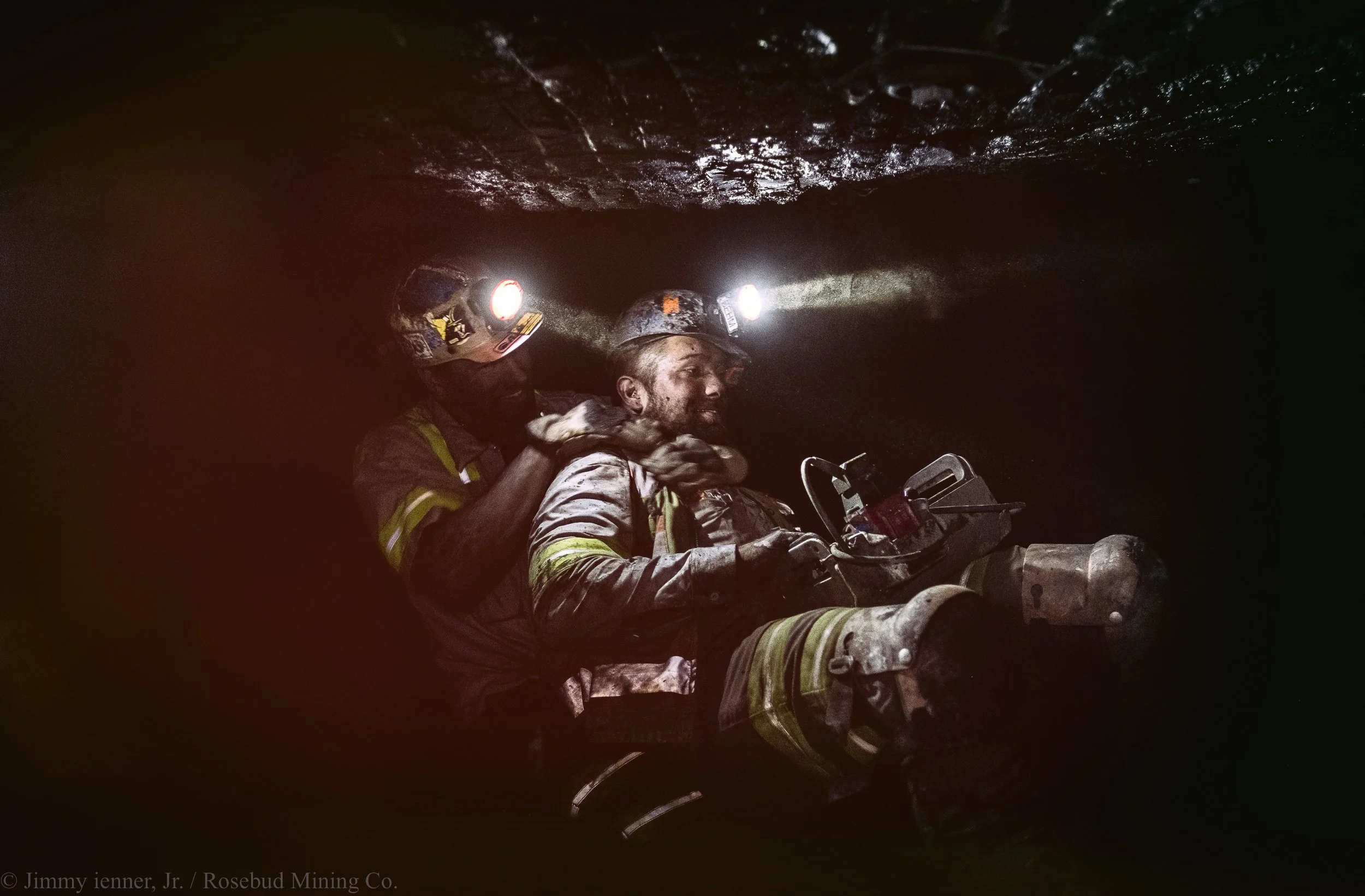
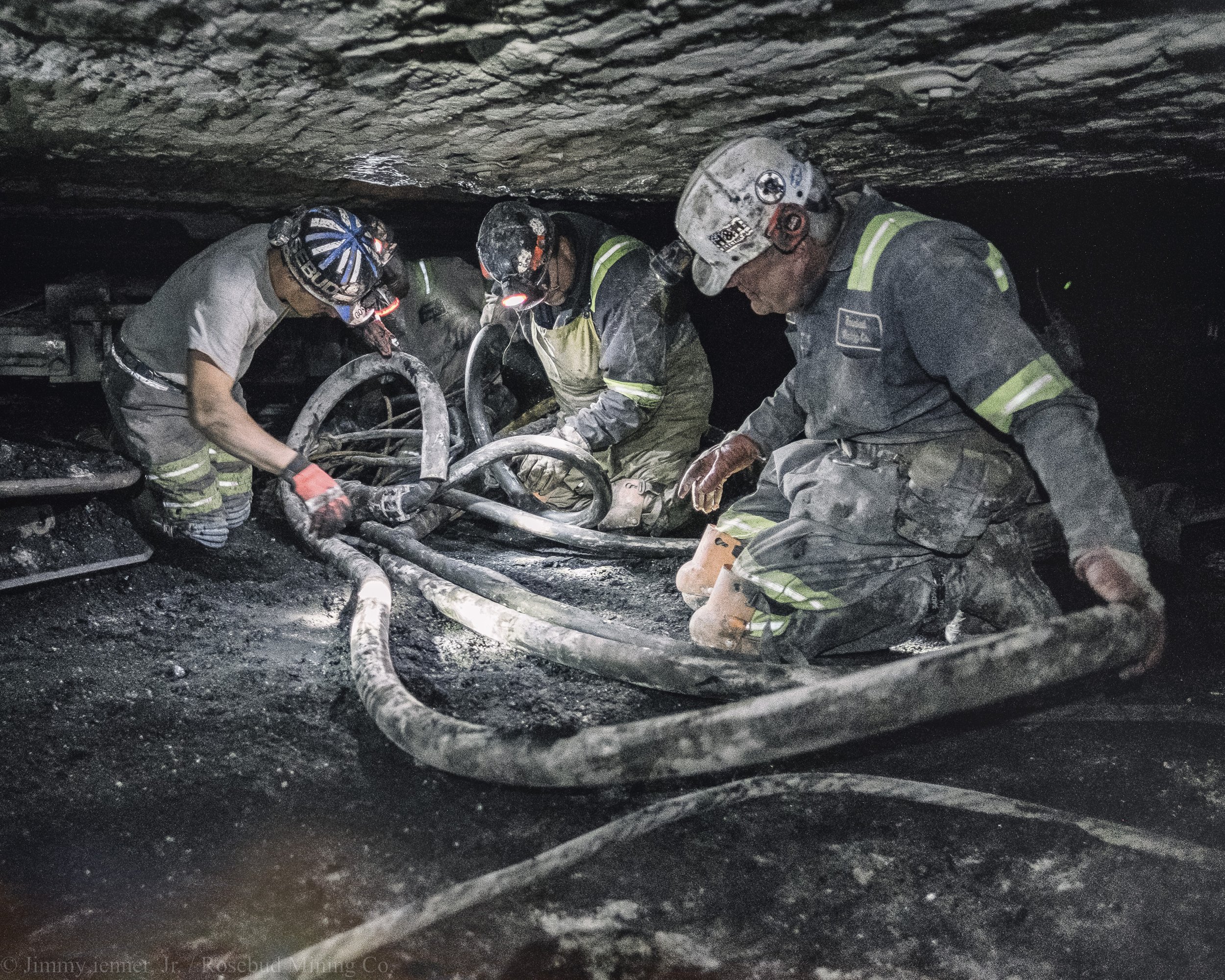
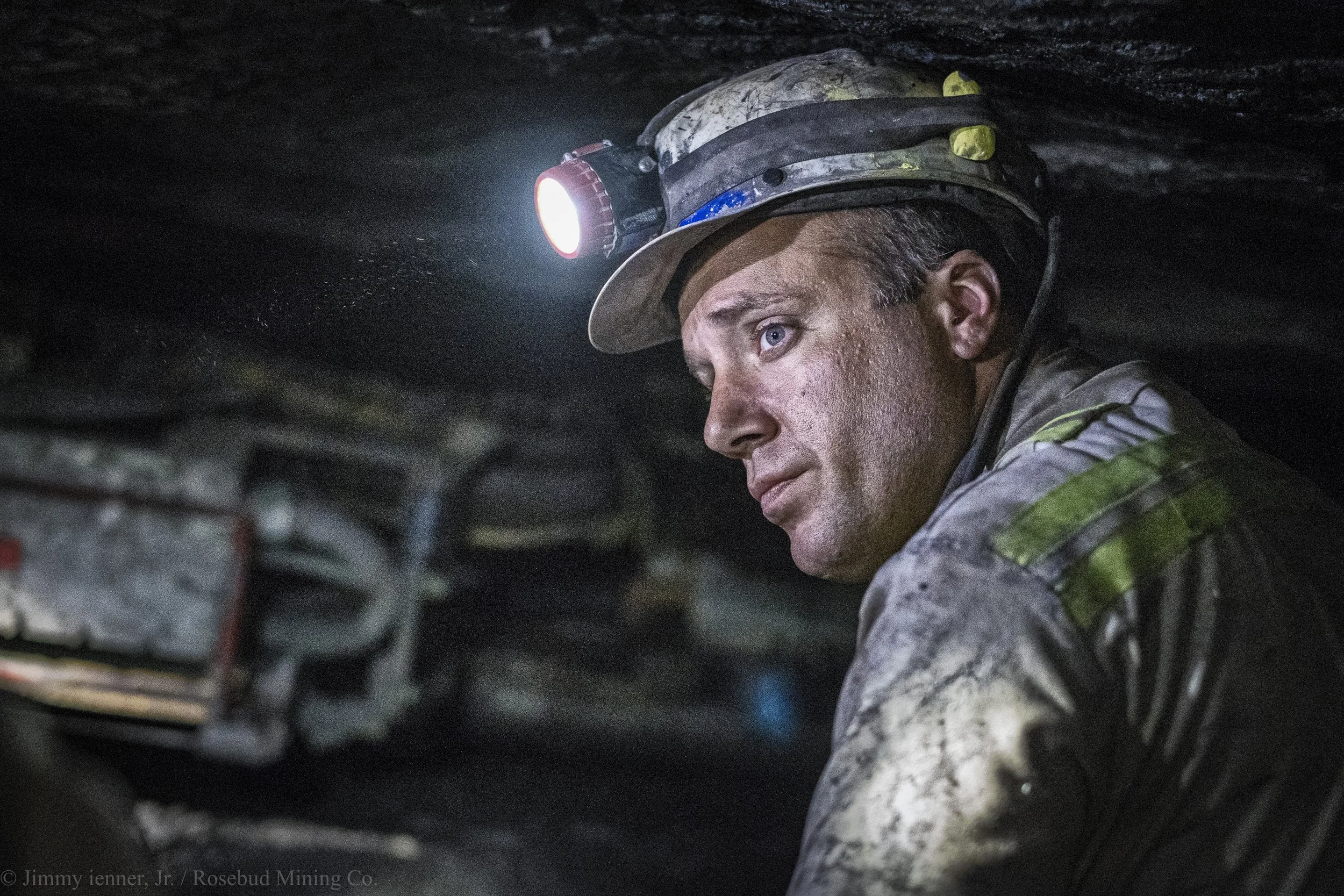
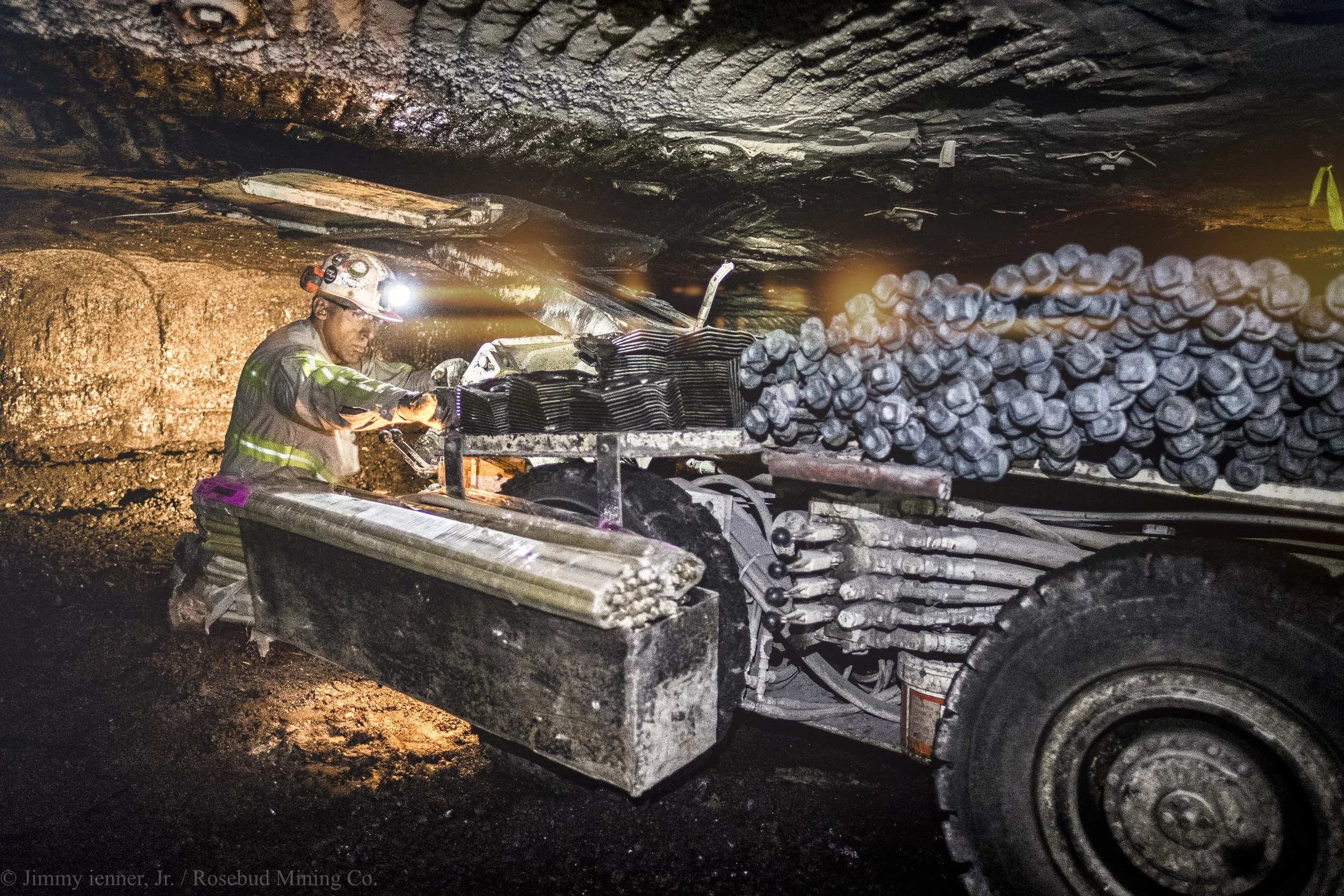
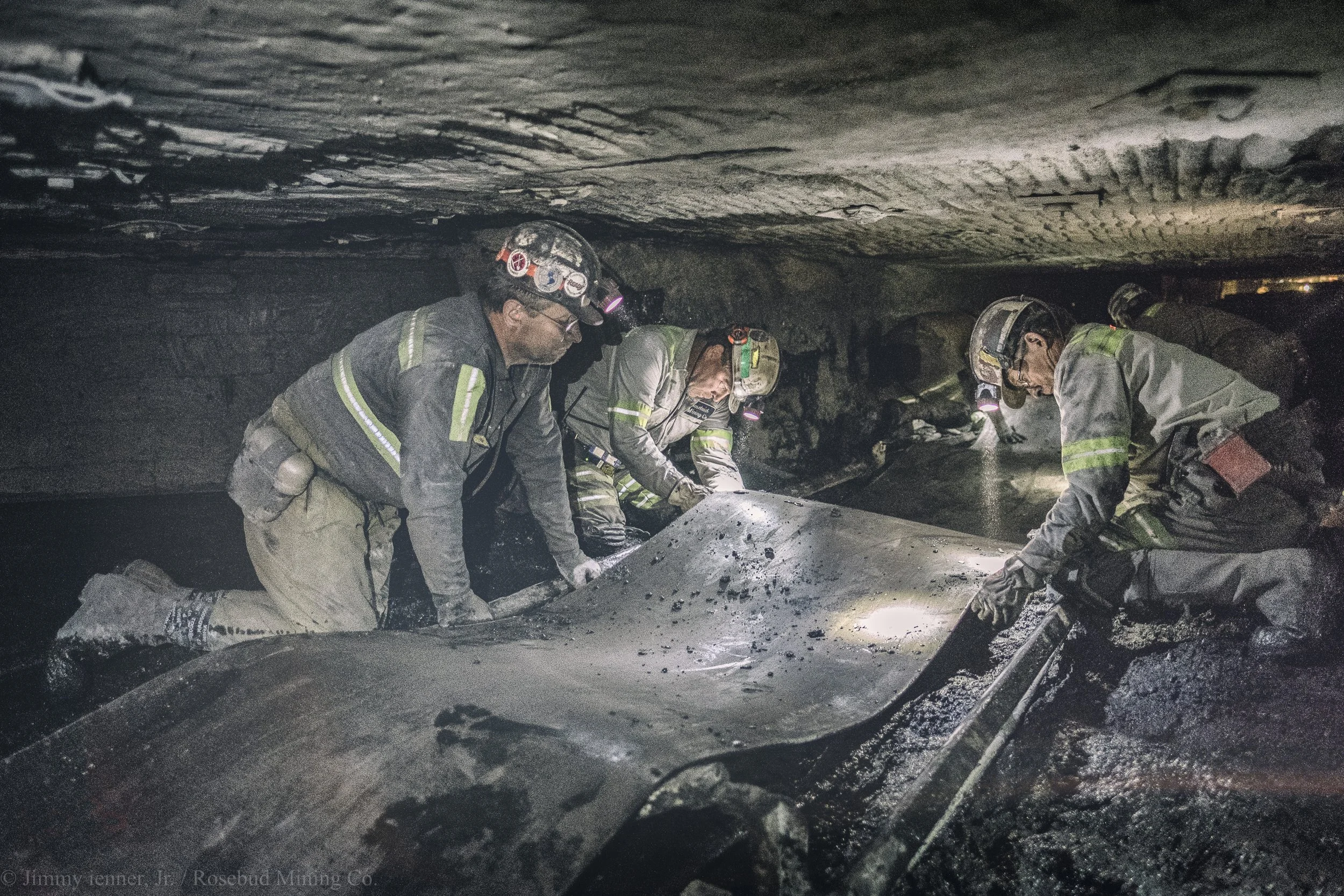
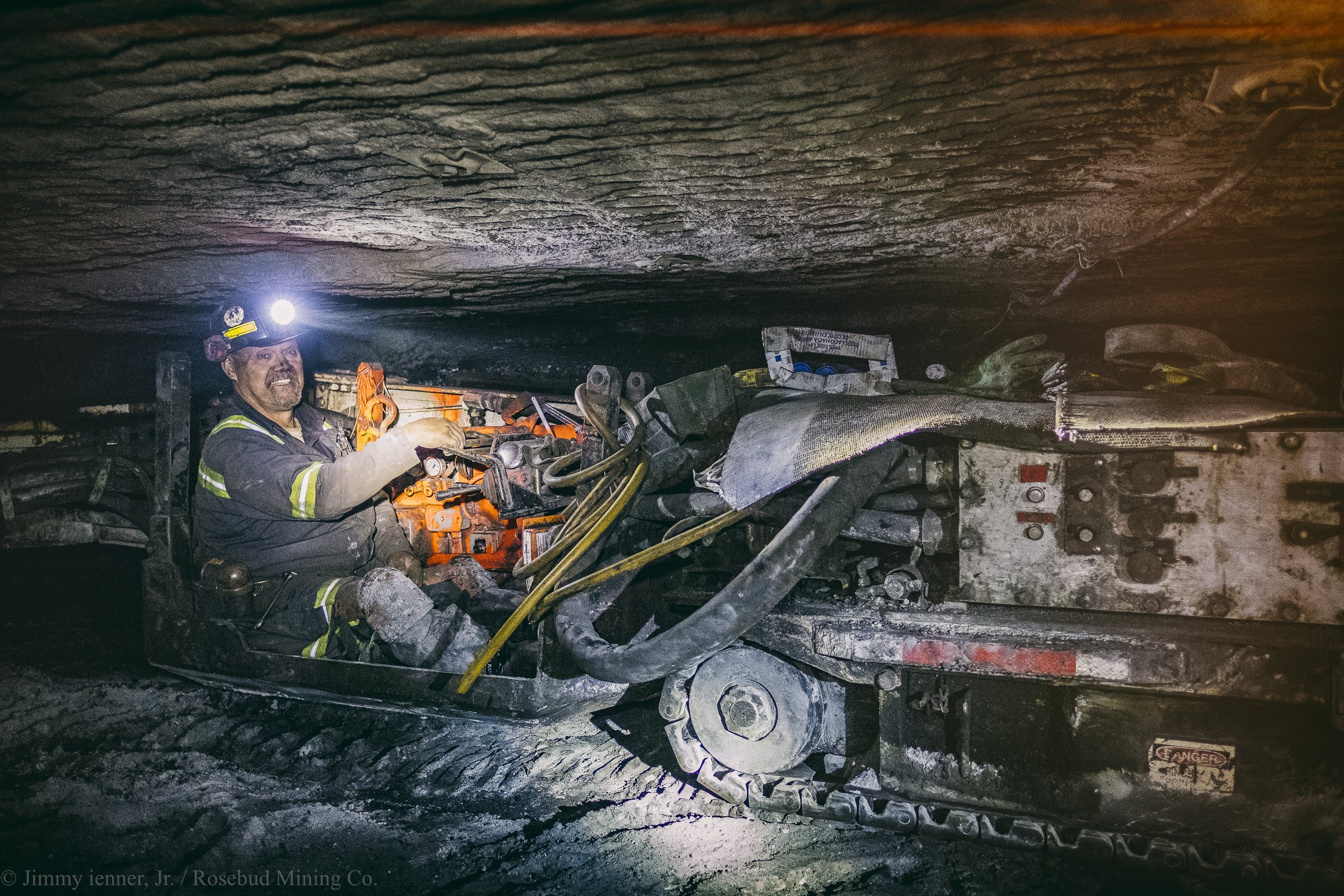
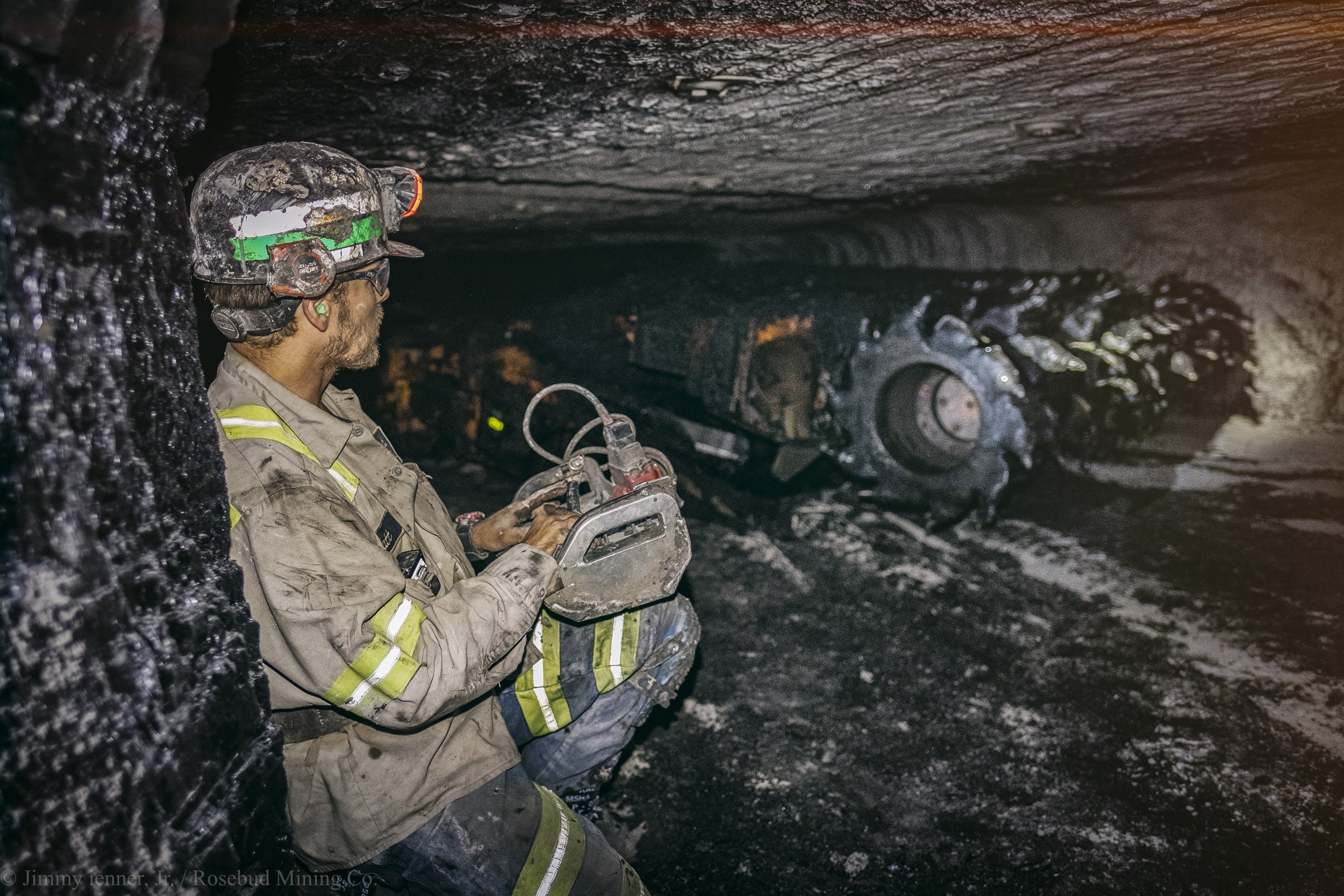
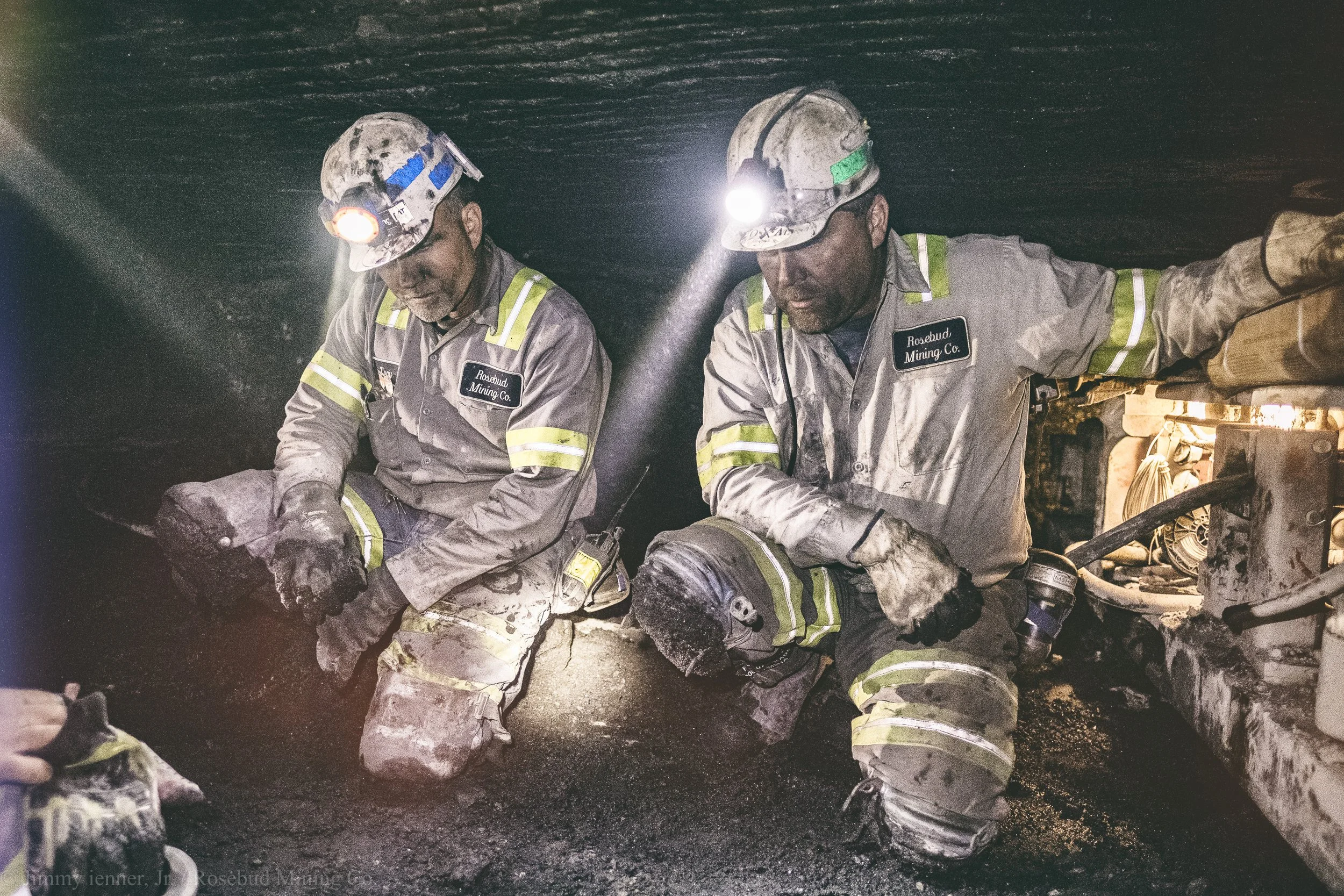
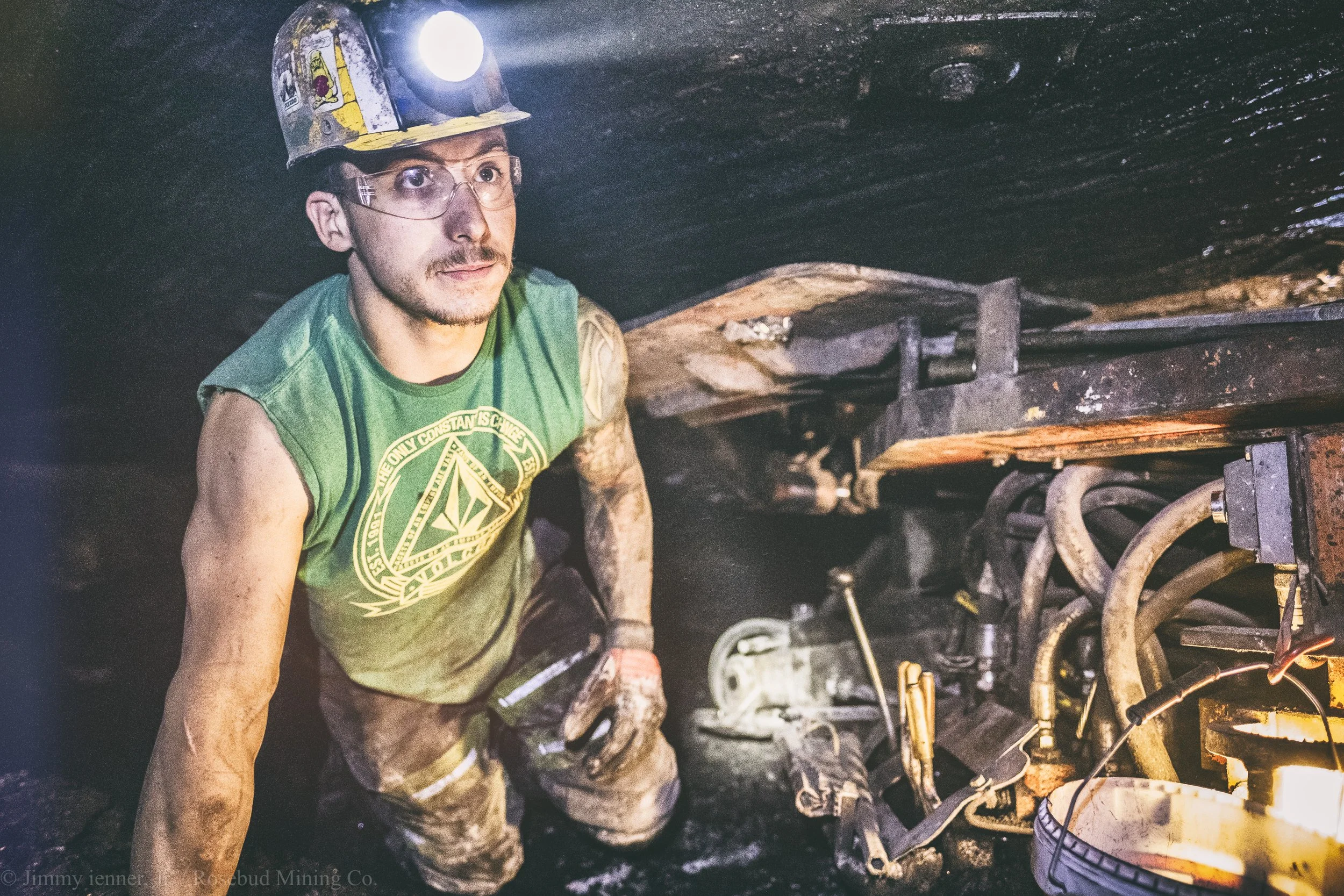
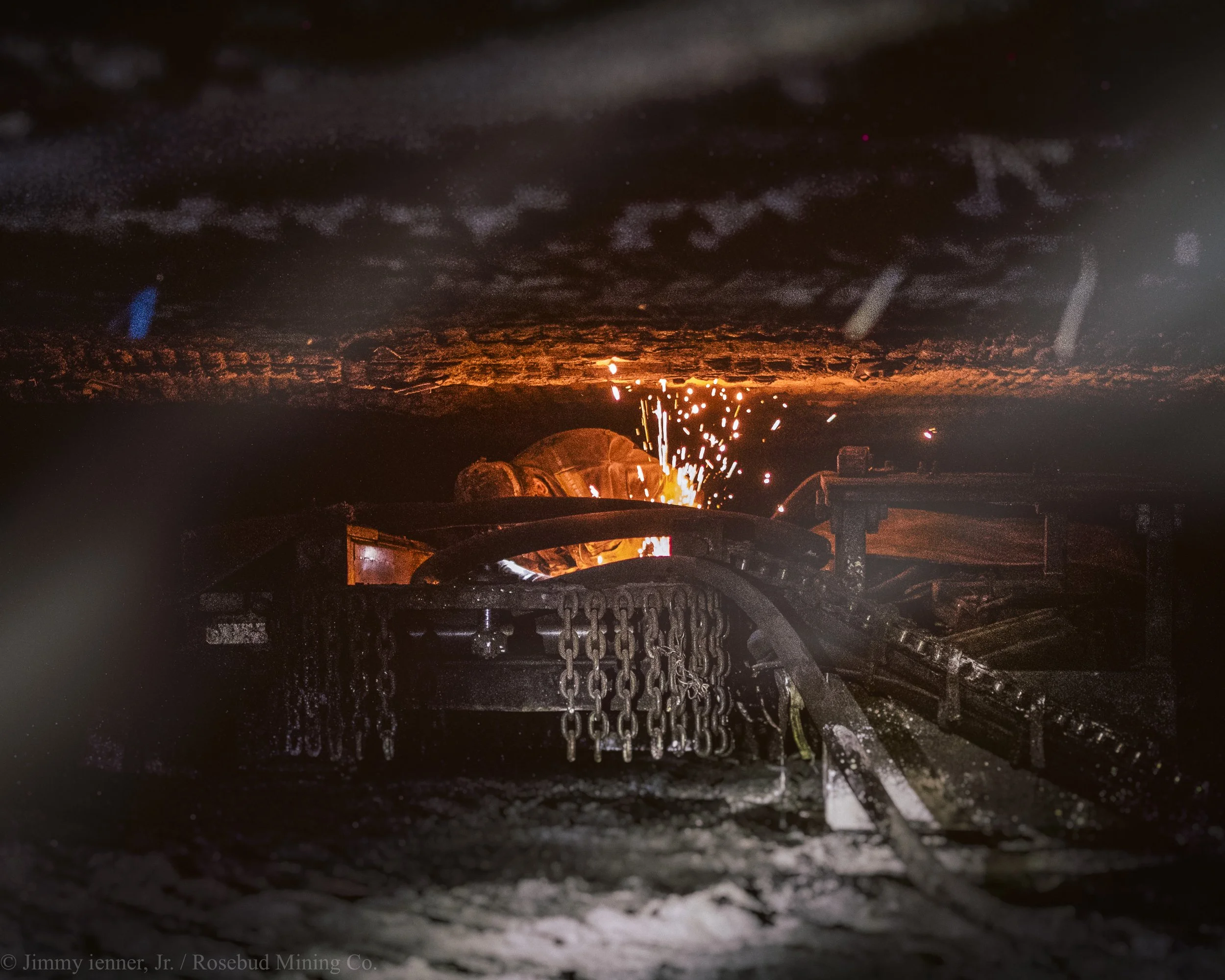
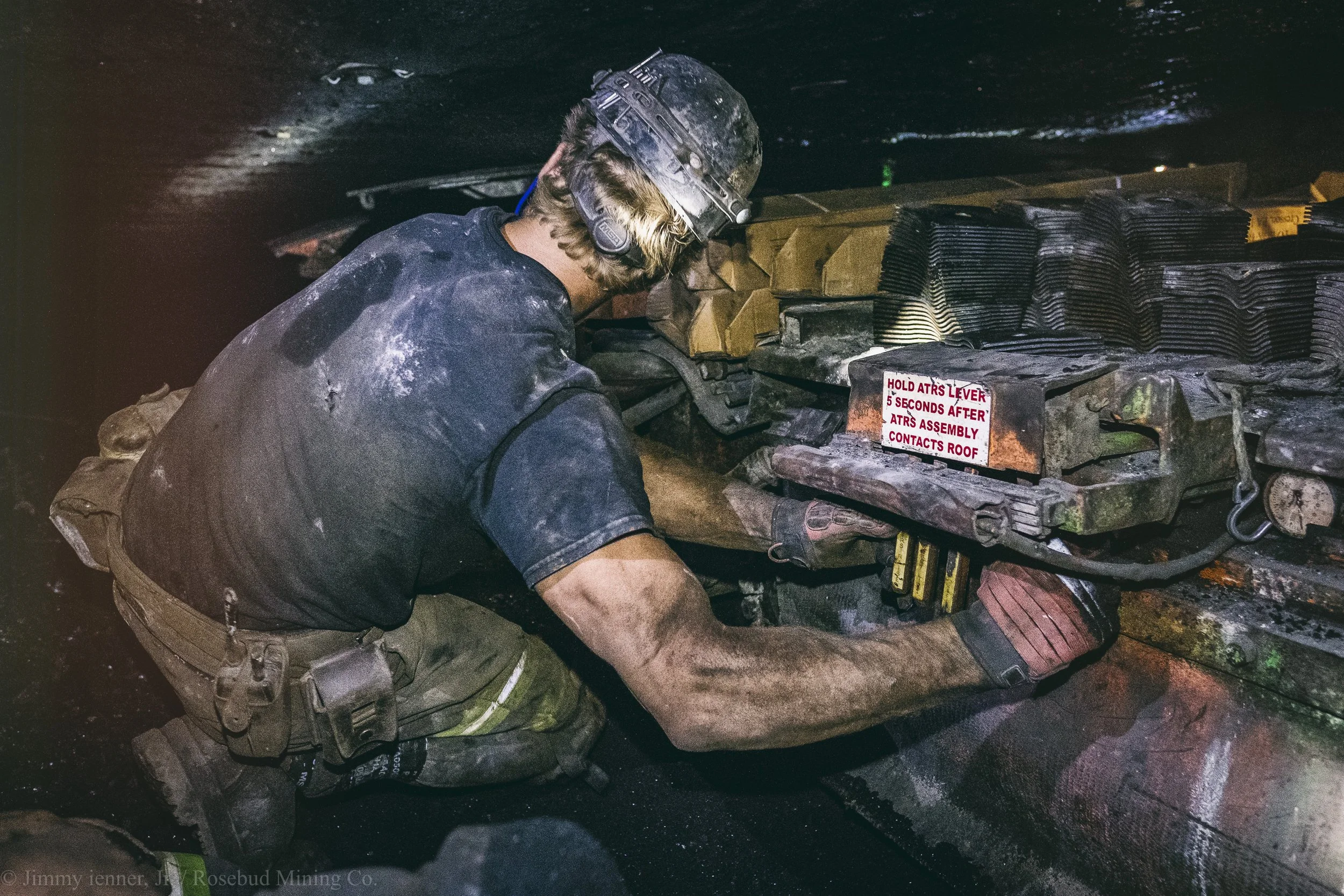
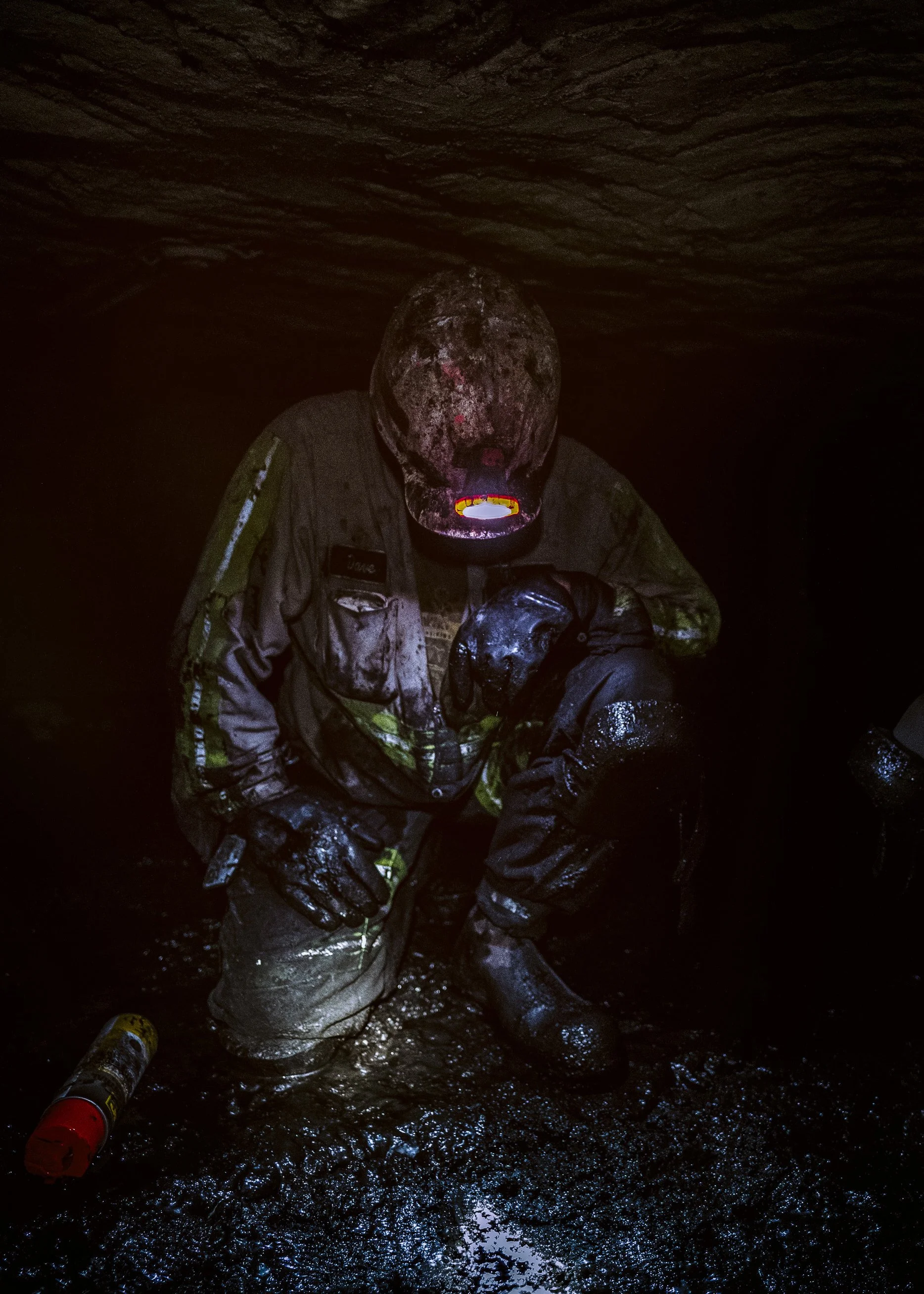
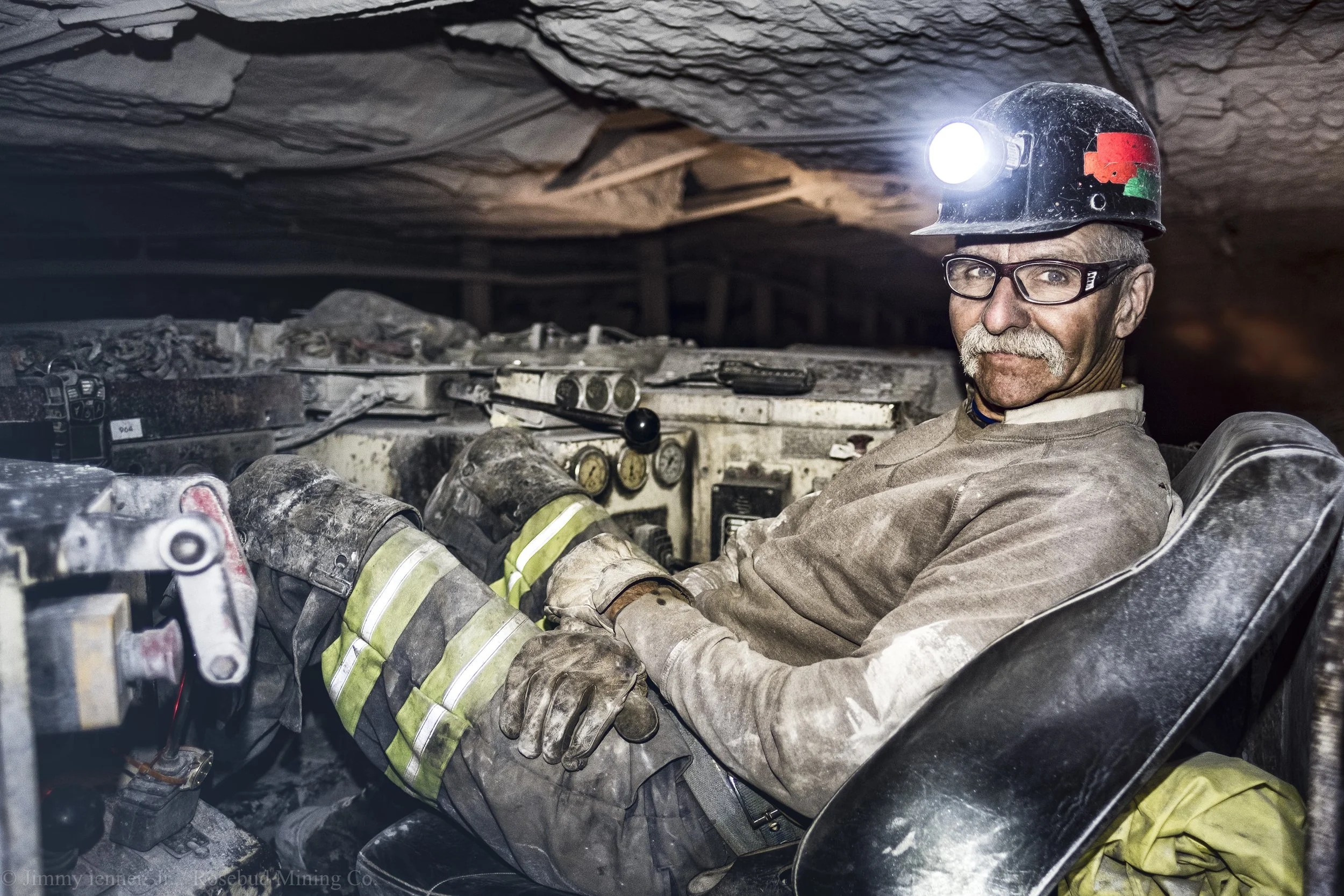
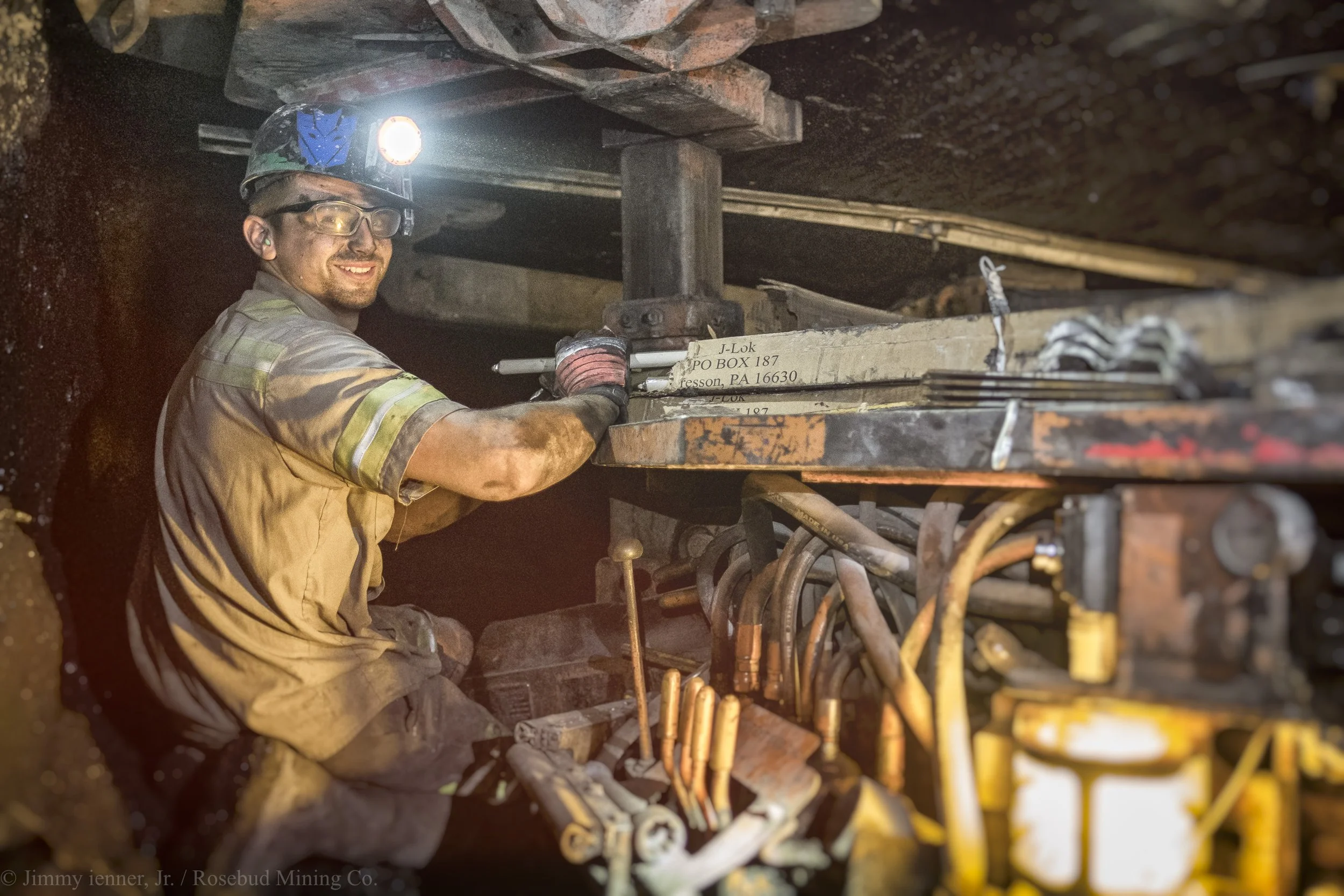
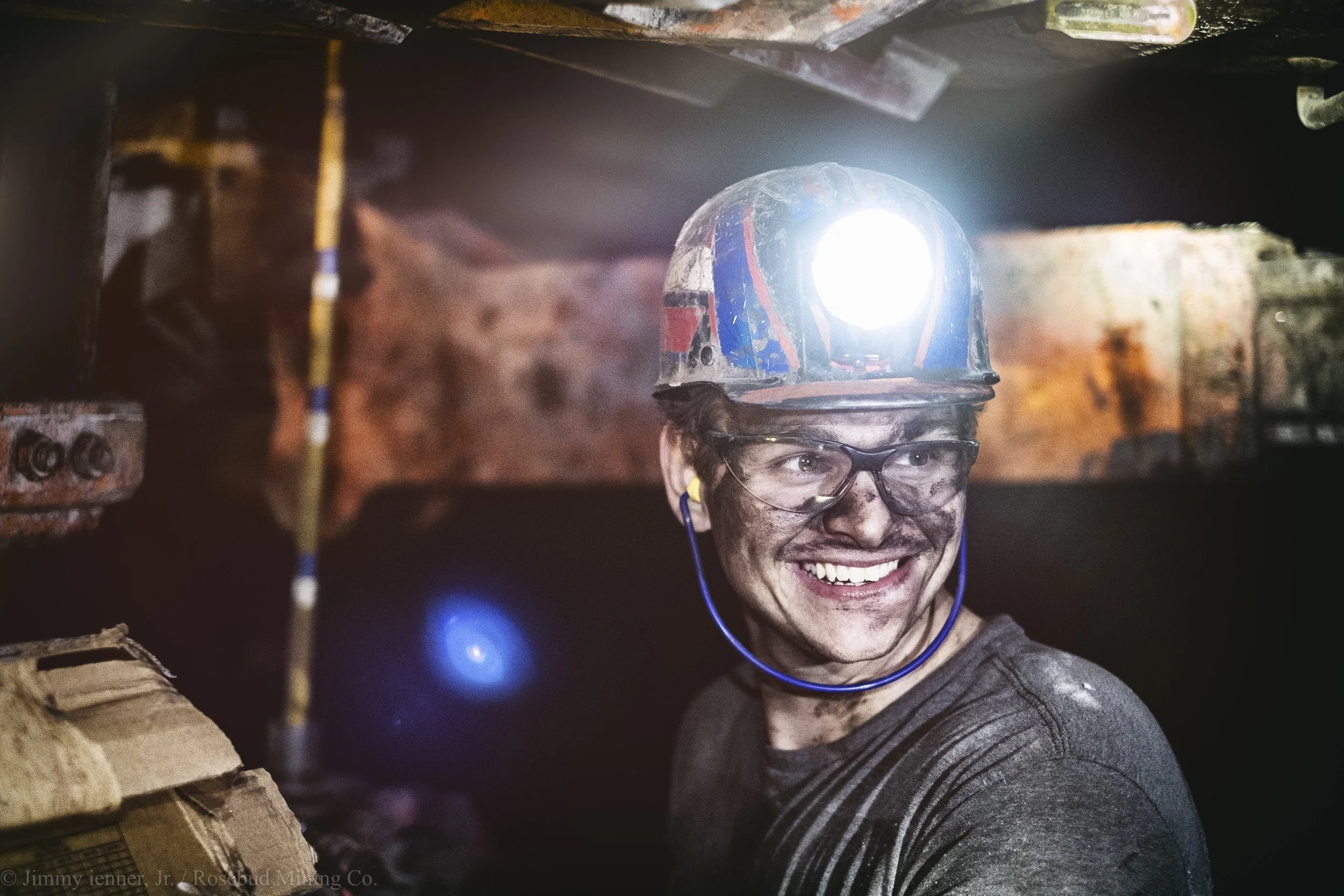
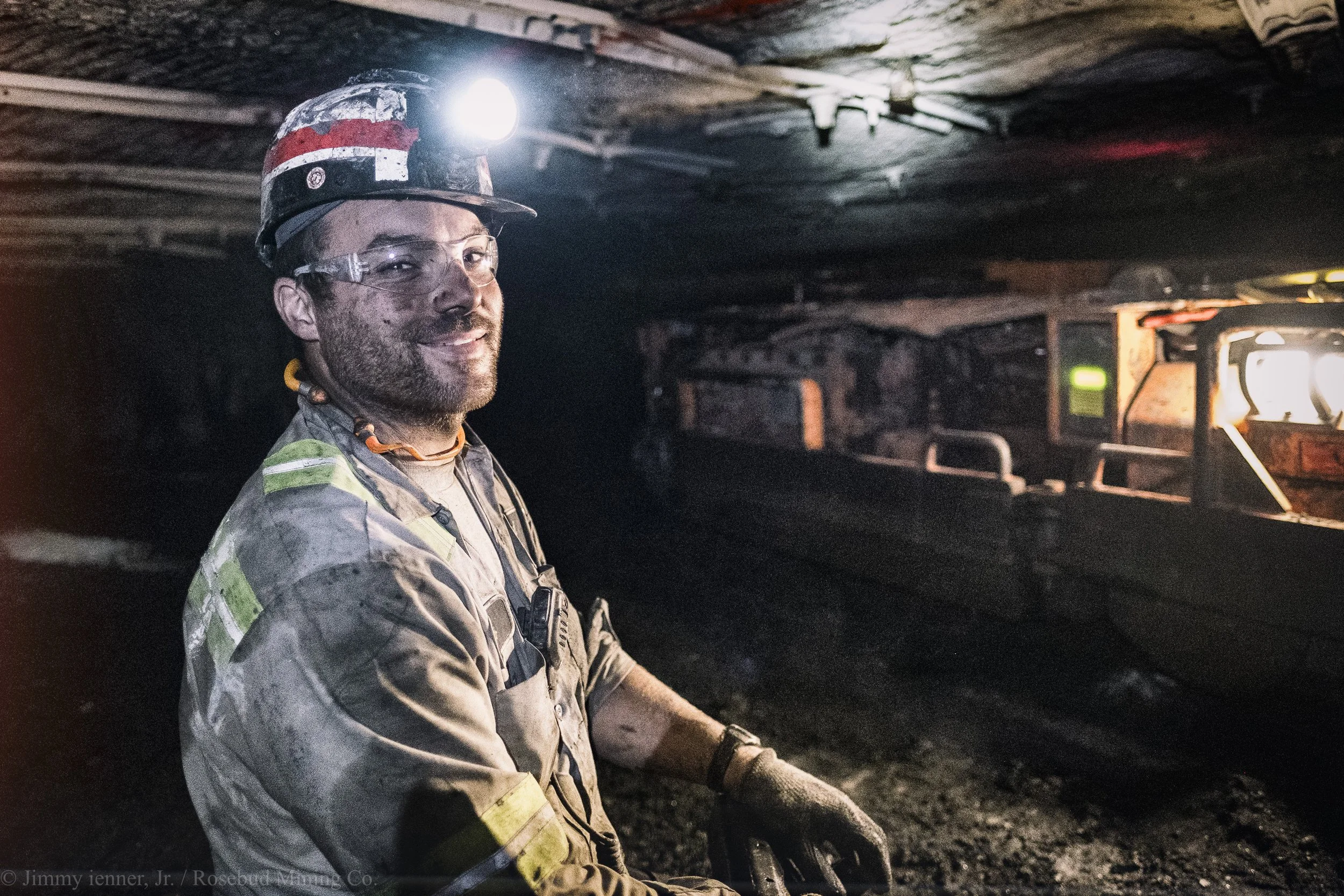
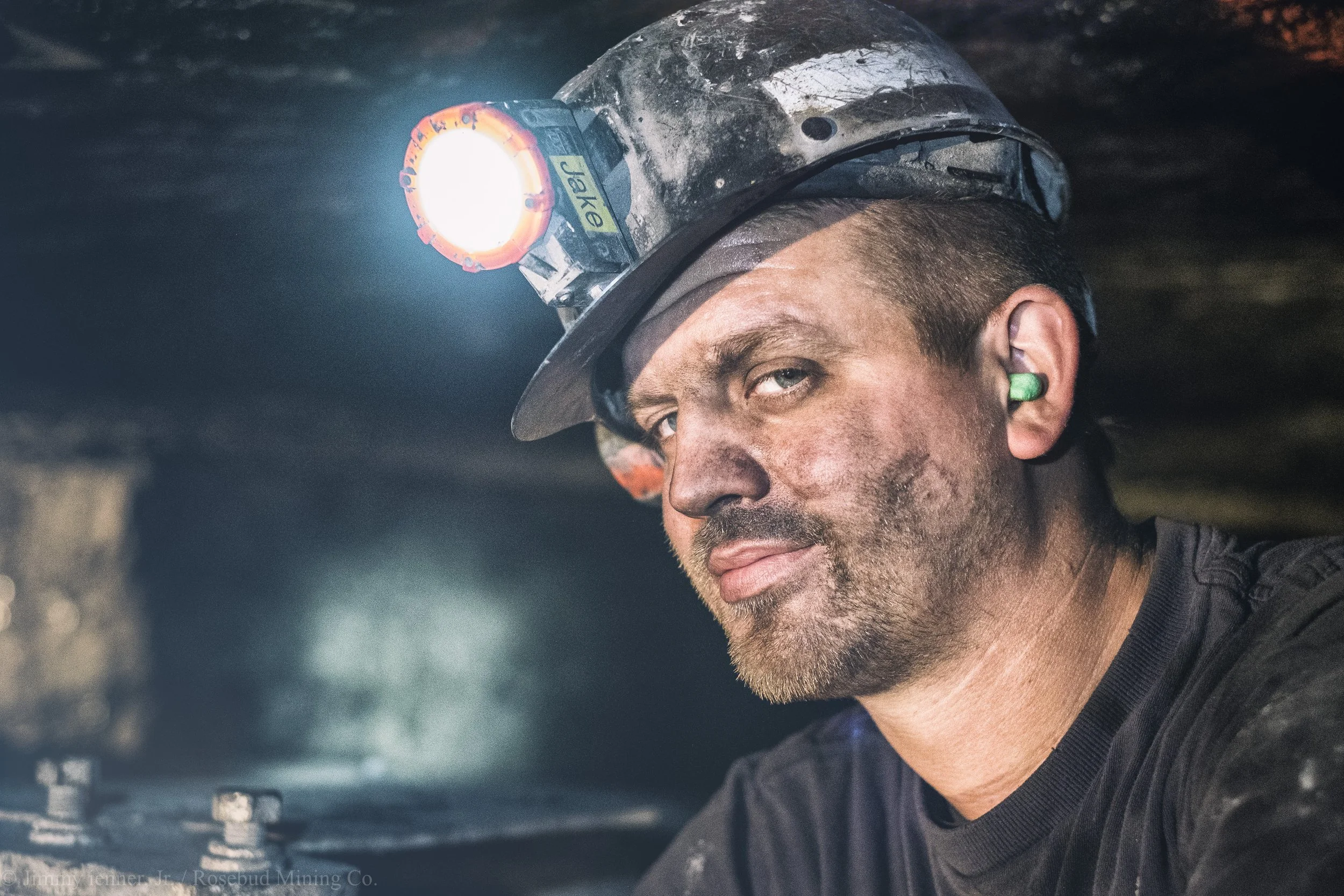
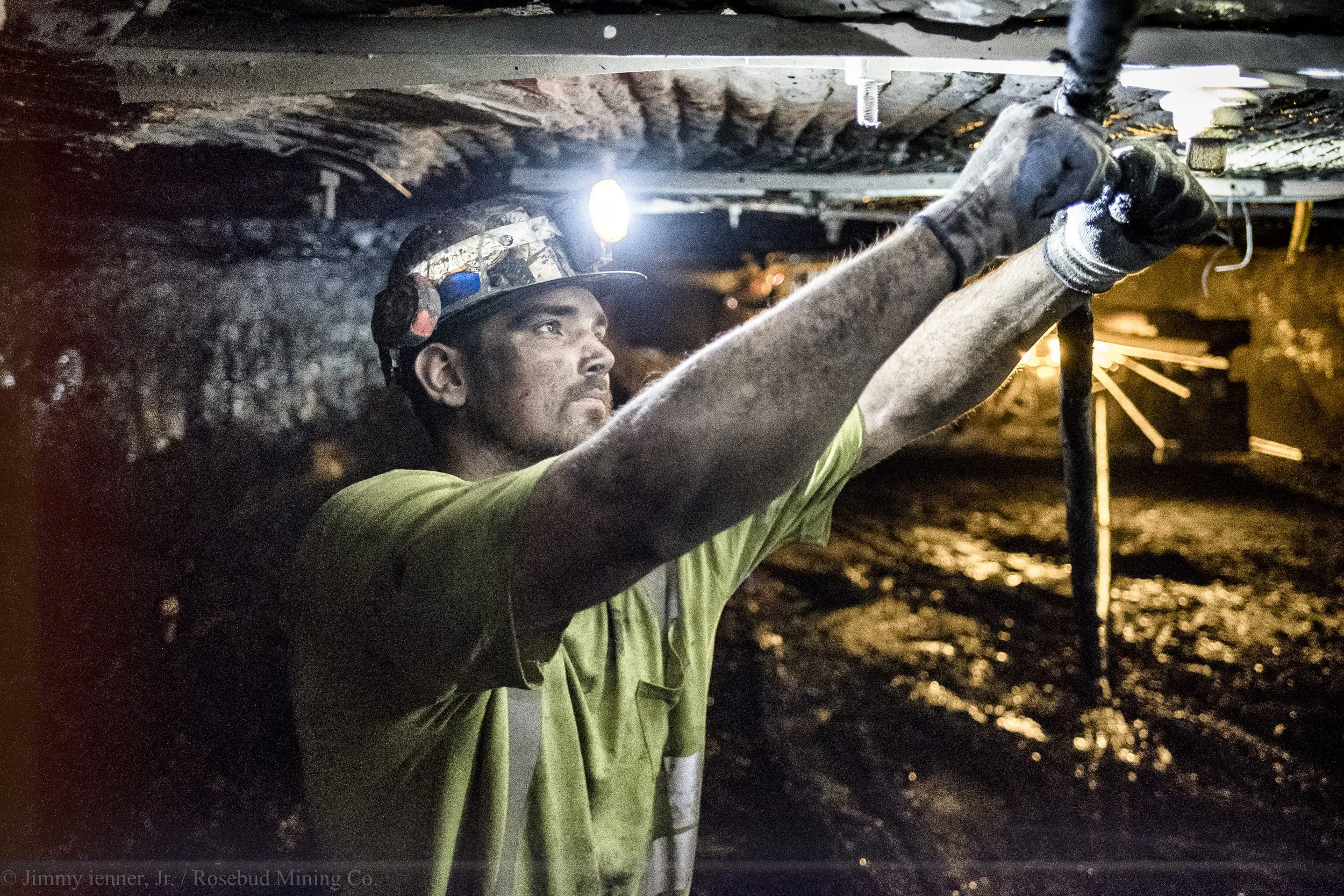
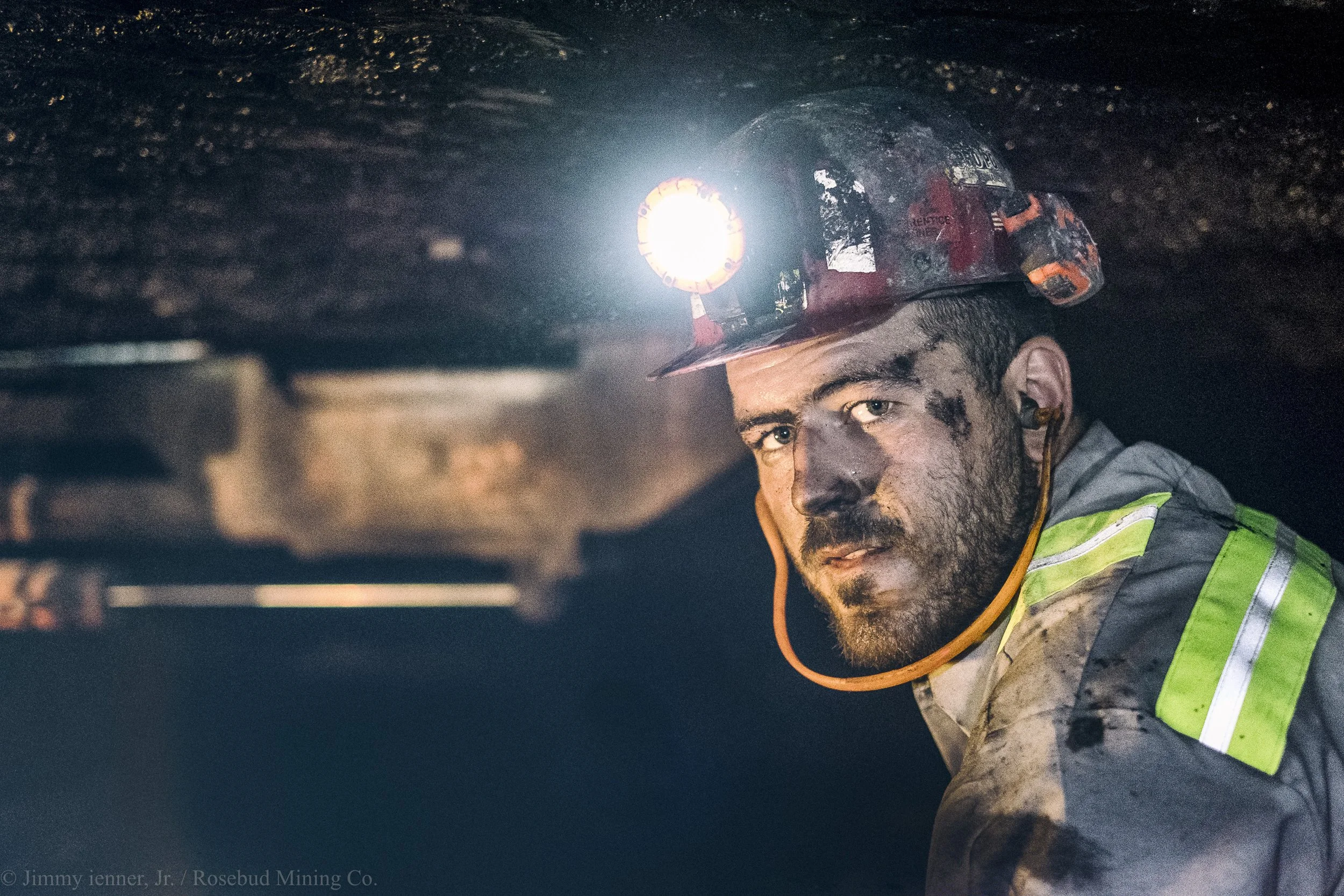
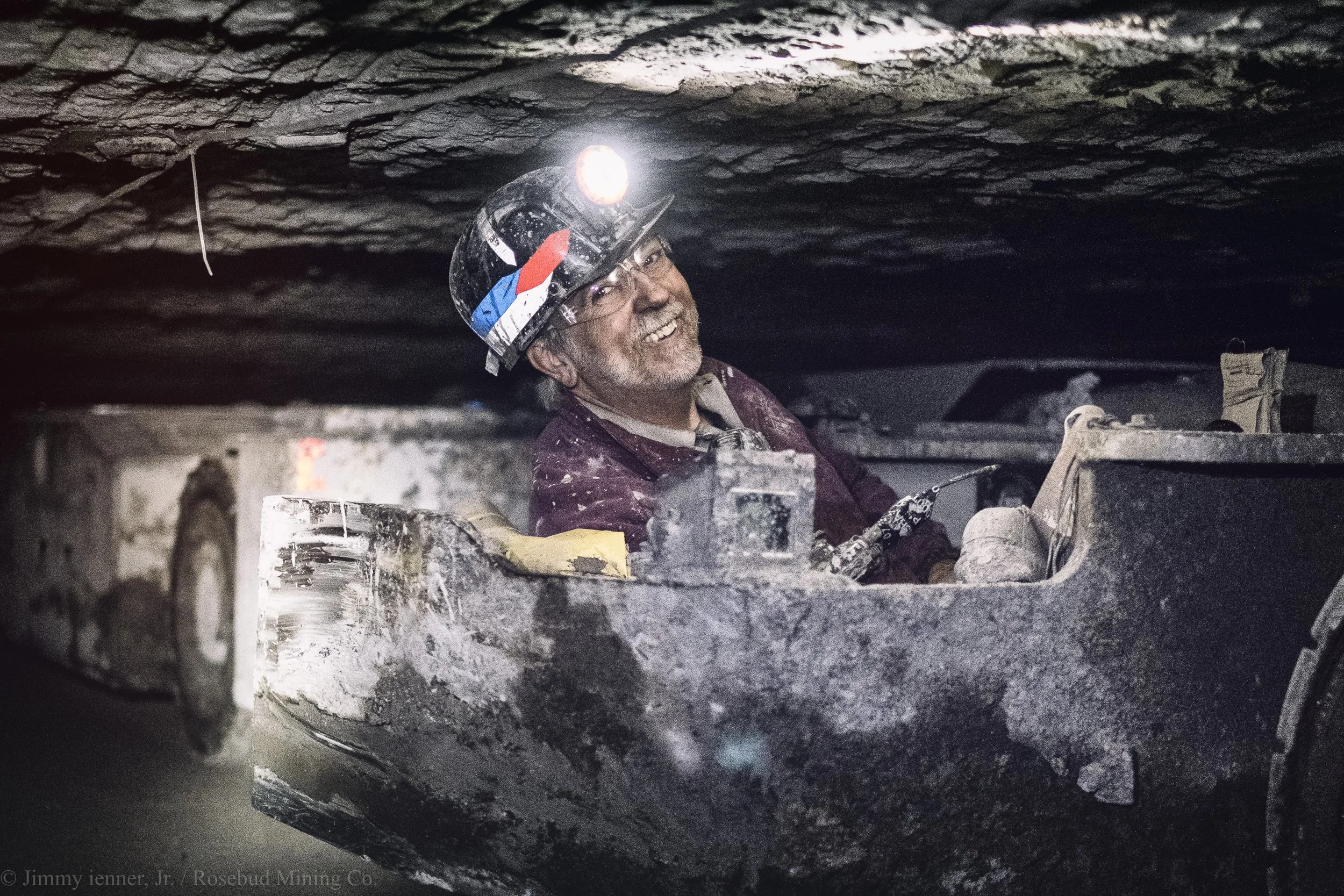
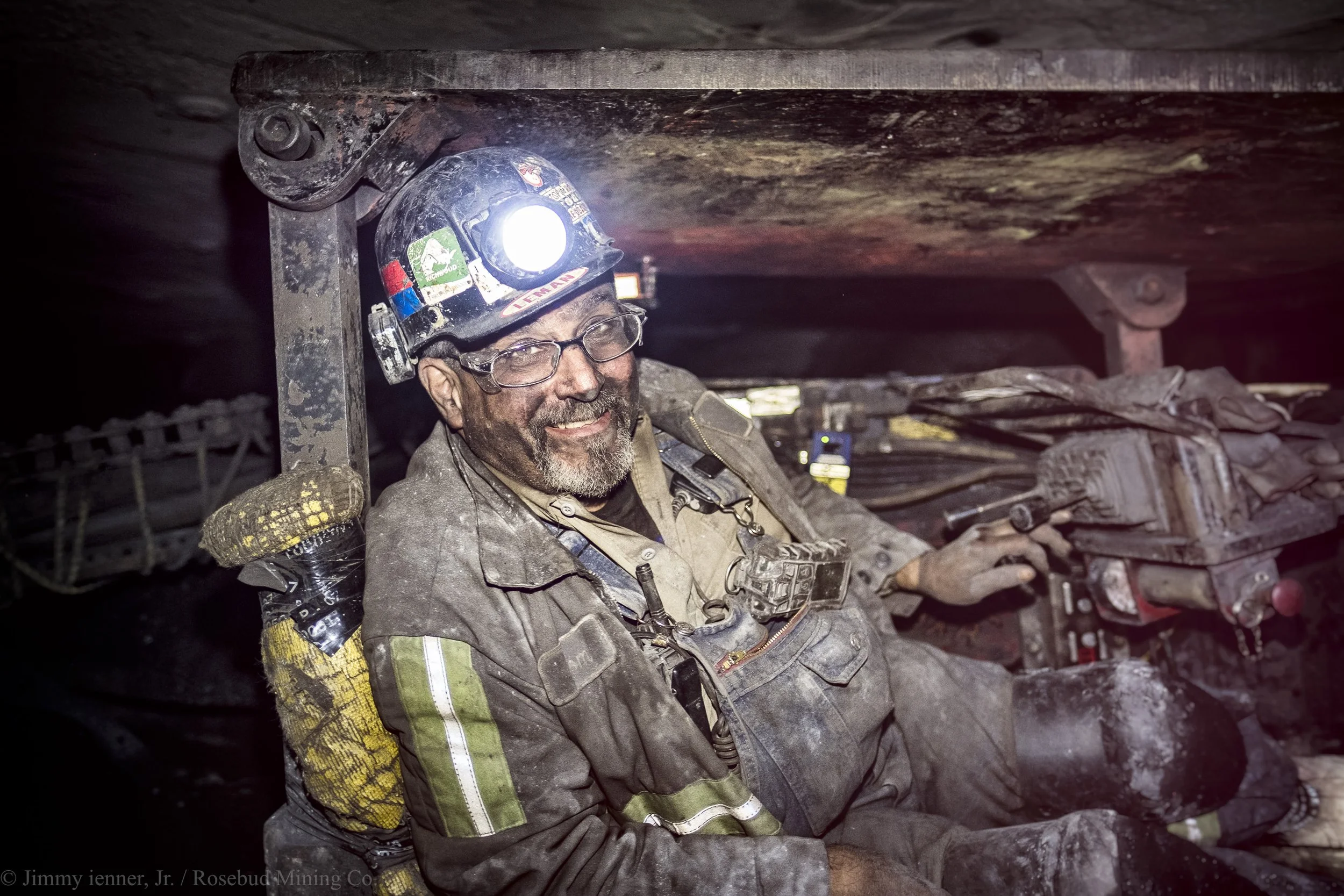
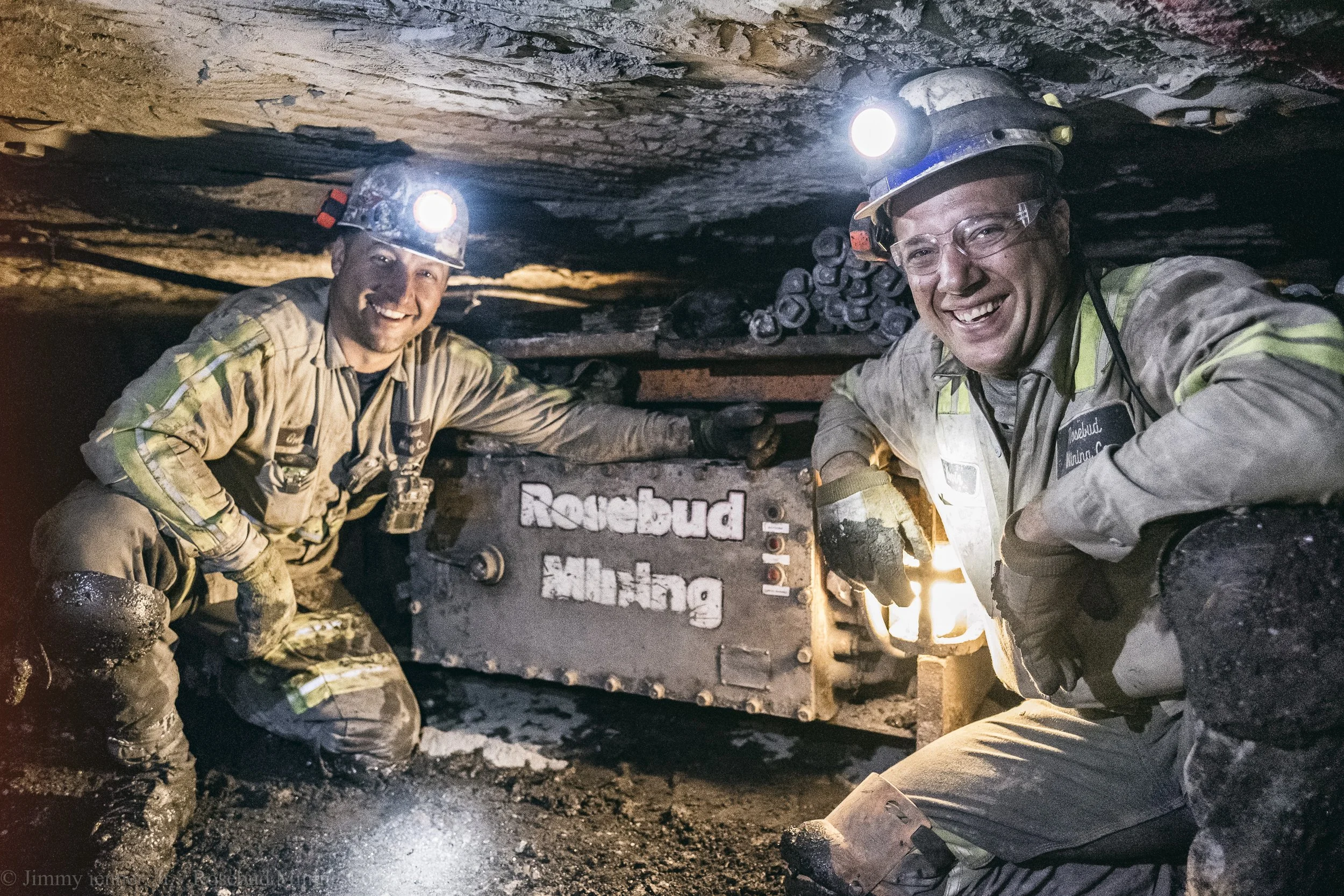
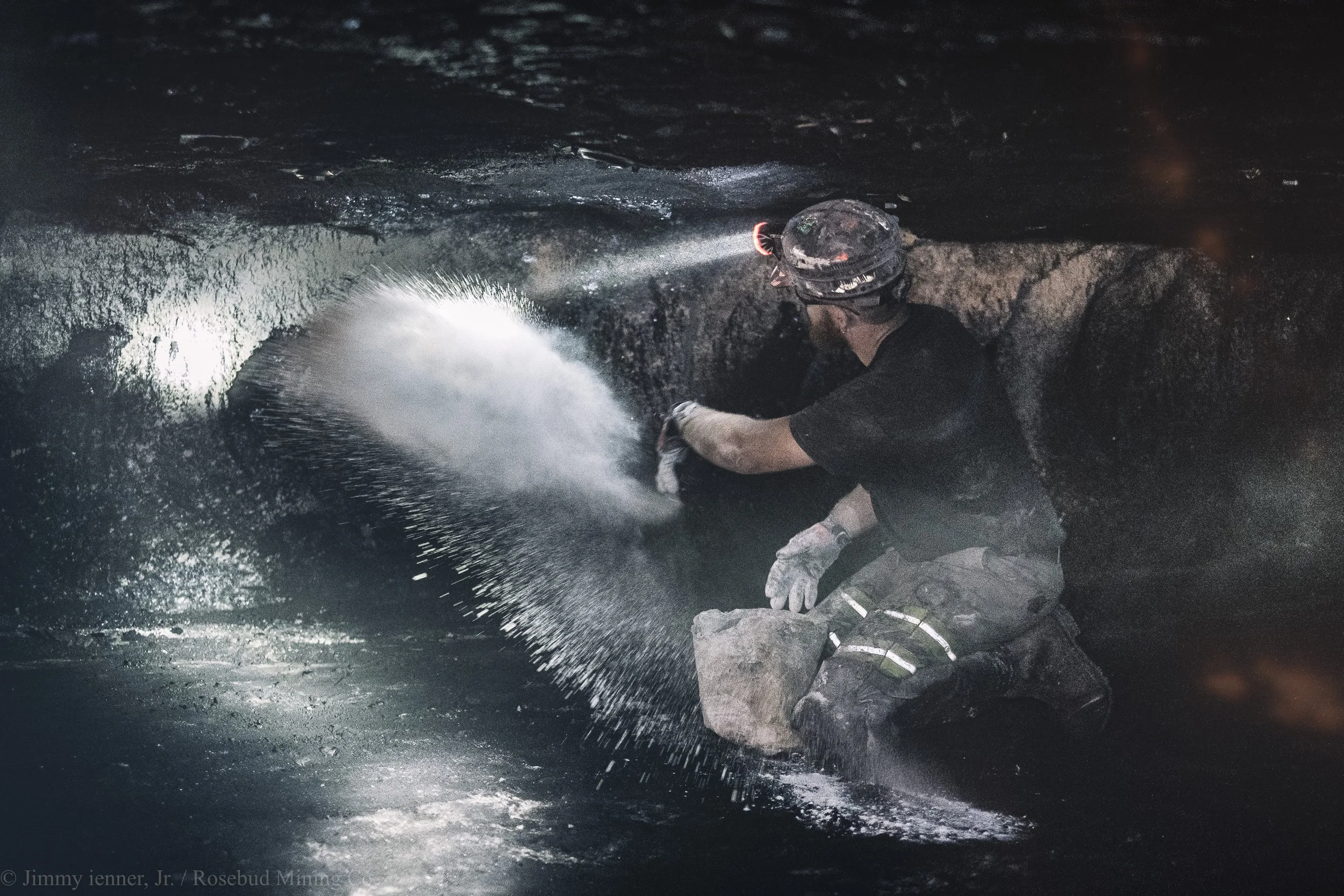
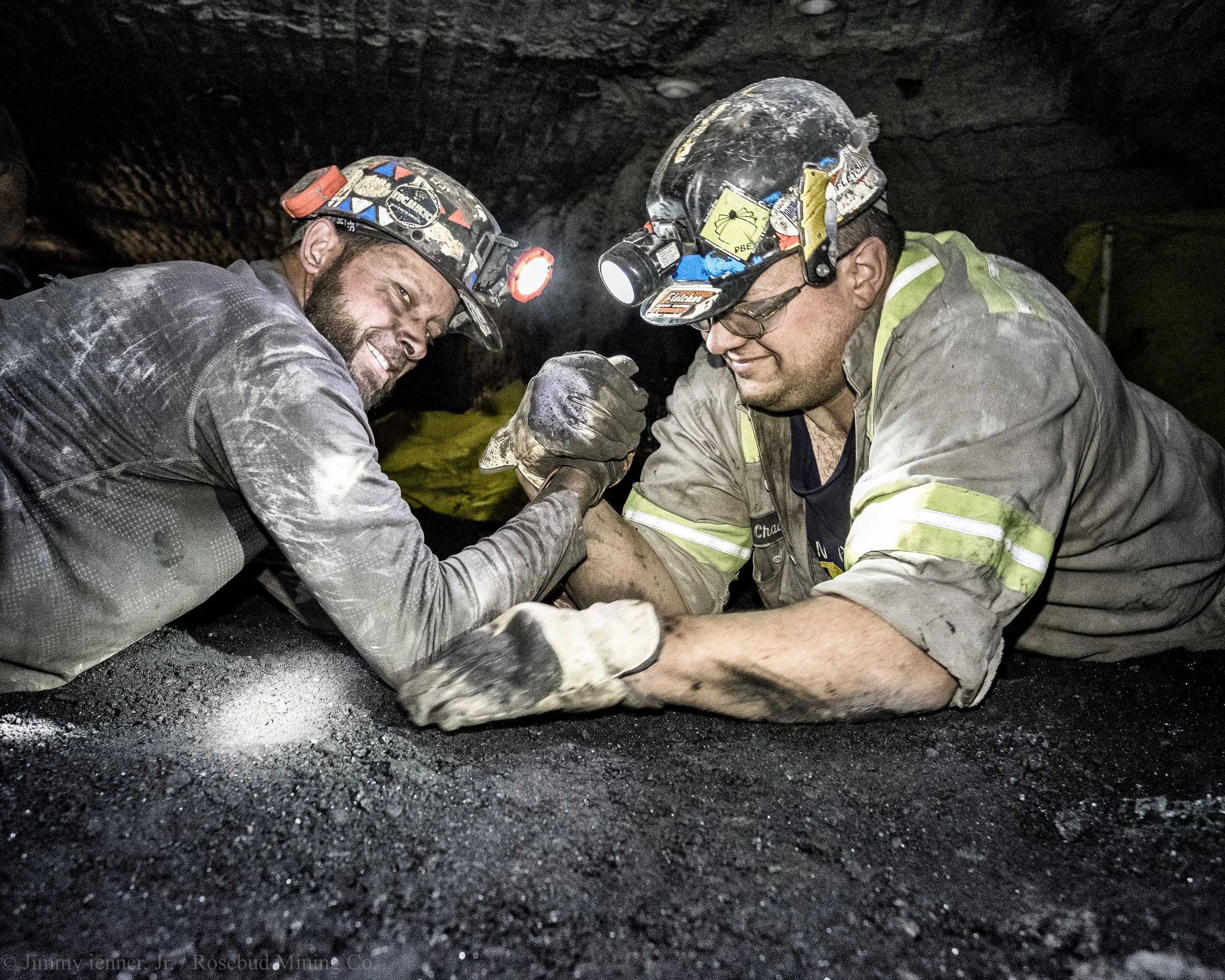
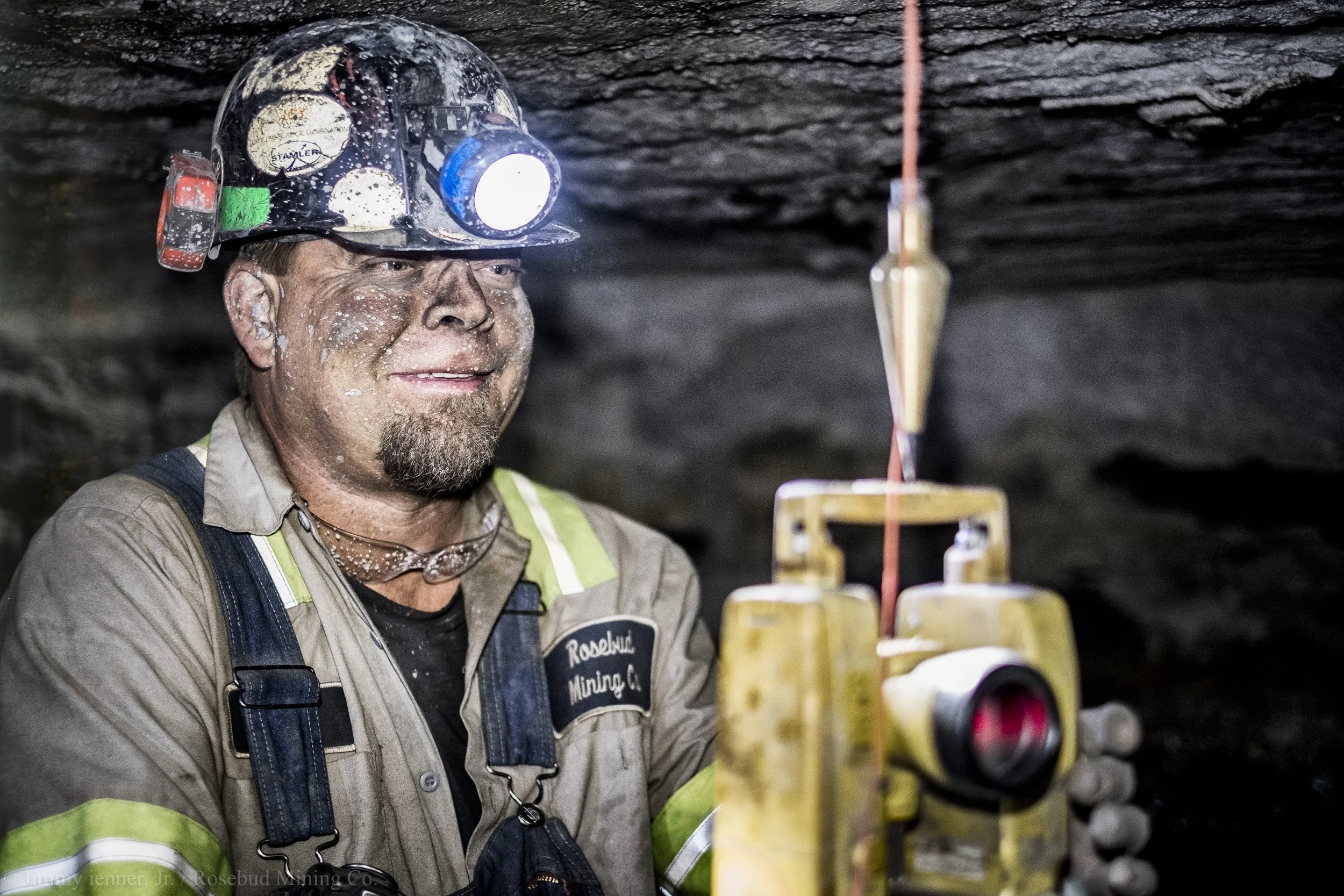
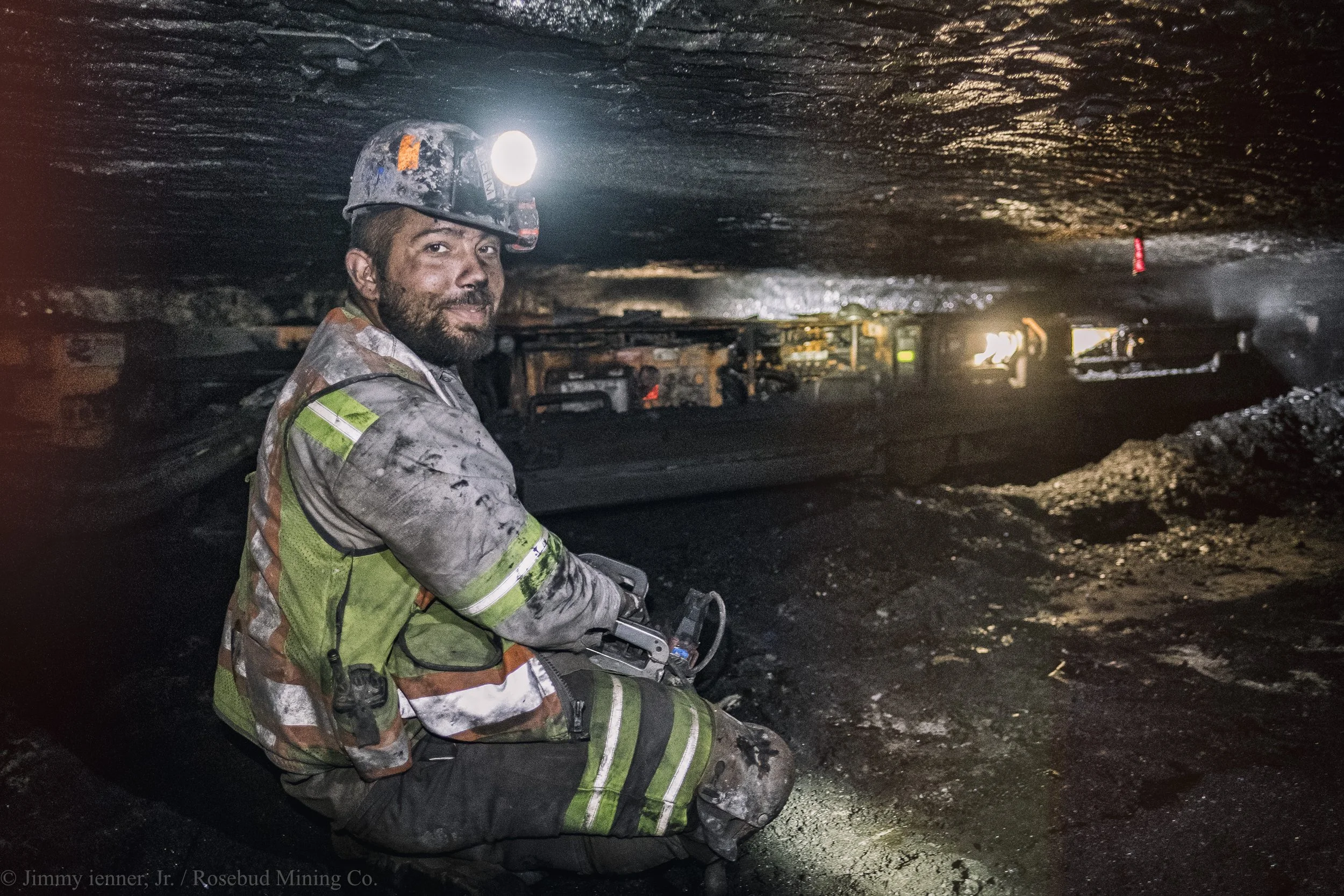
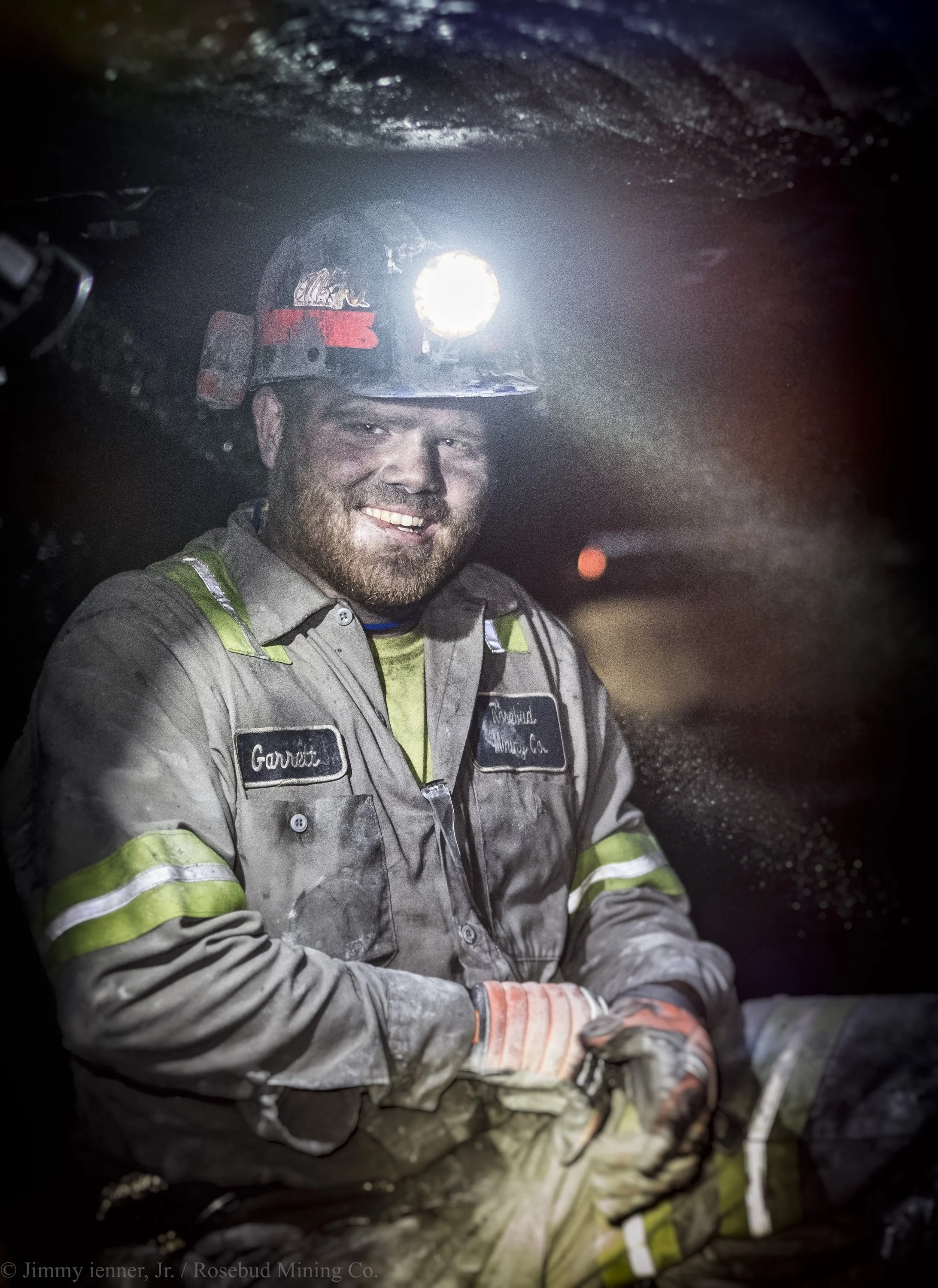
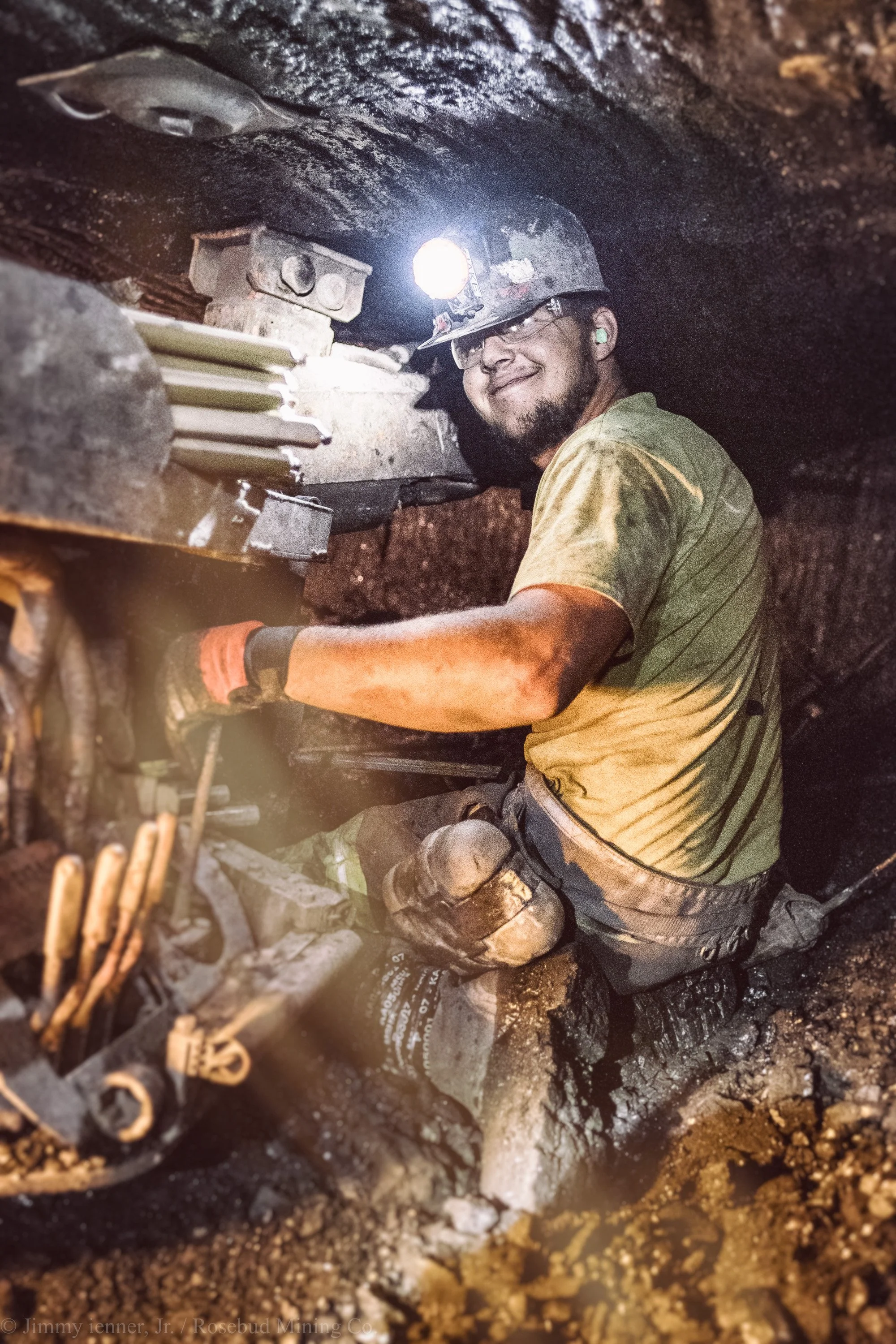
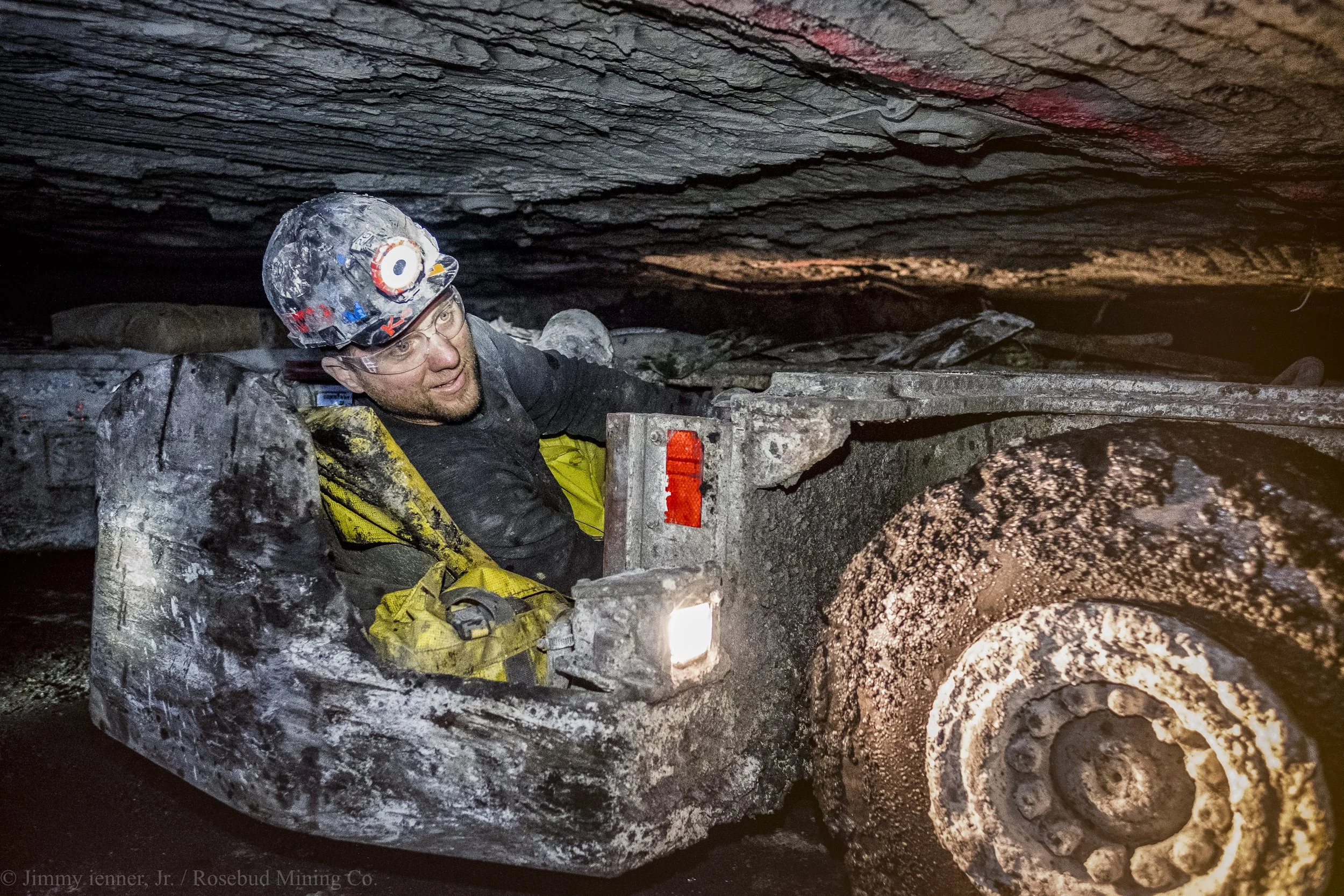
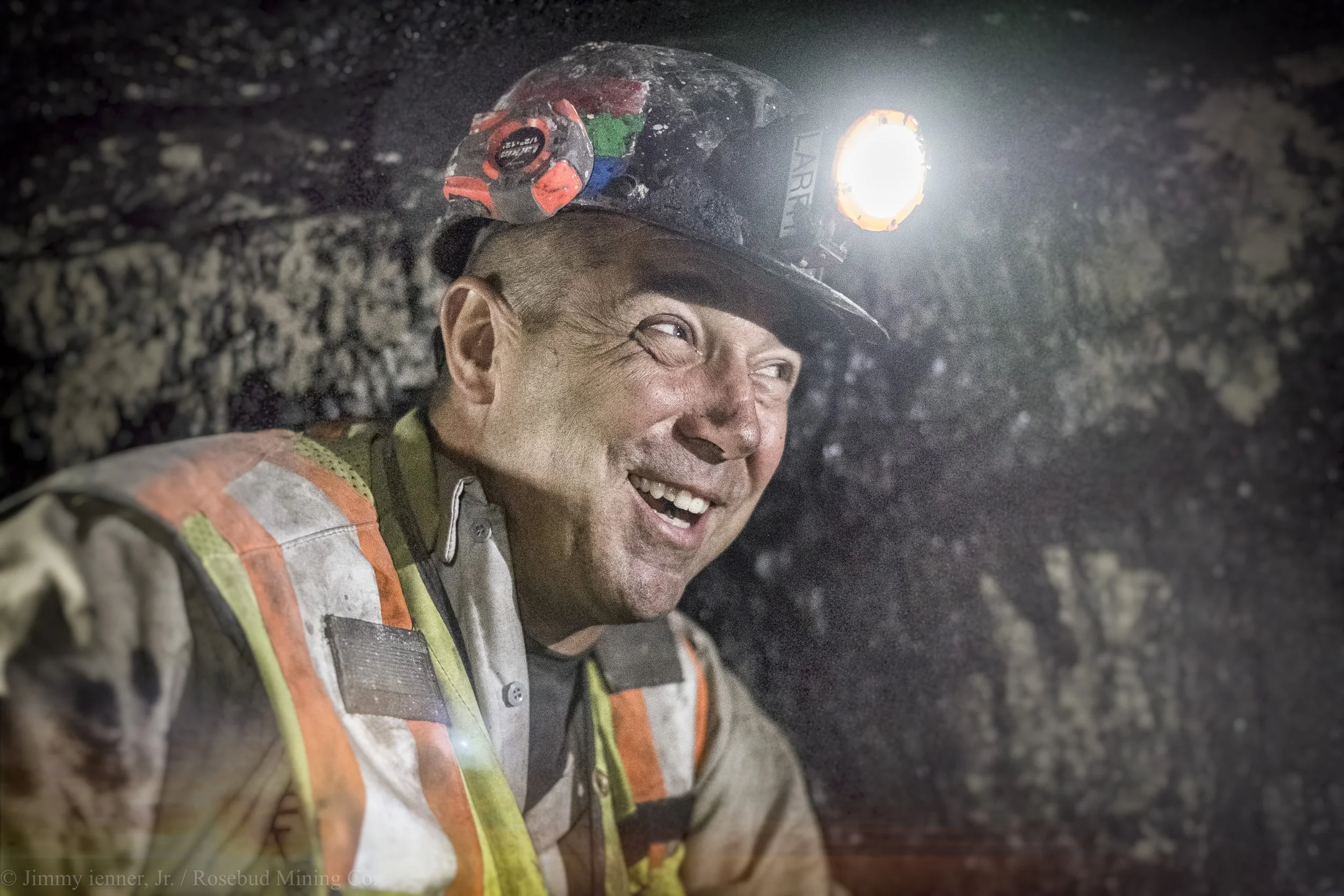
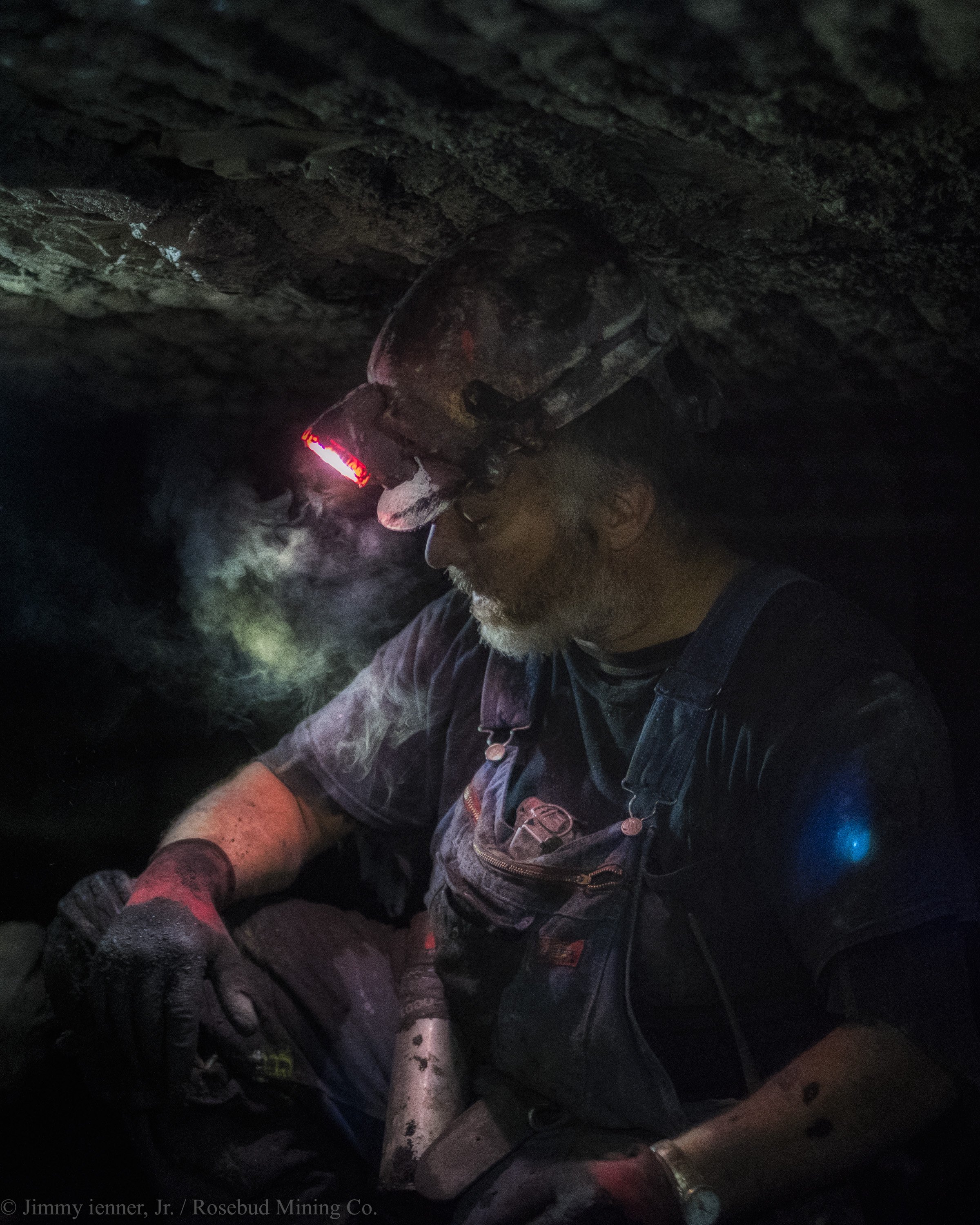
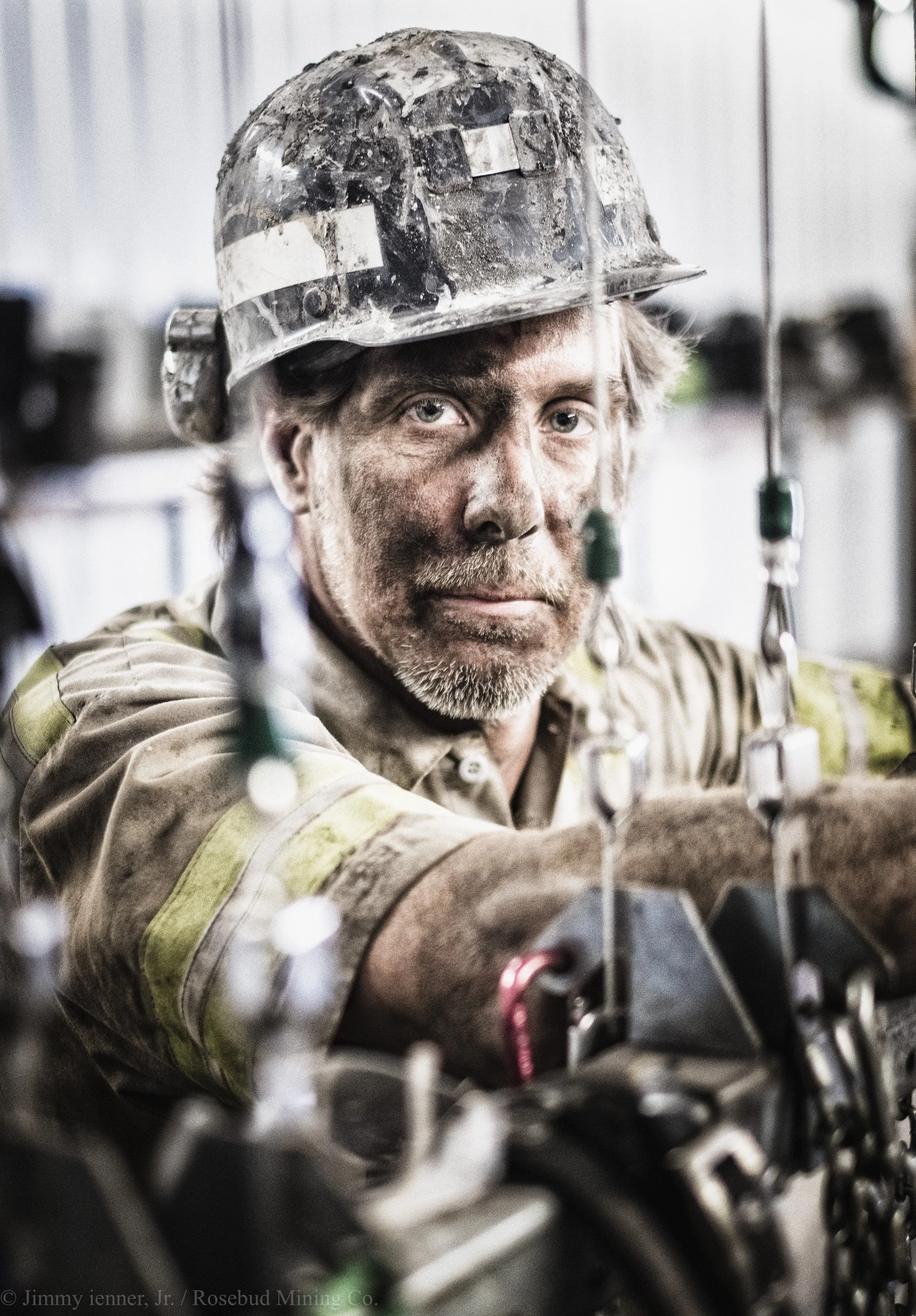
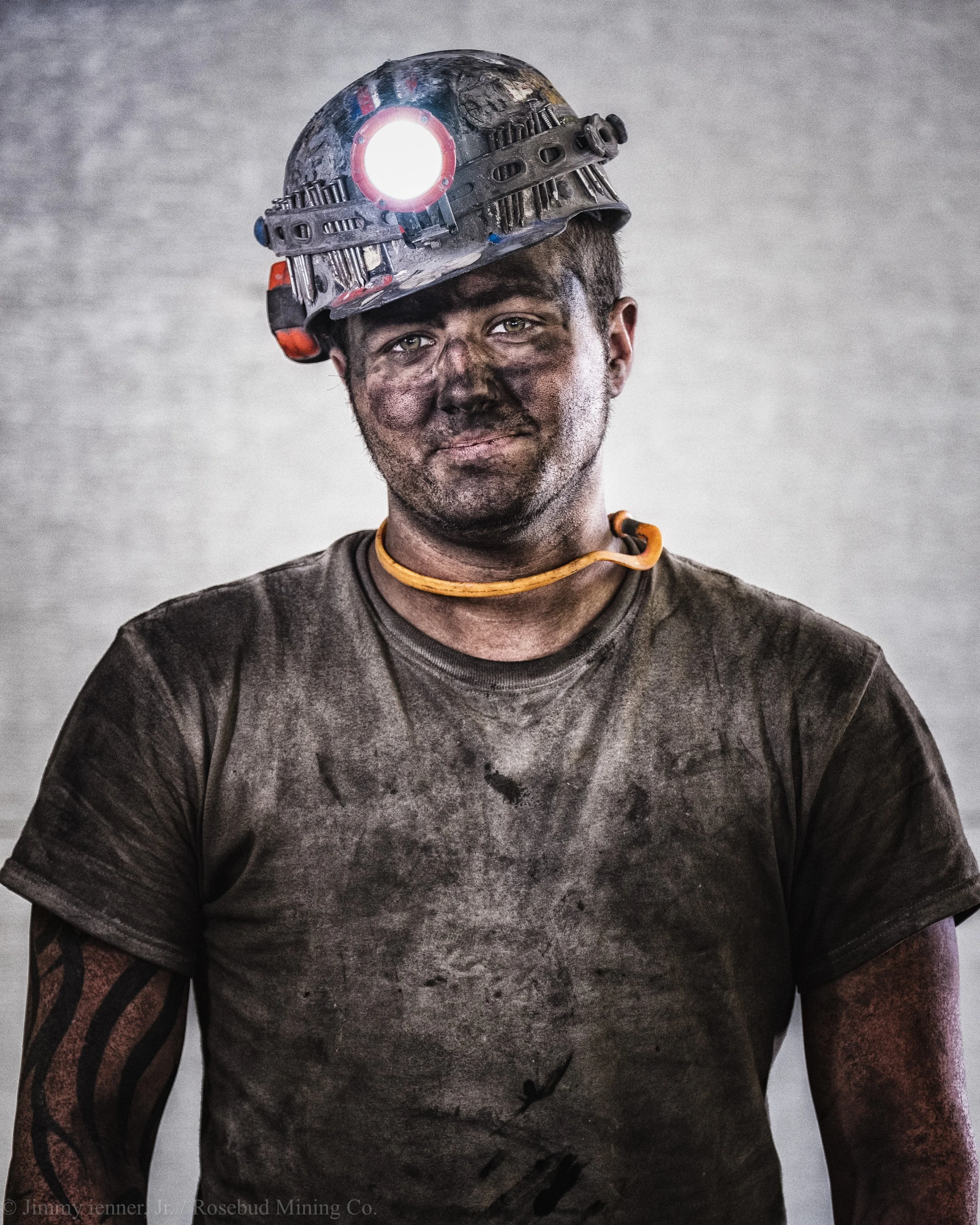
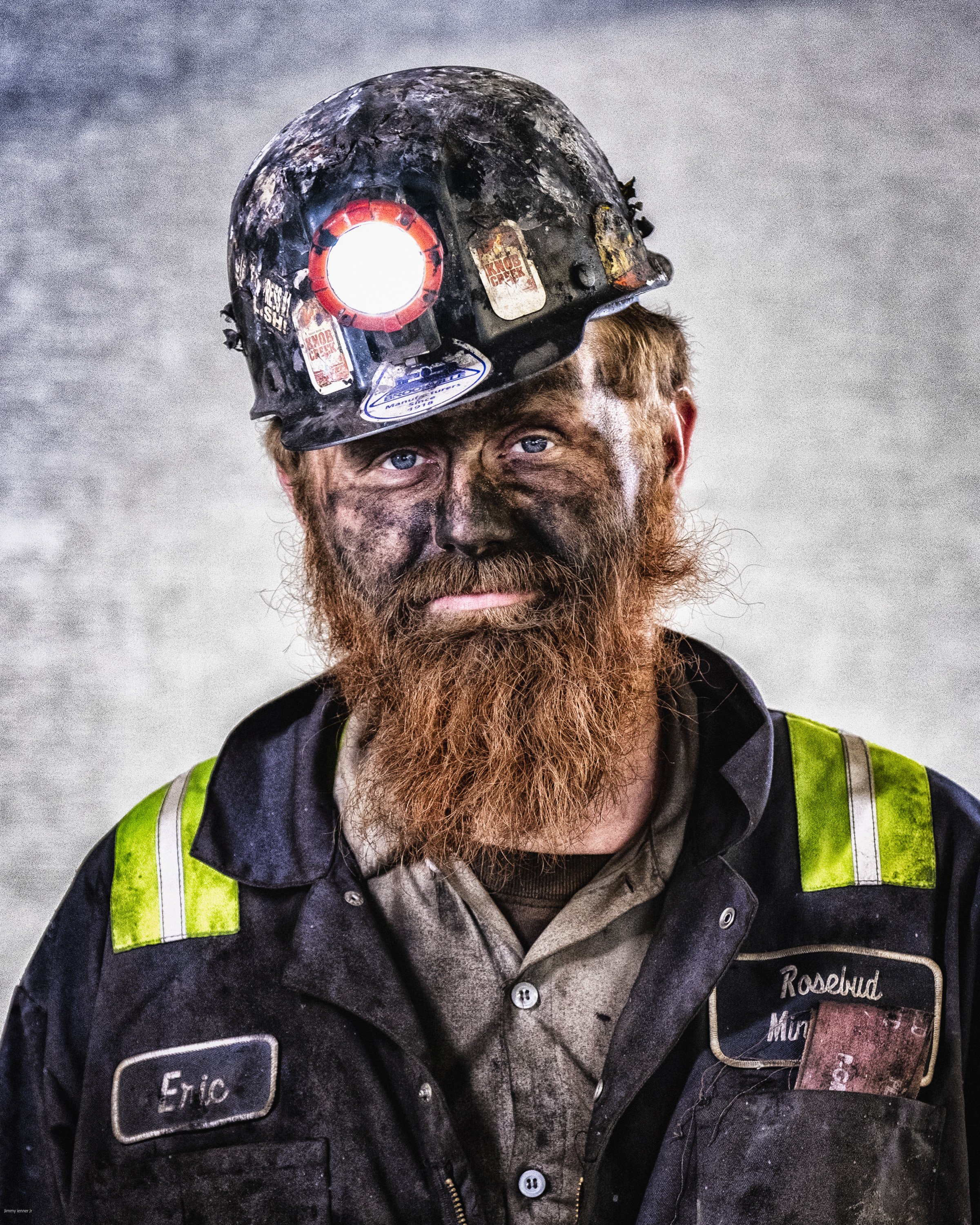
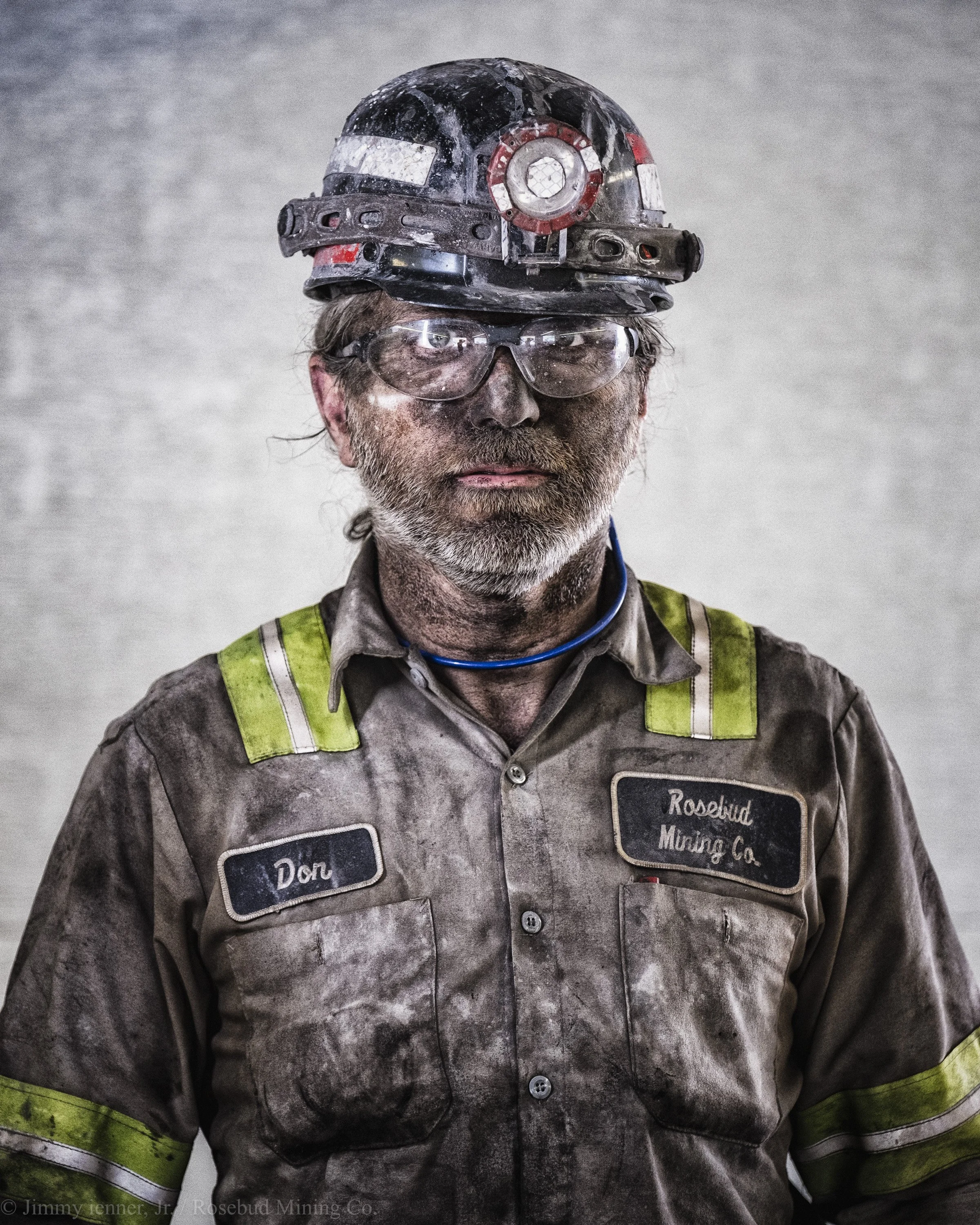
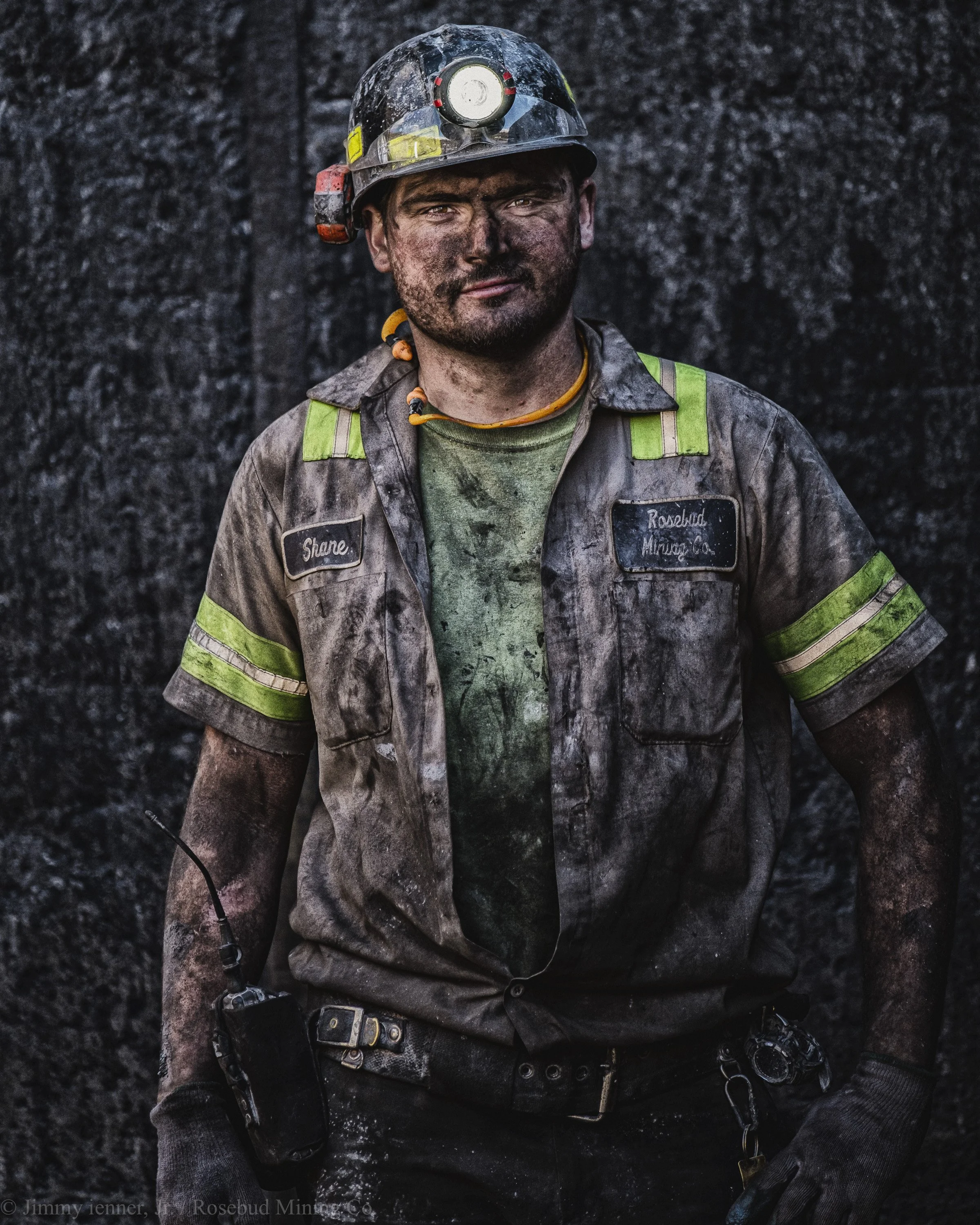
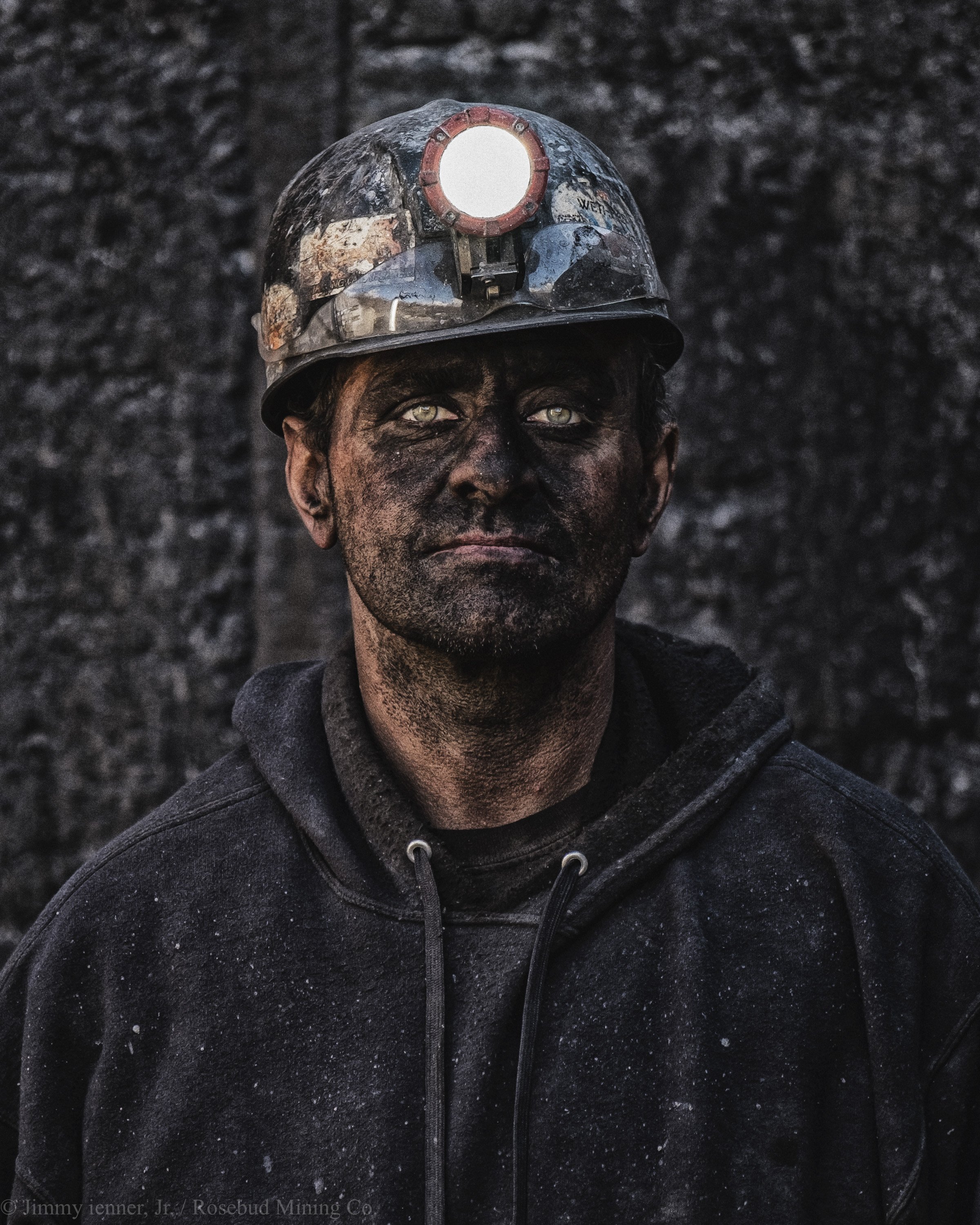
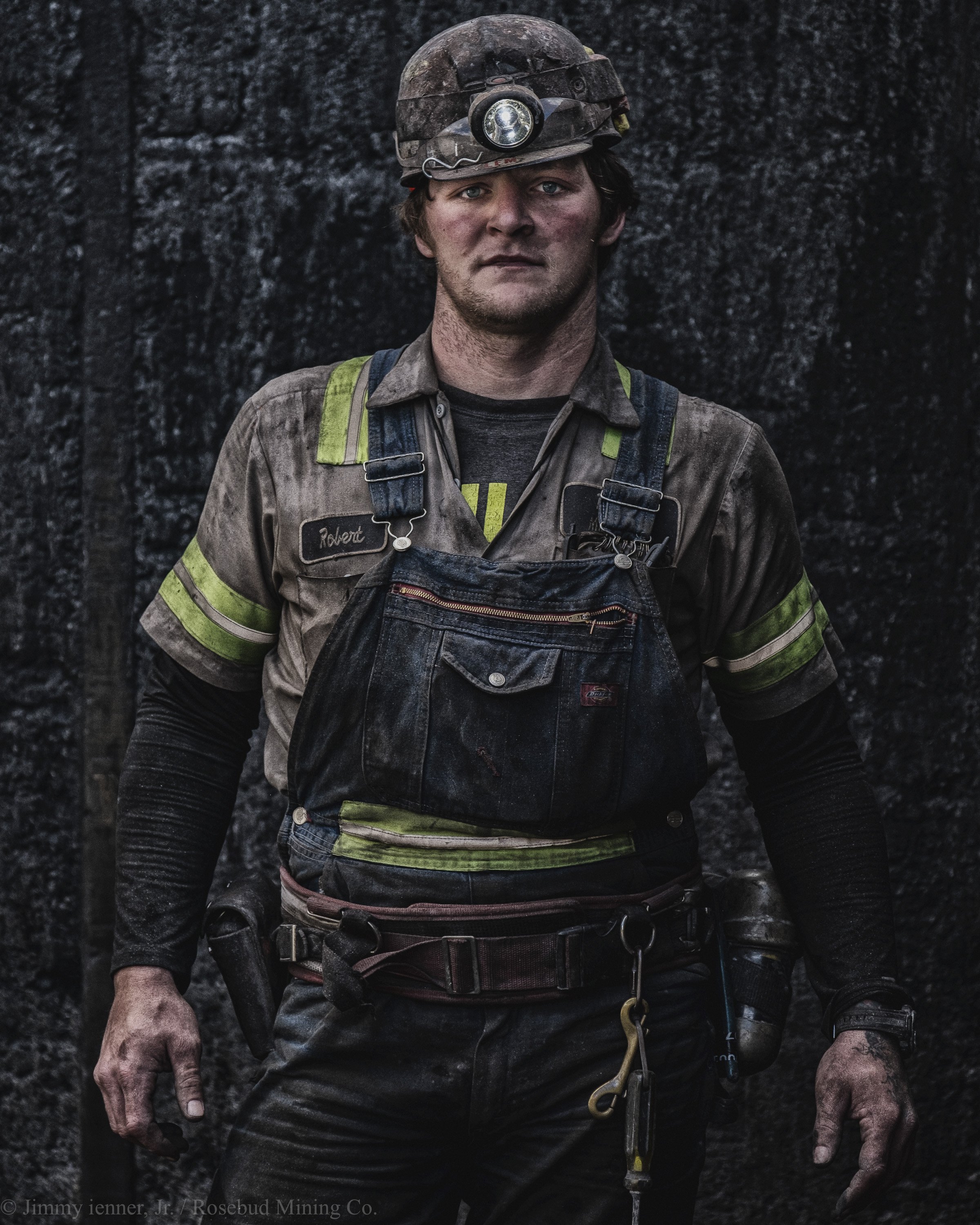
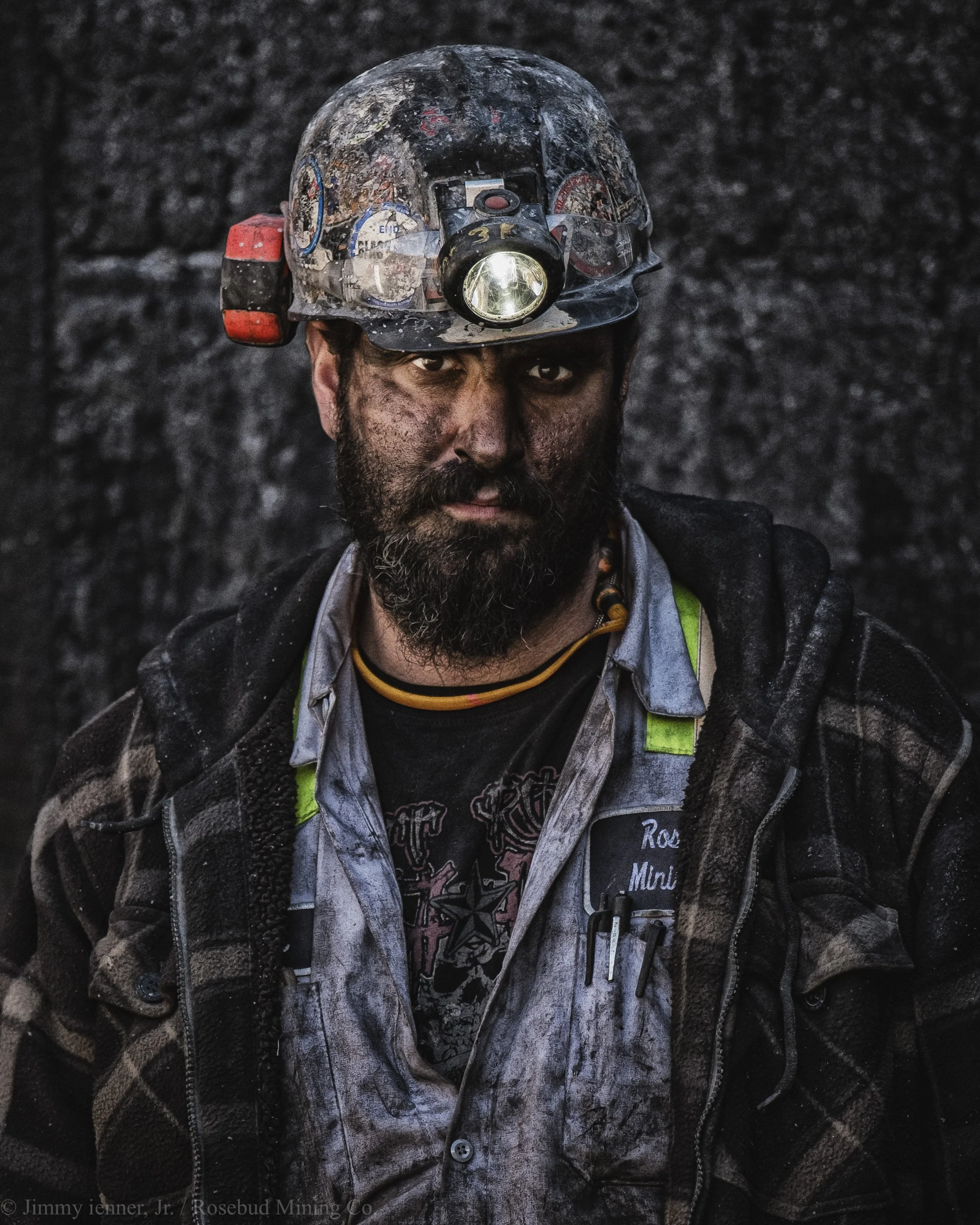
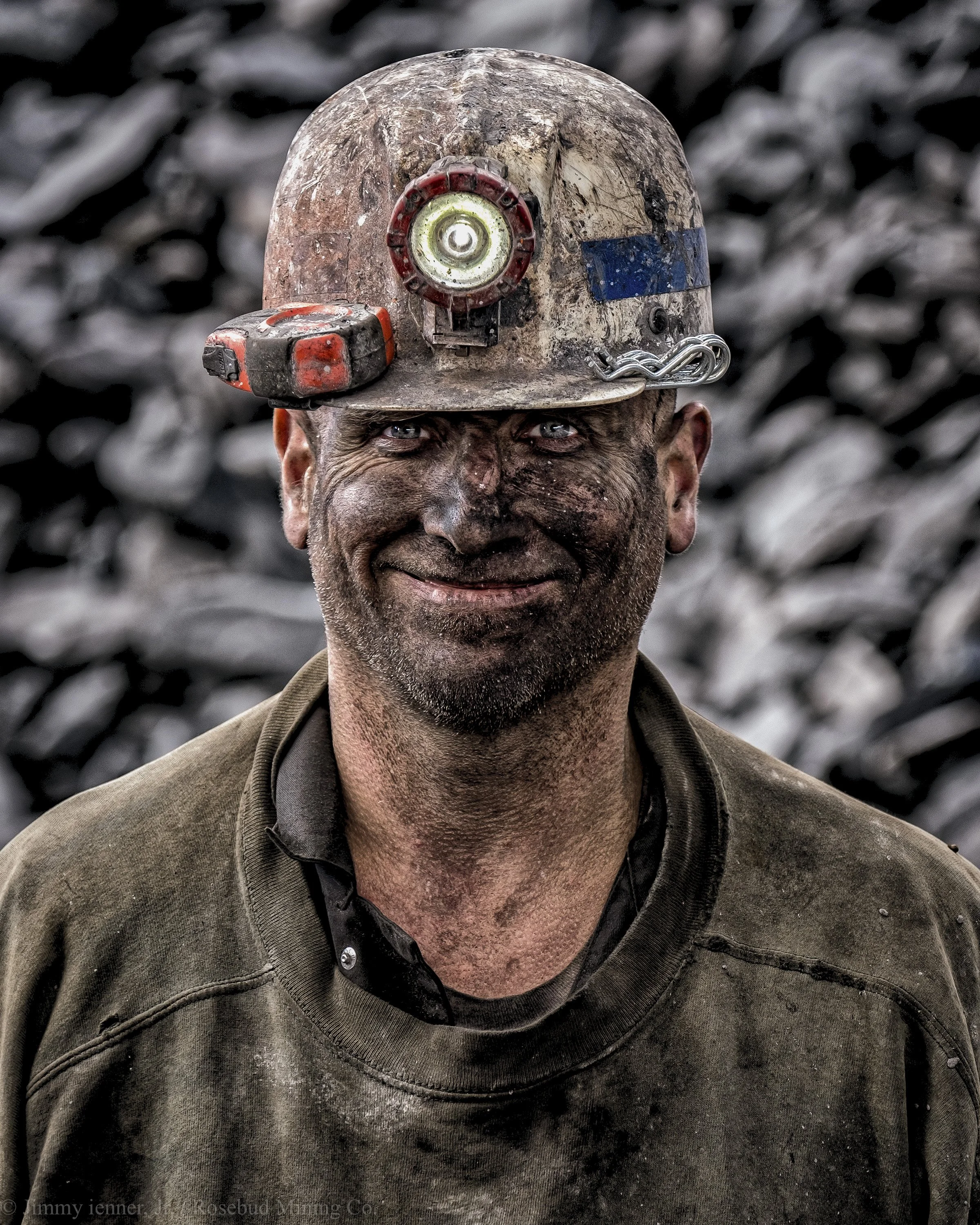
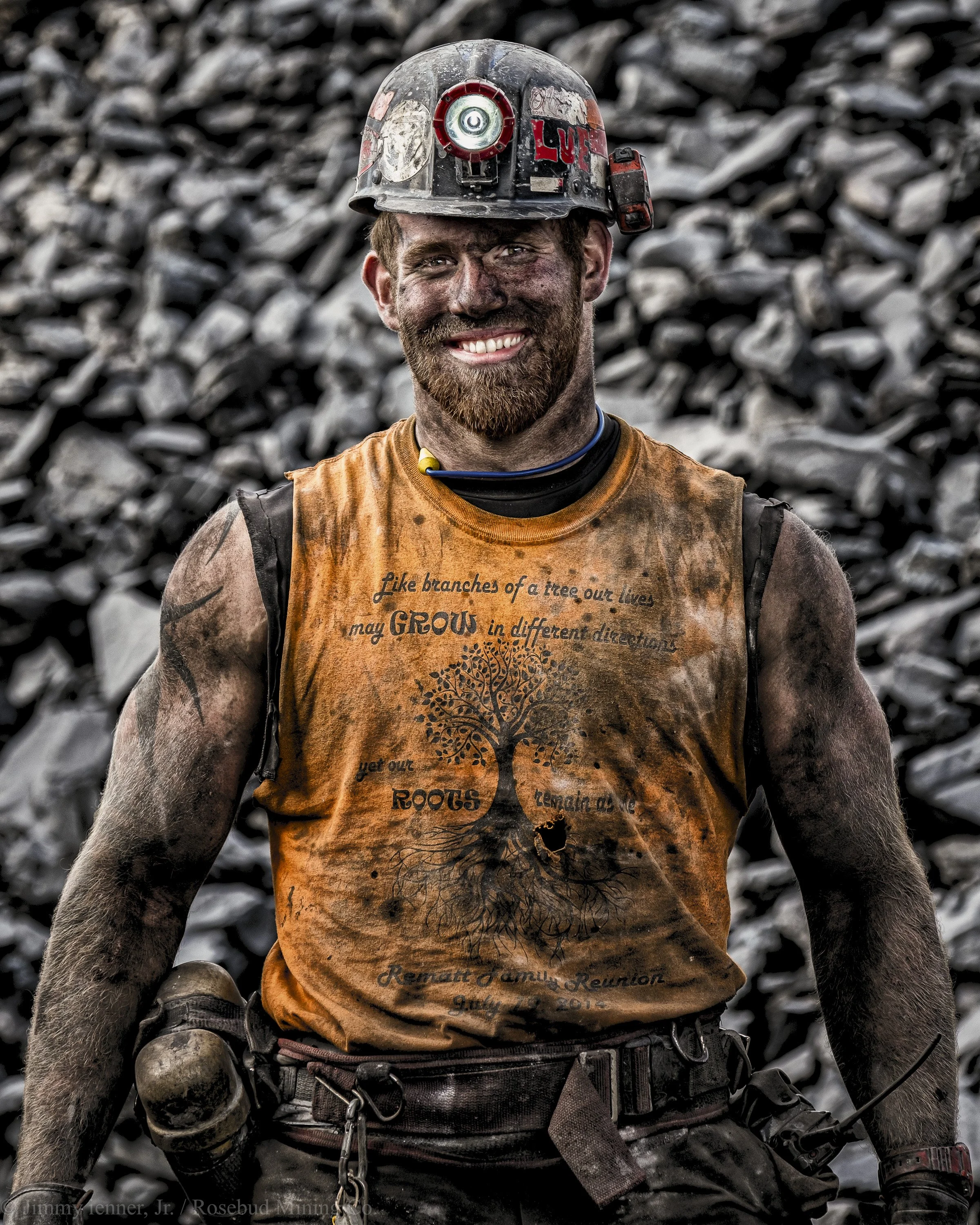
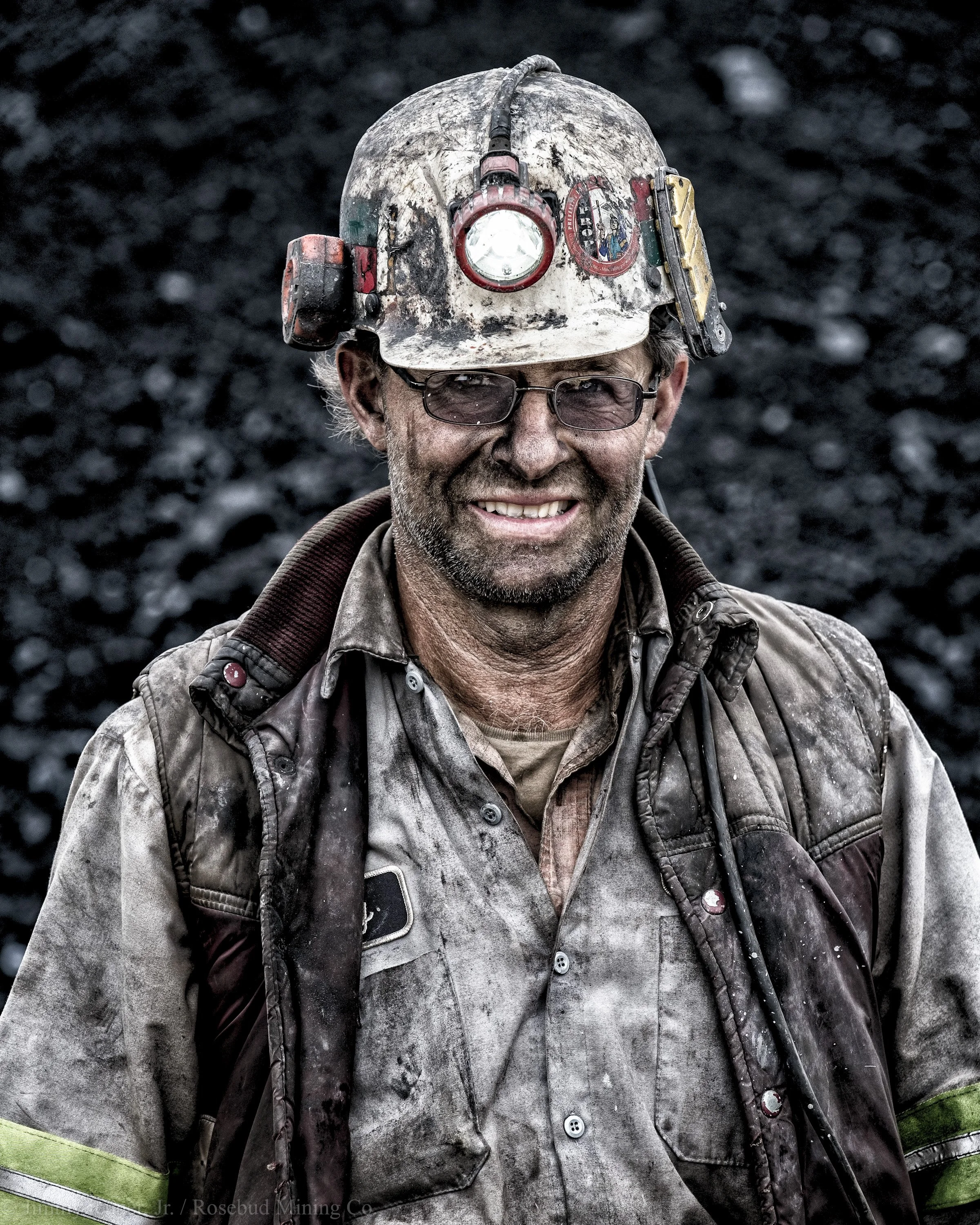
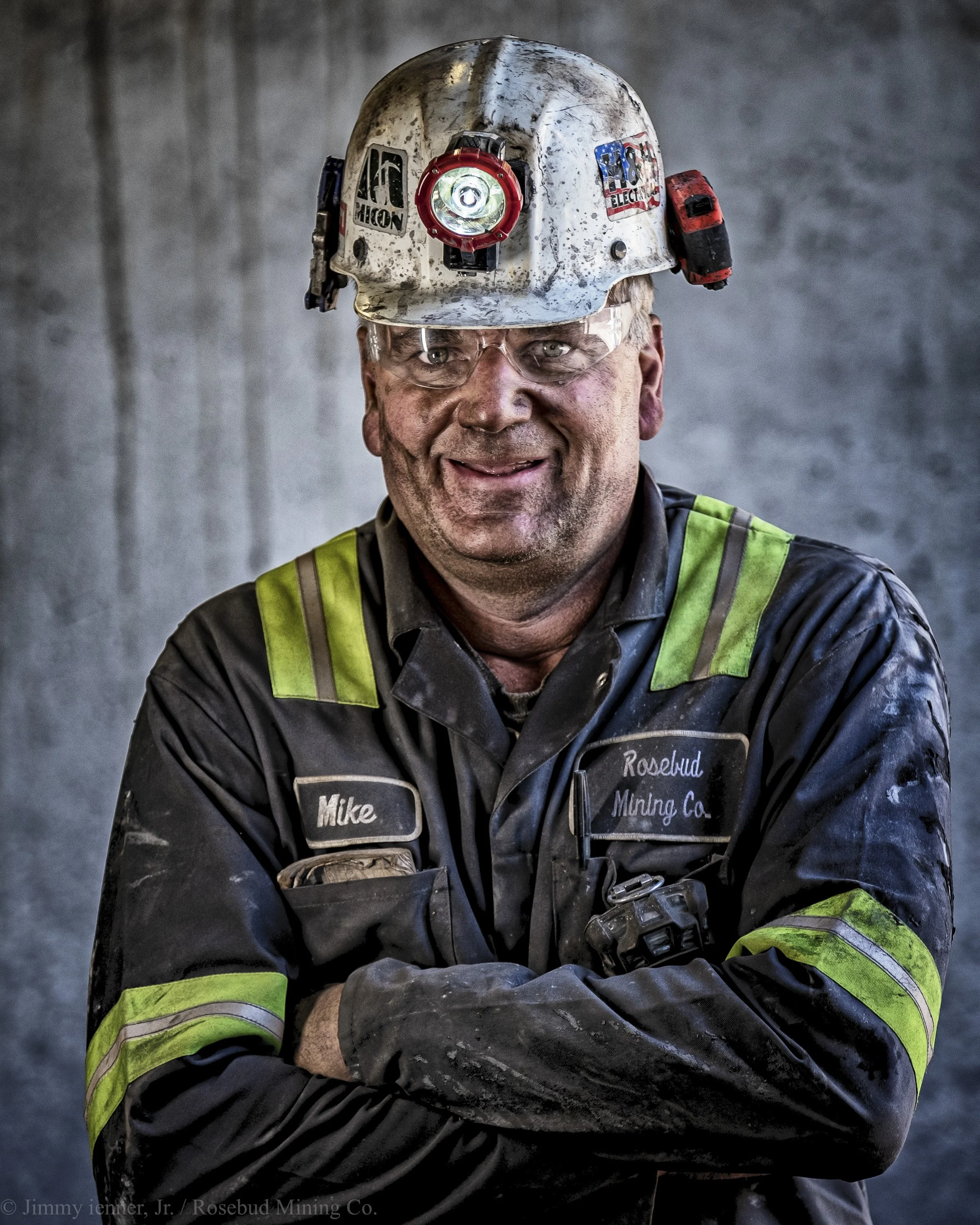
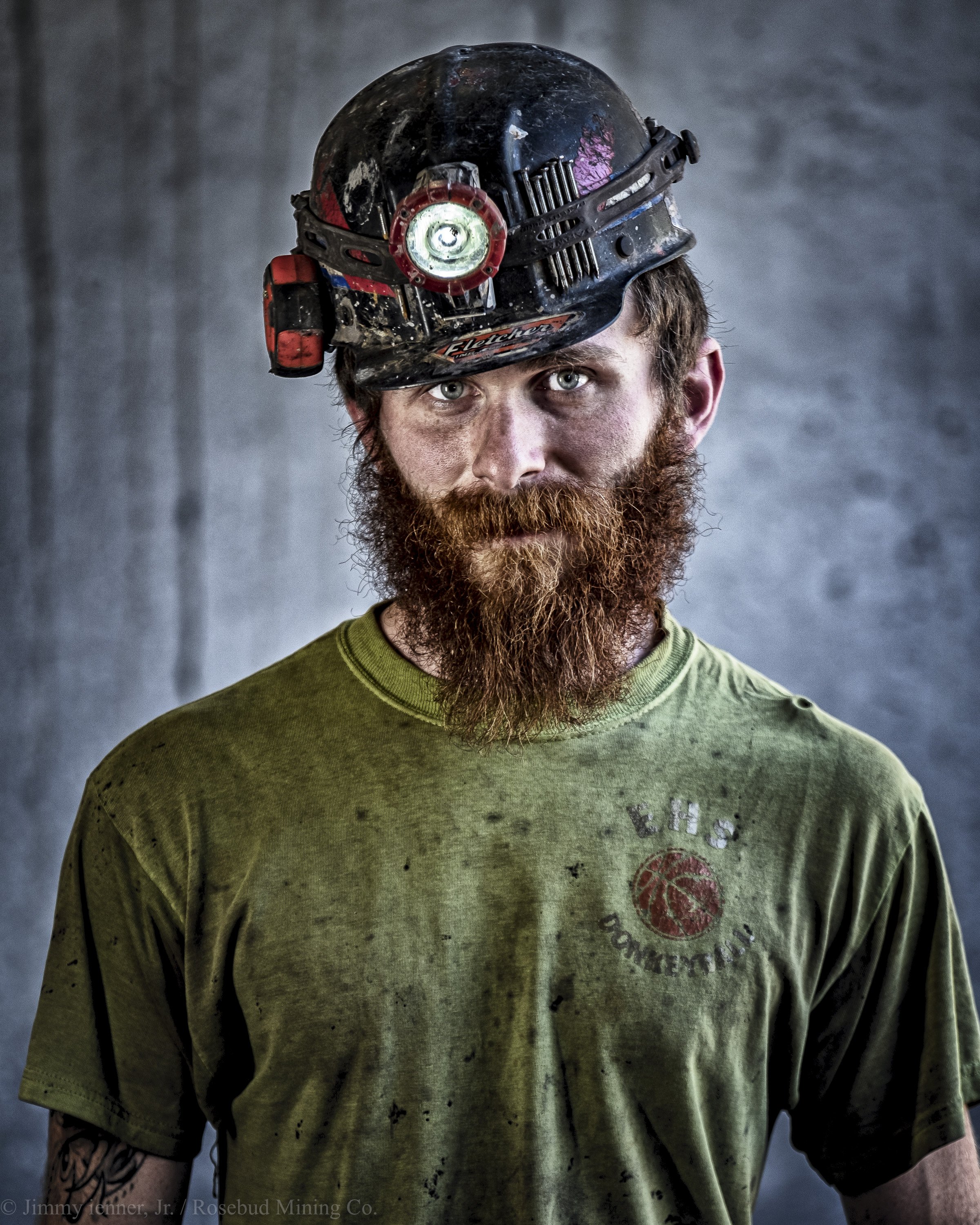
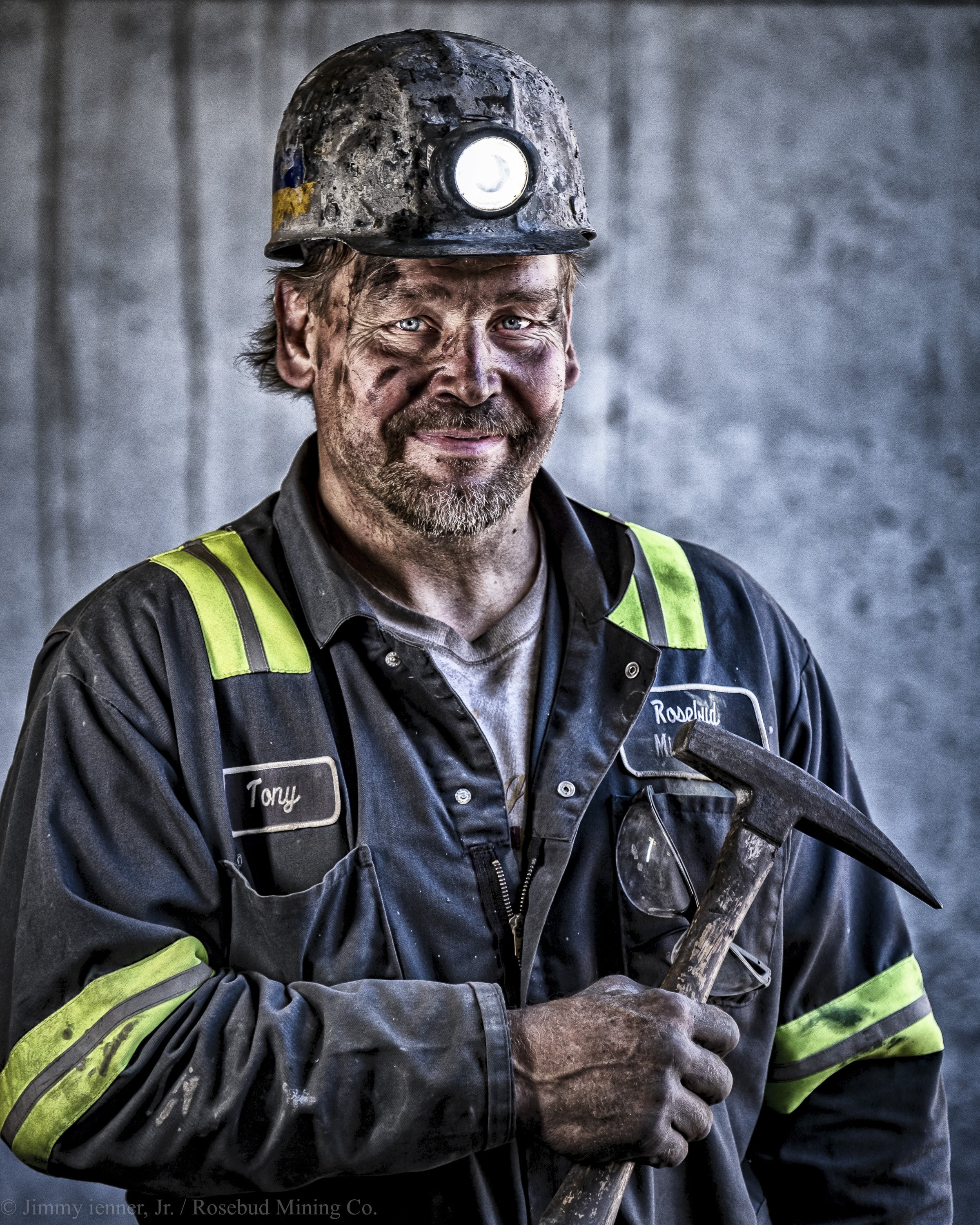
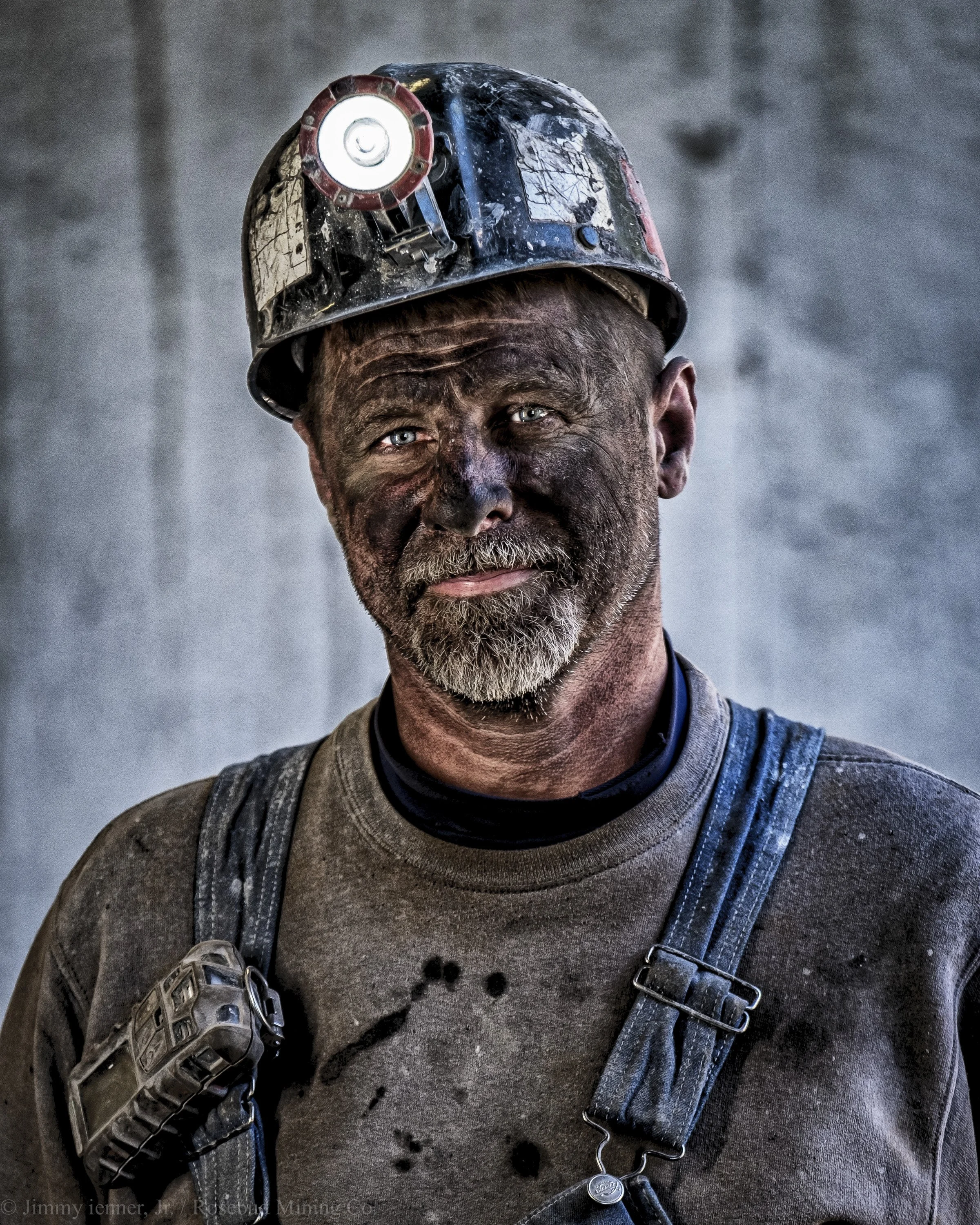
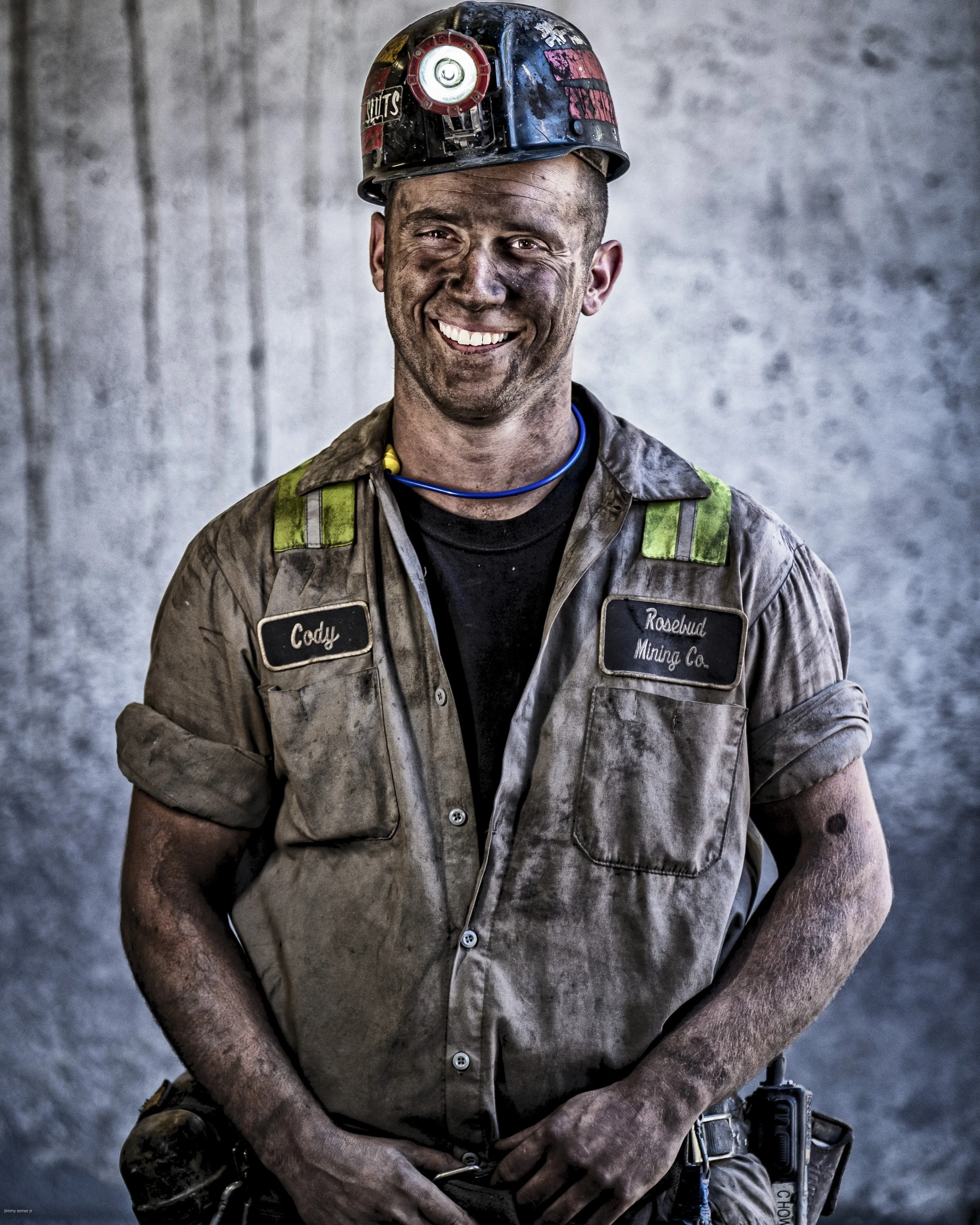
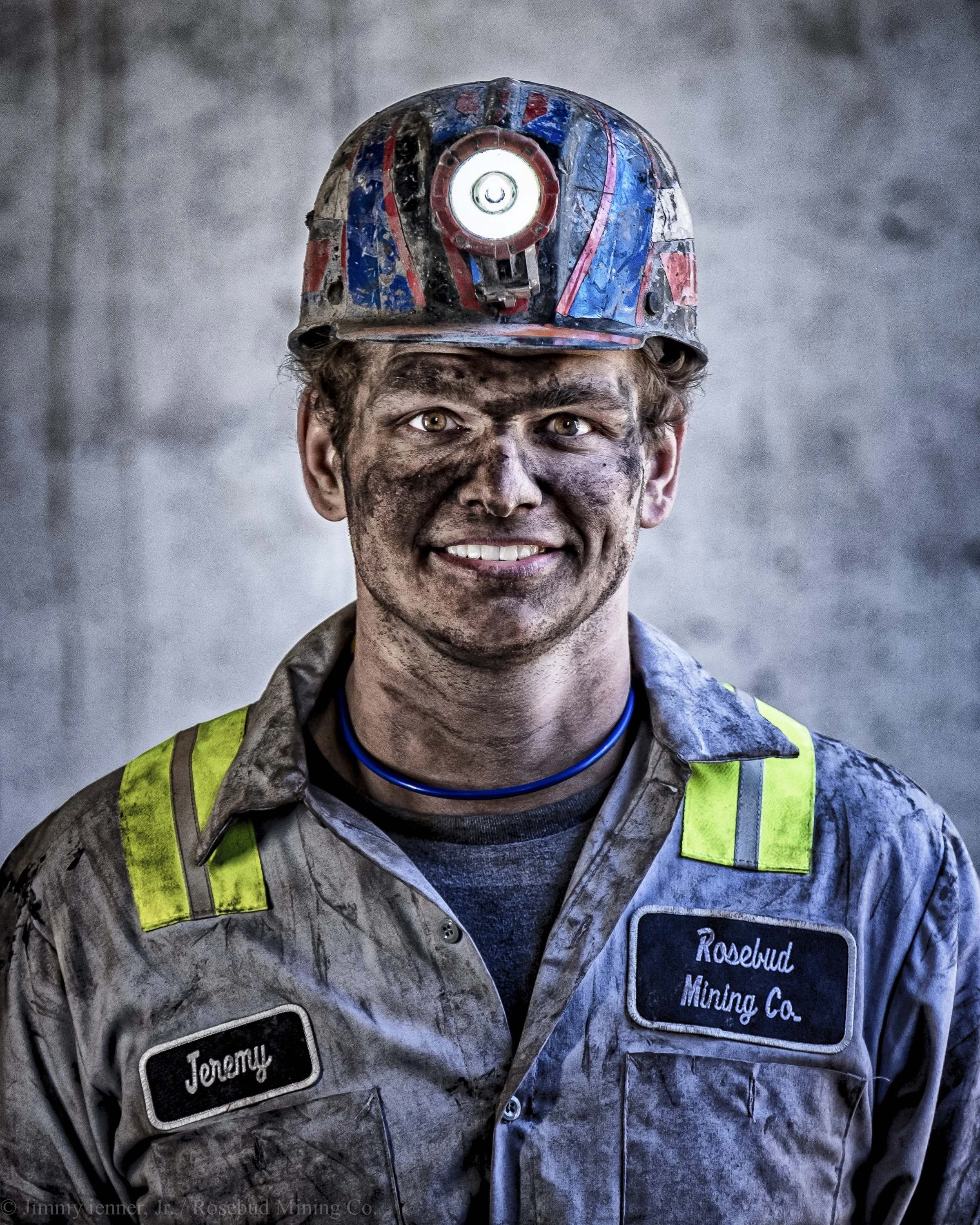
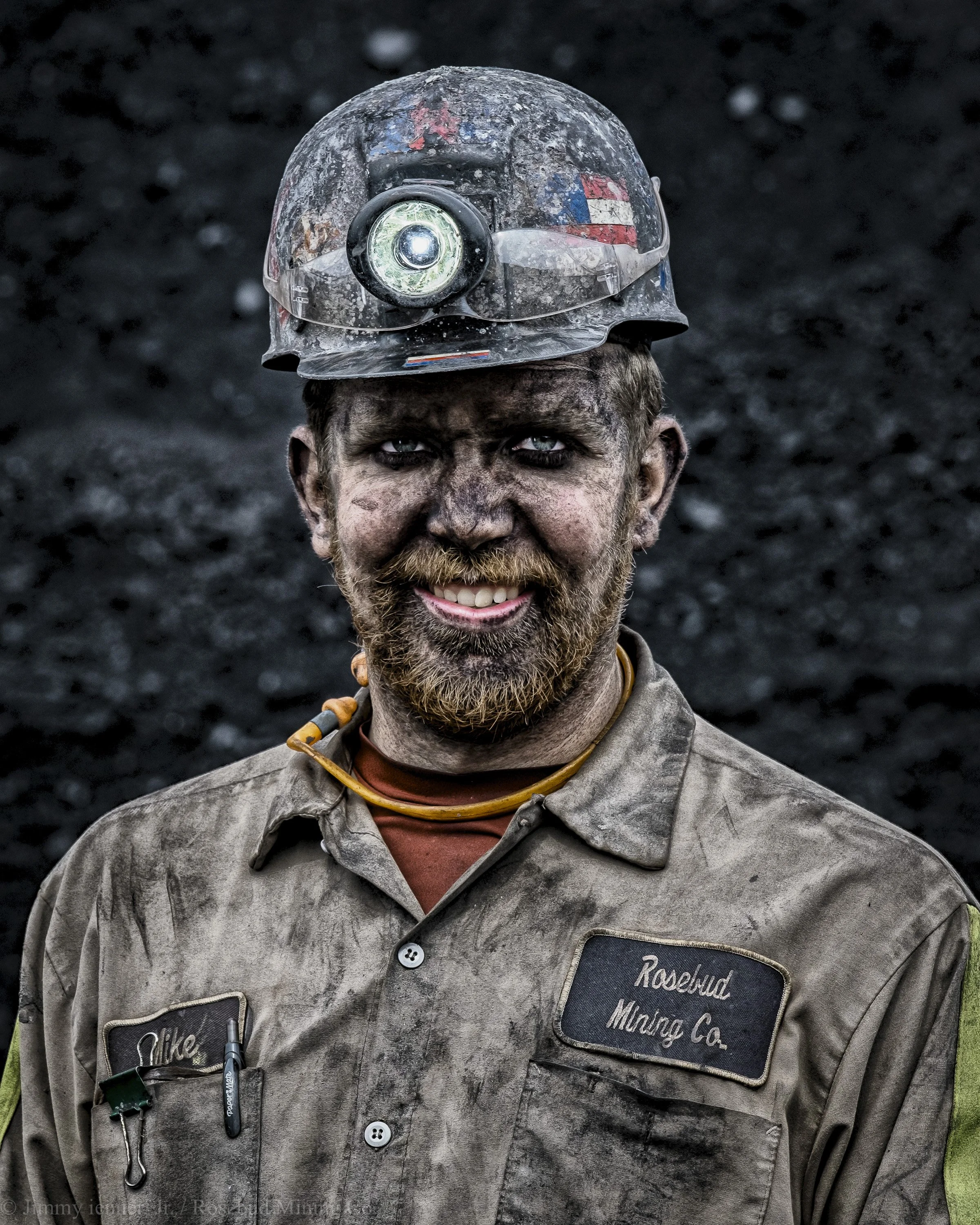
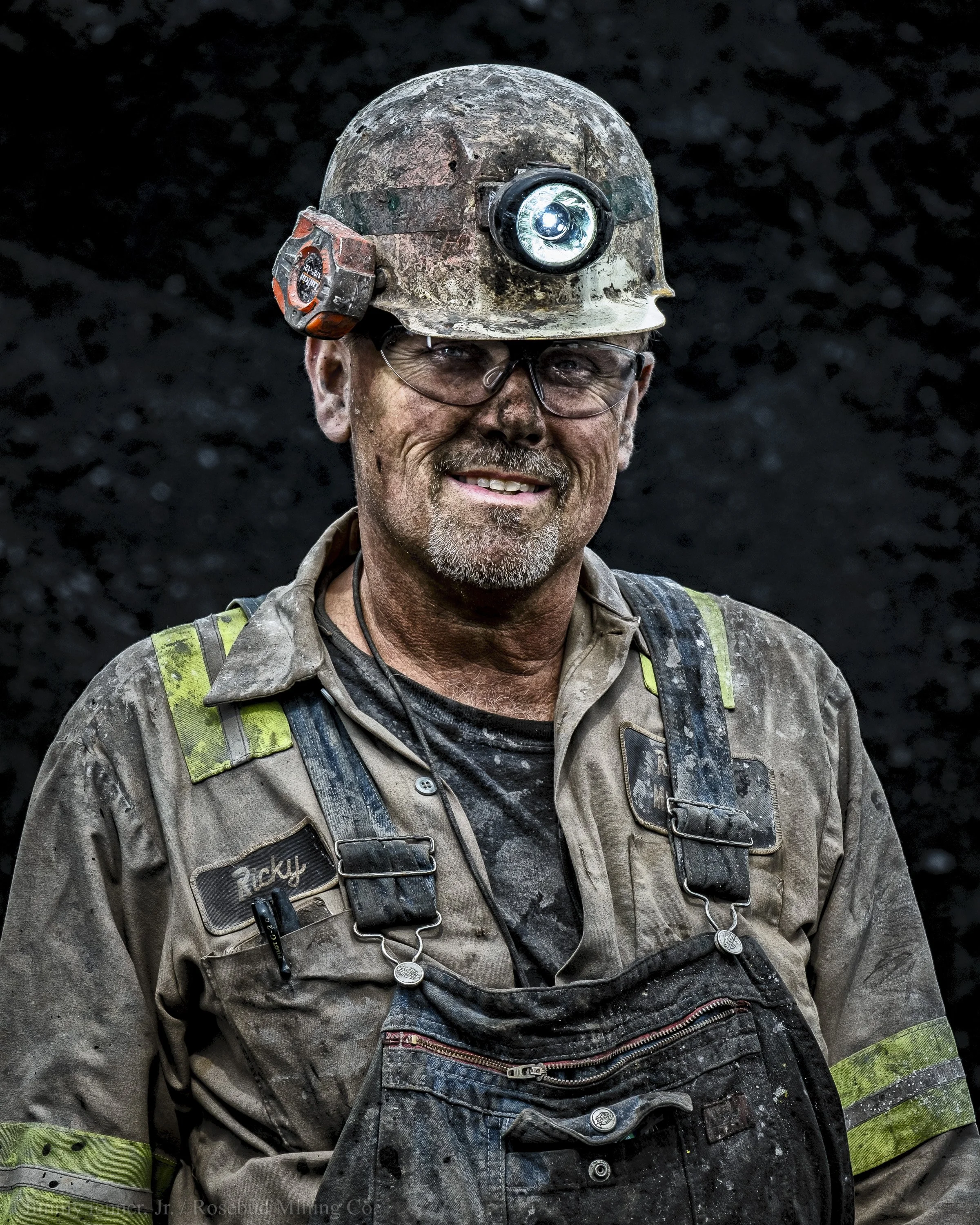
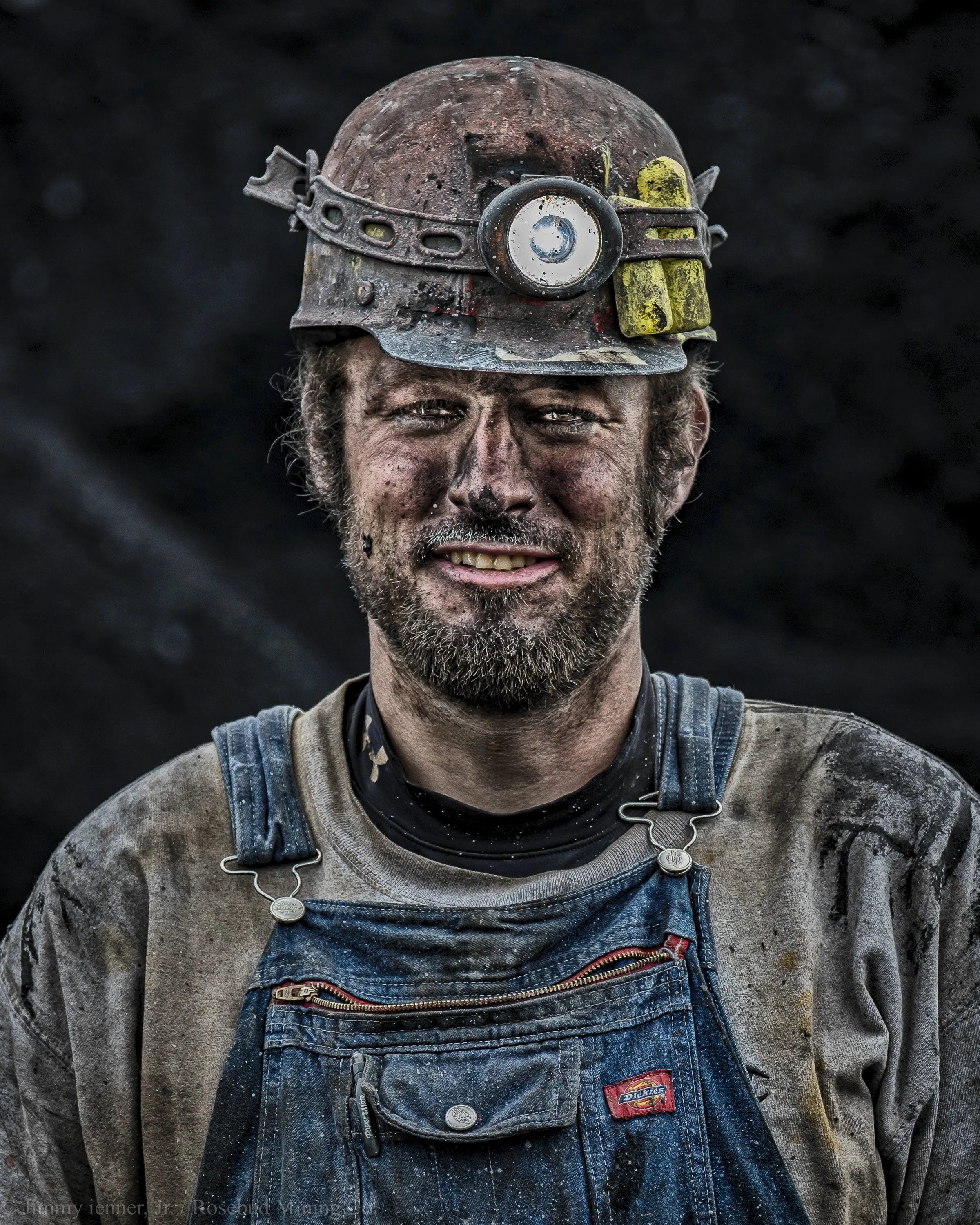
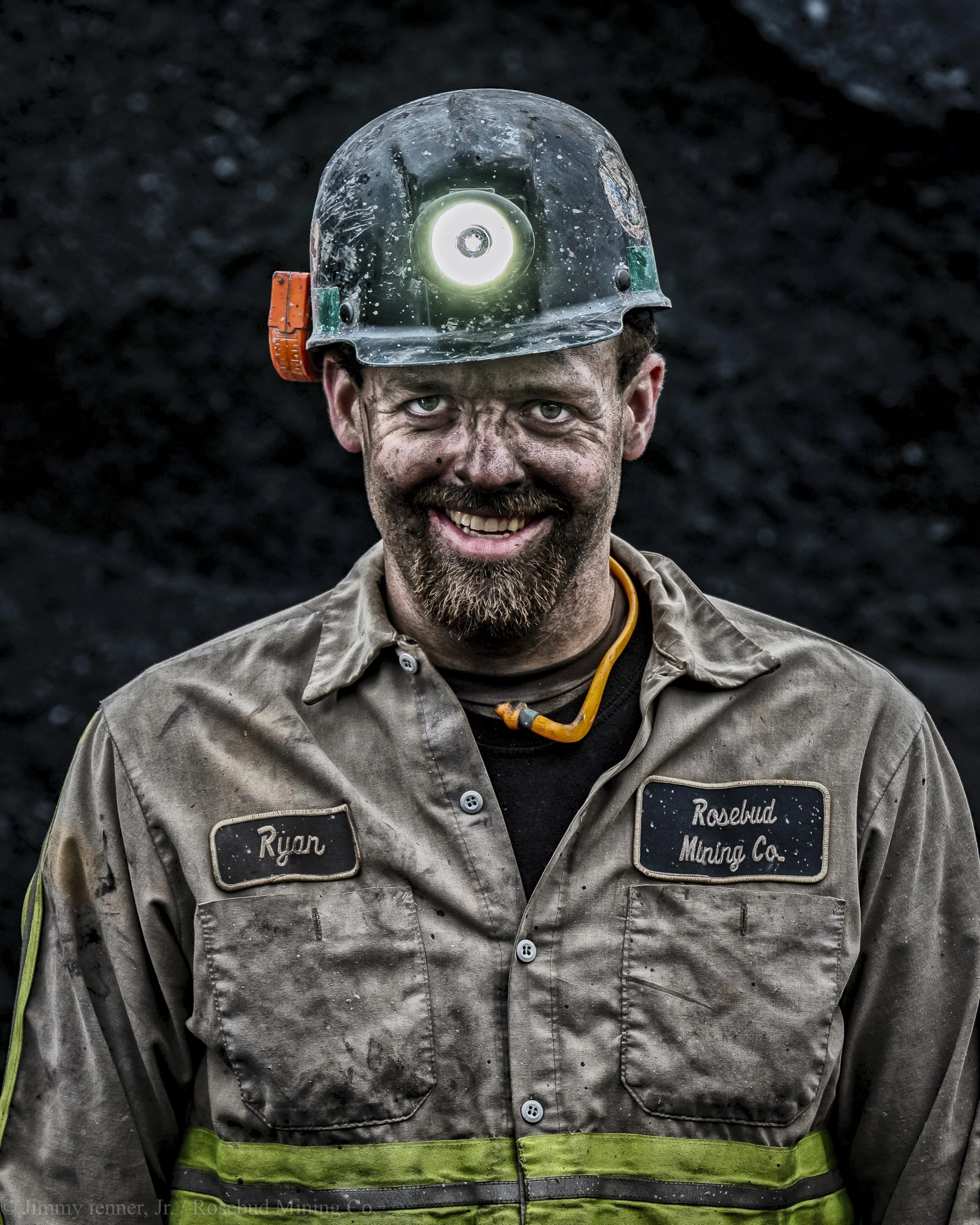
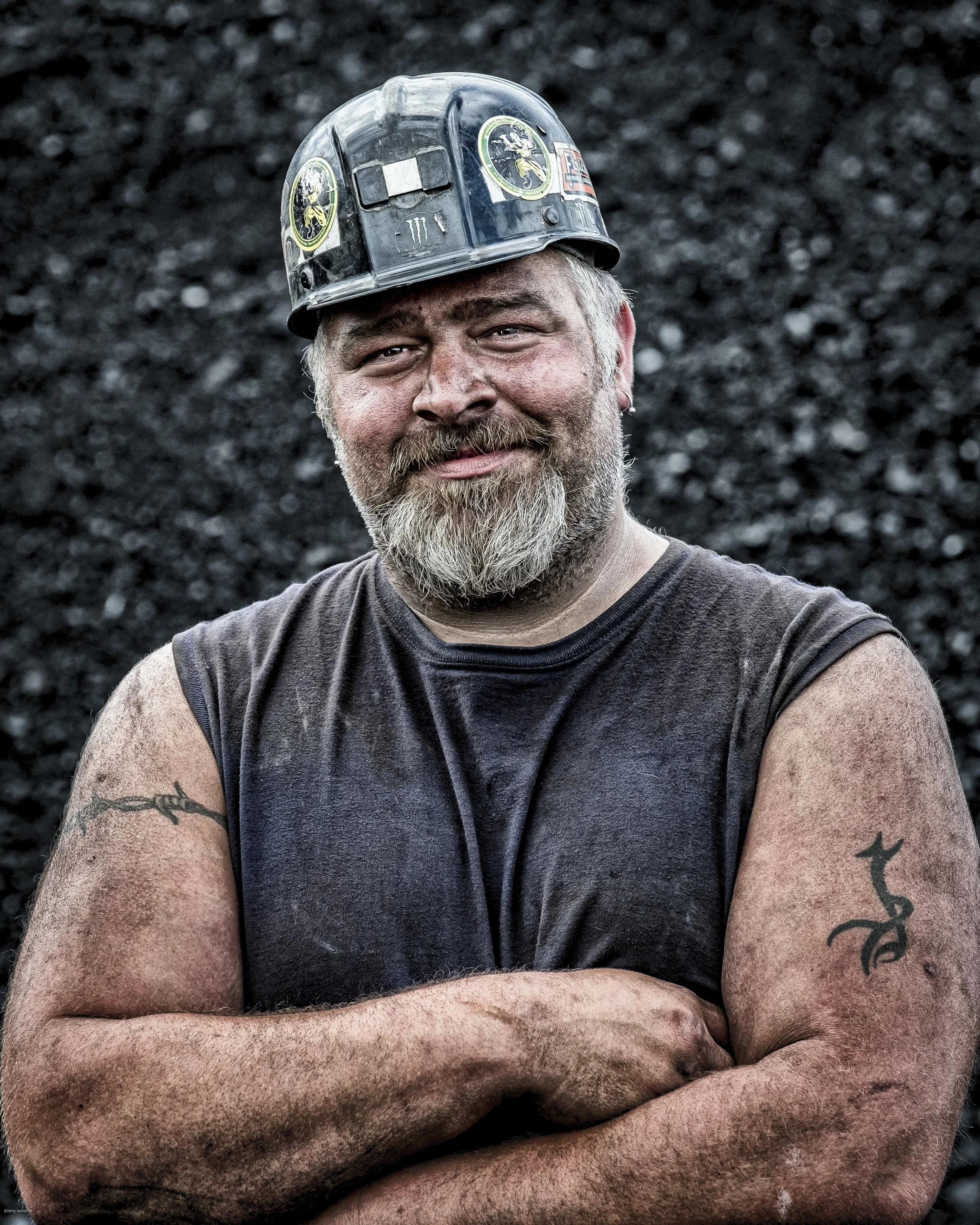
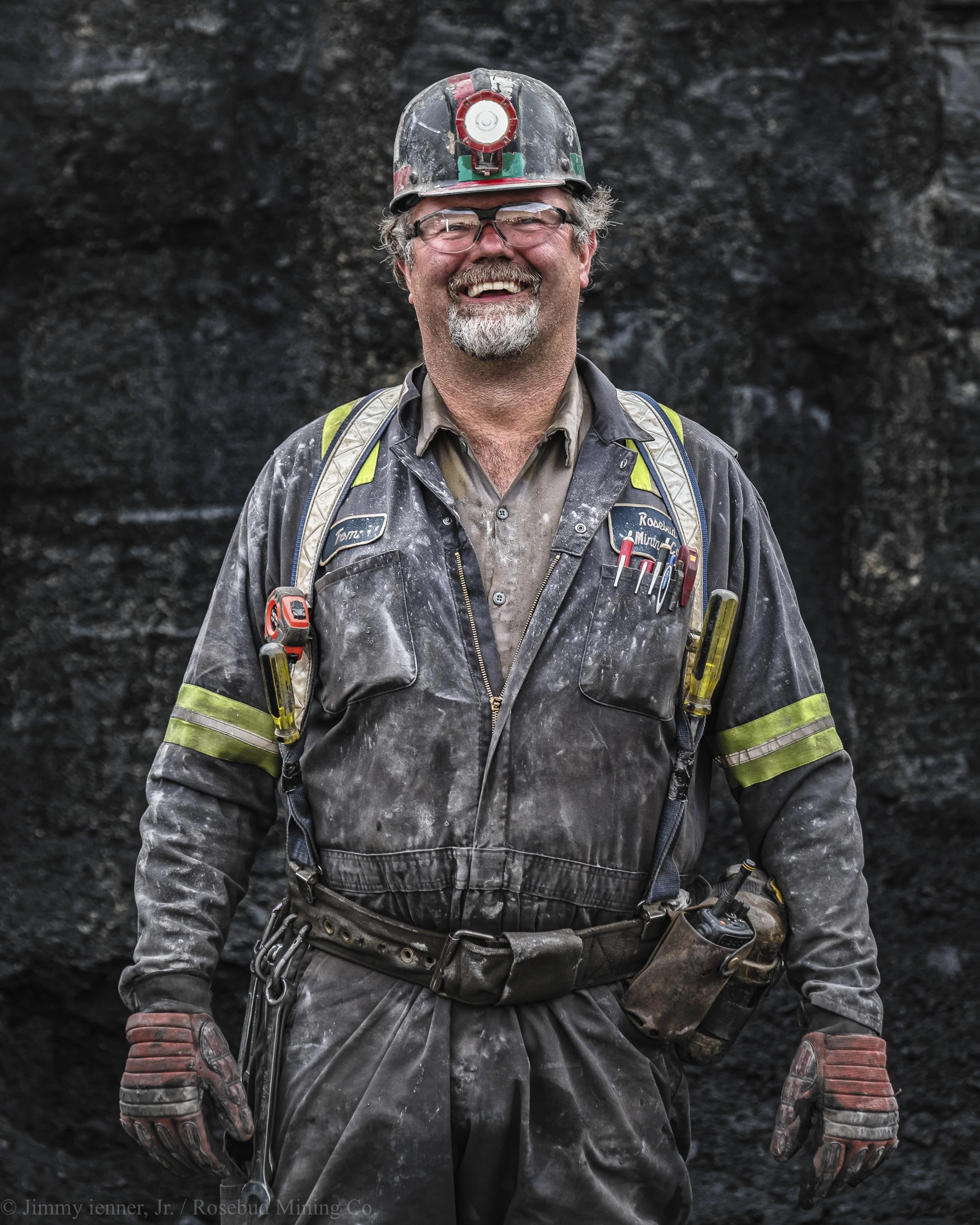
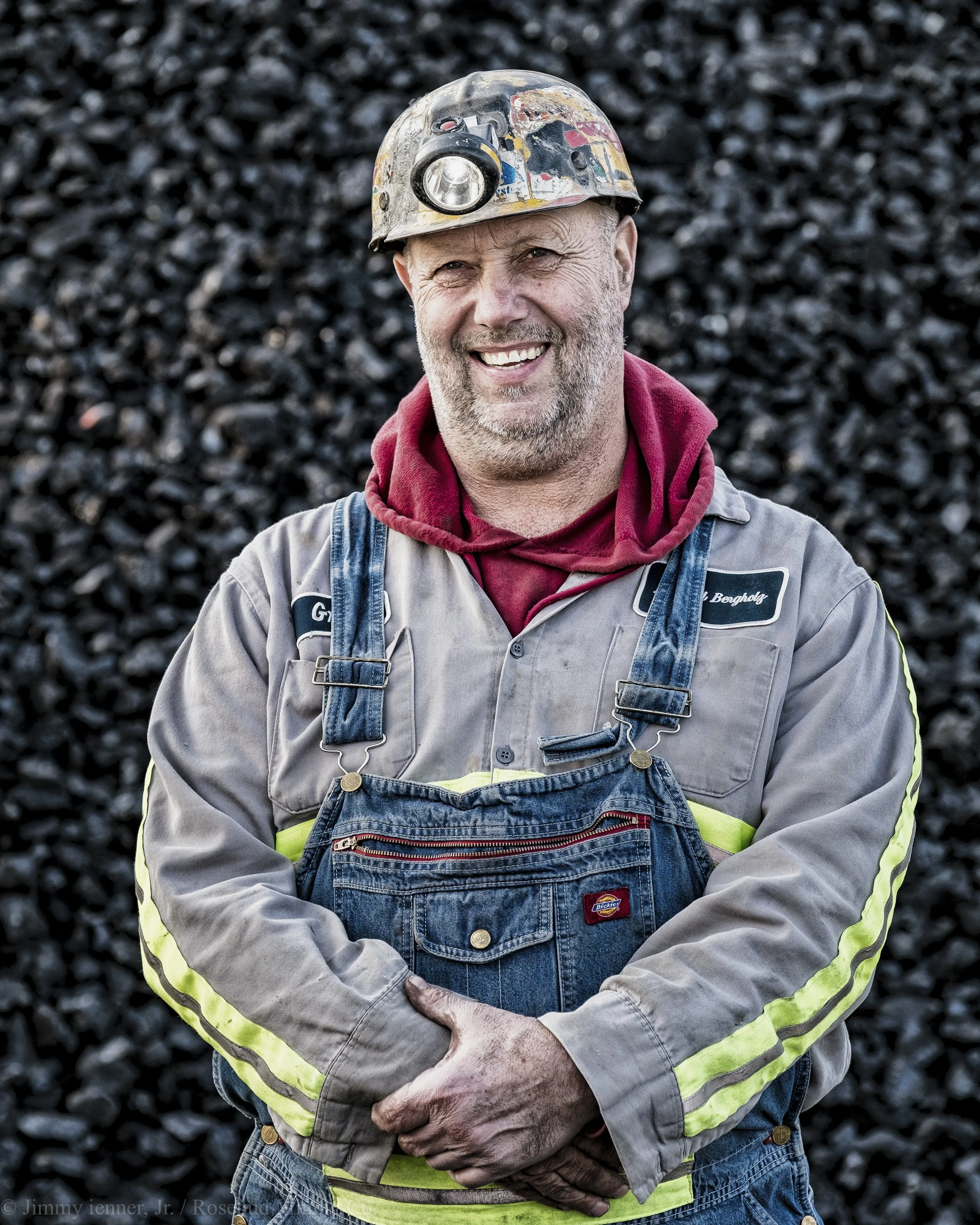
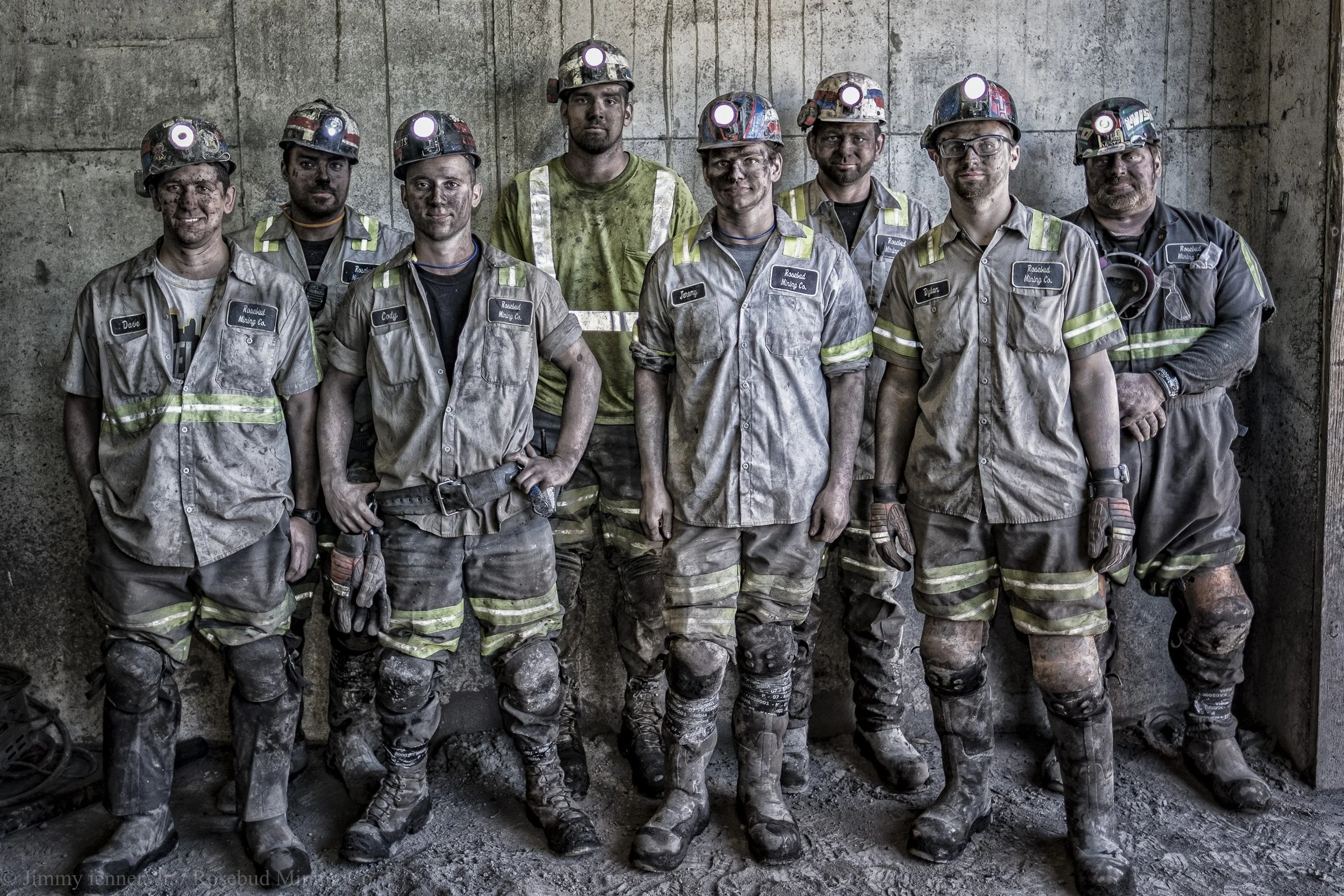
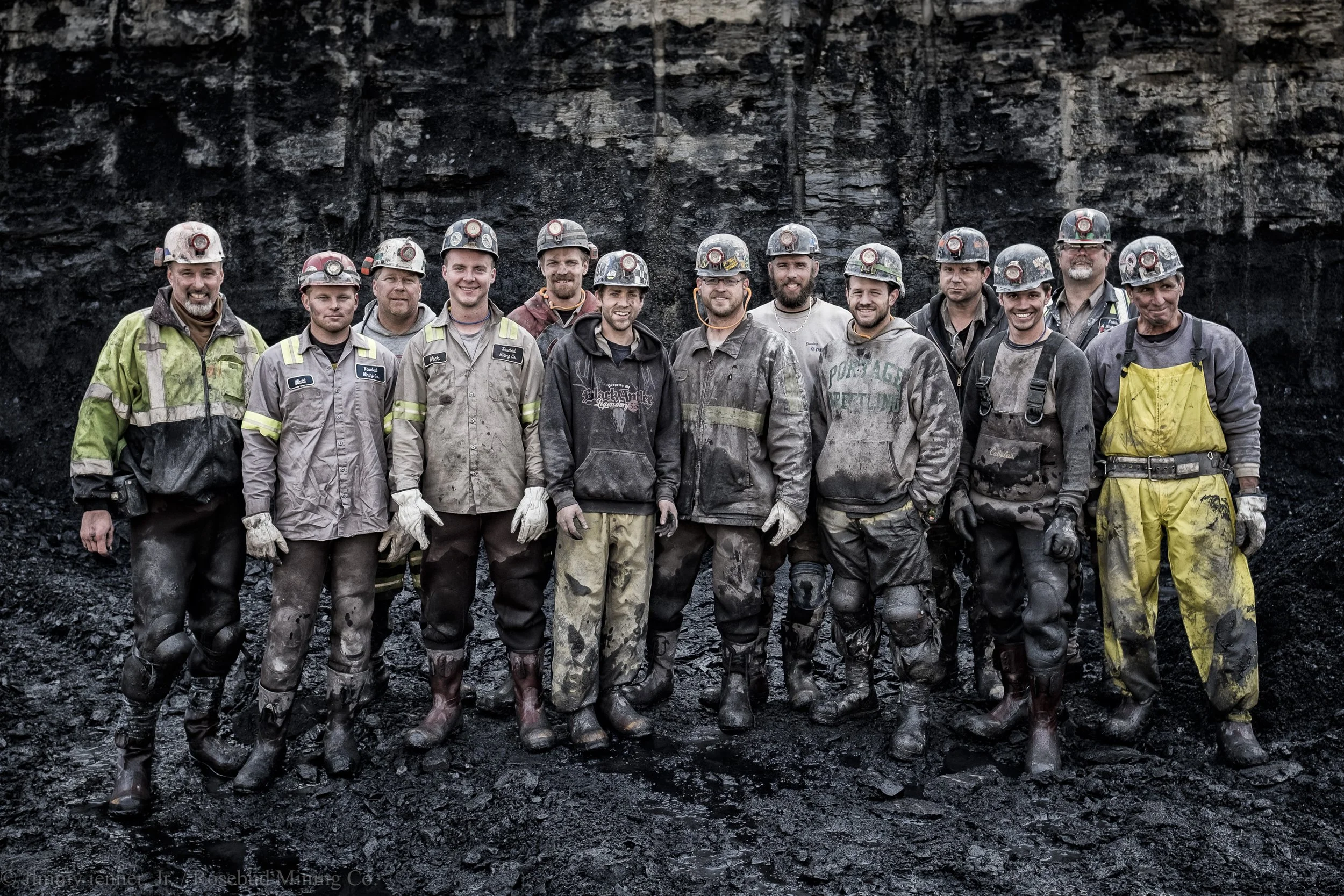
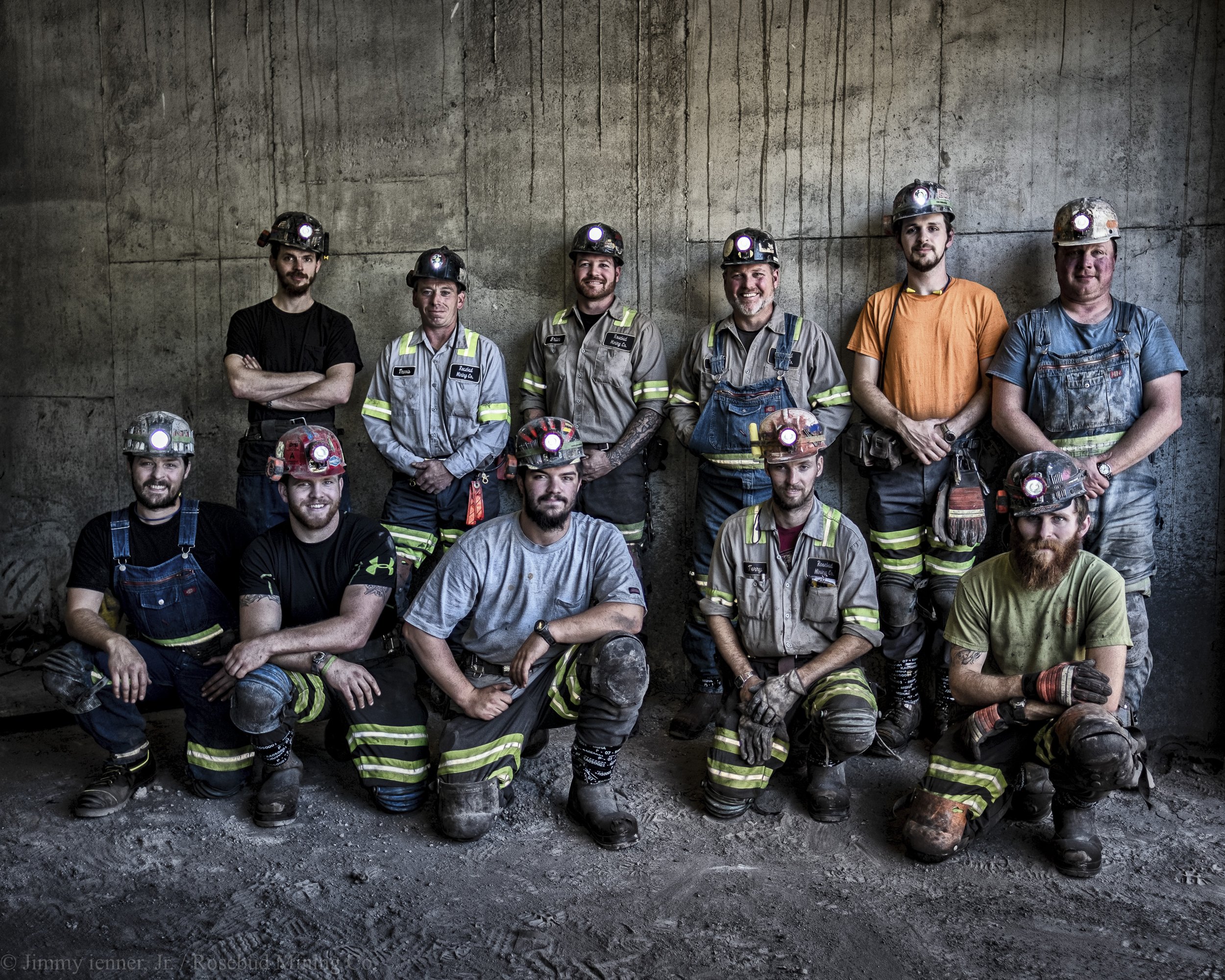
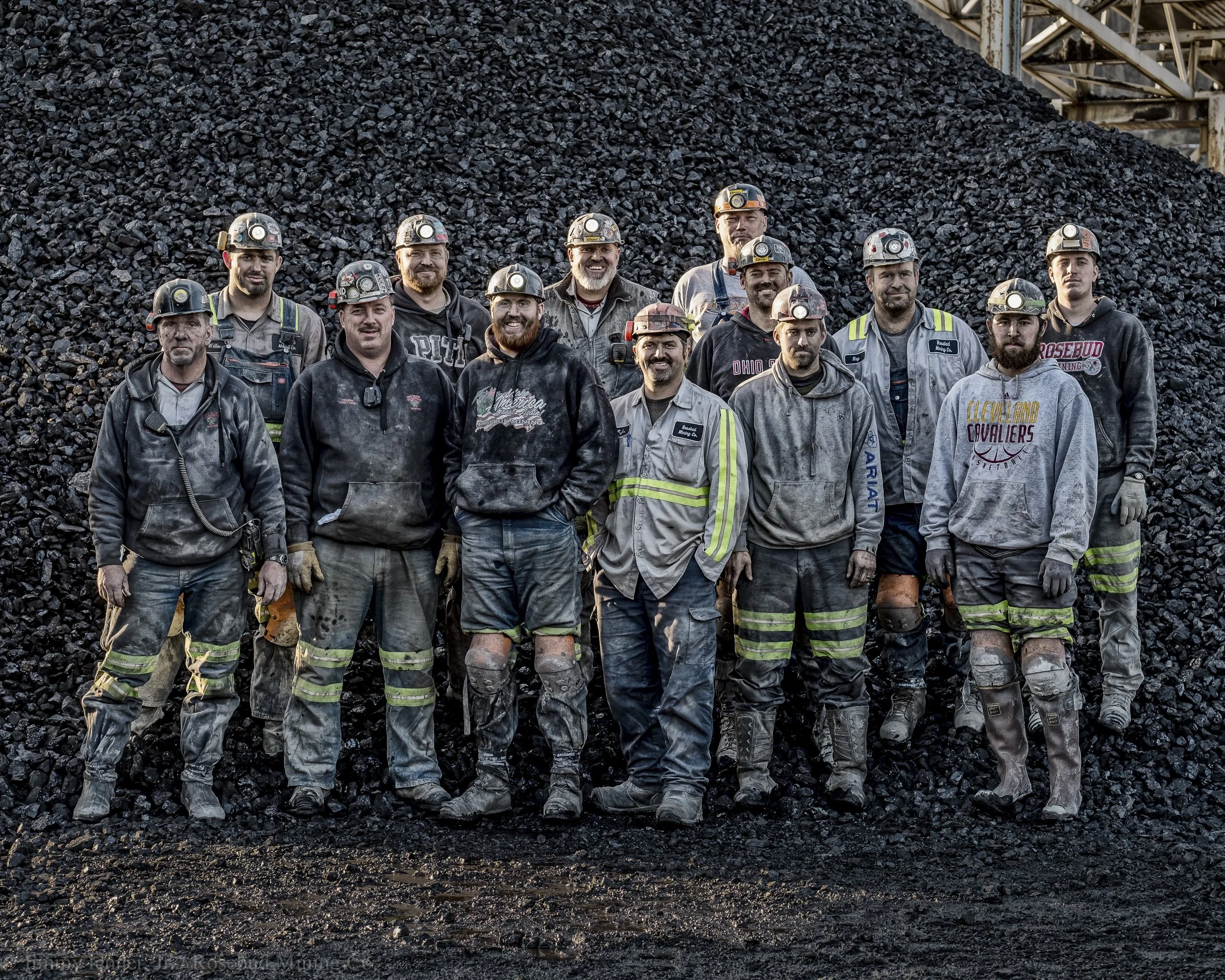
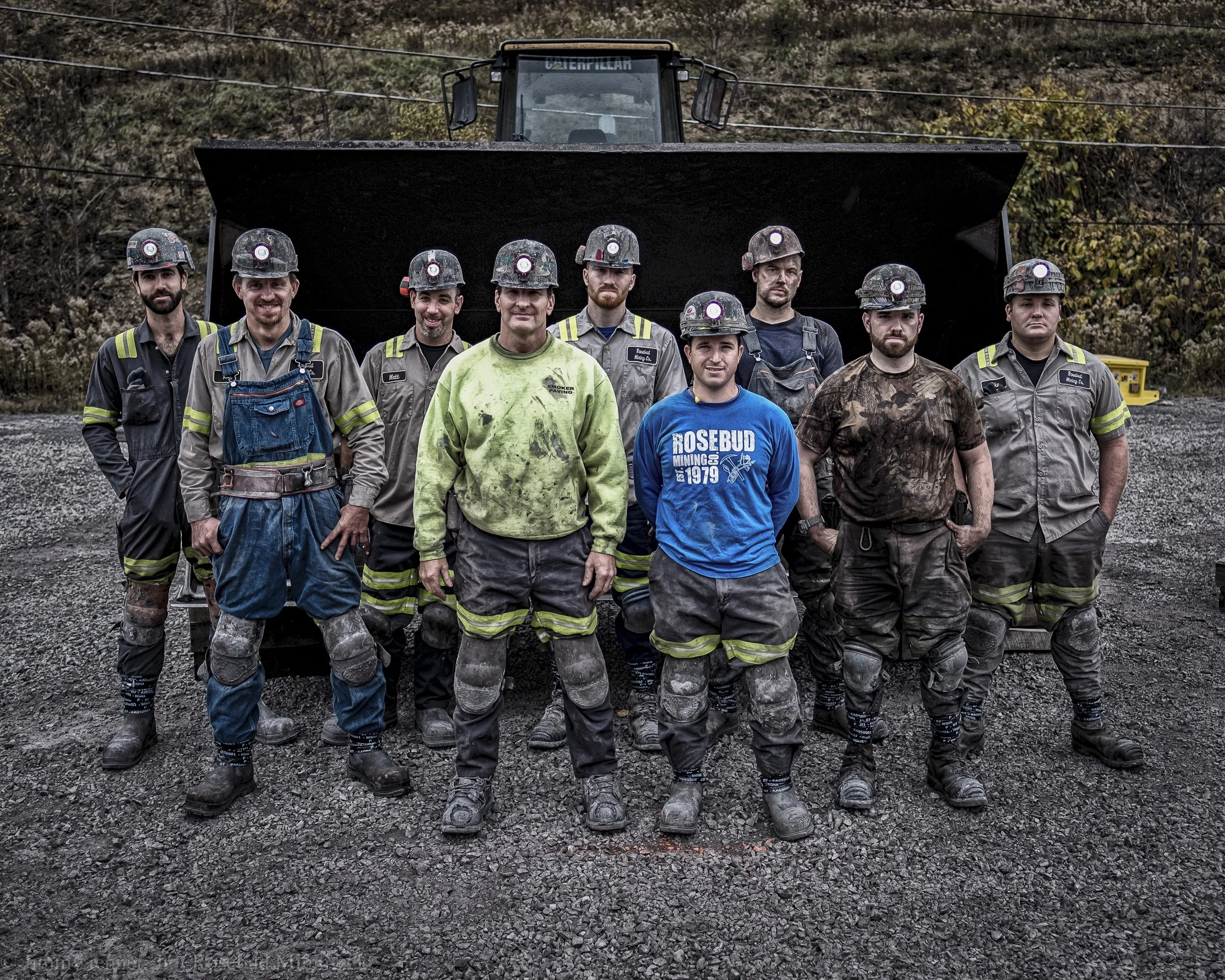
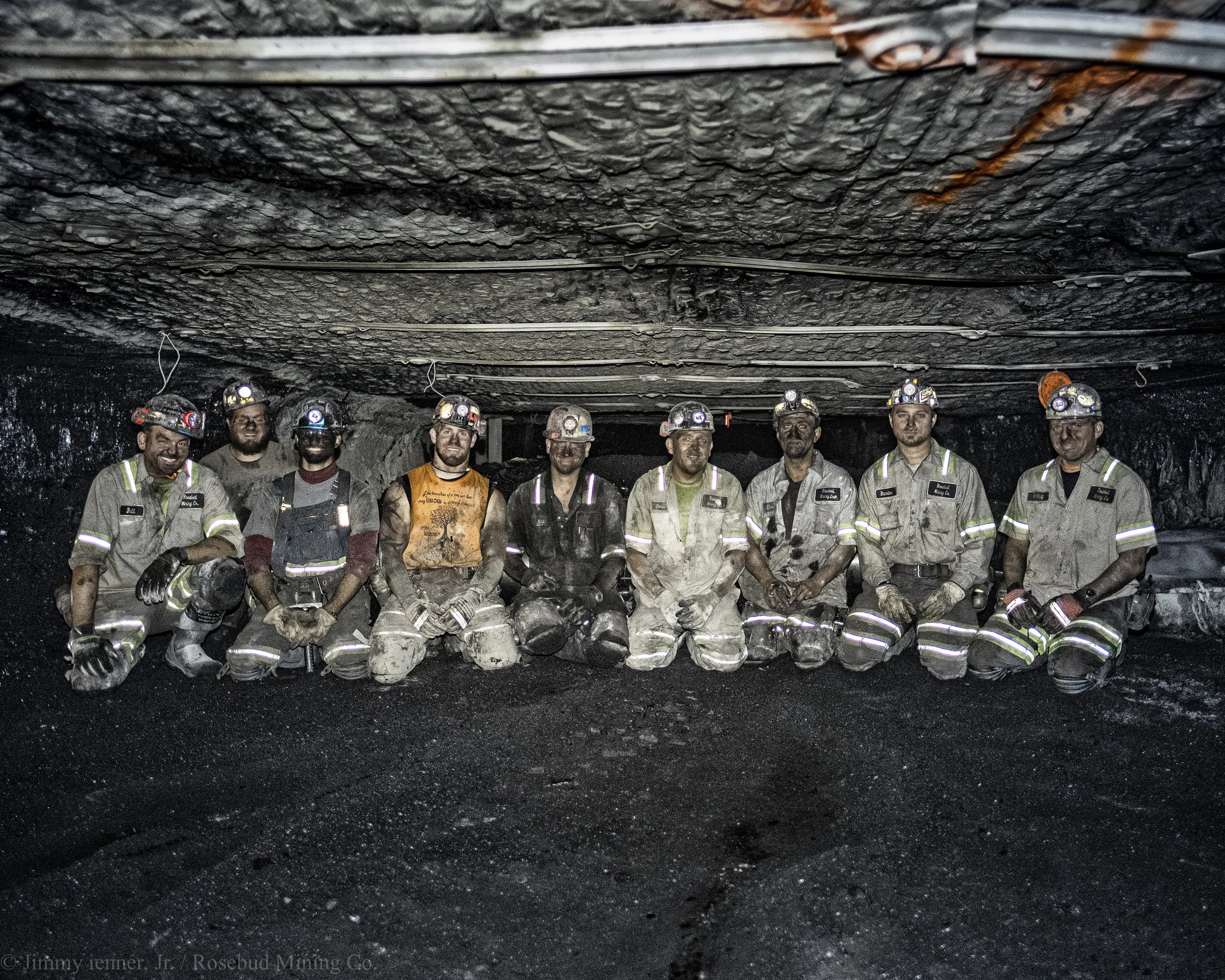
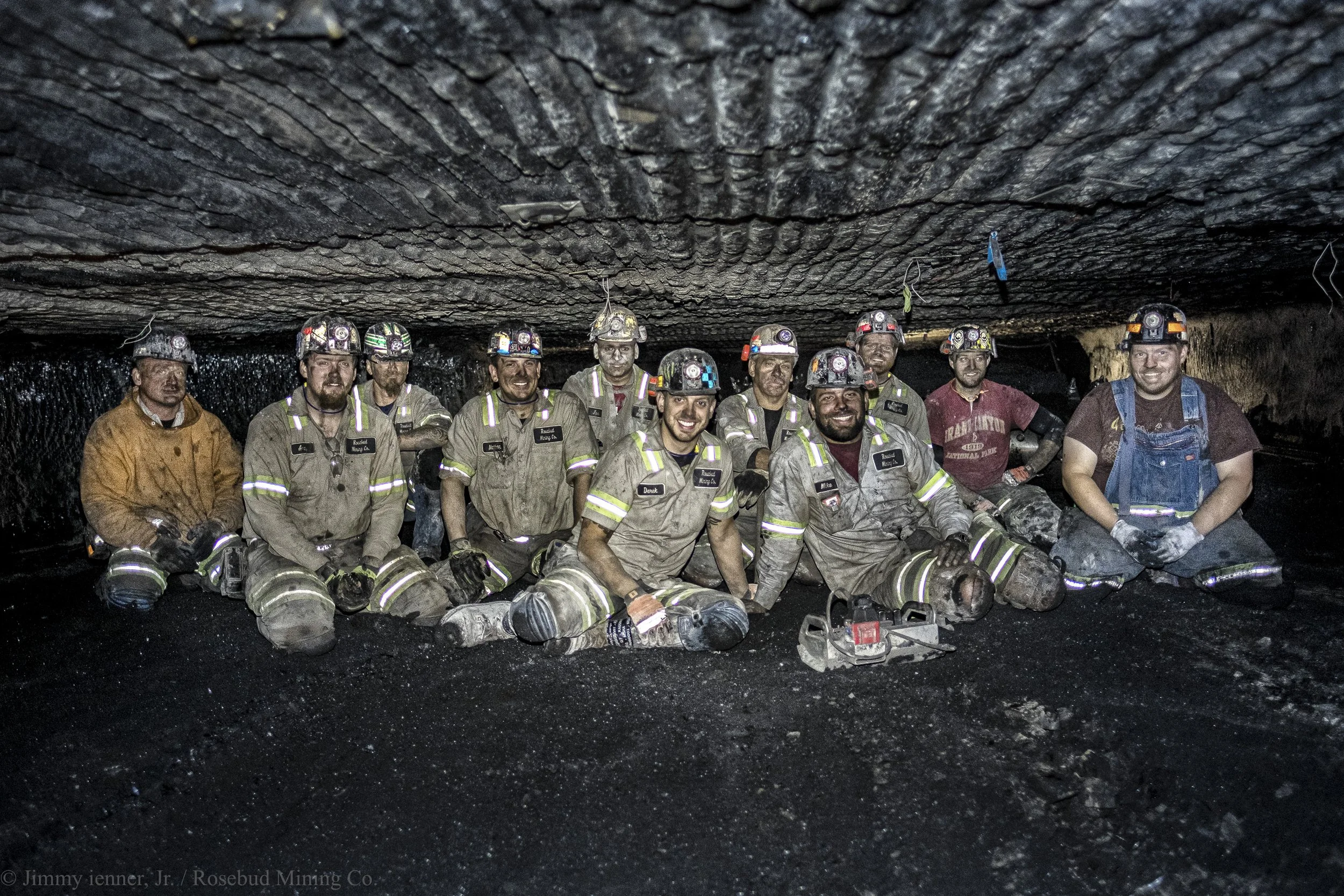
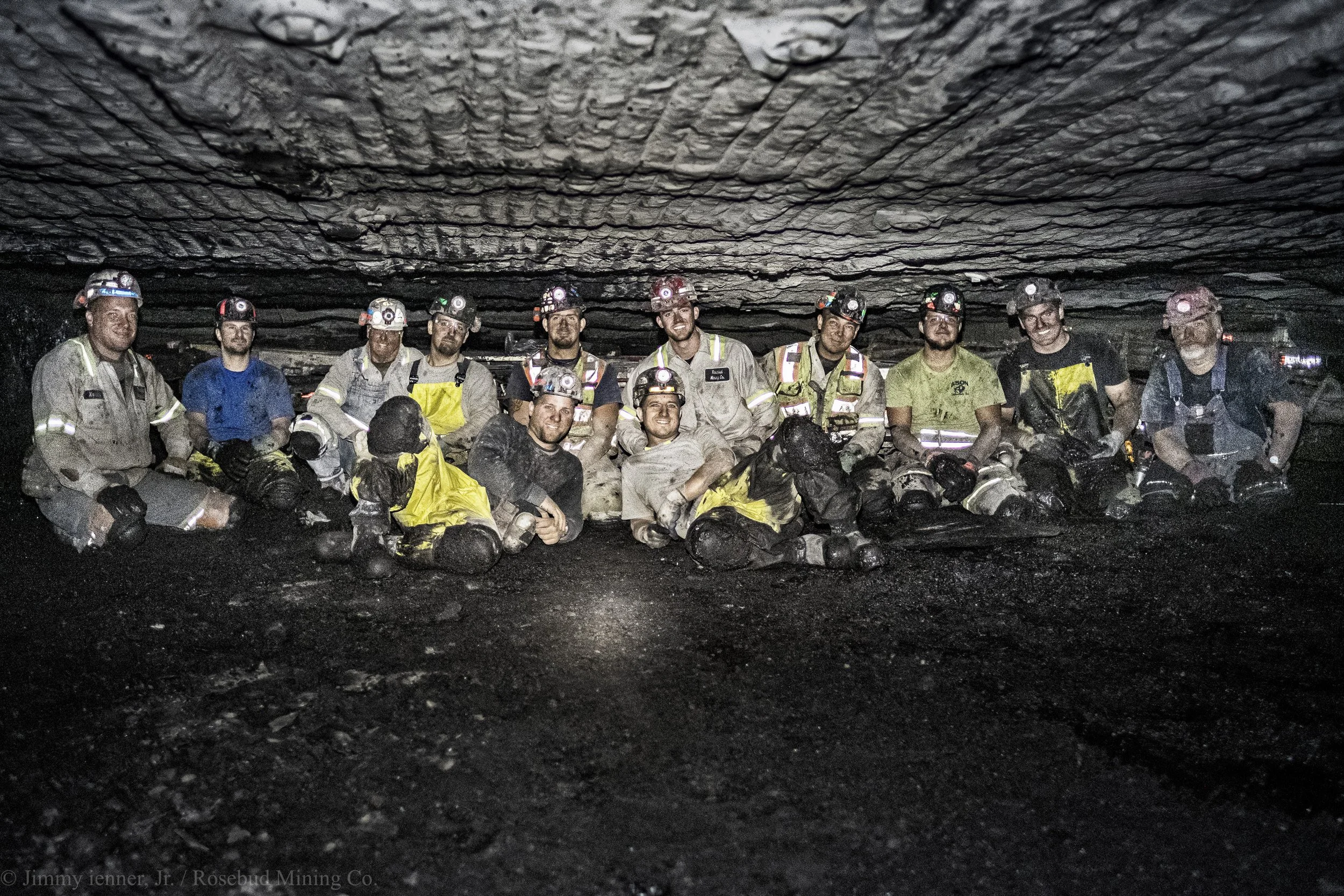
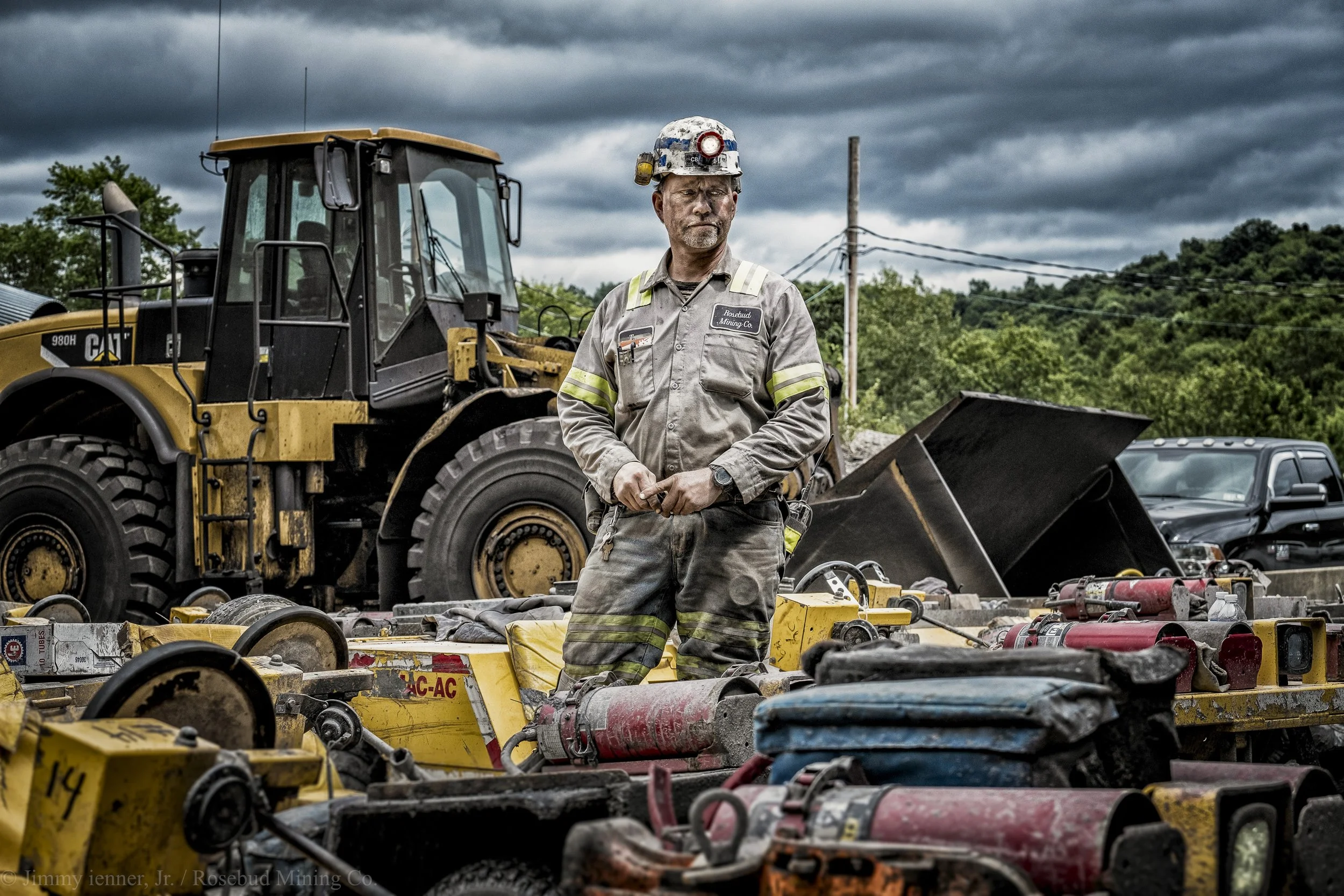
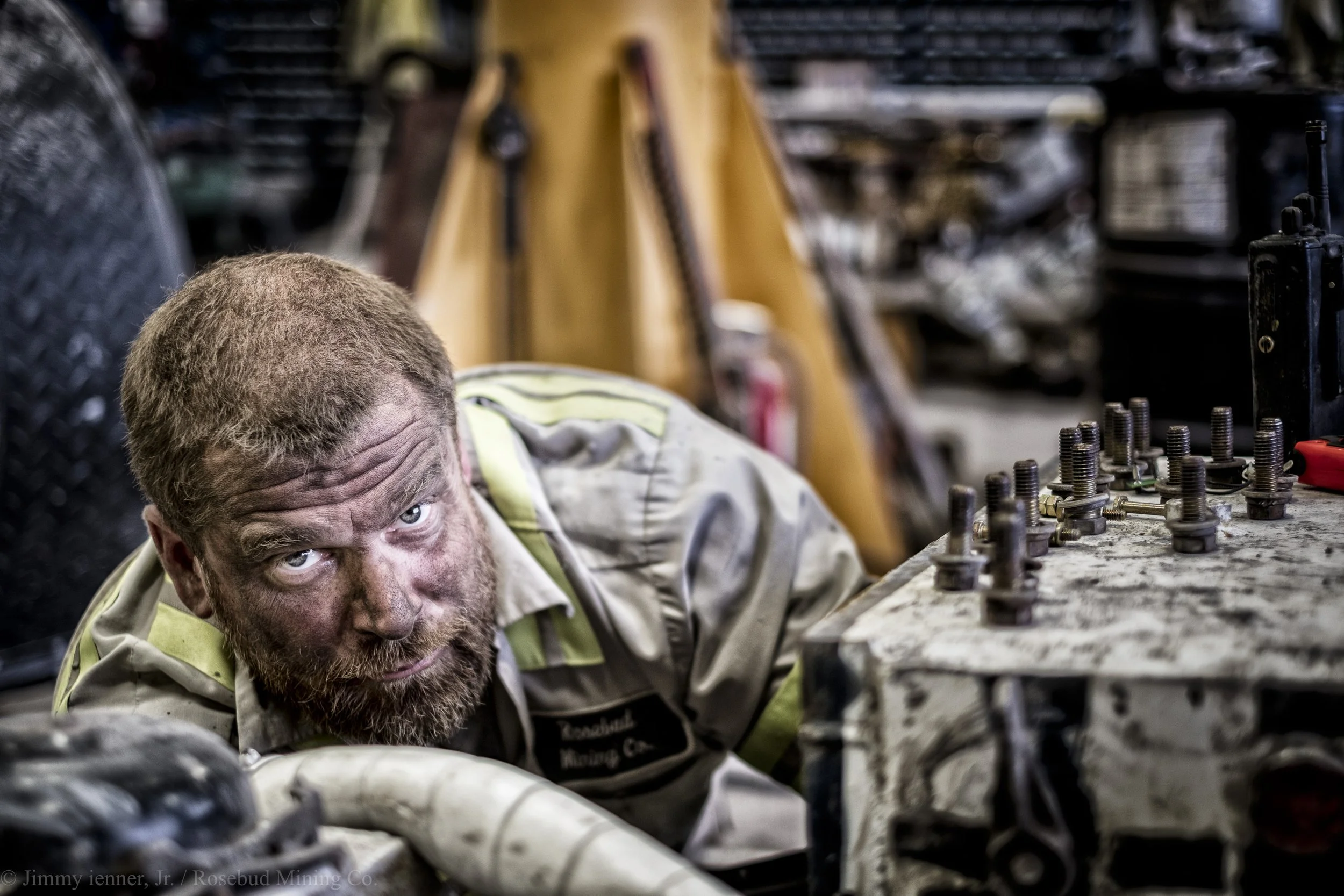
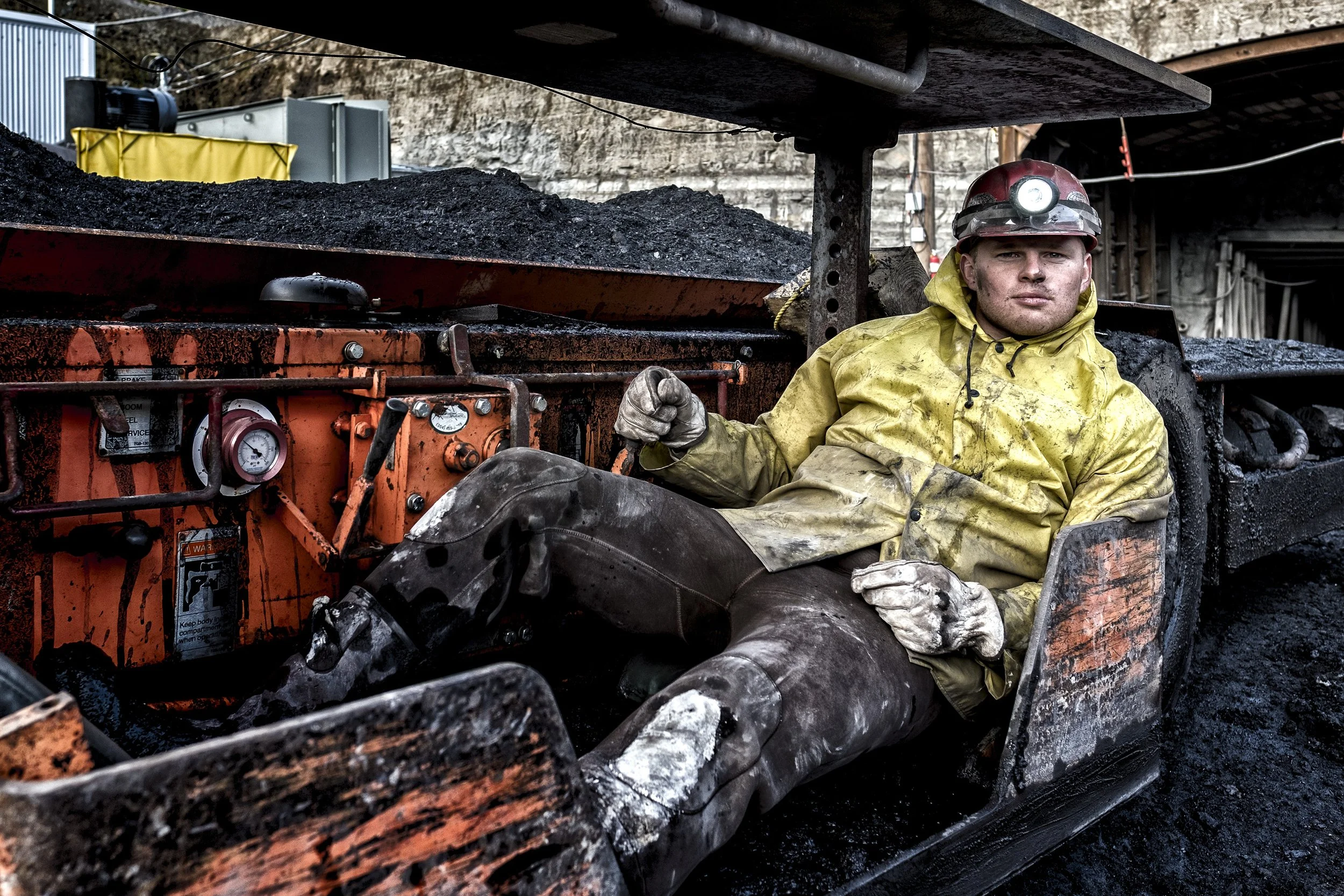
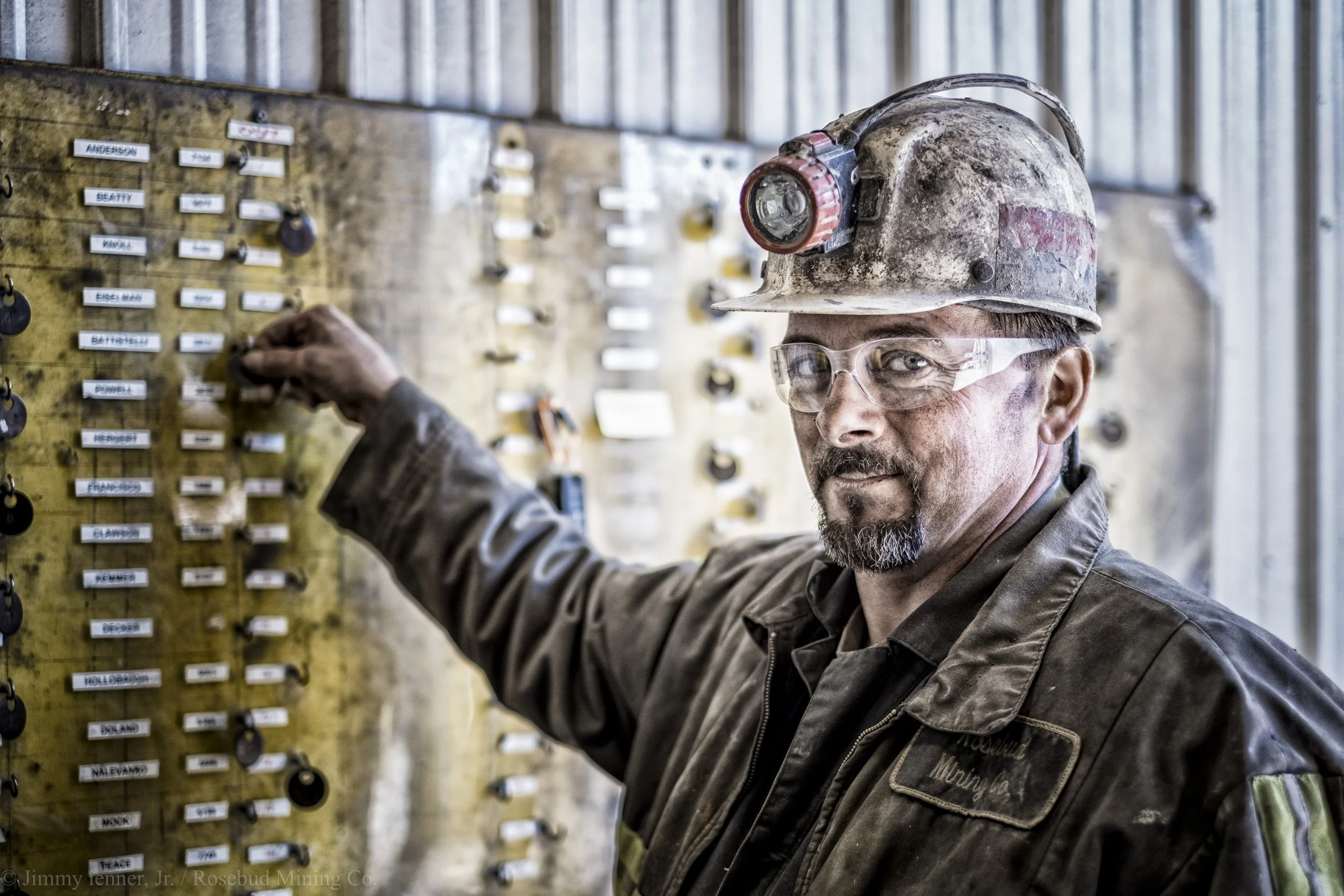
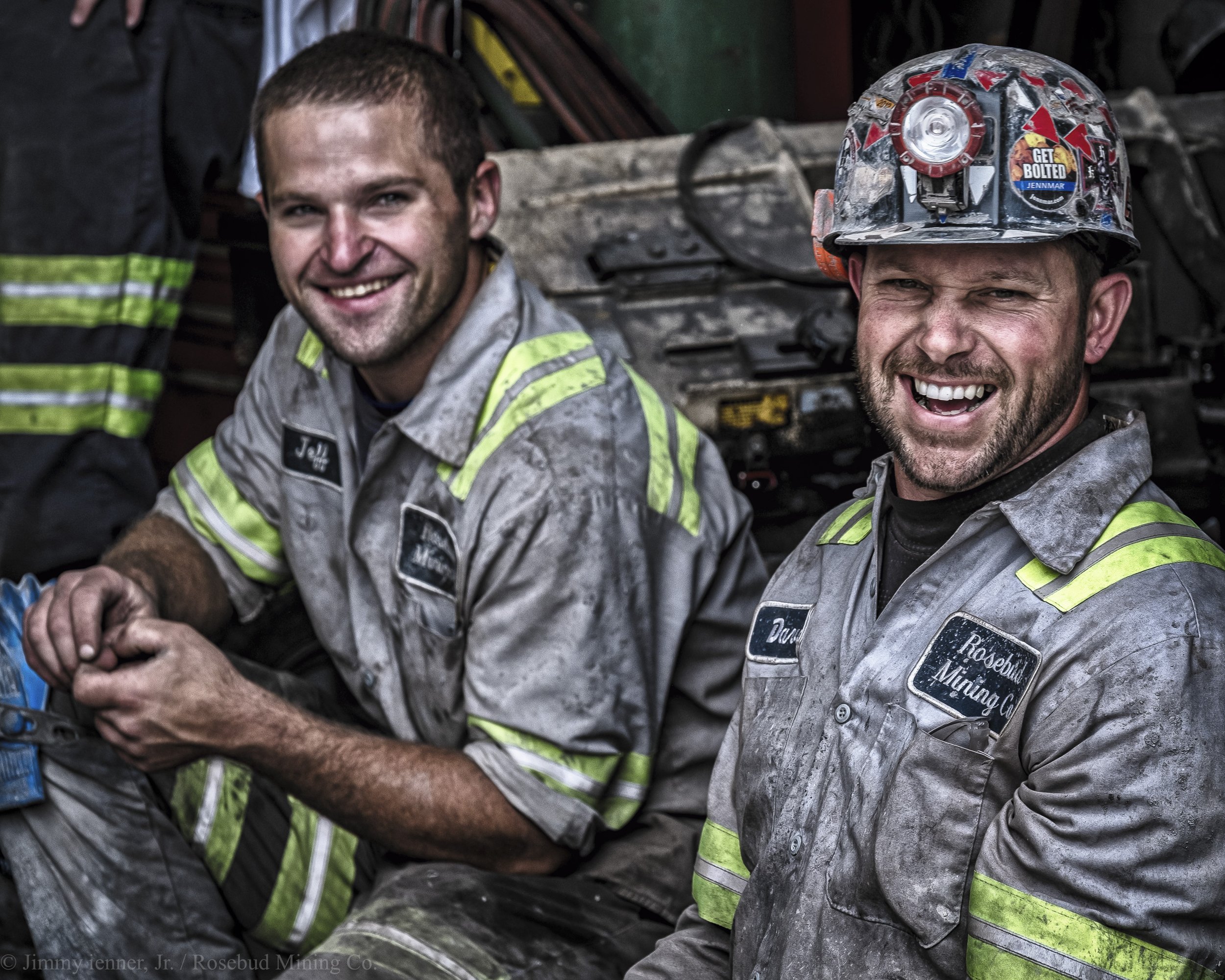
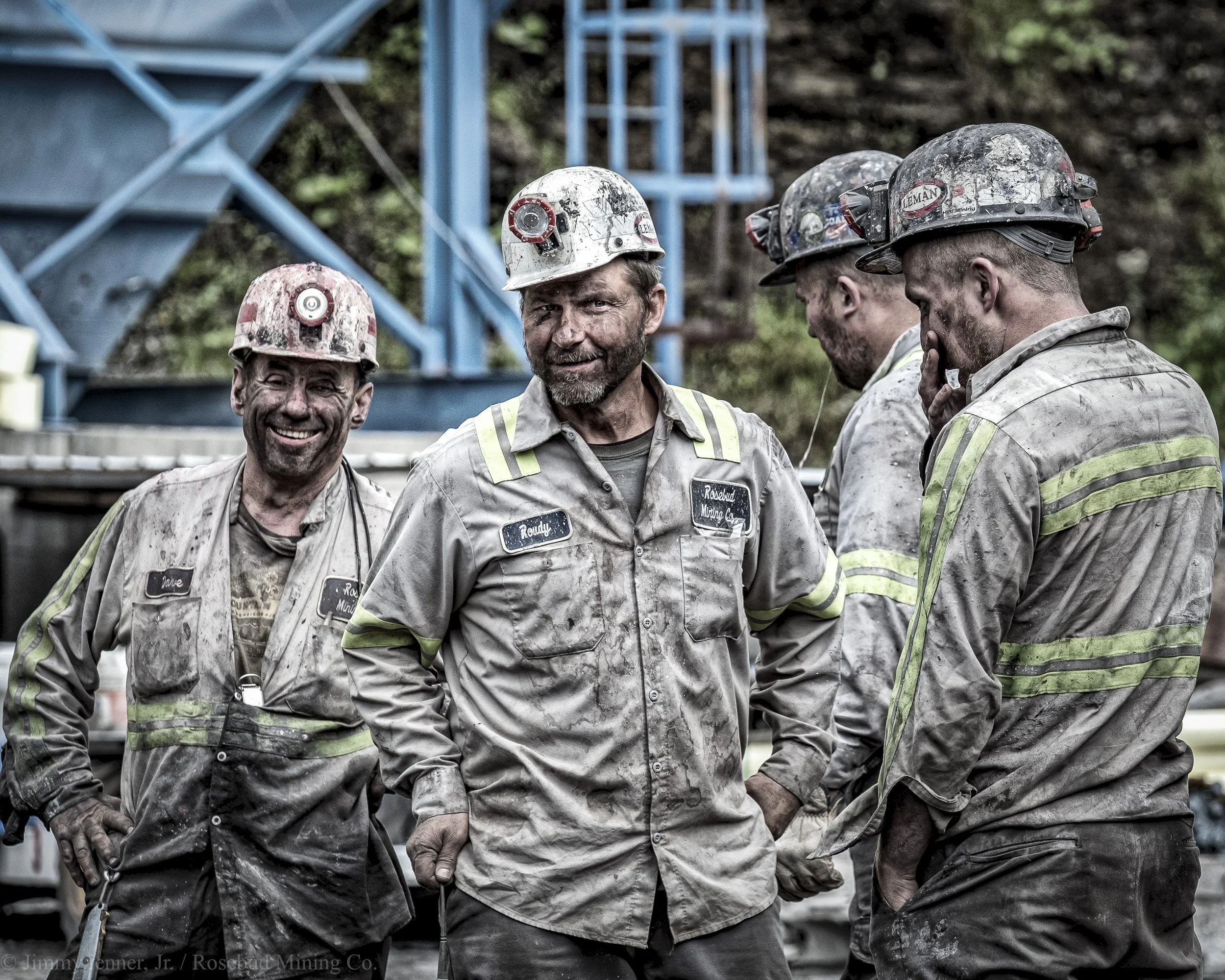
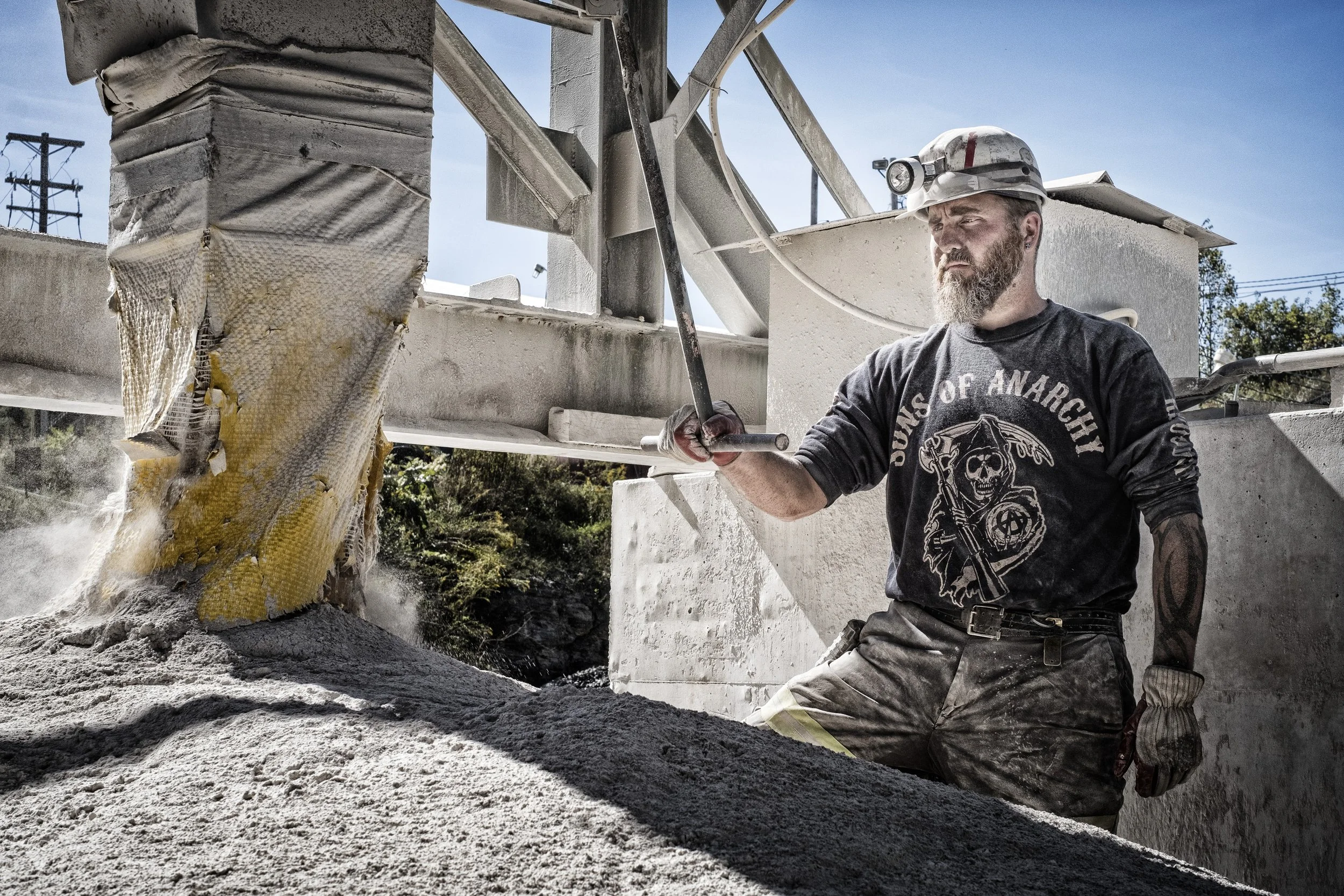
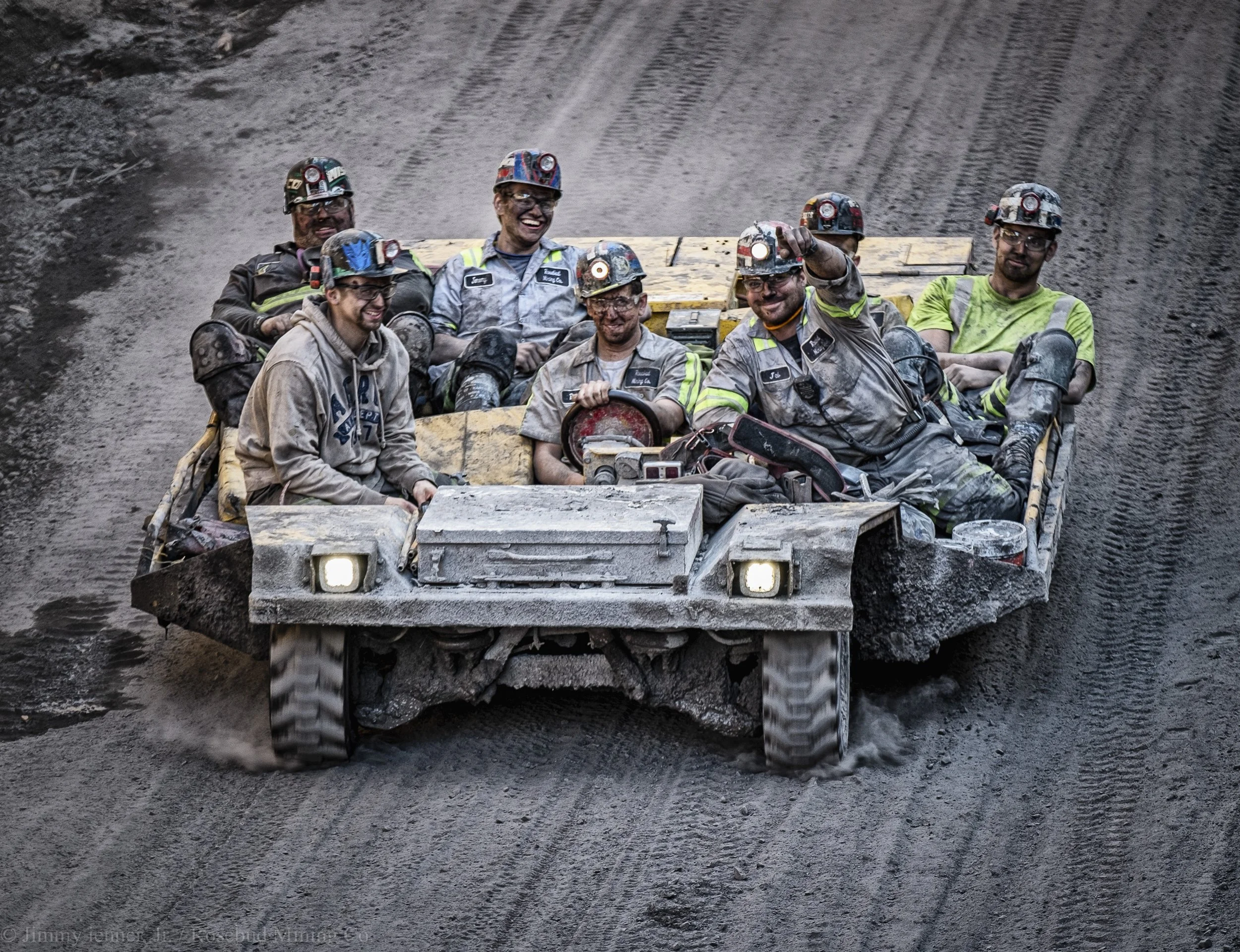
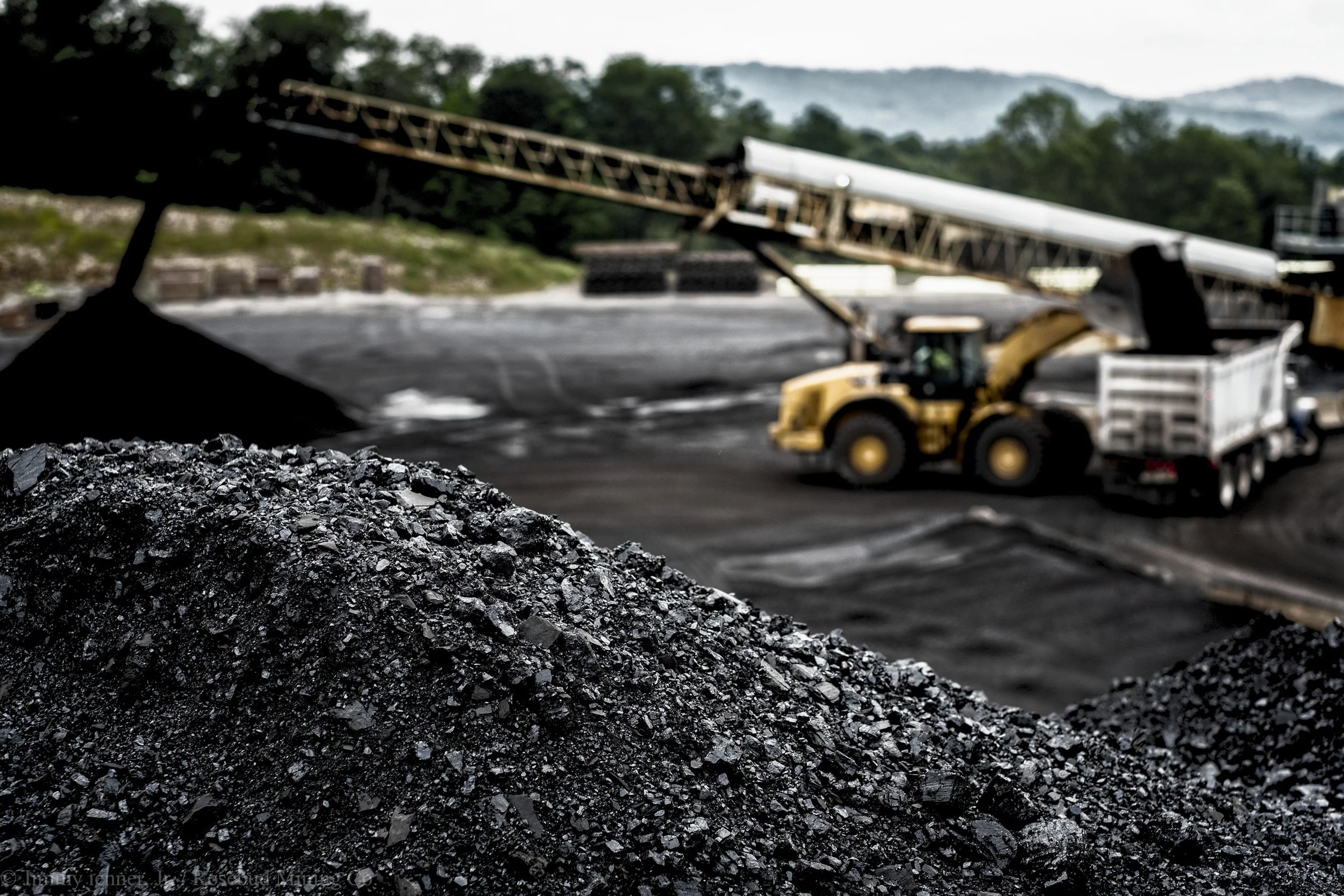
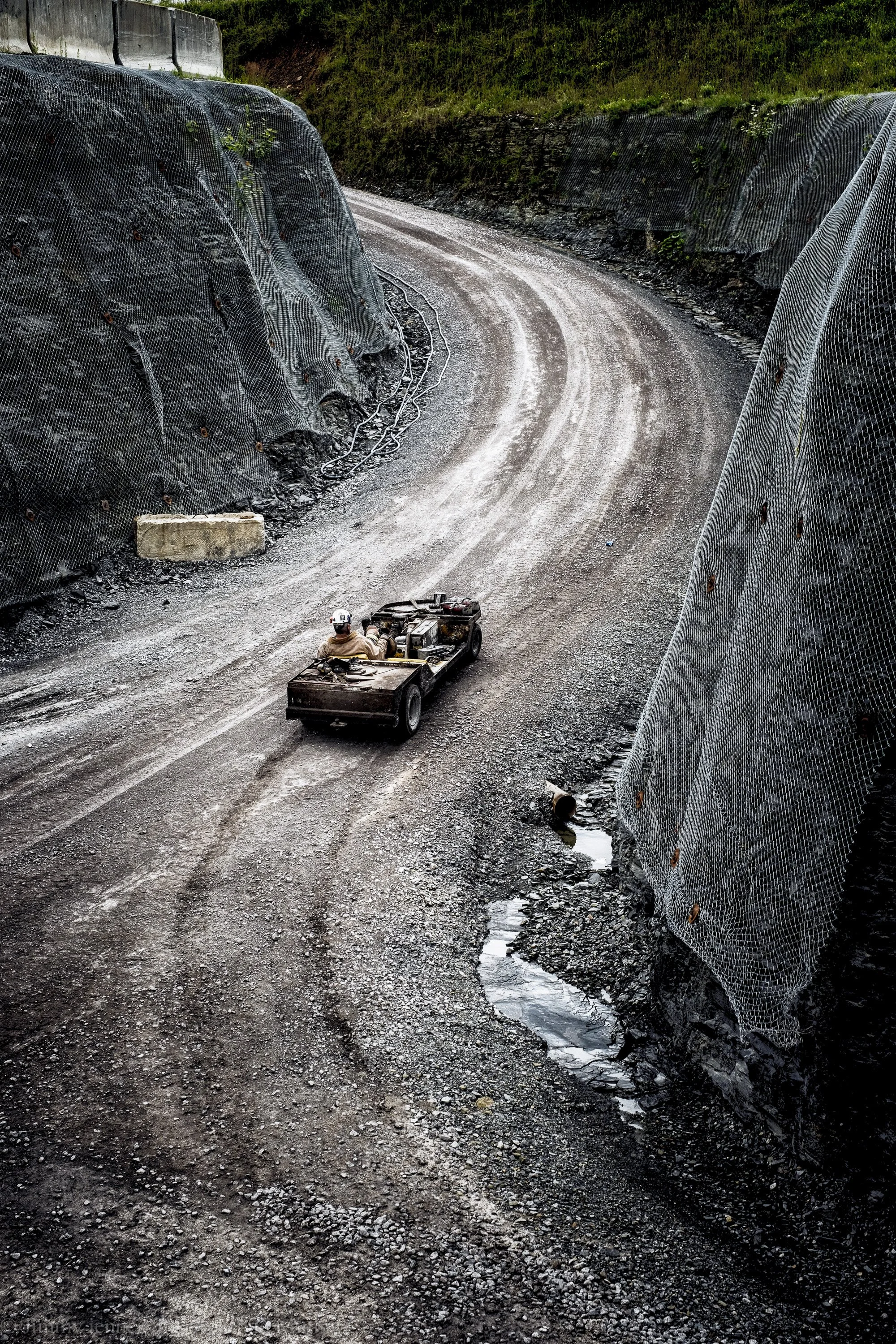
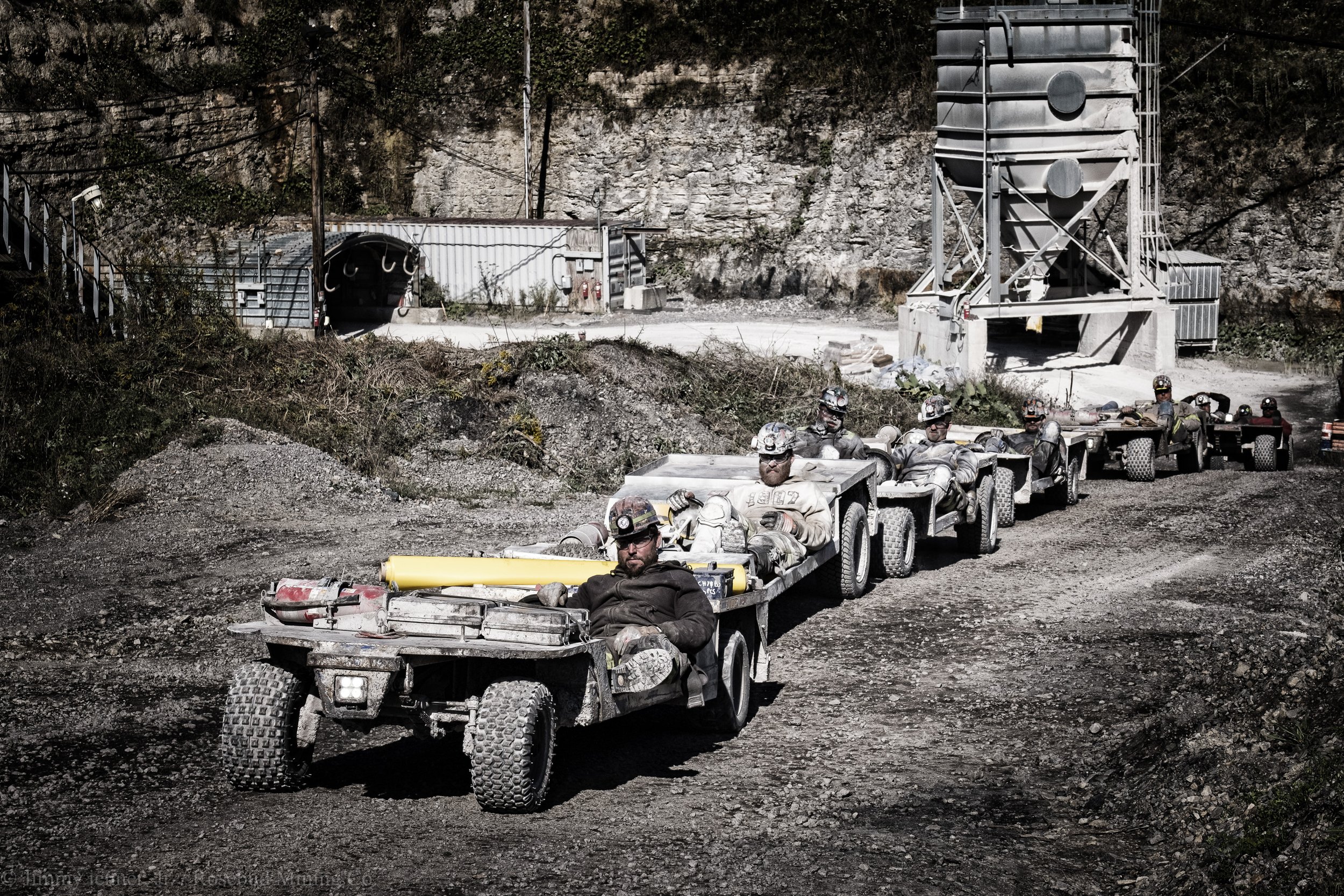
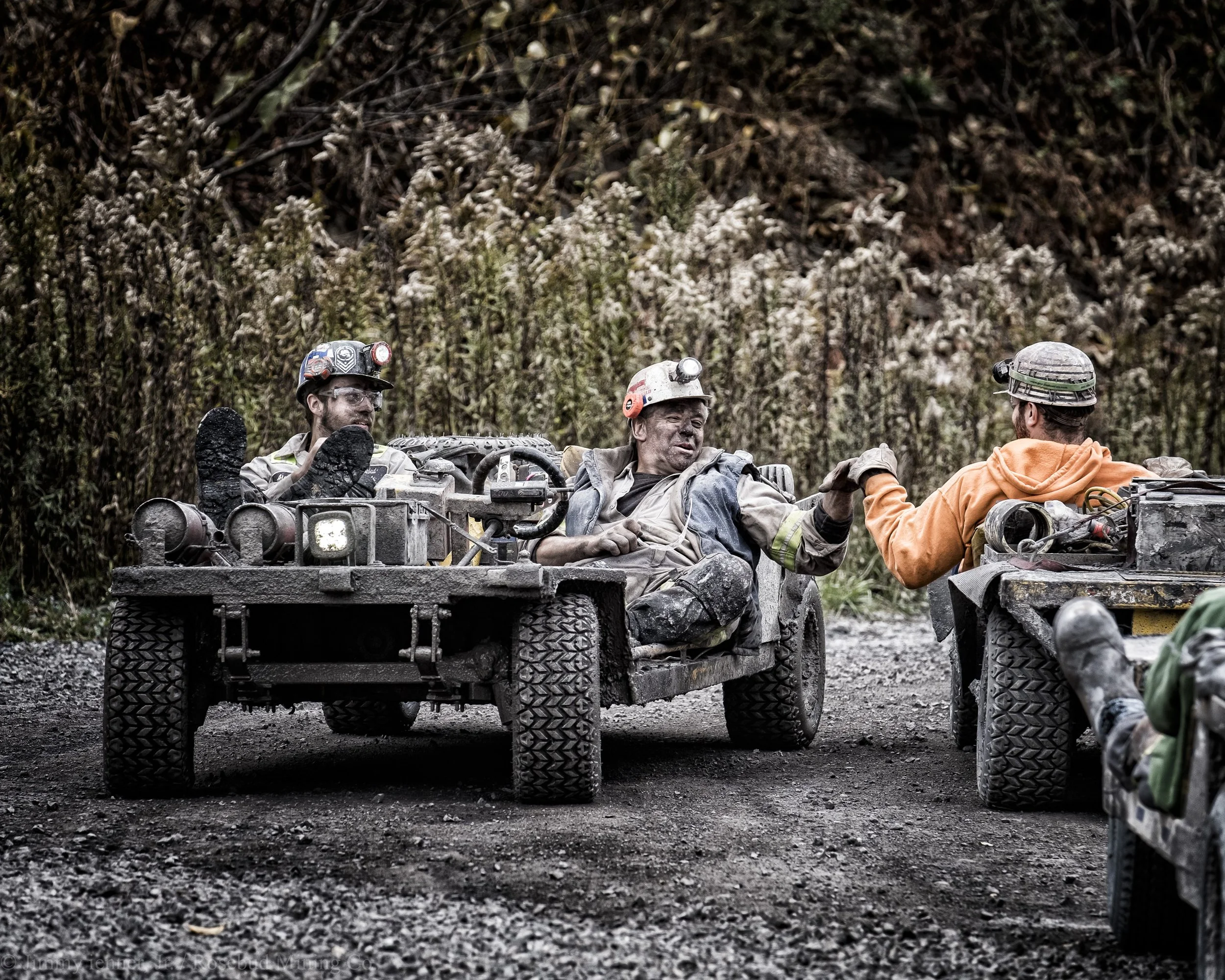
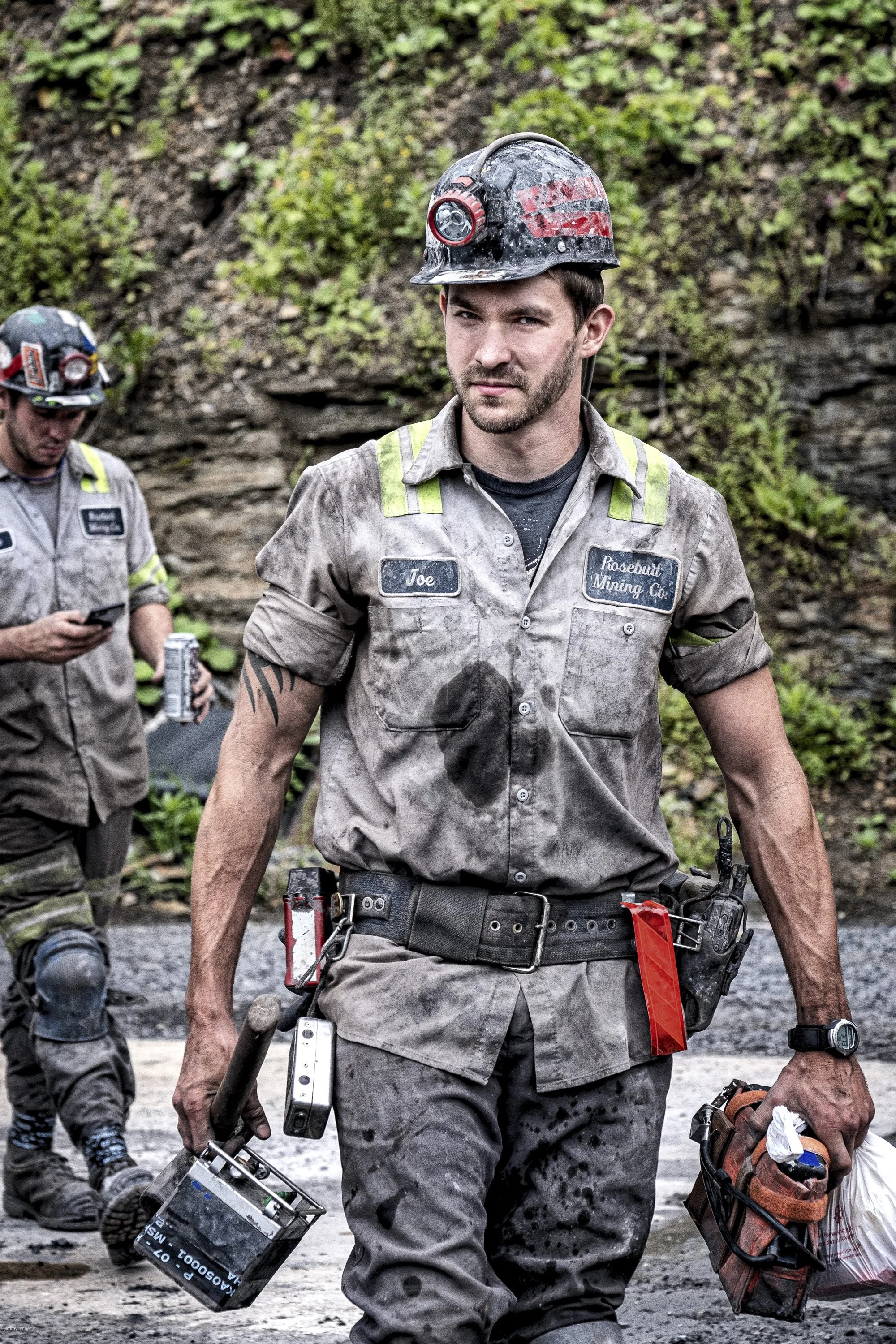
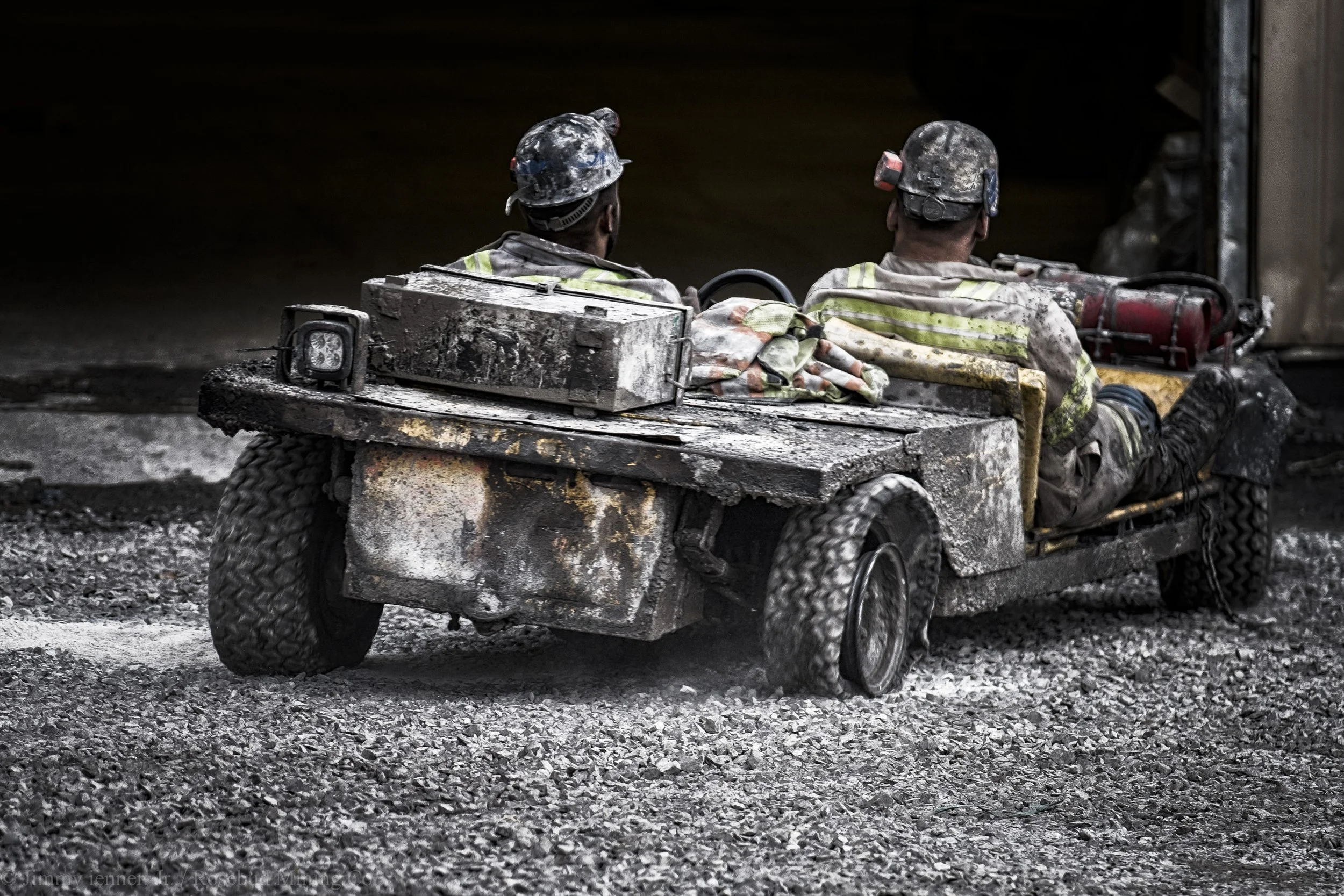
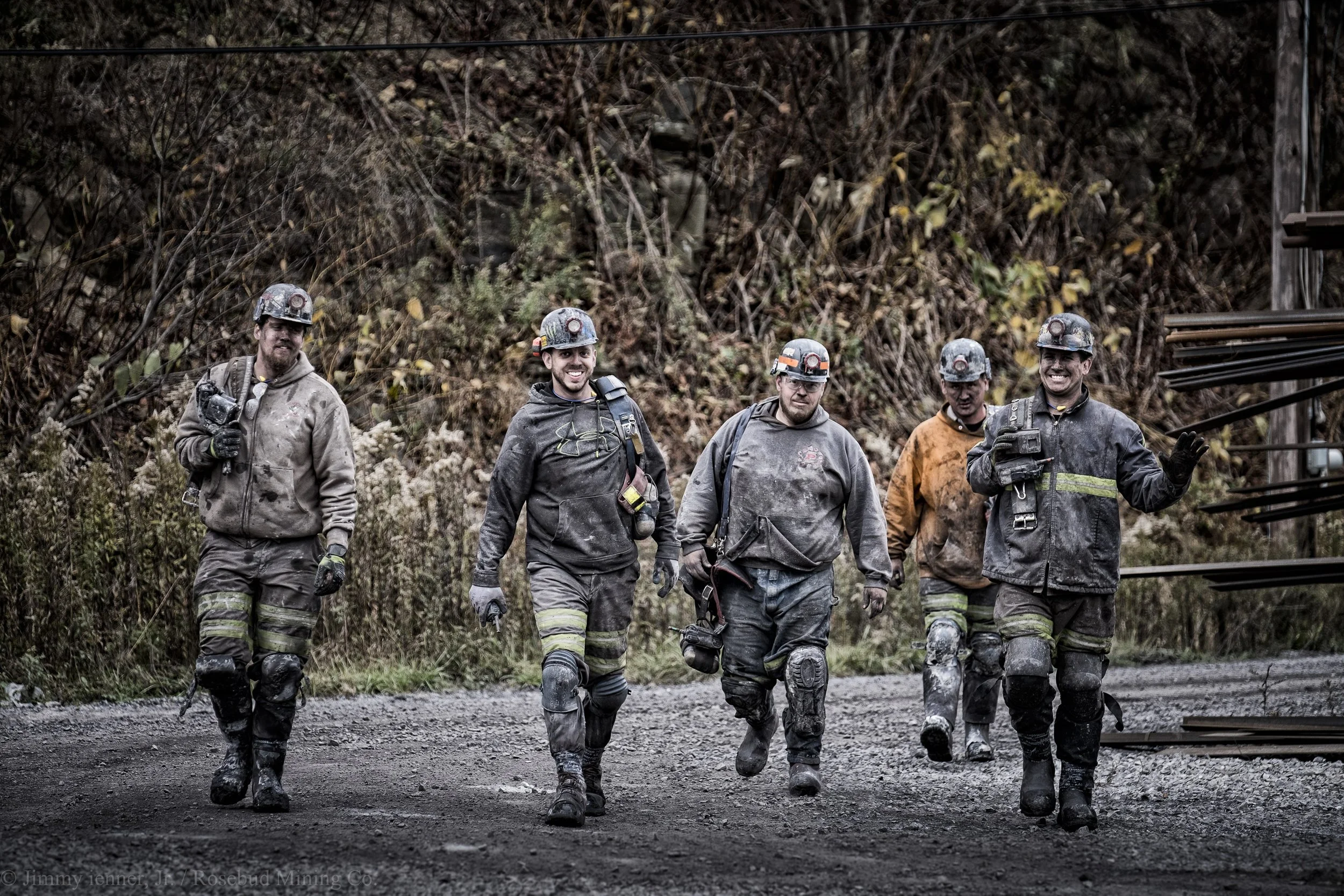
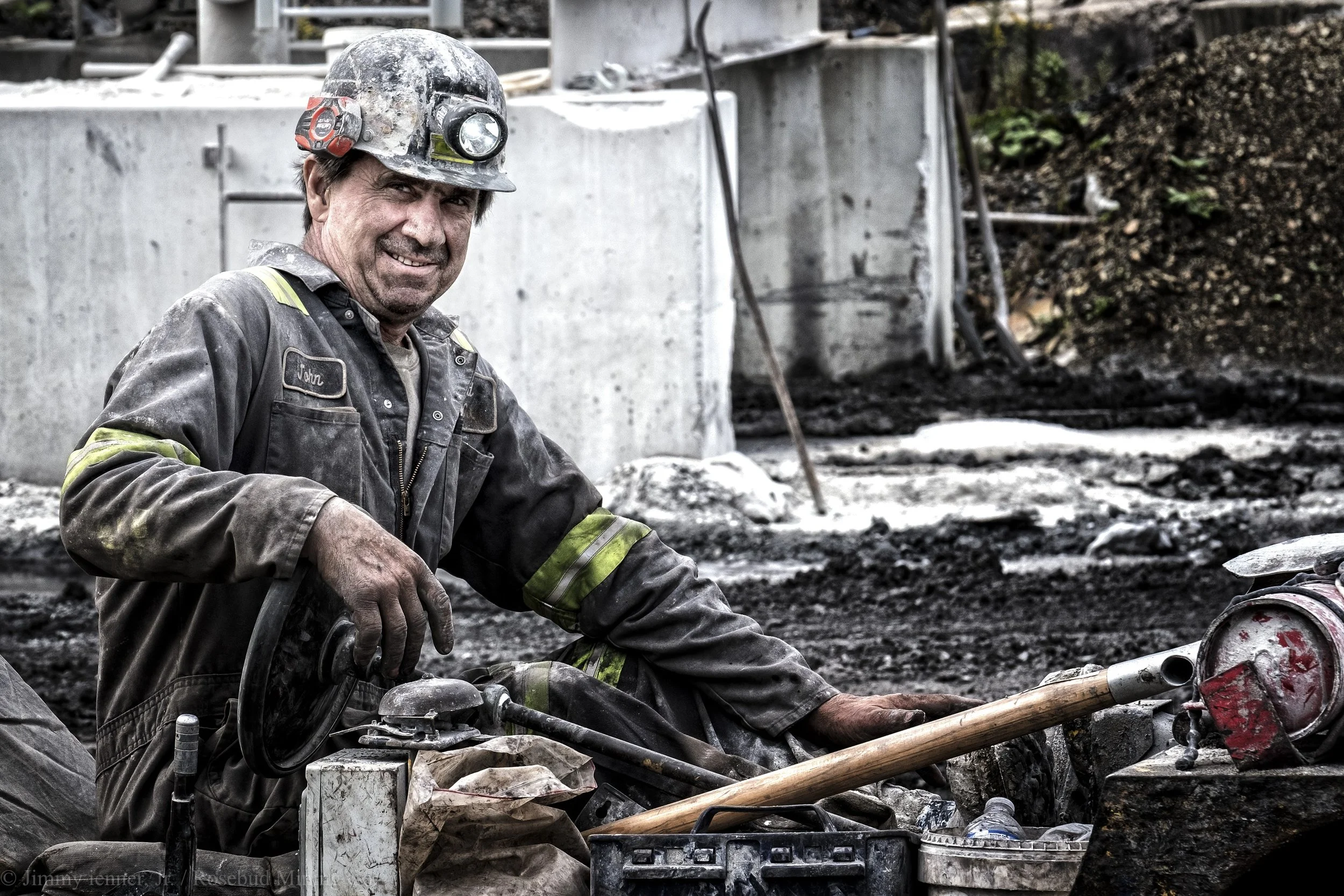
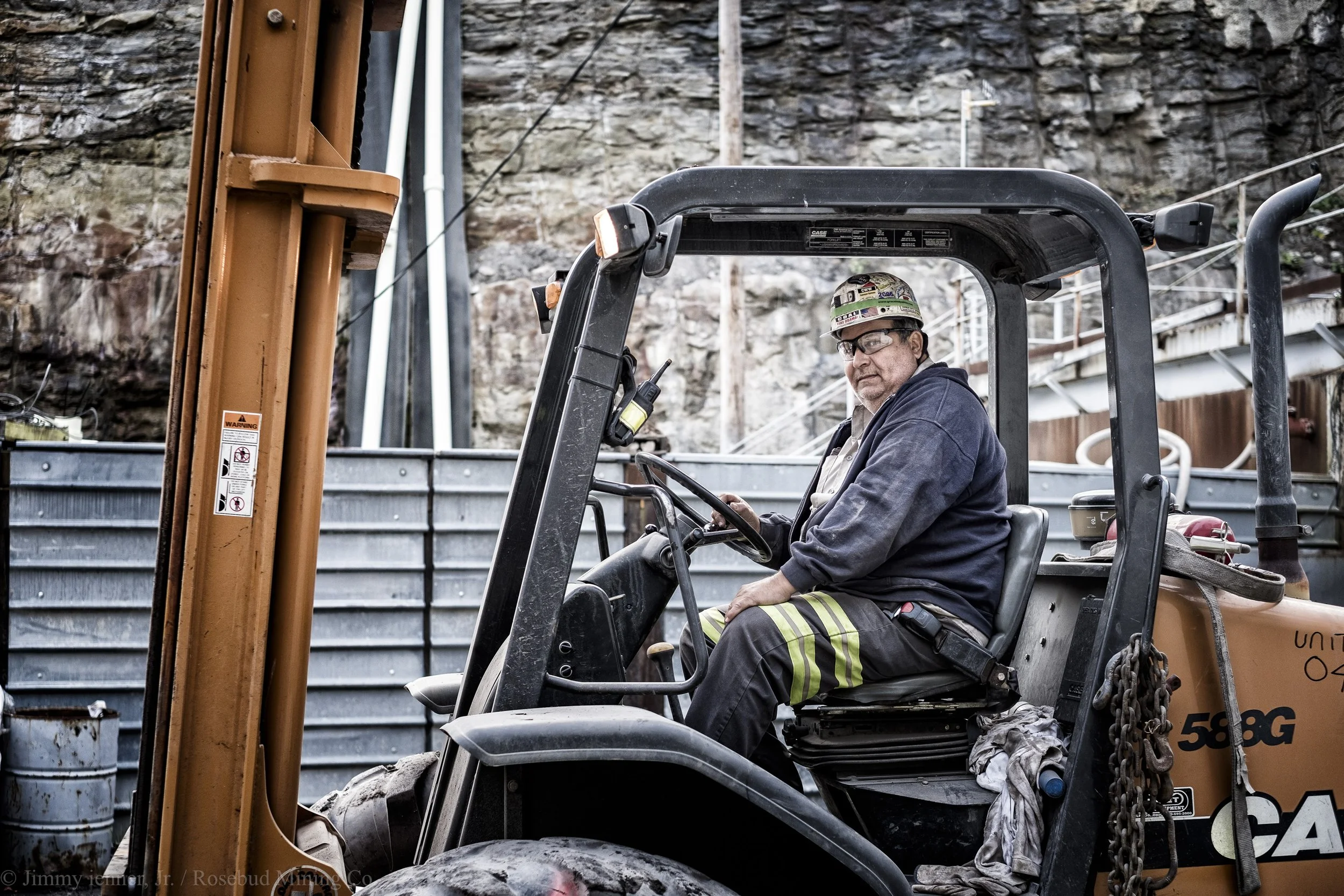
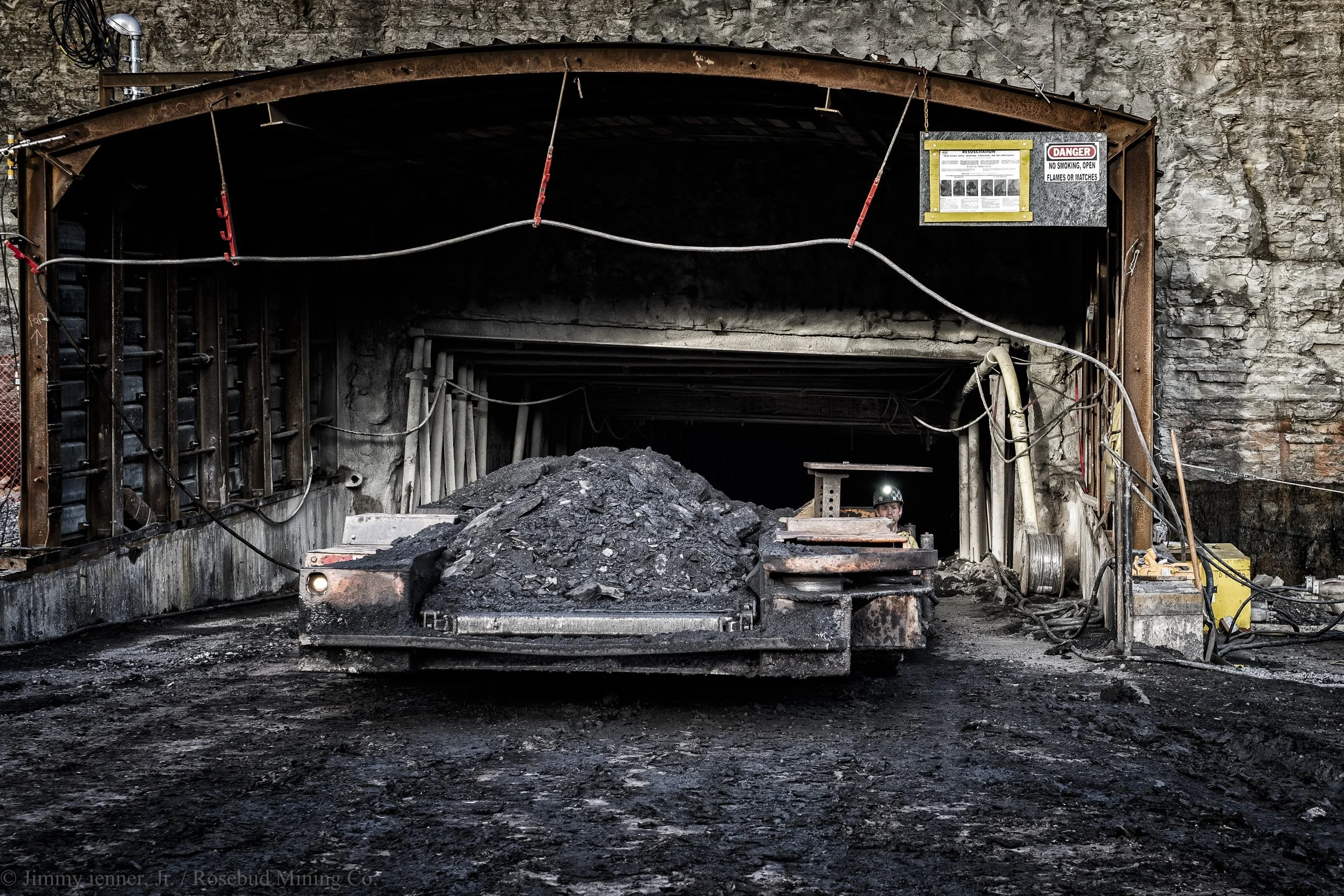
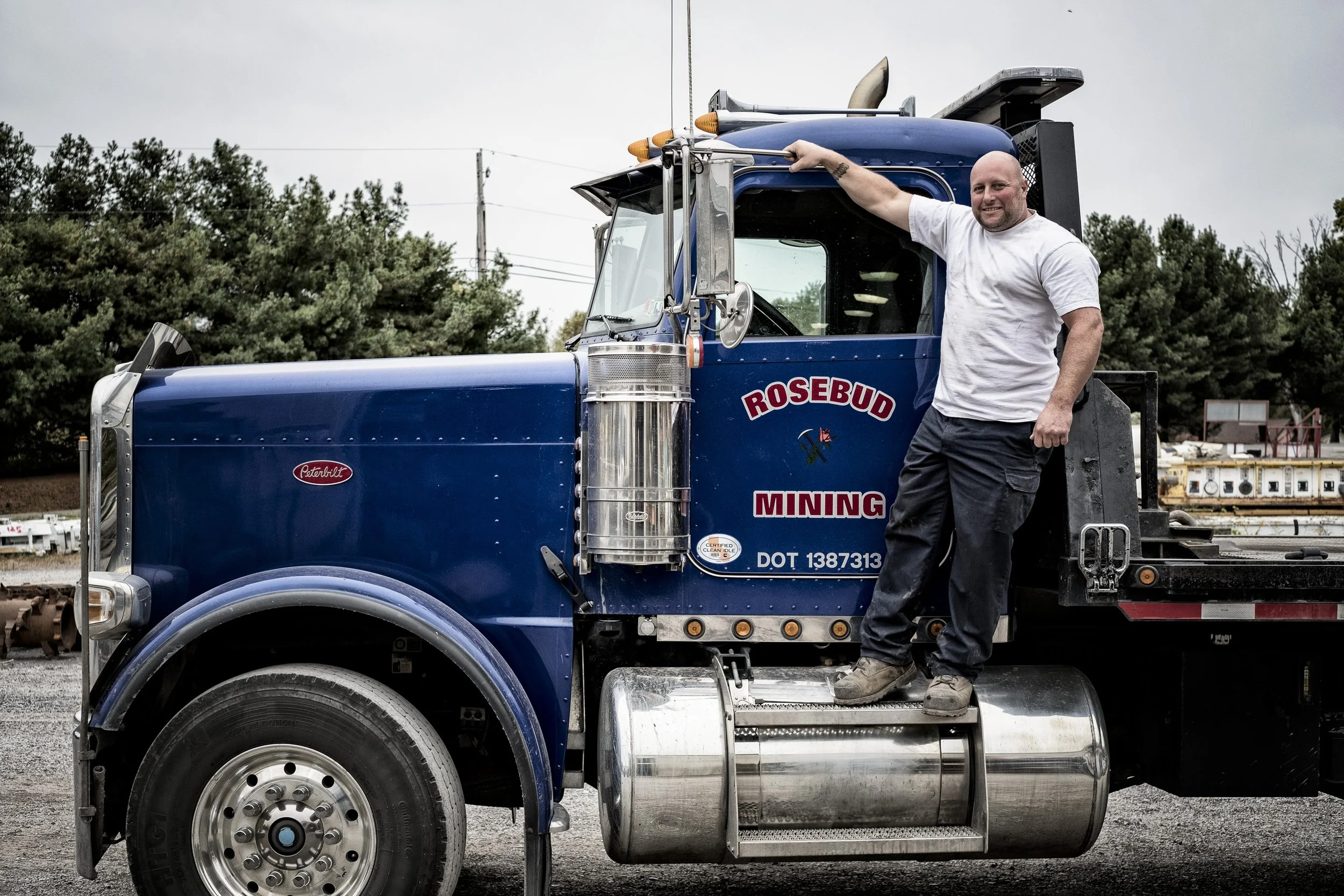
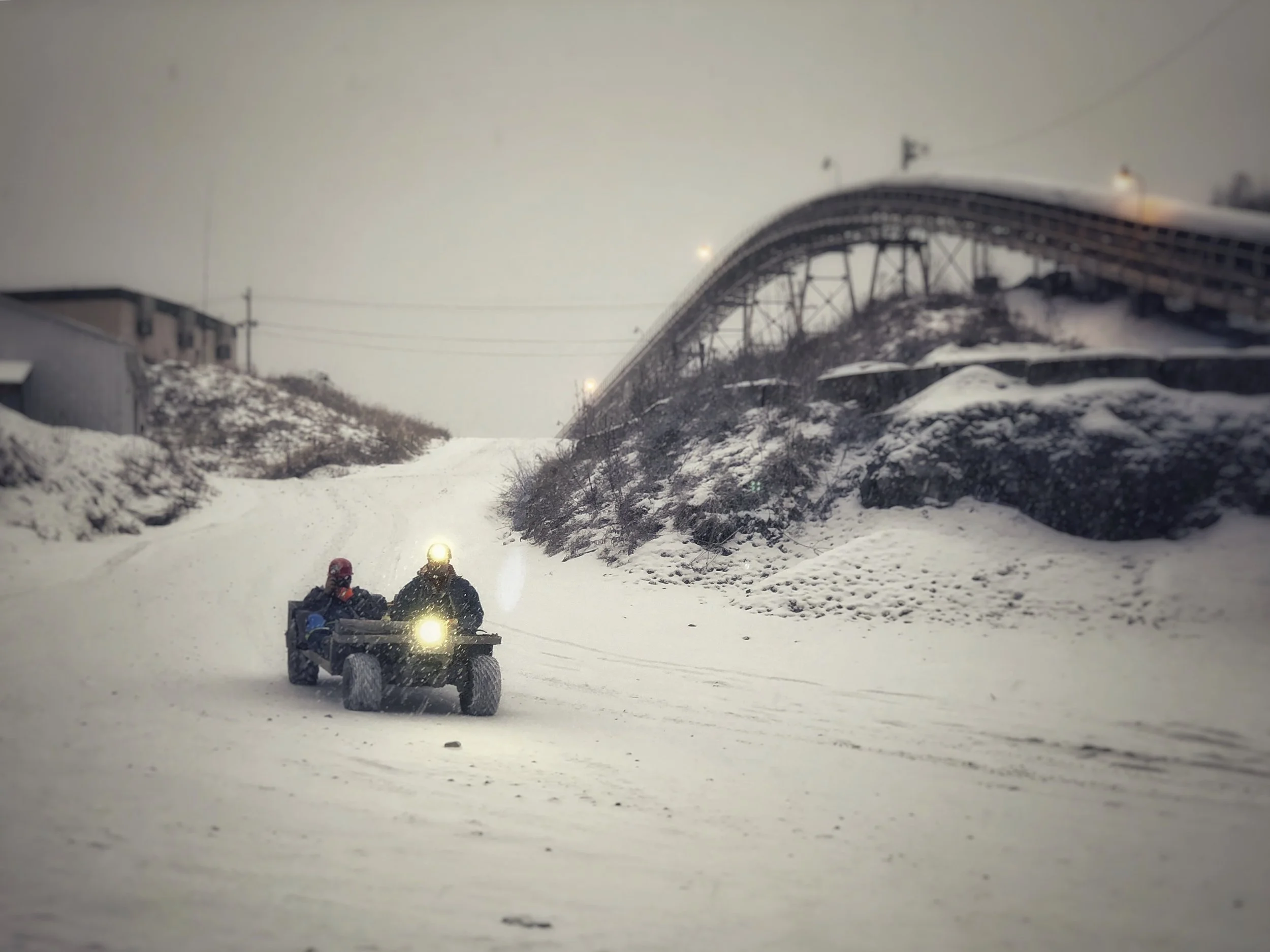
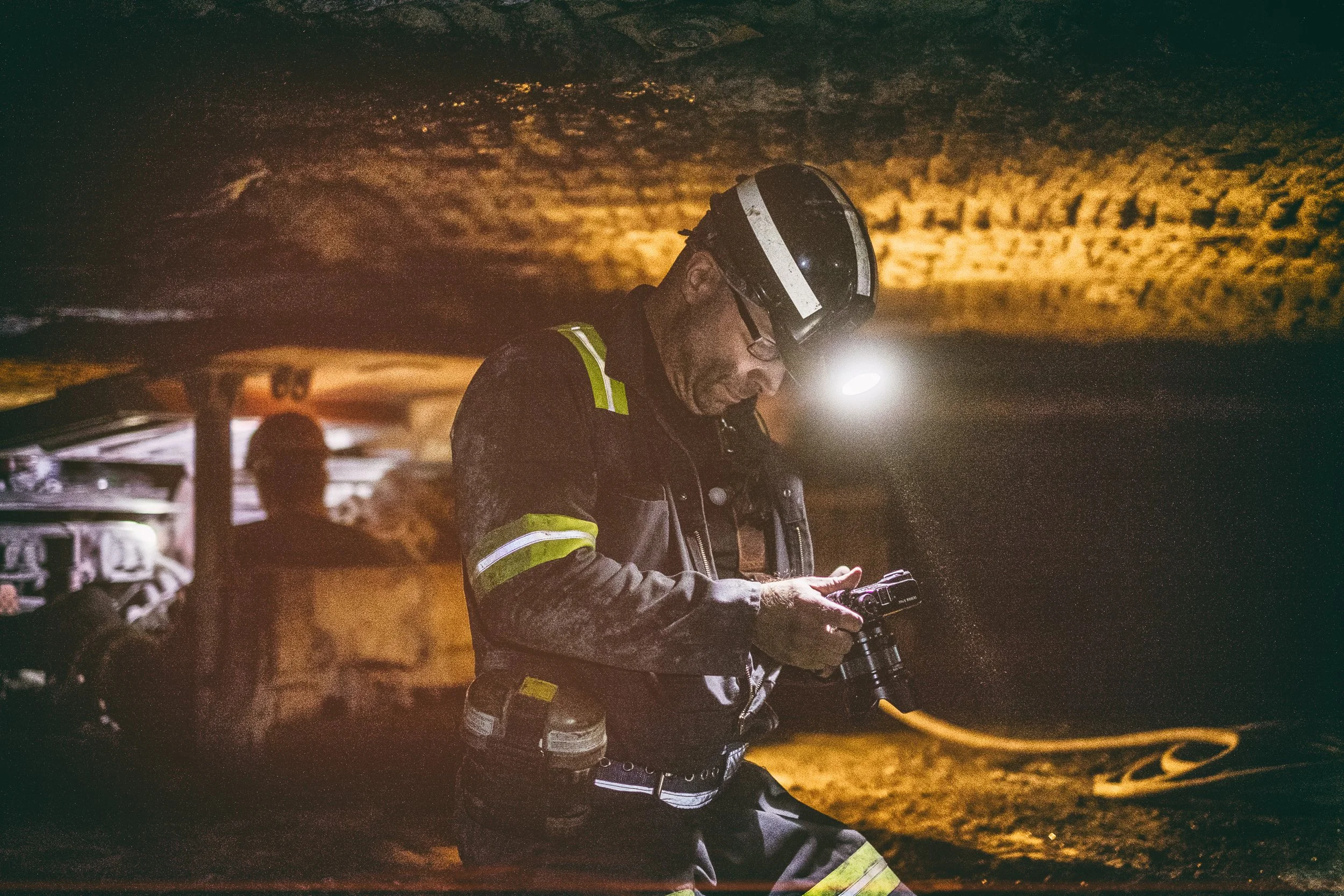
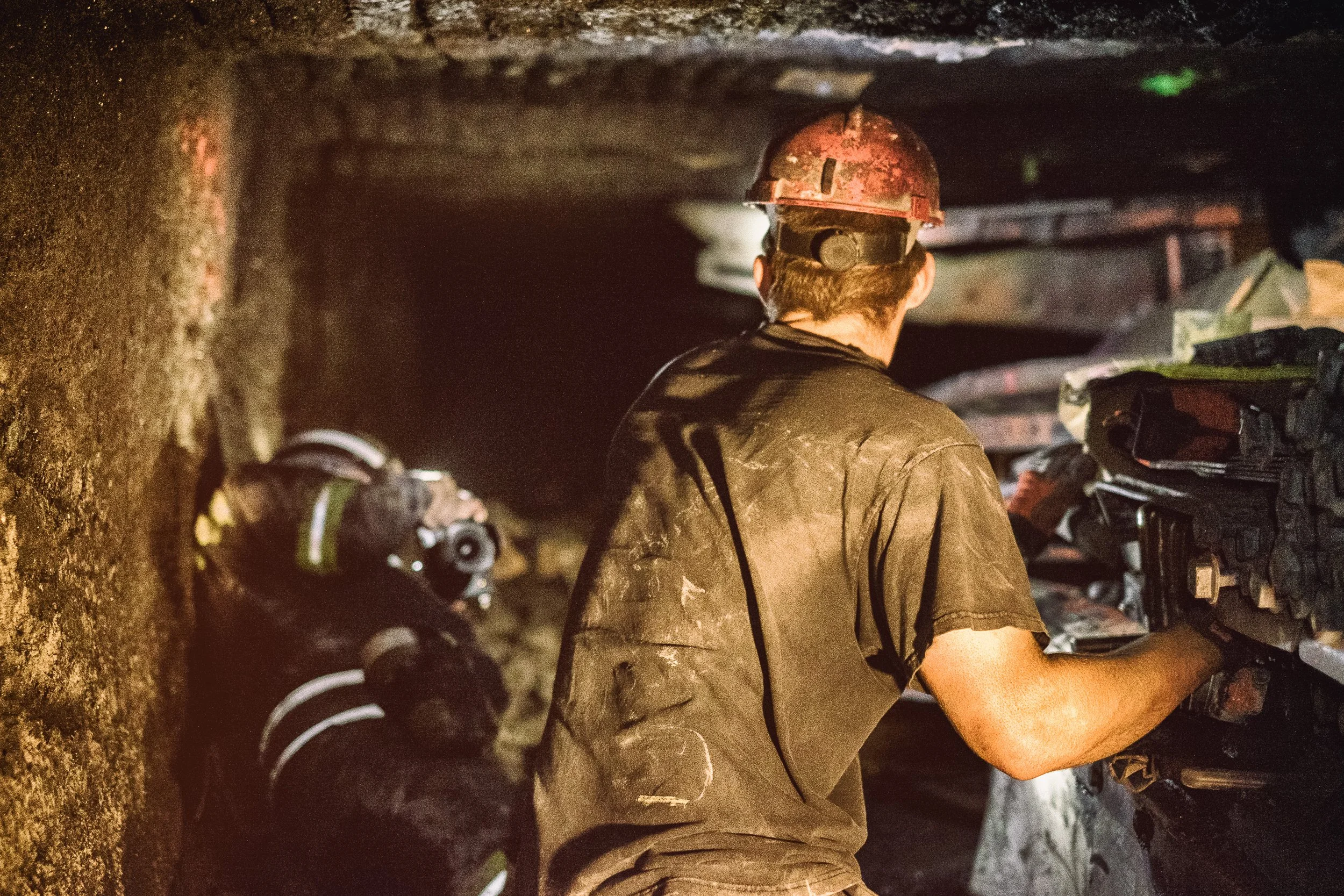
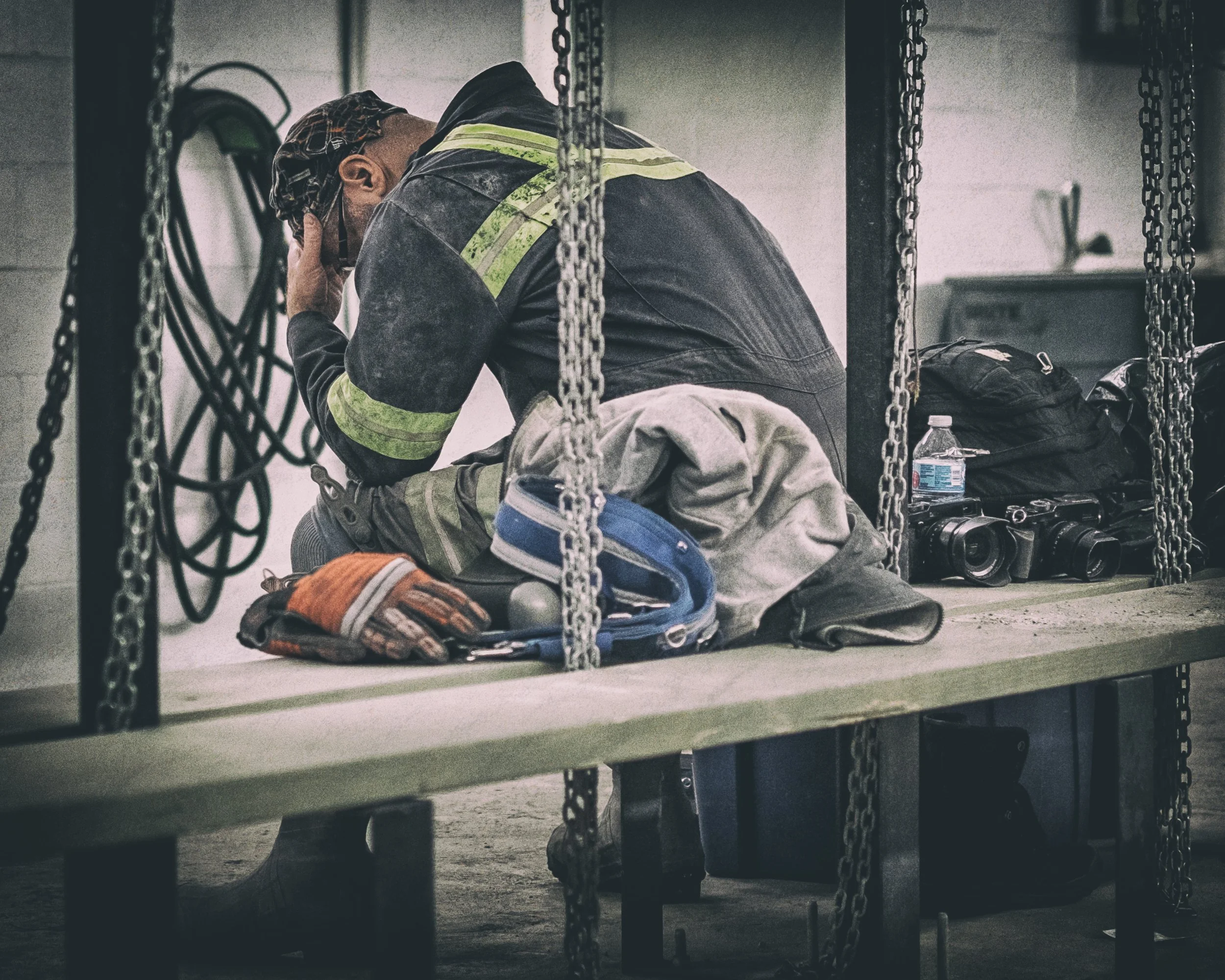
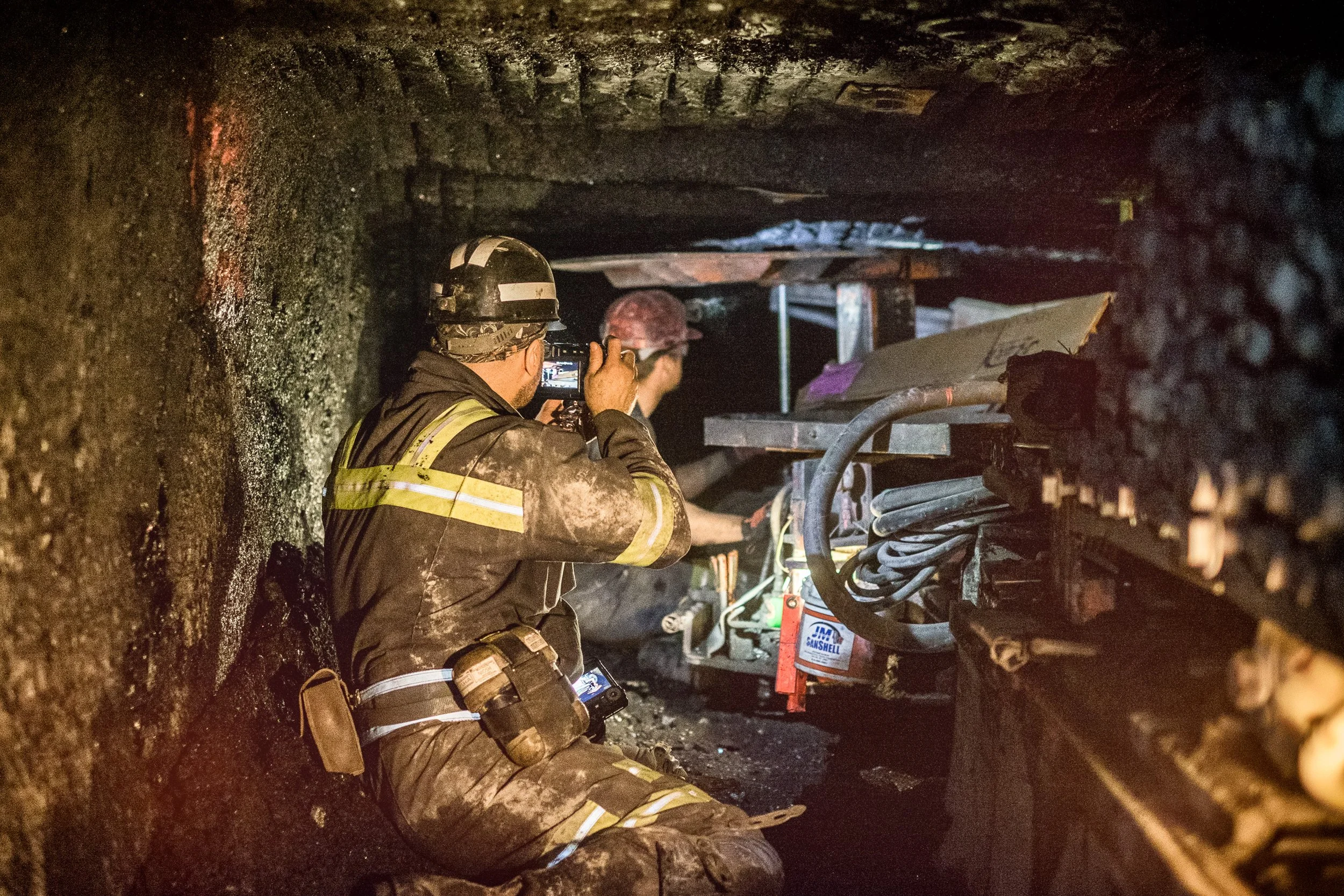
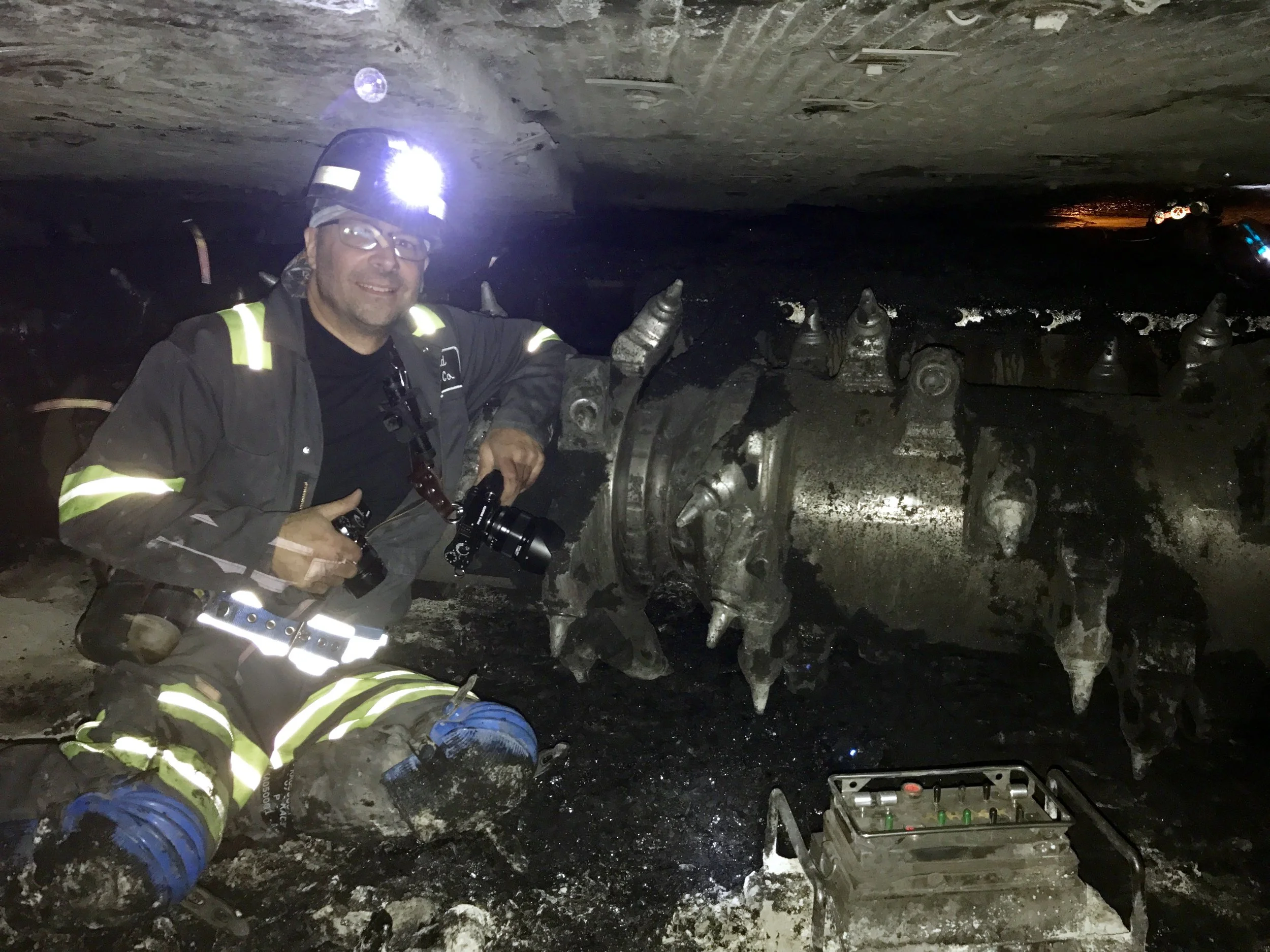
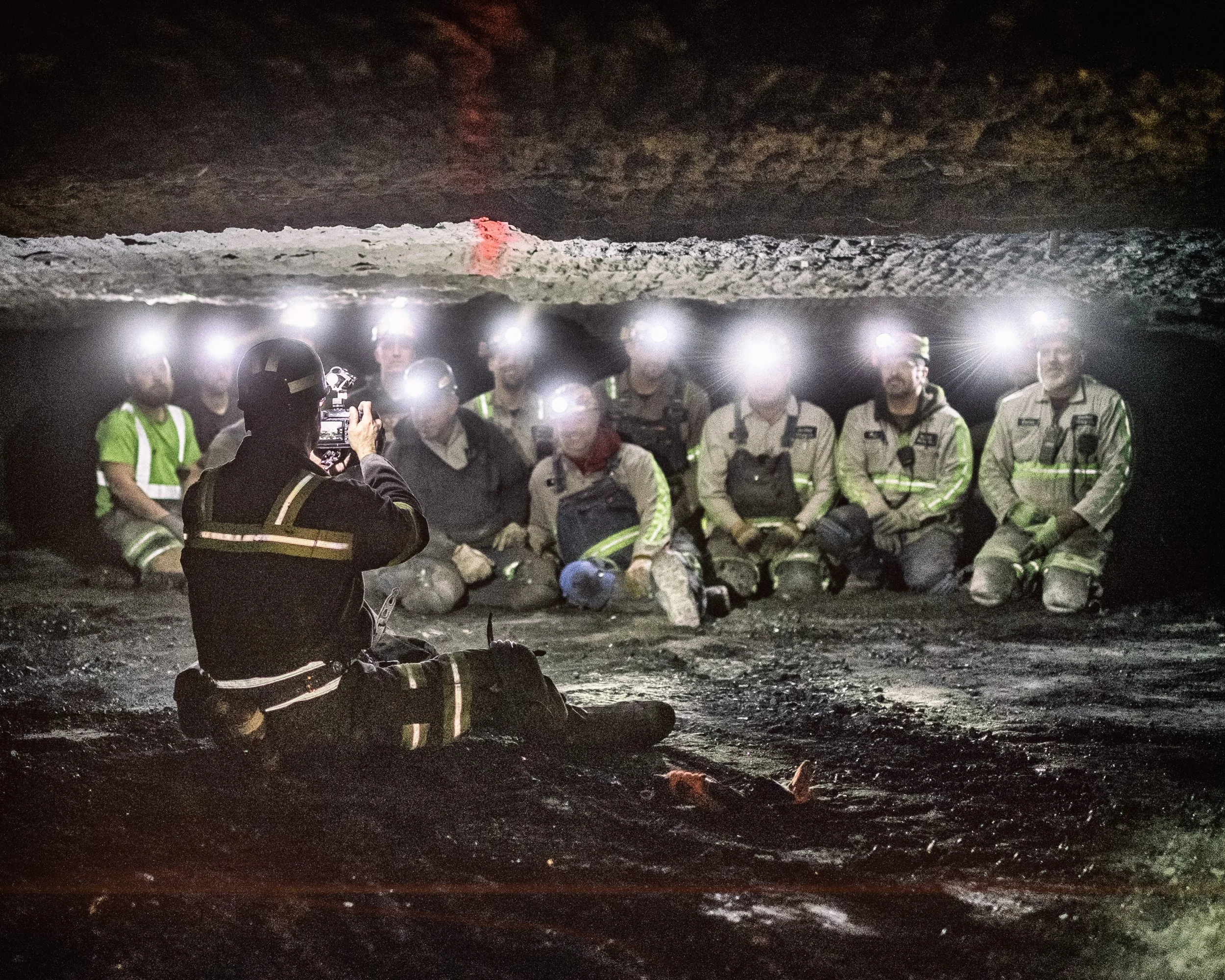
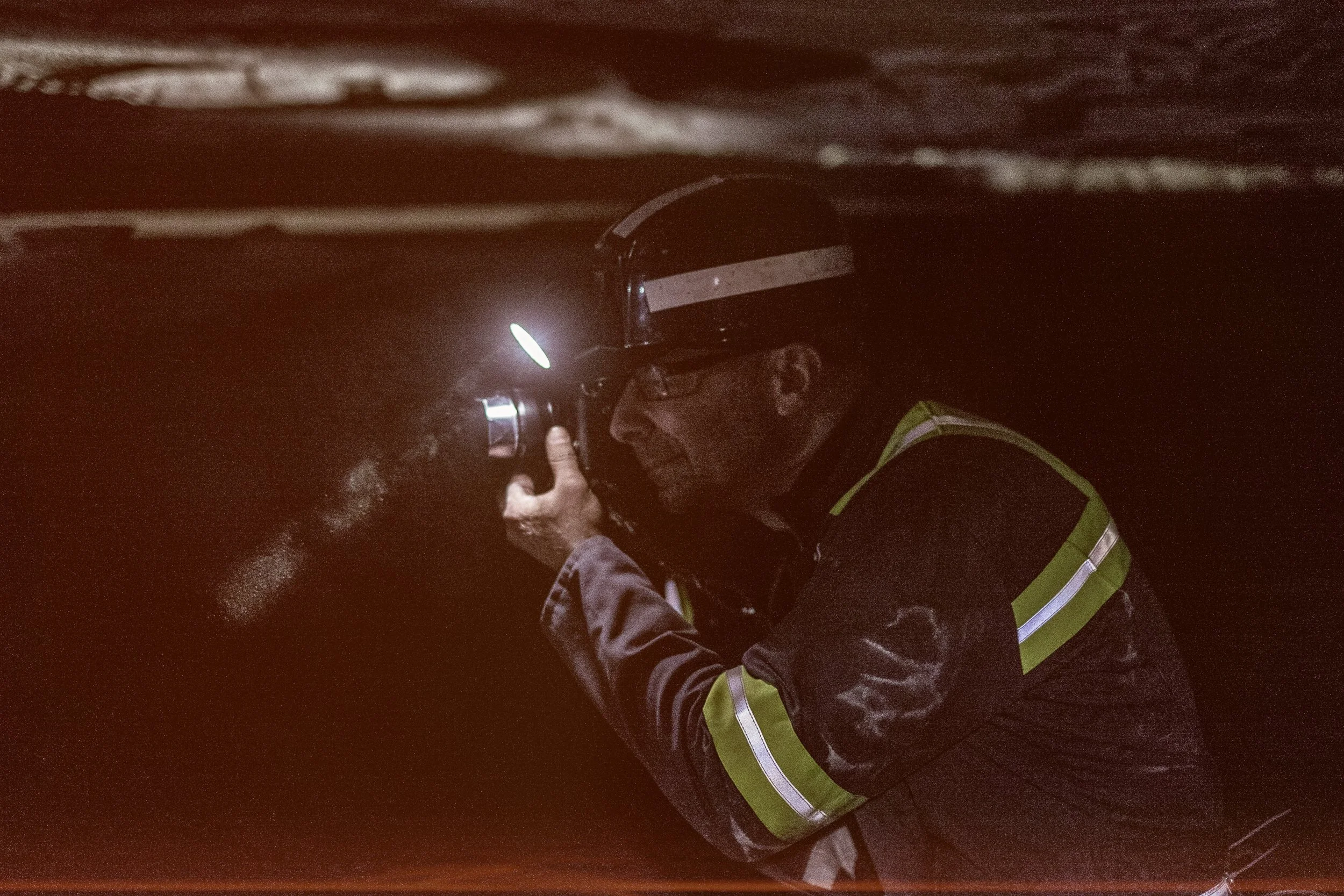
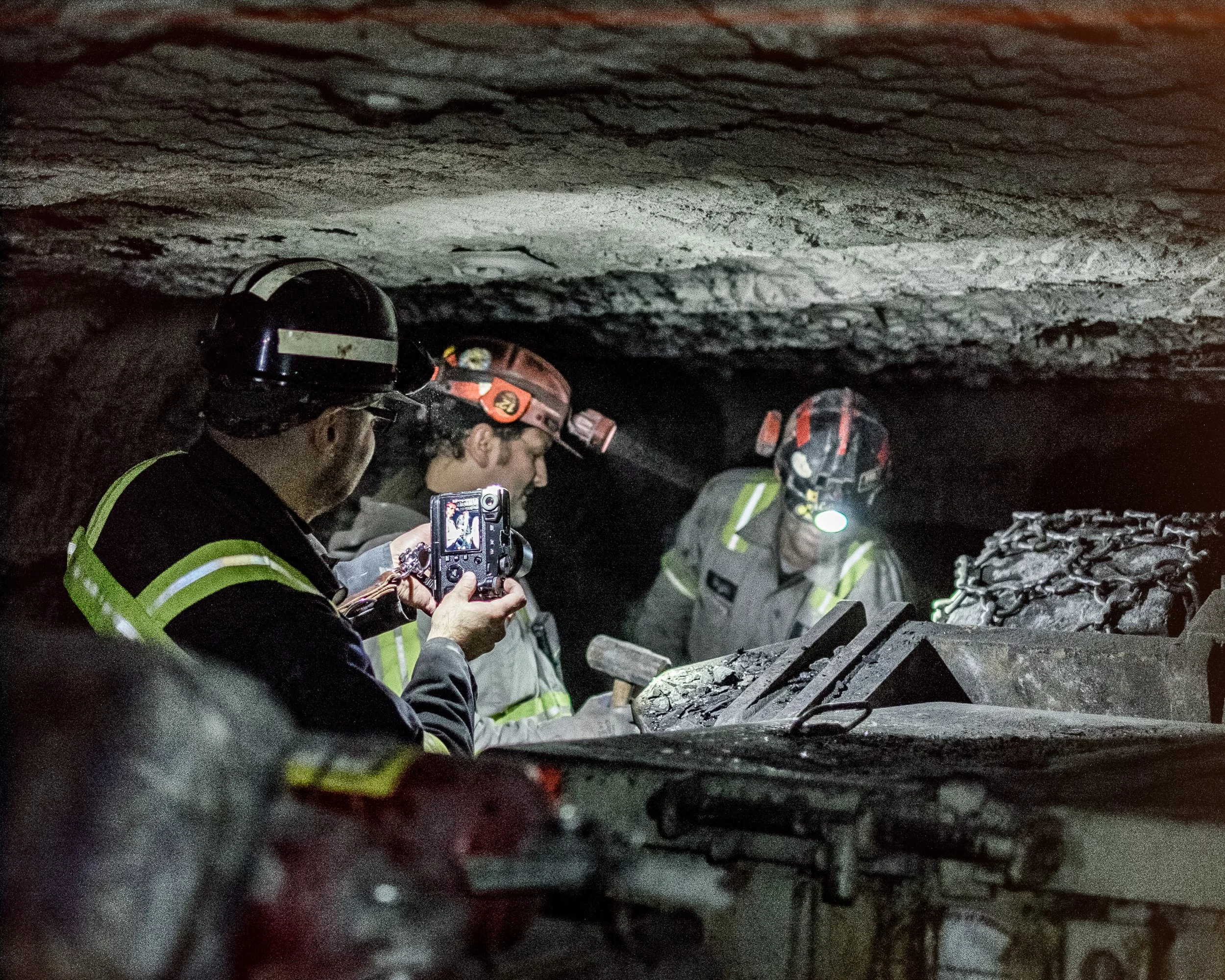
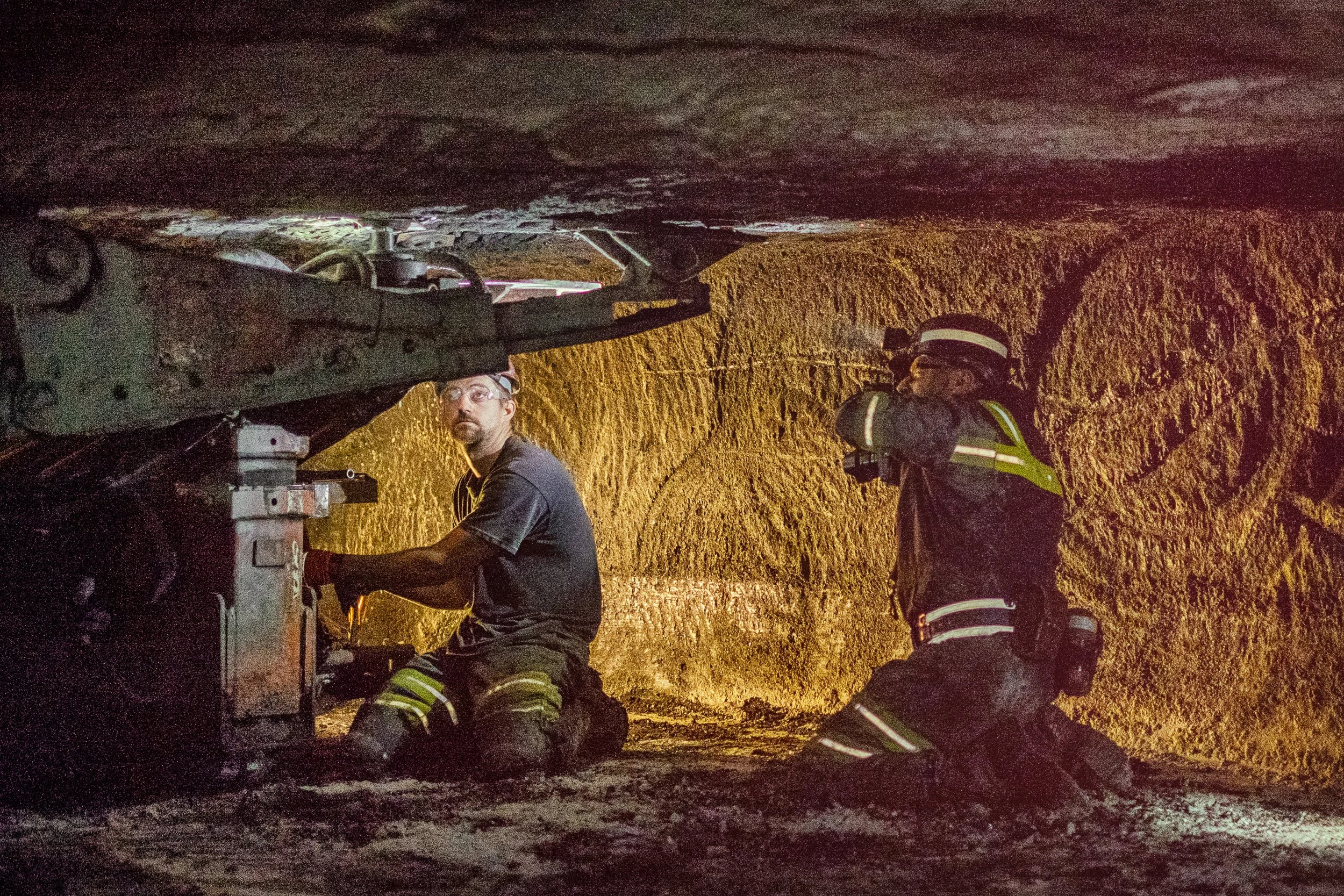
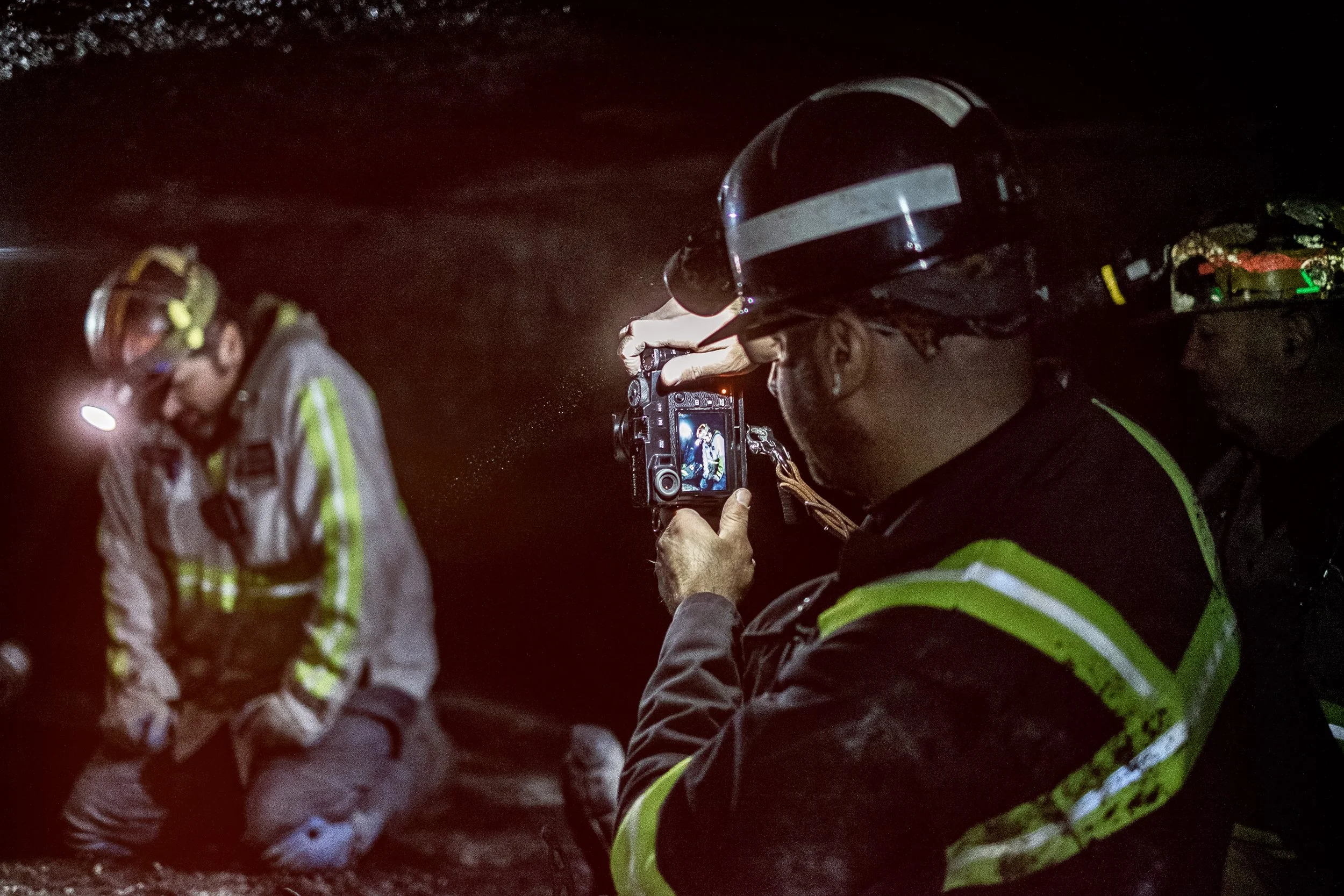
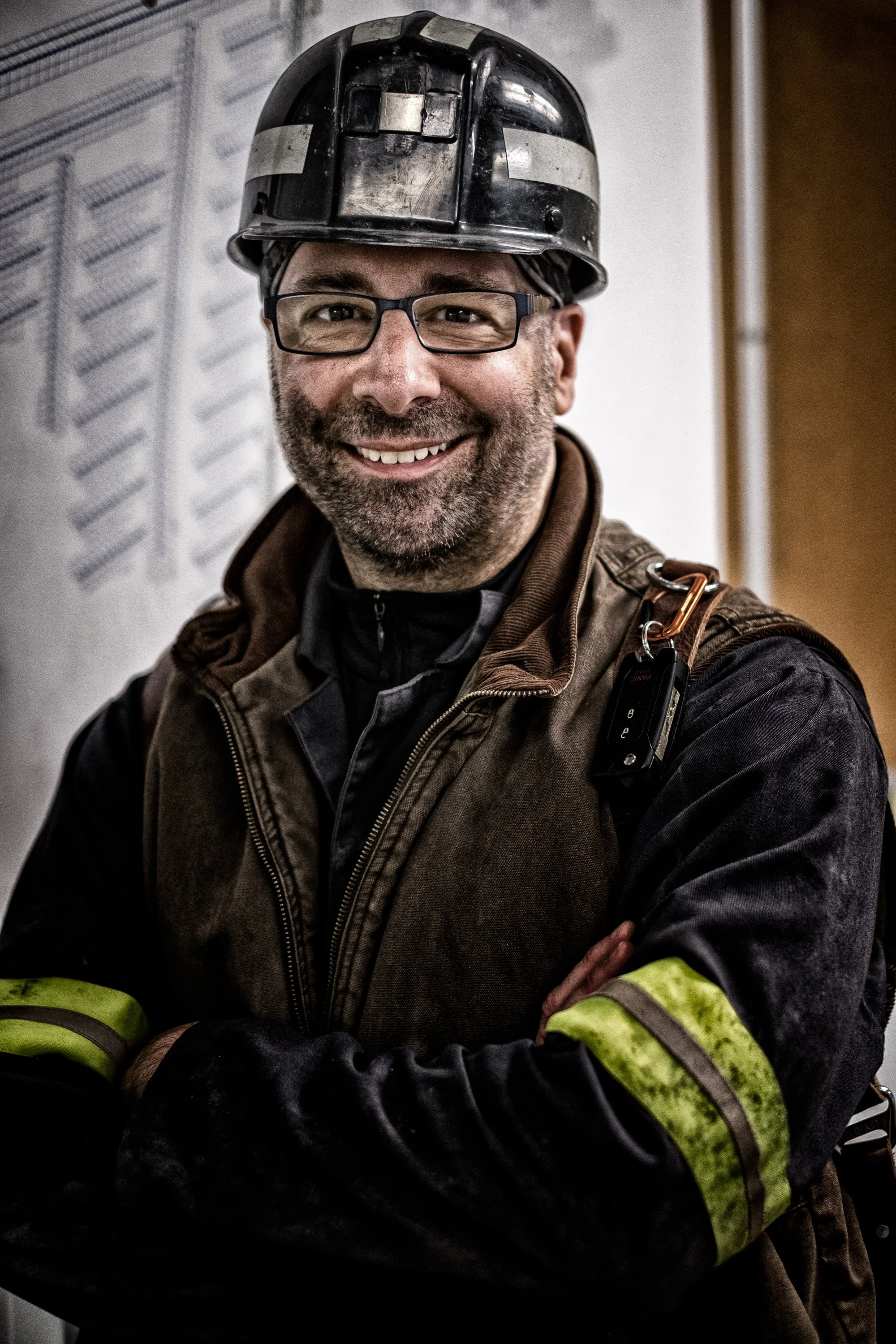
As an industrial photographer, coal was one of several stories I chased for more than a decade — and for a year, on and off, I finally got underground, photographing across seventeen mines in Western Pennsylvania, all owned by Rosebud Mining. I've never experienced anything like it. Every day began before dawn with safety training, then coveralls and the belt that carries everything the dark demands: a few minutes of portable oxygen, a proximity sensor, a hard hat, a headlamp, knee pads. They'd bring me in on my back on a low car, sometimes the better part of an hour, into a cut about eighteen feet wide and thirty-six inches high that could run anywhere from one mile to five into the rock. You spend much of the day on your hands and knees. There's next to no light down there — I made four to six thousand frames a day off nothing but the glow of the machinery and the headlamps, theirs and mine. In the complete darkness it can sometimes get eerily quiet. It takes real stamina just to move through a shift down there, and the danger never lets up — not for a second, not anywhere. The crews carry both like it's ordinary. I'd photograph the morning crew below, then come up in the late afternoon to make portraits of the night miners before their shift, both crews in a single day. The work wasn't all underground — I also spent full days above in the fabrication shop, where the machinery is built and kept running by a crew of men and women working in daylight while the mines ran beneath them. Afterward, back to the hotel to clean up and download and start again the next morning — or six and a half hours home to Connecticut. The edit took another full year. But the real endurance was never mine. It belonged to the crews below and above, and the photographs here are a record of them.
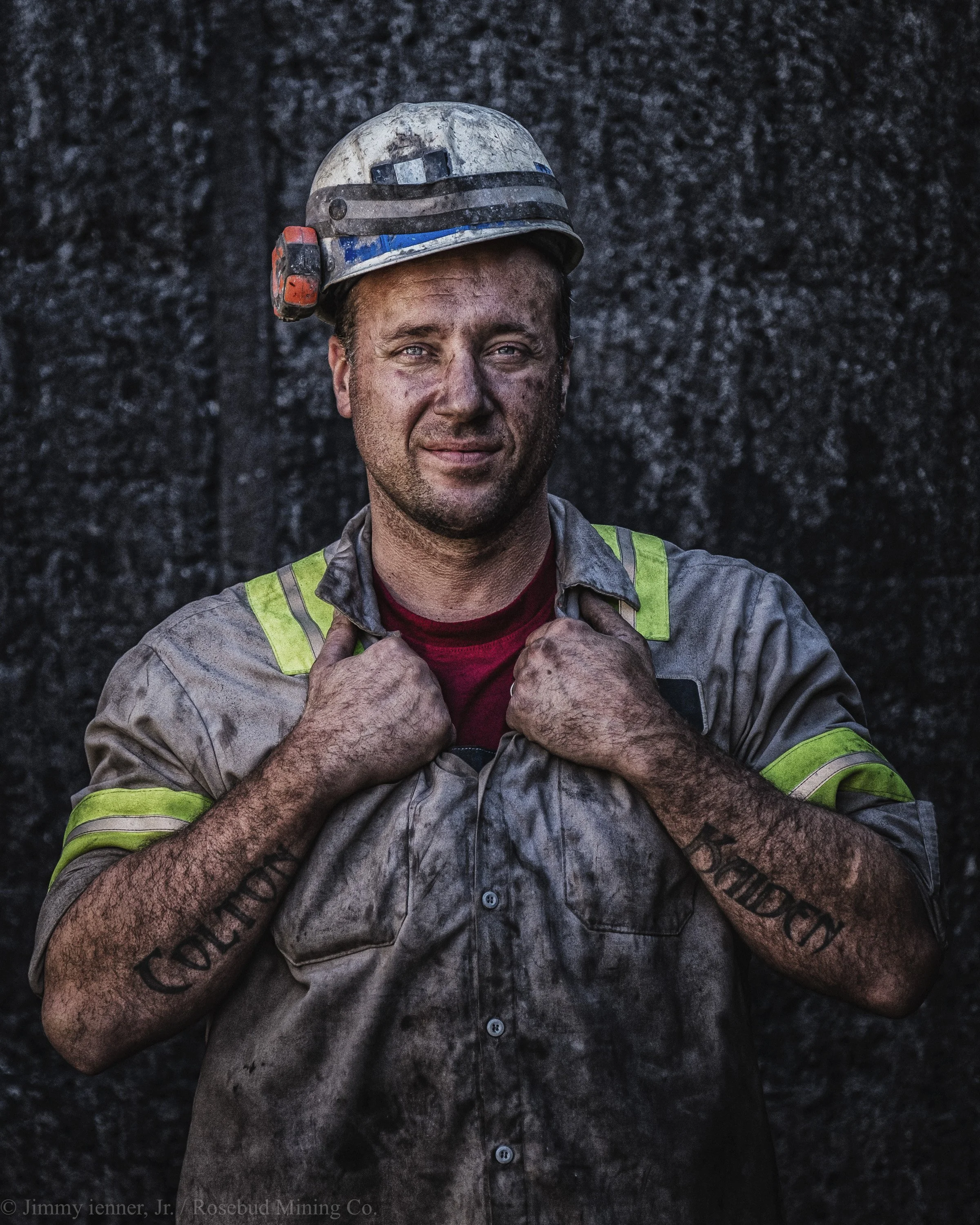
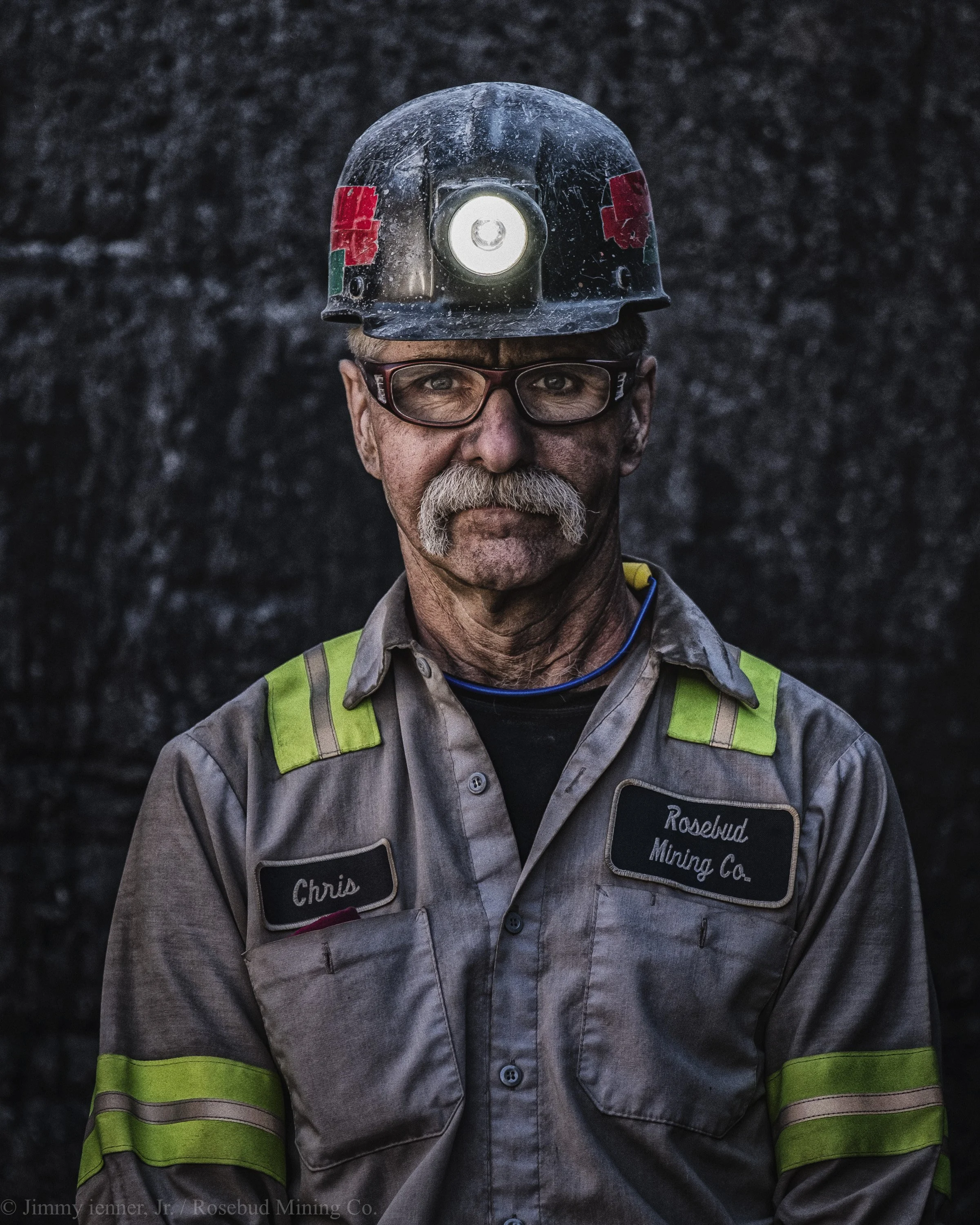
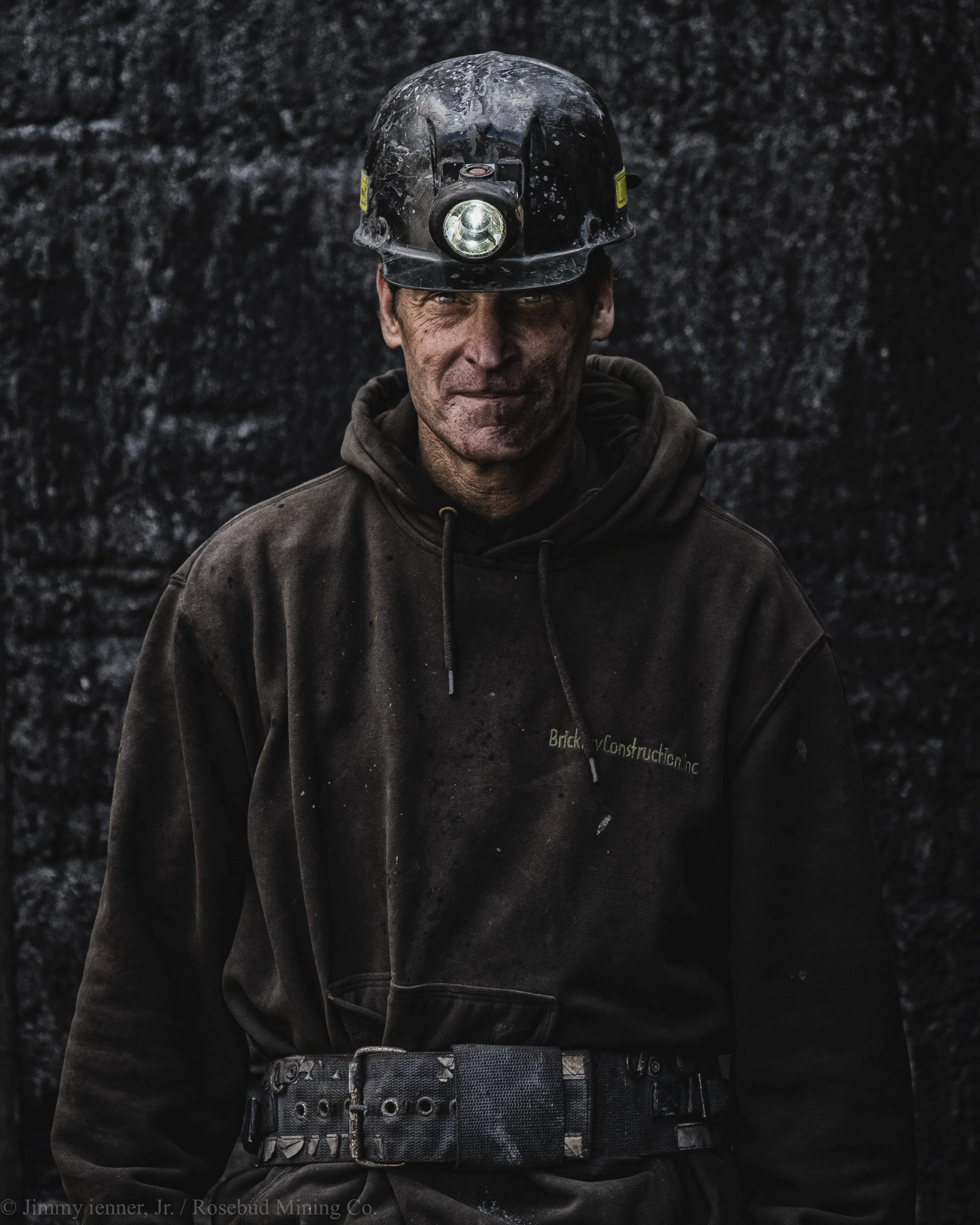
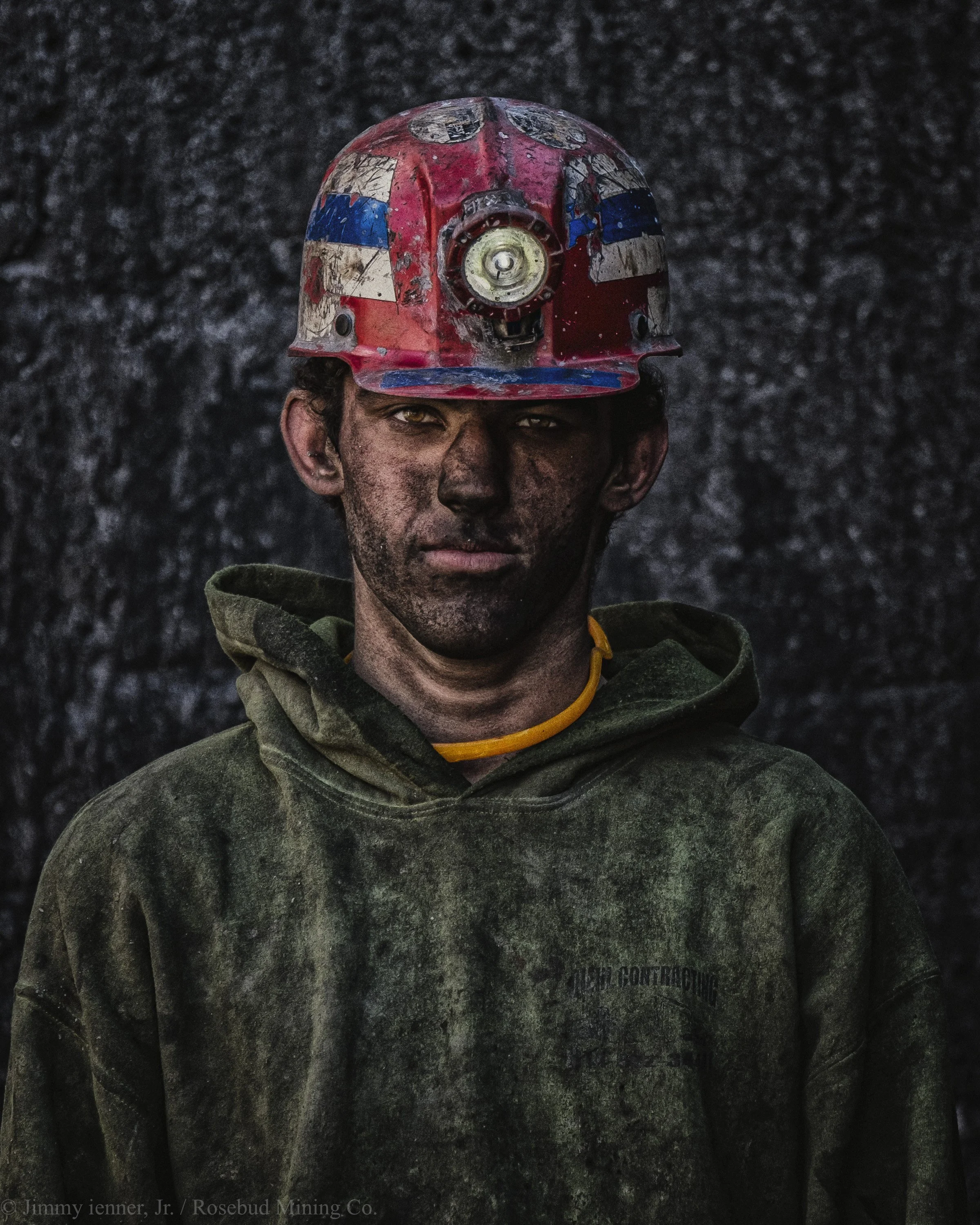
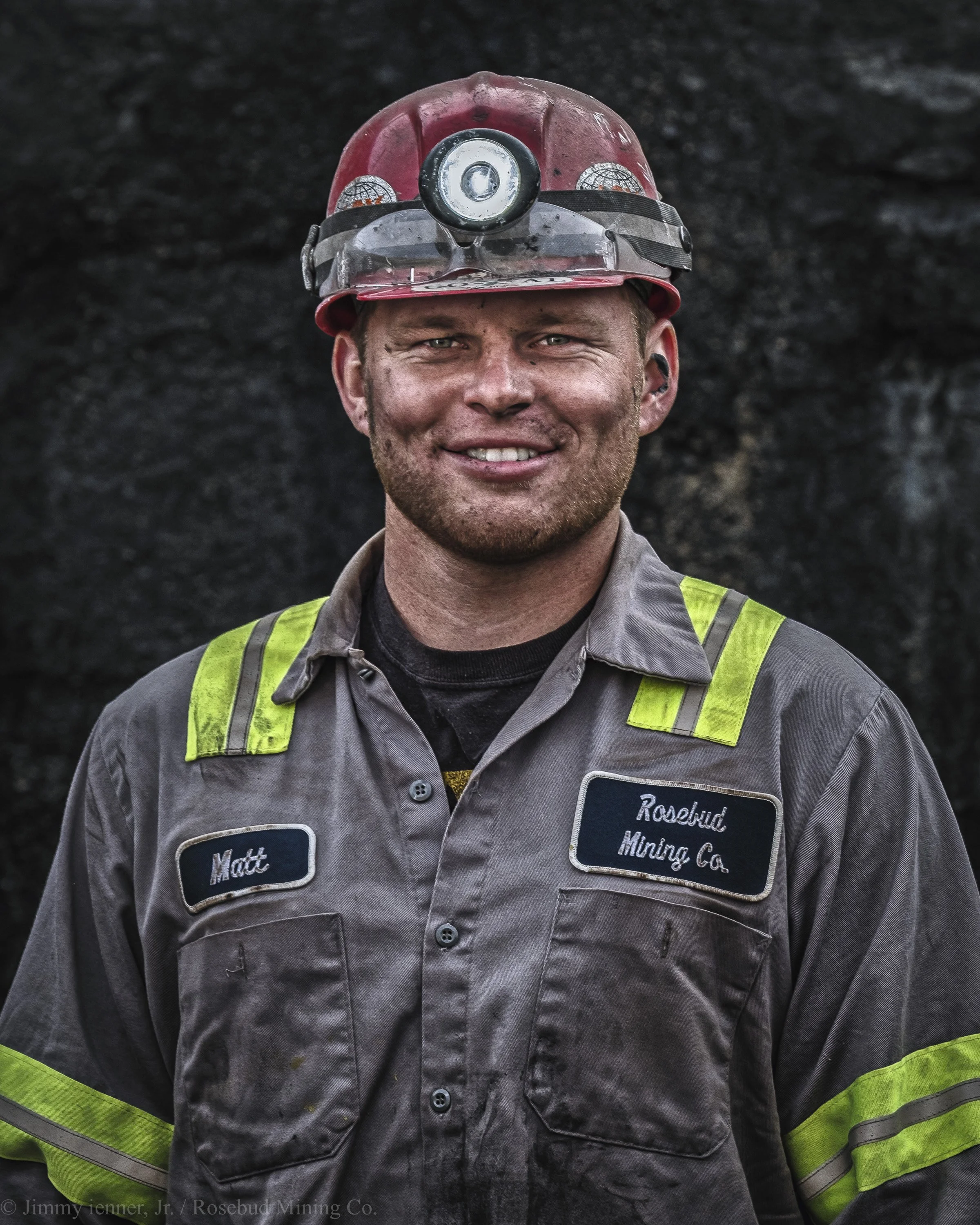
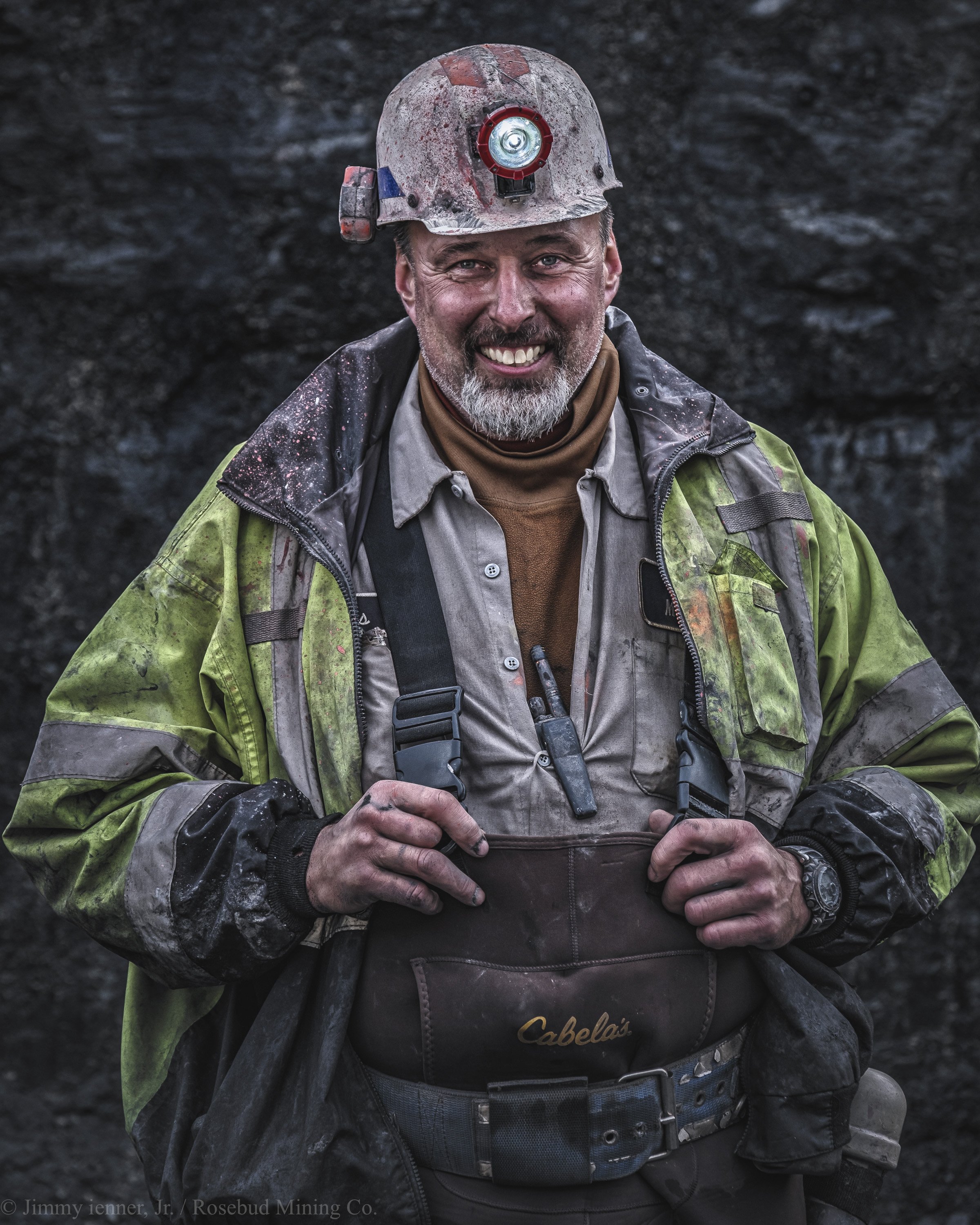
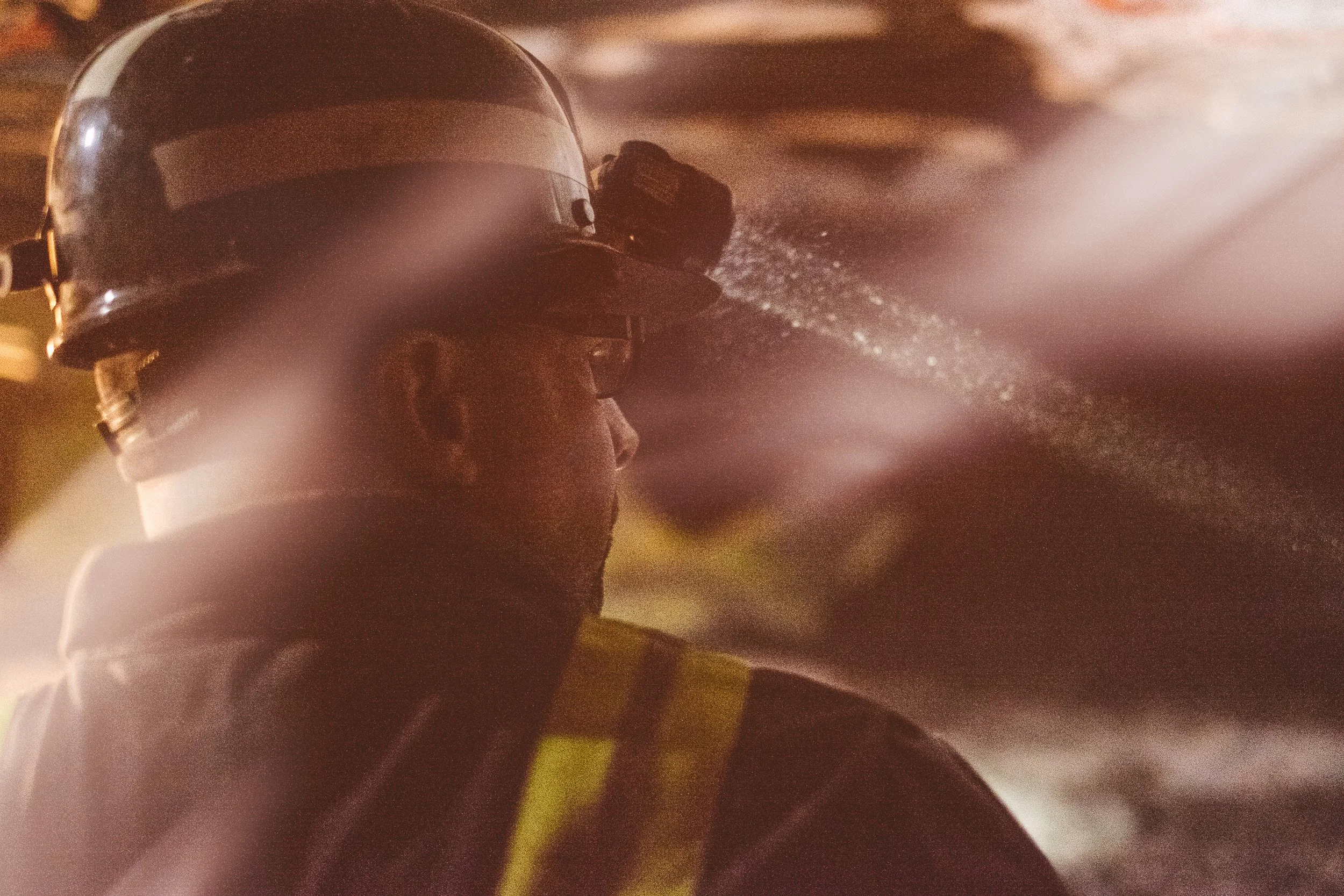
There's a point in the descent where the daylight quits and the only light left is the one strapped to your head. This is a body of work made in that dark — a record of the men who spend their working lives beneath us, cutting coal out of the rock by the same hard logic it's been cut by for generations. The photographs aren't after the machinery or the tonnage. They're after the faces: the soot worn like a second skin, the quiet between shifts, the particular dignity of people who do the kind of work most of us never see and rarely think about. It's a world that's shrinking, and this is what it looked like from the inside.